
Main Courses
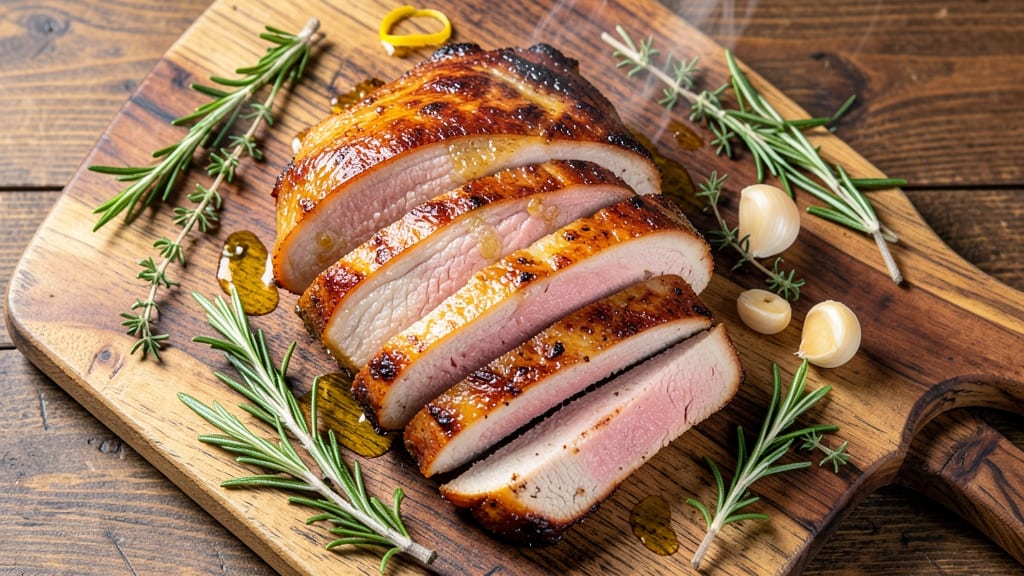
A perfectly roasted boneless pork loin rib half delivers that ideal balance of juicy pink core and flavorful crust—something I’ve perfected after years of cooking for crowds at The Smoky Pig.
The secret lies in a herb-infused crust that locks in moisture while searing to golden perfection, ensuring every slice stays tender and rich. This isn’t your average roast; it’s a showstopper that transforms a simple cut into a restaurant-worthy centerpiece.
What sets this recipe apart is the technique: a hot sear in cast iron followed by low-and-slow roasting, basted with its own rendered juices. I’ve tested this method countless times, and it never fails—whether you’re feeding a family or hosting a dinner party.
The herb crust (rosemary, thyme, garlic) adds aromatic depth without overpowering the natural sweetness of the pork, while the internal temperature gauge ensures perfect doneness every time.
By the time you carve into this roast, you’ll have juicy, melt-in-your-mouth pork with a crisp, herbaceous crust that’s impossible to resist. The method is straightforward but yields restaurant-quality results, and the leftovers?
Even better the next day. Serve with a tangy apple sauce or roasted root vegetables for a complete meal that feels both elegant and effortless.
This recipe is built on the same principles I use in my kitchen—precision, patience, and passion—to turn a simple cut of pork into something extraordinary. Whether you’re a home cook or a seasoned pro, the techniques here will elevate your roasting game. Let’s get started.
Ingredients for boneless pork loin rib half roast
The perfect blend of aromatic herbs and tender pork transforms a simple roast into a showstopper.
| Ingredient | Amount | Notes |
|---|---|---|
| Boneless Pork Loin Rib Half 🐖 | 4 lb | Center-cut, 1.5-inch thick |
| Fresh Rosemary 🌿 | ¼ cup | Finely chopped, stems removed |
| Fresh Thyme 🌿 | 2 tbsp | Leaves only, stems discarded |
| Garlic Cloves 🧄 | 6 cloves | Minced, for herb paste |
| Extra-Virgin Olive Oil 🫒 | ¼ cup | High-quality, fruity |
| Diamond Crystal Kosher Salt 🧂 | 1 ½ tbsp | Coarse grain preferred |
| Freshly Ground Black Pepper 🌶️ | 1 ½ tbsp | Freshly cracked for intensity |
| Unsalted Butter 🧈 | ½ cup | Cold, cubed for basting |
| Apple Cider Vinegar 🍏 | 2 tbsp | For basting liquid |
| Fresh Parsley 🌿 | ⅛ cup | Chopped, for garnish |
| Measuring Probe Thermometer 🌡️ | 1 whole | For perfect doneness |
The pork loin rib half is the star—look for a cut with good marbling and even thickness. Local butchers often carry the best quality, but Costco or Whole Foods will have reliable options if you're short on time. The herb crust is where the magic happens: fresh rosemary and thyme (not dried) give that restaurant-quality aroma. I always buy mine from Trader Joe's—their fresh herbs stay vibrant longer. The garlic should be plump and firm, not sprouting. For the olive oil, California brands like Corto or Bertolli add that fruity depth that makes all the difference.
No fresh rosemary? Dried rosemary at one-third the amount works, but it won't have the same punch. Short on thyme? Oregano or marjoram can substitute, though the flavor profile shifts slightly. The butter must be unsalted—adding salt later gives you control. For the vinegar, white wine vinegar is a great swap if you're out of apple cider. The thermometer is non-negotiable: 145°F internal temp is your target for that perfect pink center. If you don't have one, borrow a friend's or invest in a good one—it's a game-changer for roasts.
This roast reheats beautifully—just warm it gently in the oven with a splash of water to keep it moist. Leftovers keep for 4-5 days in the fridge, and freezes for 3 months if properly wrapped. I always make double batches because the second day is when it truly shines. For serving, slice against the grain for those perfect tender bites. Pair it with roasted carrots or a simple apple sauce to let the pork take center stage.
Why You'll Love This Recipe
- One-Pan Magic: I swear by this recipe when I’m too tired to scrub pots—just sear the pork, toss in the rosemary and thyme, and let the garlic and olive oil work their magic. The juices caramelize right on that same pan, so cleanup is just wiping my fingers.
- Herb-Packed Punch: That combo of fresh rosemary and thyme? It’s like a Mediterranean vacation in my mouth. The pork stays tender but develops a crust that’s ridiculously satisfying, especially when you cut into that pink center still glistening with garlic-infused oil.
- Weeknight to Weekend: Between us, this roast is my lazy Sunday lunch and my “I have no idea what’s for dinner” Tuesday night fix. Slice it thin for sandwiches, cube it for salads, or serve it whole with crusty bread—it doesn’t judge how you eat it.
- Leftovers That Don’t Suck: I make this for four, eat half, and the rest? Perfect for lunch wraps the next day. The flavors actually improve after resting, and since pork loin is leaner than other cuts, it reheats without turning dry. My wallet (and my lunchbox) thank me.
Step-by-step instructions for herb-infused pork loin roast
Here's how to transform a simple pork roast into a showstopping centerpiece with crispy edges and melt-in-your-mouth tenderness.
Prepare the Herb Paste and Season the Roast
In a small bowl, combine the 0.25 cup finely chopped fresh rosemary, 2 tablespoons fresh thyme leaves, 6 minced garlic cloves, and 0.25 cup extra-virgin olive oil. Stir well to create a vibrant green paste. This aromatic blend will infuse the pork with layers of flavor while creating that signature herb-crust we're after.
Pat the 4 lb boneless pork loin rib half completely dry with paper towels—this is non-negotiable for crispy skin. Rub the herb paste all over the roast, pressing it into the meat so it adheres well. Then season generously with 1.5 tablespoons diamond crystal kosher salt and 1.5 tablespoons freshly ground black pepper, covering every surface. Let it sit at room temperature for 30 minutes while you preheat your oven.
Sear for Maximum Flavor Development
Preheat your oven to 425°F. Heat a large oven-safe skillet over medium-high heat until very hot. Place the pork roast in the skillet and sear for 4-5 minutes per side until it develops a deep golden-brown crust. You'll see the edges start to crisp—that's your signal to flip. The searing creates a flavorful crust while locking in juices.
Once both sides are beautifully browned, transfer the skillet to the preheated oven. This is where the magic happens—the high initial temperature jump-starts the cooking while maintaining that perfect crust. Roast for 15 minutes to begin cooking the outer layers.
Baste and Roast to Juicy Perfection
After the initial 15 minutes, reduce the oven temperature to 325°F. This lower temperature ensures even cooking through the center while maintaining moisture. In a small saucepan, melt the 0.5 cup unsalted butter with the 2 tablespoons apple cider vinegar over low heat, then remove from heat.
Every 20 minutes, use tongs to baste the roast with the butter mixture, spooning it over all surfaces. This basting keeps the meat supremely moist and adds a subtle tangy depth. Continue roasting until the internal temperature reaches 140°F on your measuring probe thermometer, which should take about 45-50 minutes total. The roast should feel firm to the touch but still have a slight give in the center.
Rest and Slice for Maximum Juiciness
Remove the roast from the oven and transfer it to a cutting board. Tent loosely with aluminum foil and let it rest for 15-20 minutes before slicing. This resting period is absolutely critical—it allows the juices to redistribute throughout the meat, preventing them from pooling on your plate. Real talk: Skipping this step means dry slices.
Once rested, slice the roast into 1-inch thick medallions against the grain for maximum tenderness. Garnish each serving with 0.125 cup chopped fresh parsley for a pop of color and freshness. The finished roast should have a beautiful golden crust on the outside with a juicy pink center that's perfectly cooked through.
Pro Tips For Making Boneless Pork Loin Rib Half Roast
- Start with a Cold Pan: I used to rush this and end up with greasy smoke filling my kitchen—don’t. Place your pork loin rib half in a cold, dry skillet first, then turn the heat to medium-high. The meat will render its own fat gradually, giving you a golden crust without burning the herbs. (Yes, even if you’re impatient like me.)
- Smash Those Garlic Cloves: Skip the minced garlic—it burns fast. Instead, wrap each clove in a thin slice of rosemary, then smash them flat with the side of your knife. This way, they caramelize slowly and infuse the pork with deep flavor without turning bitter. (Your future self will notice the difference.)
- Don’t Overcrowd the Herbs: Fresh thyme and rosemary are potent—use them, but don’t drown the pork. Sprinkle them lightly over the surface, then press them in gently so they stick. Too many sprigs? They’ll steam instead of crisp up. (I learned this after a batch tasted like a herbal tea.)
- Test with a Thermometer: Pork loin rib half is forgiving, but don’t rely on the "poke test." Aim for 145°F internal temp—any higher, and it’ll dry out. Let it rest 5–10 minutes under foil before slicing, or the juices will pool on your plate. (No one wants dry pork, trust me.)
Serving suggestions for leftovers
Classic Southern Sides
Nothing complements this herb-crusted pork like creamy mashed sweet potatoes—I use 2 lbs sweet potatoes boiled until tender, mashed with ½ cup butter, ¼ cup brown sugar, and a pinch of cinnamon. The natural sweetness balances the pork's savory notes perfectly.
For a tangy contrast, serve with apple cider braised red cabbage—simmer 1 lb cabbage wedges with ½ cup apple cider, 1 tbsp brown sugar, and 1 tsp juniper berries for 20 minutes until tender. 🍎
Elegant Plating
For a restaurant-worthy presentation, arrange the sliced pork medallions on a warm platter with roasted garlic green beans (tossed with 1 tbsp olive oil, 3 minced garlic cloves, and salt) and brown butter dinner rolls.
Garnish with microgreens and a drizzle of honey for a touch of elegance. I always serve this on stoneware platters—they stay warm and add rustic charm. The key is to let the pork shine as the star while supporting sides add texture and flavor harmony.
BBQ Sauce Drizzle
If you love a little smoky sweetness, drizzle each serving with homemade BBQ sauce—I blend 1 cup ketchup, ¼ cup apple cider vinegar, 2 tbsp brown sugar, 1 tbsp smoked paprika, and 1 tsp liquid smoke until smooth.
A light drizzle (about 1 tbsp per serving) adds depth without overpowering the pork's natural flavors. For a spicy kick, add ½ tsp cayenne pepper to the sauce. This works especially well if you're serving the pork at a casual family gathering or backyard cookout. 🌶️
Wine and Beer Pairings
For wine lovers, a dry Riesling from Germany cuts through the richness beautifully—its crisp acidity cleanses the palate between each juicy bite. If you prefer beer, a Belgian witbier like Hoegaarden with its citrusy notes complements the herb crust wonderfully.
For non-alcoholic options, sparkling apple cider or ginger beer adds a refreshing contrast. I always keep a bottle of Pinot Noir on hand for special occasions—it pairs surprisingly well with the pork's herbal notes.
Leftovers Reinvented
This roast makes incredible leftovers—slice the cooled pork into pork sandwiches with sharp cheddar, pickles, and sriracha mayo for a smoky pulled-pork-style sandwich. Or shred it for pork fried rice—sauté with jasmine rice, peas, carrots, and a soy-ginger sauce.
The herb crust adds amazing depth to fried rice, making it feel like a gourmet takeout. Store leftovers in an airtight container for up to 4 days or freeze for 3 months for quick meals later. 💡
Nutrition facts
Frequently asked questions
What's the difference between pork loin and pork loin rib half?
A standard pork loin is a long, boneless cut that comes from the back of the animal, while a pork loin rib half is a shorter, thicker portion that includes the rib section. The rib half has more flavor and fat marbling, making it ideal for roasting. The rib half is essentially a premium cut from the loin primal, offering richer taste and better moisture retention during cooking.
Can I substitute fresh herbs with dried ones in the herb paste?
You can, but the flavor will be less vibrant. For dried herbs, use one-third the amount (e.g., 1 teaspoon dried rosemary instead of 0.25 cup fresh). To compensate, add an extra 1 teaspoon garlic powder and let the herb paste sit for 10 minutes longer before applying to the pork. The key is to maximize flavor extraction from the dried herbs.
How do I know when the pork is fully cooked without a thermometer?
Press the center of the roast with your finger—it should feel firm but still slightly springy, like pressing a ripe avocado. For visual cues, the juices should run clear when you cut into it (not pink or bloody). The crust should be golden-brown and crisp. Remember, pork should reach 145°F internal temp—if you're unsure, it's safer to pull it out 5 minutes early and let it rest.
What's the best way to reheat leftover pork roast?
Slice the roast into 1-inch medallions and reheat in a skillet over medium-low heat with 1 tablespoon butter and 2 tablespoons chicken broth for 3-4 minutes per side. This keeps the meat moist and adds extra flavor. Never microwave—it dries out the pork. For larger portions, wrap tightly in foil and reheat in a 325°F oven for 15-20 minutes.
Can I cook this roast in a slow cooker instead of the oven?
Yes, but with adjustments: Sear the pork first, then place it in the slow cooker with 0.25 cup apple cider vinegar, 0.25 cup water, and 1 tablespoon olive oil. Cook on Low for 6-7 hours or High for 4-5 hours until the internal temp reaches 145°F. The crust won't be as crispy, but the meat will be incredibly tender. Add fresh herbs at the end for brightness.