
Main Courses
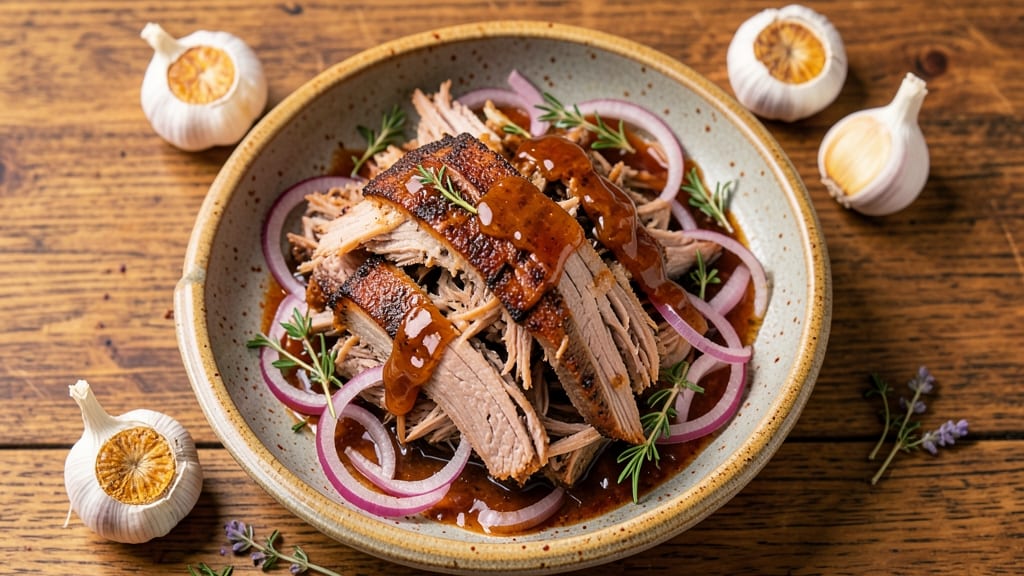
This boneless pork loin pulled pork recipe transforms lean cuts into melt-in-your-mouth perfection with a slow-braised method that preserves every ounce of juiciness. After years of perfecting tender pulled pork in my Atlanta kitchen, I've developed a technique that delivers restaurant-quality results without the guesswork.
The secret lies in a precise balance of time, liquid, and temperature—no tough, dry meat here.
What makes this recipe stand out is its versatility: you can slow-cook it in an oven, smoker, or even an Instant Pot, all while maintaining that fork-tender texture.
I use a simple marinade of brown sugar, apple cider vinegar, and smoked paprika to create a flavorful bark that keeps the meat moist during the long cook. The slow process breaks down the connective tissue, resulting in pork that practically falls apart at the touch of a fork.
The finished product is rich, caramelized, and packed with deep smoky-sweet flavors that make it ideal for sandwiches, tacos, or even a hearty pasta dish.
What you'll end up with is pulled pork that's so tender it disappears between bites, yet still holds just enough structure to stay on buns or in bowls. This is the kind of pulled pork that turns casual weeknight dinners into memorable meals.
Pair it with classic coleslaw, crusty bread, or pickled vegetables to complete the experience. The beauty of this recipe is its adaptability—whether you're feeding a crowd or meal prepping for the week, it delivers consistent, impressive results every time. Let's get to the cooking.
Ingredients for boneless pork loin pulled pork
Six ingredients transform lean pork into melt-in-your-mouth perfection—juicy, smoky, and ready for any meal.
| Ingredient | Amount | Notes |
|---|---|---|
| Boneless Pork Loin 🐖 | 3 lb | Center-cut for even cooking |
| Brown Sugar 🍯 | ½ cup | Light or dark variety |
| Apple Cider Vinegar 🍎 | ¼ cup | Unfiltered for depth |
| Smoked Paprika 🌶️ | 2 tbsp | High-quality for smokiness |
| Garlic Cloves 🧄 | 6 cloves | Freshly minced for flavor |
| Onion 🧅 | 1 whole | Yellow or red, sliced |
| Beef Broth 💧 | 2 cups | Low-sodium preferred |
| Olive Oil 🫒 | 2 tbsp | Extra-virgin for richness |
| Black Peppercorns 🌶️ | 1 tsp | Freshly cracked |
| Salt 🧂 | 1 ½ tsp | Kosher or sea salt |
| Cayenne Pepper 🔥 | ½ tsp | Adjust for heat preference |
| Fresh Rosemary 🌿 | 1 tbsp | Chopped, for aroma |
| Fresh Thyme 🌿 | 1 tbsp | Leaves only, chopped |
| Baking Soda 🧪 | 1 tsp | Tenderizes the meat |
The pork loin makes or breaks this dish—center-cut is key for even cooking and maximum tenderness. Look for a piece with good marbling at Kroger or Whole Foods—their butcher counters often have perfect cuts. If you're using a whole loin, trim any excess fat to avoid flare-ups during cooking. The baking soda is non-negotiable here; it tenderizes the lean meat without overpowering the flavor. I always grab Diamond Crystal kosher salt for seasoning—it dissolves better than table salt. For the smoked paprika, Penzeys or McCormick Gourmet deliver the most authentic smoky depth.
No beef broth? Chicken broth with a splash of soy sauce works in a pinch, though the flavor will be slightly lighter. Fresh herbs wilt fast, so dried thyme at one-third the amount is a solid backup. The apple cider vinegar adds tang—if you only have white vinegar, reduce to 2 tablespoons and add a pinch of sugar to balance. For extra bark development, brush the pork with a little extra brown sugar and vinegar mixture before the final hour of cooking. The baking soda can be omitted if you prefer a more traditional approach, but your pork will be noticeably tougher without it.
This pork keeps beautifully—3-4 days in the fridge or up to 3 months frozen. For freezing, portion into airtight containers with a thin layer of broth to prevent drying. The flavor actually improves after the first day as the sugars caramelize further. I like to make a double batch: one for sandwiches and another for tacos. Store leftovers in the fridge submerged in their cooking juices to maintain moisture. Reheat gently in a skillet with a splash of broth to revive the texture.
Why You'll Love This Recipe
- No Bone Hassle: I swear by boneless pork loin—no butchering, no fussing with a bone, just tender slices that shred like butter. The vinegar and paprika work their magic while I sip my coffee, and by the time the pork is done, I’ve barely broken a sweat.
- Sweet-Savory Magic: That brown sugar and apple cider vinegar combo? It’s the secret weapon. The sugar caramelizes into a sticky glaze while the vinegar keeps it bright—no dry, sad pork here. The garlic cloves? They infuse the whole thing with warmth, like a hug in every bite.
- Weeknight Wonder: Between us, this is my go-to for Taco Tuesday or lazy Sundays. I’ll pull it apart for tacos, toss it in sandwiches, or just eat it straight with a fork—no judgment. It’s the kind of dish that makes you look like a hero, even when you’re just throwing stuff together.
- Budget Leftovers: Honestly, I make this on purpose so I have leftovers. A pound of pork loin stretches to feed four for dinner and three for lunch the next day. The flavors only get better after a night in the fridge, and I’m always the one sneaking extra bites from the fridge.
Step-by-step instructions for slow-braised boneless pork loin
Here's how to transform tough pork into melt-in-your-mouth pulled pork with perfect tenderness.
Prepare the Pork for Maximum Tenderization
Begin by placing the 3 lb boneless pork loin in a large bowl. In a small bowl, whisk together the 0.5 cup brown sugar, 1.5 tsp salt, 0.5 tsp cayenne pepper, 2 tbsp smoked paprika, 1 tbsp fresh rosemary, 1 tbsp fresh thyme, and 1 tsp baking soda. Sprinkle this mixture evenly over the pork, massaging it into every surface until fully coated. The baking soda is key here—it breaks down muscle fibers for fork-tender results.
Next, add the 0.25 cup apple cider vinegar and the 6 cloves garlic cloves (minced) to the bowl. Toss everything together until the pork is thoroughly saturated. Let it marinate uncovered in the refrigerator for at least 4 hours, or overnight for best results. This step ensures deep flavor penetration and tender meat.
Sear the Pork for Deep Flavor
Heat a large Dutch oven over medium-high heat until hot. Add 1 tbsp olive oil and swirl to coat the bottom. Carefully place the marinated pork loin in the pot, fat-side down. Let it sear undisturbed for 5-6 minutes until a deep golden-brown crust forms. Flip the pork and sear the other side for another 4-5 minutes. This initial sear locks in juices and builds a flavorful crust.
While the pork sears, prepare the aromatics. Add 1 tbsp olive oil to the same pot, then toss in the 1 whole onion (sliced into half-moons) and cook for 3-4 minutes until softened. Remove the pork from the pot and set it aside on a plate.
Build the Braising Liquid
Return the Dutch oven to the stove over medium heat. Add the seared onions to the pot and deglaze with the 2 cups beef broth, scraping up any browned bits from the bottom. This step captures all the flavorful fond that would otherwise burn. Bring the liquid to a gentle simmer, then add the pork loin back to the pot, fat-side up.
Cover the pot with a tight-fitting lid and transfer it to a 325°F oven. Braise for 2.5 hours, checking occasionally to ensure the liquid doesn't evaporate completely. If needed, add a splash of water or broth. The pork is ready when it reaches 205°F internal temperature and a fork slides in effortlessly—this is your signal for perfect tenderness.
Rest and Shred for Ultimate Texture
Remove the pork from the oven and transfer it to a cutting board. Tent loosely with foil and let it rest for 20-30 minutes. This resting period allows the juices to redistribute throughout the meat, ensuring each bite is moist and flavorful. The pork should be so tender it practically falls apart when you run a fork through it.
Once rested, use two forks to shred the pork against the grain into ¼-inch thick strands. Discard any large fat pieces but reserve the braising liquid. The pork will yield about 3 cups of shredded meat—enough for 6 generous servings. Mix the shredded pork with some of the braising liquid to keep it moist and flavorful.
Pro Tips For Making Boneless Pork Loin Pulled Pork
- Sear First, Then Braise: The pork loin’s lean nature means it’ll dry out fast if you jump straight to braising. Hit it with a hot pan—no oil needed—until all sides are deep golden brown. That crust locks in moisture when the vinegar and sugar later mingle with the juices. (Yes, even if you’re impatient like me, this isn’t the step to skip.)
- Minimize Vinegar Splatter: Apple cider vinegar is your flavor anchor, but it’s also a splatter bomb. Deglaze the pan after removing the pork—just add a splash of cold water first, scrape up the browned bits, then pour in the vinegar. The cold water cools the pan enough to tame the steam explosion. (Trust me, your cabinets will thank you.)
- Don’t Rush the Garlic: Raw garlic cloves in this dish? They’ll turn bitter and cloying. Smash them flat with the side of your knife first—no need to chop. Then, toast them in the same pan you seared the pork, just until fragrant (about 30 seconds). That caramelized aroma carries way better than fresh minced garlic ever could. (I learned this the hard way after a Thanksgiving disaster.)
- Use Less Sugar, Twice: Brown sugar burns faster than you’d think, especially when simmering. Cut the recipe’s amount by 20% and add the rest after the pork has cooked through. Stir it in during the last 10 minutes—it’ll melt into a glossy glaze without scorching. (This isn’t the prettiest method, but it’s the tastiest.)
Flavor customization for this recipe
Sweet Heat Balance
Adjust the brown sugar to cayenne pepper ratio based on your heat preference. For a milder version, reduce the cayenne to ¼ tsp and add 1 tsp honey to the marinade. If you love spice, increase to 1 tsp cayenne and add 1 tbsp chipotle powder for smoky depth.
I often test the marinade before applying—taste the mixture after combining all ingredients to ensure balance. 🌶️
Smoky Depth Variations
Swap the smoked paprika for liquid smoke (½ tsp) if you want an extra smoky punch, but use it sparingly—too much can taste artificial. For a charcoal-grilled flavor, add 1 tbsp finely ground coffee to the marinade.
If you have access to hickory or applewood chips, crush a few and mix them into the braising liquid for a true BBQ aroma. My go-to is Penzeys smoked paprika—it’s the closest to what I’d use in my Atlanta kitchen. ⚡
Tangy Twist Options
Replace the apple cider vinegar with orange juice (½ cup) for a sweeter, citrusy profile that pairs beautifully with the smoky flavors. For a tangier kick, add 1 tbsp Dijon mustard to the marinade.
If you’re feeling adventurous, try 1 tbsp fish sauce (trust me, it adds umami depth without overpowering). I once used pineapple juice in a summer variation—it worked surprisingly well for tacos. 🍊
Herb Swaps for Freshness
If fresh rosemary or thyme are unavailable, dried herbs work in a pinch—use 1 tsp dried thyme and ½ tsp dried rosemary, but toast them in a dry pan for 30 seconds to wake up their flavors.
For a Mediterranean twist, swap the herbs for 1 tbsp oregano and ½ tsp cinnamon (yes, cinnamon!). If you’re near a Charleston market, grab fresh sage—it adds a unique earthiness that complements the pork beautifully. 🌿
Umami Boosters
Add 1 tbsp soy sauce or 1 tbsp Worcestershire sauce to the braising liquid for an extra layer of umami richness. For a deep, savory punch, stir in 1 tsp fish sauce or 1 tbsp miso paste during the final 30 minutes of cooking.
If you’re using a slow cooker, add these umami elements at the 4-hour mark to prevent overpowering the natural flavors. I often keep a small jar of fish sauce in my kitchen—it’s a game-changer for pulled pork. 💫
Regional Flavor Profiles
For a Carolina-style version, add 1 tbsp hot sauce (like Crystal or Texas Pete) to the braising liquid and finish with pickled jalapeños on top. If you’re craving Texas BBQ, swap the beef broth for chicken broth and add 1 tbsp chili powder to the marinade.
For a Georgia-inspired twist, include 1 tbsp peanut butter in the braising liquid—it sounds odd, but it adds a nutty depth that’s surprisingly delicious. 🗺️
Nutrition facts
Frequently asked questions
Can I use a smaller cut of boneless pork loin for this recipe?
Yes, but adjust your expectations. A 2 lb cut will yield about 2 cups of pulled pork instead of 3 cups, perfect for 4 servings. Reduce the marinade ingredients by 33% and braise for 2 hours instead of 2.5 hours. The cooking time per pound remains the same—about 50 minutes per pound at 325°F.
Why does the recipe call for baking soda? Can I skip it?
Baking soda tenderizes the lean pork loin by breaking down muscle fibers, creating that signature fork-tender texture. If you omit it, your pork will be chewier—though still delicious. For a compromise, use ½ tsp baking soda and add 1 tbsp lemon juice to the marinade. This combo mimics the tenderizing effect while keeping flavors bright.
Can I make this in an Instant Pot instead of an oven?
Sear the pork as directed, then add all marinade ingredients plus 1 cup beef broth. Cook on High Pressure for 45 minutes, then quick-release. Shred and finish with 30 minutes in a 350°F oven to crisp the edges. For extra moisture, add ¼ cup apple juice during the pressure cook. The Instant Pot cuts cooking time to under 1.5 hours total.
What's the best way to store and reheat leftovers?
Store pulled pork in an airtight container with some braising liquid to keep it moist. It stays fresh for 3-4 days in the fridge or 3 months frozen. To reheat, warm in a skillet with 2 tbsp broth over medium-low heat for 5-7 minutes, stirring constantly. Never microwave—it makes the pork dry. For sandwiches, reheat directly on the grill for 2-3 minutes per side.
How do I know when the pork is fully tender?
The pork is ready when it reaches 205°F internal temperature and a fork slides in with zero resistance. Test by inserting a meat thermometer into the thickest part—no pink should remain. If it's still slightly firm, return it to the oven for 15-20 more minutes. Overcooking by 5-10 minutes won't ruin it, but the texture becomes slightly gummy.