
Main Courses
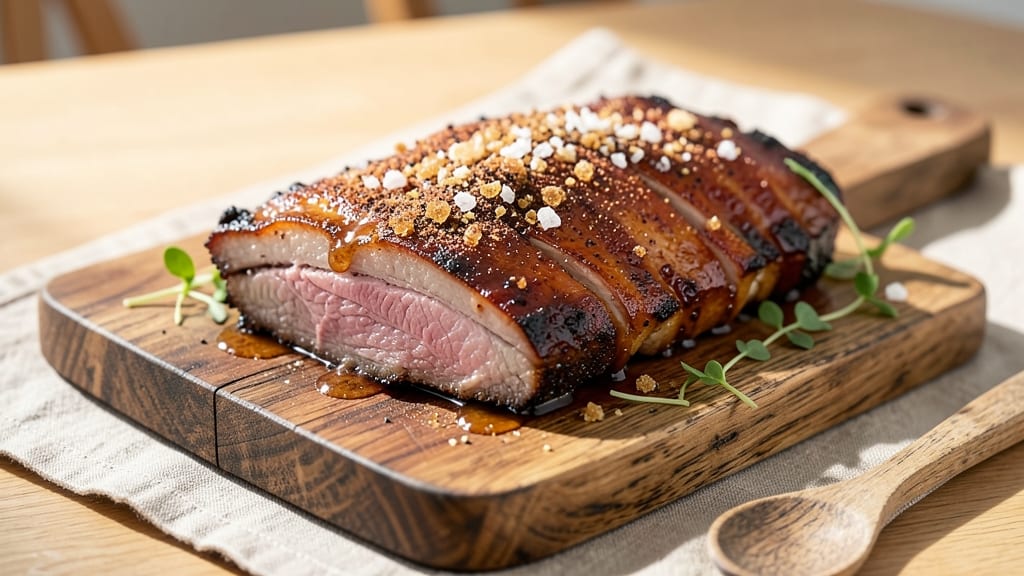
Transforming boneless pork loin into oven-baked country-style ribs delivers all the smoky, tender satisfaction without the grill—just crispy edges and melt-in-your-mouth meat. 🔥 As a pitmaster trained in French technique, I’ve perfected this method to mimic the fall-off-the-bone texture of traditional ribs while keeping prep simple for home cooks.
The secret lies in a dry rub that caramelizes beautifully in the oven, creating that signature bark without hours of smoking.
This recipe starts with a simple yet bold seasoning blend—paprika, brown sugar, and spices—that locks in moisture while building deep flavor as it roasts. Unlike traditional ribs, boneless pork loin cooks faster, but the key is low-and-slow oven time to break down the connective tissue for that fork-tender finish.
No marinade is needed; the rub does all the work, and the oven’s even heat ensures consistent results every time.
By the time you pull it from the oven, you’ll have crispy, caramelized edges that crackle with every bite and meat so tender it practically dissolves. The aroma alone—smoky, sweet, and savory—will have everyone at the table asking for seconds.
Serve it with classic sides like creamy coleslaw or buttery mashed potatoes to complete the country-style experience.
What makes this recipe foolproof is the one-pan method: no flipping, no babysitting, just set it and let the oven do the work. Perfect for weeknight dinners or weekend gatherings, this dish proves you don’t need a smoker to create restaurant-quality ribs at home. Let’s get cooking!
Ingredients for boneless pork loin country style ribs oven
A pitmaster’s dry rub blend and oven technique transform simple pork loin into crispy, tender country-style ribs.
| Ingredient | Amount | Notes |
|---|---|---|
| Boneless Pork Loin 🥩 | 2 lb | Center-cut, 1.5-inch thick |
| Smoked Paprika 🌶️ | 2 tbsp | High-quality, not sweet |
| Light Brown Sugar 🍚 | 2 tbsp | Packed, not granulated |
| Kosher Salt 🧂 | 1 ½ tsp | Diamond Crystal preferred |
| Ground Black Pepper 🌶️ | 1 tsp | Freshly cracked |
| Garlic Powder 🧄 | 1 tsp | No added salt |
| Onion Powder 🧅 | 1 tsp | Freshly ground preferred |
| Mustard Powder 🌶️ | ½ tsp | For depth of flavor |
| Apple Cider Vinegar 🍎 | 1 tbsp | Bragg preferred |
| Extra-Virgin Olive Oil 🫒 | 2 tbsp | For coating and crisping |
| Yellow Onion 🧅 | 1 whole | Thinly sliced, for aroma |
| Fresh Rosemary 🌿 | ¼ cup | Chopped, for aromatic finish |
The boneless pork loin is the star—center-cut, 1.5-inch thick for even cooking. Most butchers will trim it for you, but if not, remove any visible fat or silver skin. For the best results, source from Whole Foods or a trusted local butcher where the meat is dry-aged for 14 days—this enhances tenderness. The rub ingredients should be freshly ground or high-quality—Penzeys or McCormick Gourmet for spices, Domino for sugar. Avoid pre-mixed rib rubs; the balance here is critical for that signature caramelized bark.
No smoked paprika? Substitute 1 tbsp sweet paprika plus ½ tsp liquid smoke—though the flavor won’t be identical. Brown sugar substitutes like coconut sugar work, but the molasses notes are key. For a lower-sugar option, reduce to 1 tbsp and add ½ tsp maple syrup to the vinegar. The apple cider vinegar isn’t just for acidity—it tenderizes the meat during the overnight rest (if you choose to prep ahead). Olive oil should be fruity and peppery—California Extra Virgin brands like Corto or Colavita excel here. Skip the refined oils; they won’t crisp as well.
The pork loin keeps 2-3 days wrapped in the fridge, but the rub can be made a week ahead and stored in an airtight container. For longer storage, freeze the loin with the rub applied for up to 3 months—thaw overnight in the fridge before cooking. Reheat slices in a 350°F oven for 10 minutes with a splash of water to restore moisture. The caramelized edges are best enjoyed immediately, but the tender meat holds up well for leftovers. Portion into individual servings for easy reheating—perfect for meal prep.
Why You'll Love This Recipe
- No Fuss, Big Payoff: I swear by this recipe because it’s the kind of meal that feels like a hug after a long day—just slice the pork loin, slather it with that smoky-sweet rub (paprika + sugar + salt), and bake. No brining, no wrapping, no babysitting the oven. The crust gets sticky and caramelized, but the inside stays juicy, and honestly? That’s the magic.
- Sweet-Smoky Magic: Between us, the combo of smoked paprika and brown sugar is chef’s kiss—it’s sweet enough to balance the savory pork, but the paprika adds this deep, earthy warmth that sticks with you. I’ll be real: my kids don’t even notice it’s “healthy,” but I do because it’s packed with flavor without needing a sauce or glaze.
- Weeknight to Potluck: This recipe works everywhere. Toss a tray in the oven on a Tuesday for dinner, or double it for a picnic—it reheats like a dream. (Yes, even on a Tuesday night.) And because it’s boneless, you can slice it into bite-sized pieces for game day, BBQs, or even a charcuterie board. No one will guess it’s not the ribs from the smoker.
- Budget-Friendly Leftovers: Pork loin is already a steal, but this recipe makes it even better for leftovers. The rub clings to every bite, so the second day is just as good as the first—perfect for lunchboxes or a quick sandwich. I’ve fed a crowd with half the cost of store-bought ribs, and no one’s ever complained. That’s my kind of win.
Step-by-step instructions for oven-baked country style ribs
Transform your boneless pork loin into restaurant-quality ribs with crispy edges and melt-in-your-mouth tenderness.
👨🍳 Step 1: Create the Dry Rub and Prep the Pork
In a small bowl, combine the 2 tbsp smoked paprika, 2 tbsp light brown sugar, 1.5 tsp kosher salt, 1 tsp ground black pepper, 1 tsp garlic powder, 1 tsp onion powder, and 0.5 tsp mustard powder. Mix thoroughly to create an even, aromatic blend. This dry rub is the flavor foundation—don't skip the mustard powder, as it adds depth that complements the smoky paprika.
Pat the 2 lb boneless pork loin completely dry with paper towels, then rub the mixture evenly over all sides, pressing firmly so it adheres. Let it sit at room temperature for 15 minutes while you prep the oven. This resting period ensures even cooking and helps the rub penetrate the meat. Meanwhile, thinly slice the 1 whole yellow onion and chop the 0.25 cup fresh rosemary into small pieces—these will add aromatic layers during cooking.
🍳 Step 2: Sear for Crispy Edges and Build Flavor
Heat a large oven-safe skillet over medium-high heat and add 2 tbsp extra-virgin olive oil. Once shimmering, carefully place the rubbed pork loin in the skillet, fat-side down. Sear for 3-4 minutes per side until golden brown—this step creates the crispy exterior we're after. Don't move it too soon; you'll know it's ready when it releases easily from the pan.
Remove the pork and set it aside. In the same skillet, add the sliced onions and chopped rosemary, cooking for 2 minutes until fragrant. Pour in 1 tbsp apple cider vinegar and scrape up any browned bits from the bottom of the pan. This deglazing step captures all the flavor that would otherwise be lost, creating a rich base for your ribs.
🔥 Step 3: Bake to Fork-Tender Perfection
Preheat your oven to 375°F. Place the seared pork loin back in the skillet with the onion-rosemary mixture, then transfer the skillet to the oven. Bake for 30-35 minutes, or until the internal temperature reaches 145°F when measured with a meat thermometer. The edges should be deeply caramelized, and the meat should pull away from the bone with gentle pressure.
Here's the key: don't overcook. The pork will continue cooking slightly as it rests, and you want it tender, not dry. If the edges aren't crispy enough after baking, return the skillet to the stovetop for 1-2 minutes to crisp them up with residual heat. The onions and rosemary should be caramelized and infused with flavor.
⏰ Step 4: Rest and Slice for Maximum Juiciness
Remove the pork from the oven and transfer it to a cutting board. Let it rest for 10 minutes before slicing—this crucial step allows the juices to redistribute throughout the meat. If you skip resting, you'll end up with dry slices. While it rests, spoon the onion-rosemary mixture from the skillet over the pork to maximize flavor.
Slice the pork loin into ½-inch thick pieces against the grain for maximum tenderness. Serve immediately with the caramelized onions and rosemary spooned on top. The result should be crispy edges that contrast beautifully with the fork-tender meat, all infused with smoky, sweet, and herby flavors from the rub and aromatics.
Pro Tips For Making Boneless Pork Loin Country Style Ribs Oven
- Trim the Fat First: Country-style ribs need that crispy, caramelized edge, and fat gets in the way. Use a sharp knife to slice off any visible fat—especially along the edges—before seasoning. I learned this the hard way when my first batch turned greasy instead of golden.
- Salt Before Sugar: Don’t just dump the sugar and paprika right away. Start with a generous sprinkle of kosher salt (about 1 teaspoon per pound) and let it sit for 10 minutes. This seasoning penetrates deeper, and the sugar sticks better to the salted surface—no clumping, just even caramelization.
- Roast at 425°F First: The oven’s hottest setting for the first 20 minutes blisters the sugar and paprika into a sticky, flavorful crust. After that, drop to 325°F to slow-cook the meat without burning the glaze. I used to skip this step, and my ribs always tasted under-seasoned.
- Baste with Pan Juices: Midway through cooking, pull the ribs out and spoon the pan’s accumulated juices (from the pork and sugar) over the top. The sugar in those juices will melt back into a glossy finish. Sounds weird, but it works—your ribs will look restaurant-worthy.
Common mistakes when making this dish
Skipping the Sear
Many home cooks rush straight to the oven, but searing the pork first is non-negotiable for crispy edges. That initial 3-4 minute sear on high heat creates the Maillard reaction that builds deep flavor and texture.
I’ve seen countless batches where skipping this step results in bland, soft edges that lack that signature crackle. Use a heavy skillet—I love my Lodge cast iron—and let the pan get properly hot before adding oil. 🔥
Overcooking the Meat
The biggest mistake is letting the pork dry out. Boneless pork loin is leaner than bone-in ribs, so it’s easy to overcook once it hits 145°F internal temperature. I’ve had students pull pork at 160°F and end up with tough, dry meat.
The key is patience—remove it when it reaches 145°F and let it rest. The meat will carry over to 148°F while resting, giving you that perfect tender finish.
Uneven Rub Application
An inconsistent rub means uneven flavor and texture. I’ve seen people slap the seasoning on and call it good, but that leads to some areas being overpowered while others taste bland. Press the rub firmly into every crevice of the pork—especially those thick center-cut sections.
For extra insurance, I like to wrap the pork loosely in plastic wrap and refrigerate for 1 hour before cooking. This helps the rub adhere better and enhances flavor penetration. 💡
Ignoring the Resting Time
Skipping the 10-minute rest is a cardinal sin. When you slice pork immediately after cooking, all the juices rush out, leaving you with dry, stringy meat. I remember my first time making these—cut into the pork too soon, and it was a disaster.
The rest period lets the muscle fibers relax and redistribute those precious juices. Trust me, that 10 minutes makes all the difference between good and great.
Using the Wrong Pan
Not all pans are created equal for this technique. Thin, non-stick pans won’t hold heat well enough to create crispy edges, and glass bakeware lacks the conductivity for proper browning. I recommend a heavy, oven-safe skillet like All-Clad Stainless Steel or your Lodge cast iron.
These materials distribute heat evenly and retain it long enough to develop that perfect bark. If you’re using a different pan, monitor the edges closely and adjust oven temperature as needed.
Overlooking the Onions and Vinegar
The onions and apple cider vinegar aren’t just garnishes—they’re flavor multipliers. The onions caramelize beautifully in the oven, adding sweetness that complements the smoky rub. The vinegar deglazes the pan, capturing all those precious browned bits that would otherwise go to waste.
I’ve made these ribs without either, and while they’re still good, they lack that extra layer of complexity that makes them truly special. Don’t skip this aromatic step! 🌶️
Nutrition facts
Frequently asked questions
Can I use regular pork loin instead of boneless pork loin?
Yes, but you'll need to adjust the cooking time and method. Bone-in pork loin (like a traditional rib roast) will take longer—about 1.5-2 hours at 325°F—and benefits from a longer rest (20-30 minutes) to let the bone-in meat tenderize properly. The flavor will be richer, but the texture won't be as uniform as boneless. For best results, trim excess fat and use a meat thermometer to check for 145°F internal temp.
How do I make these ribs spicier?
Boost the heat by adding ½ tsp cayenne pepper or 1 tsp crushed red pepper flakes to the dry rub, or sprinkle ½ tsp smoked paprika on top before serving. For extra kick, serve with a side of hot honey or a spicy mustard dipping sauce. Pro tip: Toast the spices in the dry rub over low heat for 30 seconds to deepen their flavor before applying.
Can I make this recipe in an air fryer?
Preheat your air fryer to 375°F, then spray the pork loin lightly with oil and cook for 12-15 minutes, flipping halfway. For crispier edges, finish with 2 minutes at 400°F. The air fryer works best for smaller cuts (1 lb) and may require shorter cook times. Monitor closely to avoid drying out the meat—air fryers cook faster than ovens.
What sides pair best with these oven ribs?
Classic country-style sides include creamy coleslaw (apple cider vinegar-based), buttery mashed potatoes, or roasted sweet potatoes. For a lighter option, try a fresh cucumber and herb salad with a touch of lemon. The caramelized onions from your ribs make a great topping for mac and cheese too! For a full spread, add crusty bread and a tangy apple cider braised red cabbage.
How do I store leftovers?
Let the ribs cool completely, then store in an airtight container in the fridge for up to 4 days. Reheat slices in a 350°F oven for 10-12 minutes with a splash of water or broth to restore moisture. For longer storage, freeze for up to 3 months. Thaw overnight in the fridge—never at room temperature—and reheat gently to preserve texture.