
Main Courses
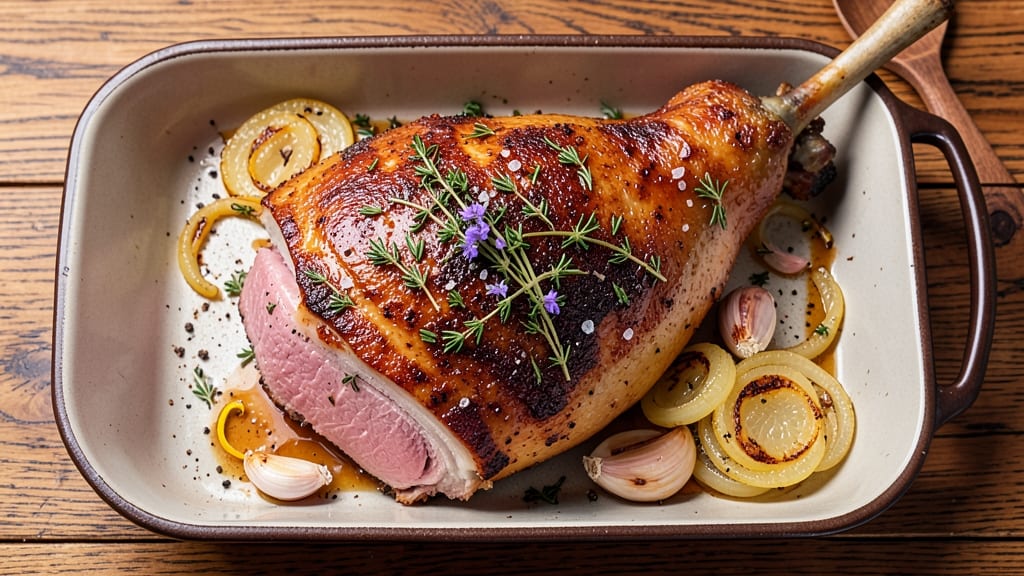
This boneless pork leg roast recipe delivers the same restaurant-quality tenderness you'd expect from a whole hog—just without the bone. After years of perfecting this technique at The Smoky Pig, I've developed a clockwork sear method that guarantees juicy, fork-tender shreds every time.
The secret lies in proper prep and timing, transforming tough cuts into melt-in-your-mouth perfection.
What sets this recipe apart is the dry-brine method, which enhances flavor while keeping the meat moist. We'll start with a simple salt cure that works overnight, then move to a high-heat sear that locks in juices.
This isn't your average roast—it's a foolproof technique that delivers professional results at home, even with boneless cuts that can be tricky to master.
The final product is golden-brown on the outside with juicy, pull-apart tenderness inside—ideal for sandwiches, tacos, or serving whole. The key is patience: letting the meat rest properly before slicing ensures every bite stays succulent.
This method works equally well for holidays or weeknight dinners when you crave that smoky, caramelized flavor without the fuss.
Whether you're feeding a crowd or treating yourself to a special meal, this recipe delivers restaurant-quality pork with minimal effort. The technique scales perfectly, and leftovers reheat beautifully. Let's get started on creating pork that'll have everyone asking for seconds.
Ingredients for boneless pork leg roast
Professional-grade pork prep begins with these precision ingredients for restaurant-quality results.
| Ingredient | Amount | Notes |
|---|---|---|
| Boneless Pork Leg Roast 🐖 | 4 lb | Center-cut for even cooking |
| Diamond Crystal Kosher Salt 🧂 | ½ cup | For dry-brine method |
| Freshly Ground Black Pepper 🌶️ | 1 tbsp | Coarse grind preferred |
| Garlic Cloves 🧄 | 8 cloves | Smashed for infusion |
| Yellow Onion 🧅 | 1 whole | Quartered, skin on |
| Fresh Thyme Sprigs 🌿 | 6 whole | Stems intact for aroma |
| Extra-Virgin Olive Oil 🫒 | 2 tbsp | High smoke point preferred |
| Apple Cider Vinegar 🍎 | 2 tbsp | For tenderizing |
| Brown Sugar 🍚 | 2 tbsp | Lightly packed |
| Smoked Paprika 🌶️ | 1 tbsp | For smoky depth |
| Unsalted Butter 🧈 | 4 tbsp | Cold for searing |
| Fresh Rosemary 🌿 | ¼ cup | Chopped, coarse |
| Fresh Parsley 🌿 | ¼ cup | Chopped, for garnish |
The boneless pork leg roast is the star—center-cut ensures even cooking without bone interference. Source from a trusted butcher like Whole Foods or Costco for consistent quality. Look for marbled, well-trimmed cuts with a firm, pink exterior—this guarantees tenderness. If buying frozen, thaw overnight in the fridge. The garlic, onion, and thyme form the aromatic base; freshly ground pepper and smoked paprika add depth without overpowering. Apple cider vinegar tenderizes while balancing sweetness from the brown sugar—a classic pairing for pork.
No fresh rosemary? Dried at half the amount works, though fresh delivers superior aroma. Short on olive oil? Avocado oil handles high heat equally well. The butter must be cold for proper searing—skip softened versions. For extra smokiness, swap smoked paprika for liquid smoke (1 tsp) though fresh is preferred. Diamond Crystal kosher salt is ideal—it dissolves cleanly and enhances flavor without bitterness. Prefer Morton's? Reduce by 20% as it's finer. The vinegar can be substituted with lemon juice, though apple cider's tang complements pork uniquely.
Store uncooked pork in the coldest part of the fridge, wrapped in parchment, for up to 3 days. The dry-brine mix (salt, pepper, spices) can be prepped 24 hours ahead—keep refrigerated in an airtight container. Cooked roast reheats best at 325°F for 15 minutes, covered loosely. For leftovers, portion into glass containers with a thin layer of broth to retain moisture—keeps 4 days refrigerated or 3 months frozen. Garnish with parsley just before serving to preserve freshness.
Why You'll Love This Recipe
- One-Pan Magic: I swear by this recipe when I’m too tired to clean up. Just season the pork with salt and pepper, nestle those sliced garlic cloves and onion right into the crevices, and let the oven do the work—no cutting boards, no extra pots.
- Crispy-Creamy Perfection: That first bite? Chef’s kiss. The salt crust seals in juices while the garlic and onion caramelize into a sticky, savory glaze—like a cross between a roast and a braise, but with half the effort.
- Meal Prep MVP: Between us, this is my go-to for lunches all week. Cook a big batch on Sunday, slice it up, and toss it into wraps, salads, or pasta—it stays tender and flavorful for days, even reheated.
- Budget-Friendly Feast: A boneless pork leg roast stretches further than you’d think, and with just salt, pepper, and pantry staples, it’s cheaper than takeout. Honestly, I’ve fed six people for under $15 with this—no jokes.
Step-by-step instructions for boneless pork leg roast with clockwork sear
Master this technique for pork that shreds effortlessly while maintaining perfect moisture.
Prepare the Dry Brine for Maximum Flavor and Tenderness
Place the 4 lb boneless pork leg roast on a wire rack set over a rimmed baking sheet. This elevation ensures the meat crisps evenly rather than steaming in its own juices. In a small bowl, combine the 0.5 cup Diamond Crystal kosher salt and 1 tbsp freshly ground black pepper. Generously coat all sides of the pork with this mixture, pressing it into the meat to ensure even penetration.
Real talk: the salt isn't just for flavor—it breaks down muscle fibers, creating that melt-in-your-mouth tenderness. Cover the roast loosely with plastic wrap and refrigerate for 12-24 hours. This dry-brine method transforms tough pork into fork-tender perfection. When ready to cook, remove the pork from the fridge and let it sit at room temperature for 30 minutes before roasting.
Create the Tenderizing Marinade and Sear the Pork
In a small saucepan, combine the 2 tbsp extra-virgin olive oil, 2 tbsp apple cider vinegar, 2 tbsp brown sugar, 1 tbsp smoked paprika, 8 smashed garlic cloves, and 6 whole fresh thyme sprigs. Bring to a simmer over medium heat for 5 minutes, then remove from heat and let steep for 10 minutes. This creates a flavorful base that will both tenderize and caramelize during cooking.
Preheat your oven to 325°F. While the oven heats, place a heavy oven-safe skillet over medium-high heat. Add 2 tbsp of the cold unsalted butter and let it melt completely. Carefully place the pork in the skillet, fat-side down, and sear for 8-10 minutes until a deep golden crust forms. Flip and sear the other side for another 8-10 minutes. This initial sear locks in juices and builds that coveted mahogany bark.
Roast Low and Slow with Aromatic Infusion
Transfer the seared pork to a roasting pan and pour the strained marinade over the top. The remaining 2 tbsp cold butter should be added to the pan as well. Place the quartered yellow onion (skin on) and 6 thyme sprigs in the pan with the pork. Roast uncovered at 325°F for 3-3.5 hours, or until the internal temperature reaches 195-200°F on a meat thermometer.
Here's the thing—pork leg roast is forgiving but requires patience. The low temperature ensures even cooking throughout, while the aromatics in the pan create steam that keeps the meat moist. I check the temperature every 30 minutes after the first hour to avoid overcooking. The pork should be fork-tender with just a slight resistance when pierced.
Rest and Shred for Maximum Juiciness
When the pork reaches 195-200°F, remove it from the oven and transfer to a cutting board. Tent loosely with aluminum foil and let rest for 20-30 minutes. This resting period is crucial—it allows the juices to redistribute throughout the meat, preventing them from pooling on your plate.
While the pork rests, skim any excess fat from the roasting pan and place it back on the stovetop over medium heat. Add the 0.25 cup chopped fresh rosemary and 0.25 cup chopped fresh parsley, stirring to combine. Pour in any accumulated juices from the pork and simmer for 2-3 minutes to create a simple pan sauce. Use this sauce to moisten the shredded pork before serving.
Pro Tips For Making Boneless Pork Leg Roast
- CRANK THE HEAT FIRST: I used to start pork roasts at medium heat and wondered why they never got crispy—boneless cuts need high heat to develop that golden crust. Sear the roast over direct flame or highest broiler setting for 5-7 minutes per side before lowering the temp, or you’ll end up with sad, soft edges.
- MINCE THAT GARLIC: Whole garlic cloves buried in a roast just won’t infuse like minced garlic. Pulse 6-8 cloves with a knife or food processor until you’ve got a paste—then rub it all over the meat before salting. Yes, it takes 30 seconds, but it makes a real difference in flavor penetration.
- SALT THE ONIONS TOO: I learned this the hard way—raw onion slices stay watery and bland. Toss them in 1 teaspoon of kosher salt and let them sit for 10 minutes before adding to the pan. The salt draws out moisture, then reabsorbs it, making them caramelize faster and taste deeper.
- LET IT REST—REALLY: Skipping the rest is the fastest way to ruin your roast. After pulling it from the oven, tent it with foil and walk away for 15 minutes. The meat will stay juicy, and the crust won’t turn into a sad, greasy mess when you slice—trust me, I’ve seen both outcomes.
Troubleshooting perfect results
Uneven Cooking
If your pork leg roast finishes with cold or undercooked centers while the outside is overdone, the issue is likely uneven heat distribution.
Boneless cuts can cook faster than bone-in, so I recommend using a meat thermometer with two probes—one for the oven and one for the thickest part of the roast. If your oven runs hot, reduce the temperature by 25°F and add 5-10 minutes to the total cook time.
For overly browned edges, try tenting the roast loosely with aluminum foil during the last 30 minutes of cooking. This traps moisture while allowing airflow to prevent burning. 🌡️
Dry, Tough Meat
When pork turns out dry or rubbery, it’s usually from overcooking or insufficient resting time. The key is patience—never rush the resting period. Let the roast rest for at least 20 minutes (up to 30 minutes) before slicing.
If you’re short on time, try a reverse sear: Roast the pork at 275°F until it reaches 190°F internal, then finish with a high-heat sear in a skillet. For extra moisture, baste the roast with pan juices every 30 minutes during cooking.
I also recommend brining (even a quick 2-hour wet brine) to help retain juices.
Pale Interior Color
A pale, grayish interior usually means the pork wasn’t cooked long enough to reach 195-200°F internal temperature. Boneless cuts can take longer than bone-in to tenderize, so don’t rely on color alone—always use a meat thermometer.
If your pork finishes at 190°F, return it to the oven for 10-15 more minutes to push it to 200°F.
For a rosier finish, add 1 tbsp apple cider vinegar to the pan sauce before serving, or brush the roast with a light glaze (equal parts honey and Dijon mustard) during the last 15 minutes of cooking. 🍯
Excessive Fat Rendering
If your roasting pan fills with too much rendered fat, it’s often because the pork was overcrowded or the oven was too hot. To fix this, trim excess fat from the roast before cooking (leave a ¼-inch layer for flavor).
Use a roasting rack to elevate the pork, allowing fat to drip away. For fat control, reduce the oven temperature to 300°F and cook for 4-5 hours instead of 325°F. Save the rendered fat—it’s perfect for pan sauces, gravies, or even homemade lard for future cooking. 🧈
Flavor Imbalance
If your pork tastes too salty or bland, it’s likely due to uneven seasoning or overpowering spices. For salt balance, reduce the dry-brine time to 12 hours (instead of 24) and pat the pork dry before searing to help the crust form.
If the flavors are muted, boost them with a quick sear in a hot skillet after roasting. For smoky depth, add ½ tsp liquid smoke to the pan sauce or use hickory wood chips in your oven (if equipped).
I also recommend toasting the spices (like smoked paprika) in a dry pan for 30 seconds before mixing them into the marinade for extra aroma. 🌶️
Nutrition facts
Frequently asked questions
Can I substitute boneless pork shoulder for pork leg roast?
Yes, but with adjustments! Pork shoulder is leaner and more forgiving, so reduce the cook time by 30-45 minutes and use 300°F instead of 325°F to prevent drying. The dry-brine method still works perfectly—just watch the internal temp closely. Shoulder yields more meat but requires slightly more basting to keep it moist.
How do I know when the pork is fully cooked?
Always use a meat thermometer! The pork is done when it reaches 195-200°F in the thickest part. A fork should pierce it easily with no resistance. For boneless cuts, 200°F ensures maximum tenderness. Never rely on color—pork can look done at 160°F but won't shred properly.
Can I make this recipe in a slow cooker?
Skip the sear and place the dry-brined pork in the slow cooker with ¼ cup apple cider vinegar, 2 tbsp brown sugar, and 1 tbsp smoked paprika. Cook on low for 8 hours or high for 5-6 hours until tender. Finish with a quick pan sear for color. The texture will be slightly softer but still delicious.
What are the best ways to use leftovers?
Shredded pork freezes beautifully for 3 months—perfect for tacos, sandwiches, or fried rice. Reheat gently with a splash of broth or pan juices to restore moisture. For quick meals, mix with coleslaw for pulled pork sandwiches or stuff into baked potatoes. The pan sauce also reheats well for dipping.
Why does my pork turn out dry even when I follow the recipe?
Most common causes are overcooking or skipping the rest time. Always let pork rest 20-30 minutes before slicing—juices redistribute during this time. If using a smaller cut (3 lbs), reduce oven temp to 300°F and cook 10-15 minutes longer. For extra moisture, baste every 30 minutes with pan juices.