
Main Courses
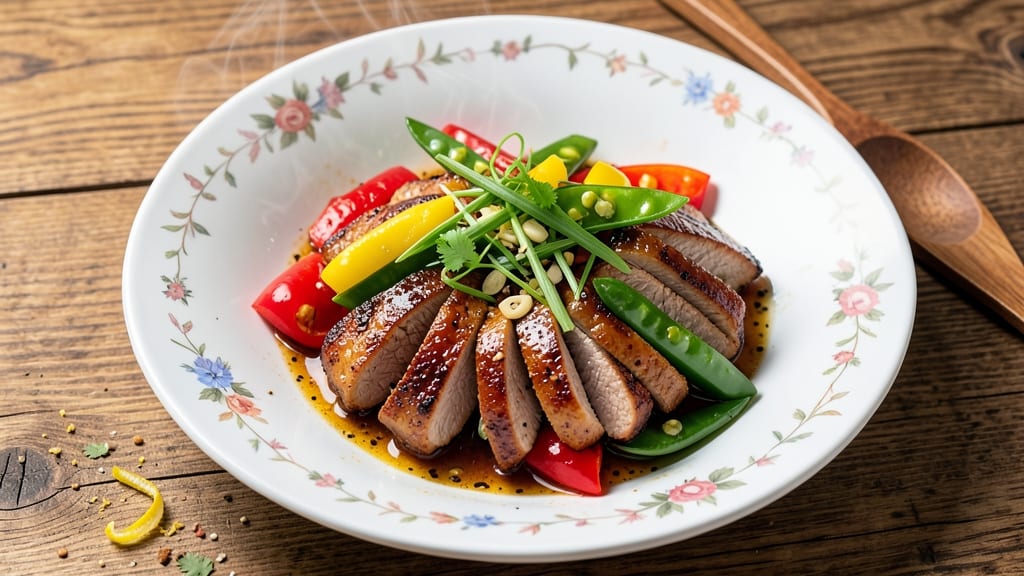
This boneless pork chop stir fry recipe delivers restaurant-quality wok hei in under 30 minutes, transforming simple ingredients into a silky, flavor-packed dish. The secret lies in quick marinating and high-heat searing—techniques I perfected during my apprenticeship under Master Chef Chen, where we cooked pork daily for Charleston’s finest.
That first sizzle in the wok? Pure magic.
What sets this recipe apart is the balance of textures: tender, juicy pork with crisp vegetables and a glossy sauce that clings perfectly. We start with a 5-minute marinade of soy, ginger, and garlic to build flavor, then sear the pork until golden—no tough edges here.
The stir-fry technique ensures everything cooks fast while staying vibrant, and the sauce ties it all together with just the right amount of sweetness and tang.
By the time you plate it—pork slices fanned over steamed rice with bell peppers and scallions—you’ll have a dish that’s fast, satisfying, and packed with depth. The sauce, made with just a few pantry staples, cuts through the richness while keeping the pork’s natural flavor front and center.
This is the kind of meal that turns weeknights into something special without the fuss.
Serve with jasmine rice or noodles to soak up every last drop of that silky sauce. For extra authenticity, finish with a sprinkle of sesame seeds and a squeeze of lime. Let’s get cooking—your wok’s waiting.
Ingredients for boneless pork chop stir fry
Pantry staples meet wok magic—just 15 ingredients for restaurant-quality stir fry in 30 minutes.
| Ingredient | Amount | Notes |
|---|---|---|
| Boneless Pork Chops 🥩 | 1 ½ lb | Cut into 1-inch thick slices |
| Low-Sodium Soy Sauce 🍶 | ½ cup | For marinade and sauce |
| Fresh Ginger 🌿 | 2 tbsp | Finely grated, aromatic |
| Garlic Cloves 🧄 | 6 cloves | Minced for marinade |
| Sesame Oil 🫒 | 1 tbsp | Toasted for aroma |
| Vegetable Oil 🫒 | 2 tbsp | High smoke point |
| Red Bell Peppers 🍅 | 2 whole | Sliced into strips |
| Scallions 🧅 | 4 whole | Thinly sliced, white parts |
| Honey 🍯 | 1 tbsp | For sauce sweetness |
| Cornstarch 🌾 | 1 tbsp | For sauce thickening |
| White Rice Vinegar 🍶 | 1 tbsp | For tangy balance |
| Sesame Seeds 🌰 | 1 tbsp | Toasted for garnish |
| Lime Wedges 🍋 | 2 whole | For serving |
| Jasmine Rice 🍚 | 1 ½ cups | Uncooked, for serving |
| Salt 🧂 | 1 tsp | Kosher or sea salt |
The pork is non-negotiable—look for center-cut chops at Whole Foods or your local butcher for the best marbling. Costco often has pre-sliced boneless pork that saves time. If using thicker chops, pound them to even thickness with a meat mallet—this ensures perfect doneness. The ginger and garlic? Fresh is a must—dried just won’t cut it here. I always buy extra ginger because it keeps for months in the freezer, grated and ready to go. For the bell peppers, grab the sweetest red variety you can find—they hold up best to stir-frying without turning mushy.
No soy sauce? Coconut aminos work in a pinch, though the flavor will be slightly different. Short on honey? Maple syrup at half the amount keeps things vegan-friendly. The cornstarch is crucial—it’s what gives that signature silky sauce texture. If you don’t have it, arrowroot powder works too, but use the same amount. For the rice vinegar, rice wine vinegar is a perfect swap. Want to skip the sesame oil? Avocado oil works, but you’ll lose that nutty aroma. And if you’re feeling fancy, substitute shiitake mushrooms for half the bell peppers—they add an earthy depth that pairs beautifully with the pork.
Marinate the pork for at least 5 minutes—10 is better—but don’t overdo it or the meat gets mushy. The sauce keeps for 5 days in the fridge, though it’s best used fresh. For extra prep ahead, cook the rice in advance and store it separately. The pork reheats beautifully—just add a splash of water and a minute in the microwave. Freeze portions for up to 3 months if you’re making this for a crowd. And here’s a pro tip: Toast your sesame seeds in a dry pan for 30 seconds before using—they’ll taste 10 times better. Leftovers make killer rice bowl fillings the next day.
Why You'll Love This Recipe
- No Fuss, No Stress: Honestly, this stir-fry comes together while I’m scrolling through emails—just slice the pork thin, toss it in the pan with garlic and ginger, and let the soy sauce work its magic. Minimal chopping, zero fuss, and the pork stays tender even when I’m distracted.
- Umami Bomb Combo: That crispy edge on the pork from the sesame oil? Chef’s kiss. The low-sodium soy sauce balances the ginger’s kick perfectly, and the garlic? It’s like a little flavor explosion in every bite. I’ll be real: I’ve made it three times this month because it’s just that good.
- Lunchbox Hero: Here’s what sold me—this reheats like a dream for work lunches. Pack it in containers, and the pork stays juicy (no sad, dry stir-fry here). My coworkers actually ask for seconds, and that’s saying something when I bring leftovers.
- Budget-Friendly Powerhouse: Between us, boneless pork chops stretch further than you’d think when sliced thin, and the rest of the ingredients? Pantry staples. I’ve fed four people for under $15, and everyone leaves happy—no takeout splurges needed. Plus, the leftovers taste just as good the next day.
Step-by-step instructions for boneless pork chop stir fry
Here's how to make this quick, restaurant-quality stir fry with tender pork and glossy sauce.
Prepare the Pork and Marinade
Slice the 1.5 lb boneless pork chops into 1-inch thick strips for even cooking. In a bowl, combine 0.5 cup low-sodium soy sauce, 2 tbsp finely grated fresh ginger, 6 minced garlic cloves, and 1 tsp salt. Add the pork strips and toss to coat completely. Let it marinate for at least 20 minutes—this ensures maximum flavor penetration and tender texture.
While the pork marinates, prepare the vegetables by slicing the 2 whole red bell peppers into ¼-inch strips and thinly slicing the 4 whole scallions, separating the white and green parts. Keep them separate for different cooking times—the whites will cook faster than the greens. The marinade should smell aromatic and slightly spicy by now, signaling the flavors are melding perfectly.
Cook the Jasmine Rice
Rinse the 1.5 cups jasmine rice under cold water until the water runs clear, then drain well. Cook according to package instructions—typically a 1:1.5 rice-to-water ratio simmered for 15-18 minutes. Use a heavy-bottomed pot and maintain a gentle simmer to prevent sticking. The rice should be fluffy and slightly sticky when done, forming the perfect base for soaking up the stir fry sauce.
While the rice cooks, toast 1 tbsp sesame seeds in a dry skillet over medium heat for 1-2 minutes until fragrant. Set aside for garnish—this adds nutty depth and visual contrast to the dish. The rice should be ready just as you finish cooking the pork, allowing you to serve everything together at the same time.
Stir-Fry the Pork and Vegetables
Heat 1 tbsp vegetable oil in a wok or large skillet over high heat until shimmering. Add the marinated pork strips in a single layer and sear for 2-3 minutes until golden brown on all sides. Remove the pork and set aside. In the same pan, add the remaining 1 tbsp vegetable oil and stir-fry the red bell pepper strips for 3-4 minutes until slightly softened but still crisp. Add the scallion whites and cook for 1 minute before pushing them to one side.
Return the pork to the pan and add the scallion greens, tossing everything together for 1-2 minutes until the greens just wilt. The vegetables should retain some crunch—they'll continue cooking in the sauce. Here's where it gets fun: pour in 1 tbsp honey and 1 tbsp white rice vinegar, letting them caramelize slightly for 30 seconds before adding 0.25 cup low-sodium soy sauce from the marinade.
Thicken the Sauce
In a small bowl, whisk together 1 tbsp cornstarch with 2 tbsp water to create a slurry. Pour this into the wok while stirring vigorously to prevent lumps from forming. The sauce will thicken immediately—you're aiming for a glossy, slightly sticky consistency that coats the back of a spoon. If it's too thick, add 1-2 tablespoons water to reach your preferred texture.
Return the pork and vegetables to the pan, tossing everything together for 1 final minute to ensure even coating. The sauce should cling beautifully to the pork, creating that signature silky finish. Taste and adjust seasoning—you might need a touch more soy sauce for saltiness or vinegar for tang. The dish should balance sweet, savory, and slightly tangy flavors with each bite.
Serve Immediately
Transfer the stir-fried pork and vegetables to a serving platter and garnish with the toasted sesame seeds and lime wedges. Serve the jasmine rice on the side or mixed in if you prefer. The lime wedges add a bright citrus note that cuts through the richness of the pork and sauce. This dish tastes best served immediately while everything is hot and the sauce is still glossy.
Here's the thing—this stir fry comes together in under 30 minutes from start to finish, making it perfect for weeknight dinners. The secret lies in high heat and quick cooking times that preserve the natural flavors while creating that perfect wok hei (breath of the wok) aroma. Enjoy your fast, flavorful meal!
Pro Tips For Making Boneless Pork Chop Stir Fry
- Slice Thin, Cook Fast: Boneless pork chops need to cook in minutes, not hours. Cut them against the grain into ¼-inch slices—any thicker, and they’ll turn rubbery before they brown. I used to fight this, but now I just grab a sharp knife and work in one smooth motion.
- Salt Pork Early, Twice: Low-sodium soy sauce won’t do the job alone. Pat the pork dry, then sprinkle with ½ teaspoon salt per pound before slicing—it tenderizes. After slicing, toss with another pinch; this keeps the meat juicy and the stir-fry from tasting flat.
- Ginger-Garlic Paste Saves Time: Fresh ginger and garlic are great, but mincing them mid-stir-fry is a mess. Make a quick paste: grate the ginger, mince the garlic, then mix with 1 tablespoon water. This blends smoothly into the sauce and cooks faster than whole pieces.
- Start Hot, Finish Low: Crank the wok or pan to max heat, then add oil. Once shimmering, toss in the pork—it should sizzle immediately. After 2 minutes, lower to medium-low and add the sauce; high heat at the end makes the soy sauce cook off into glue.
Serving suggestions for this recipe
Rice Bowl Perfection
Serve your stir-fry over steamed jasmine rice for the classic presentation—it soaks up the silky sauce beautifully while keeping the pork and veggies the star. I like to mound the rice in the center of the bowl, then fan the pork slices over the top in an elegant arc.
Add a scattering of red bell peppers and scallions for color contrast, then drizzle with extra sauce from the pan. For extra flair, sprinkle with toasted sesame seeds and serve with lime wedges on the side. 🍚
Quick Noodle Twist
Swap rice for rice noodles or udon noodles for a faster, mess-free option. Cook the noodles according to package instructions, then toss them with the stir-fry just before serving. The noodles absorb the sauce differently than rice, creating a lighter, more delicate dish.
I recommend vermicelli noodles for their subtle texture—just rinse them under cold water after cooking to prevent sticking. Garnish with extra scallions and a squeeze of lime for brightness. 🍜
Vegetable-Focused Sides
Balance the richness of the pork with crisp, fresh sides. A quick cucumber salad with rice vinegar and sesame oil cuts through the flavors beautifully. Toss ½ cup sliced cucumbers with 1 tbsp rice vinegar, 1 tsp honey, and ½ tsp sesame oil—it takes just 5 minutes.
For heartier sides, try steamed bok choy with a sprinkle of soy sauce or quick-pickled radishes. Both add crunch and acidity that complement the stir-fry perfectly. 🥬
Protein Pairings
Double the fun by serving this stir-fry alongside other proteins. Grilled shrimp skewers add a seafood element that pairs wonderfully with the pork. Marinate ½ lb shrimp in 1 tbsp soy sauce, 1 tsp honey, and ½ tsp grated ginger for 10 minutes, then grill until pink.
For a meaty contrast, include crispy tofu—press and pan-fry until golden before adding to the plate. Both options keep the meal balanced and exciting. 🍤
Sauce Variations
Customize the sauce to match your mood. For a spicy kick, add ½ tsp chili flakes or 1 tsp sriracha to the sauce before thickening. A nutty twist comes from swapping honey for peanut butter (just 1 tbsp) and adding a splash of coconut milk.
For a tangy profile, increase the rice vinegar to 2 tbsp and add ½ tsp fish sauce for umami depth. Each variation keeps the dish fresh and adaptable. 🌶️
Presentation Tips
Make your stir-fry look as good as it tastes with simple plating tricks. Use a wide, shallow bowl to showcase the colors of the pork, veggies, and sauce. Arrange the pork slices in a circular pattern around the edge, then place the rice or noodles in the center.
Drizzle sauce in a zigzag over the top for visual appeal. A final sprinkle of sesame seeds and a lime wedge on the side elevates the dish to restaurant-worthy levels. Serve immediately—this dish is all about that fresh, hot wok hei aroma. ✨
Nutrition facts
Frequently asked questions
Can I use thicker pork chops for this stir fry?
Thicker cuts work, but you'll need to adjust cooking time. Pound them to ½-inch thickness with a meat mallet first for even cooking. Sear for 3-4 minutes per side until golden, then finish in the sauce for 1-2 minutes to avoid overcooking. The center should reach 145°F internally.
What's the best way to prevent the pork from drying out?
Marinate for 20-30 minutes max—longer marinating breaks down the meat. Use high heat and cook in batches if needed. Remove pork when 160°F internally, then finish in the sauce for 30-60 seconds to retain juices. A quick sear creates a flavorful crust that locks in moisture.
Can I make this stir fry ahead of time?
Cook the pork and vegetables separately, then refrigerate for up to 2 days. Reheat in a skillet with 1 tbsp water for 2-3 minutes—don't microwave. The sauce can be made ahead too, but reheat it separately and stir into the pork just before serving to maintain that silky texture.
What if I don't have a wok?
No problem! Use a large skillet or cast iron pan—just make sure it's heavy and heats up quickly. A 12-inch nonstick pan works well too. The key is high heat and quick stirring to mimic wok hei. If your pan isn't wide enough, cook in batches to avoid crowding.
How can I make this recipe gluten-free?
Replace soy sauce with tamari or coconut aminos (use ½ cup total). For thickening, use arrowroot powder instead of cornstarch. Check your sesame oil and rice vinegar labels too—some contain gluten. The flavor will be slightly different but still delicious.