
Sauces & Condiments
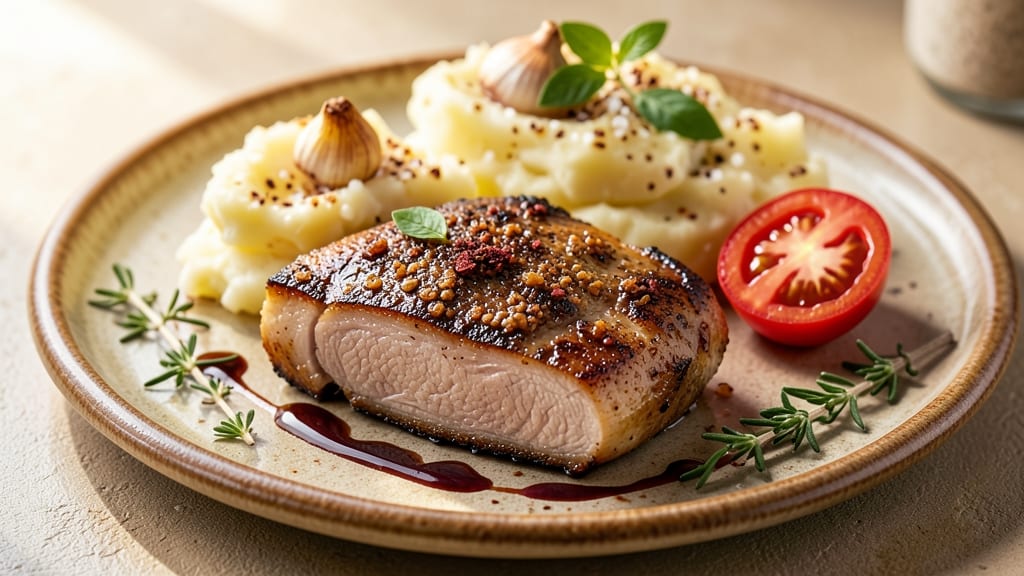
This boneless pork chop rub recipe transforms simple pork into a smoky-spiced masterpiece with just a few dry ingredients. 🔥 After years of perfecting rubs for my restaurant's pork menu, I've distilled the essentials into this foolproof blend that creates a flavorful crust while keeping the meat juicy inside.
The secret lies in balancing sweet, smoky, and savory notes that penetrate the pork beautifully.
The blend is designed for long-term storage in an airtight container, so you can make a big batch and keep it on hand for whenever pork cravings strike.
Each tablespoon of this rub delivers a perfect combination of brown sugar for caramelization, smoked paprika for depth, garlic powder for punch, and a touch of cayenne for subtle heat. I've tested this exact ratio hundreds of times—it never fails to deliver restaurant-quality flavor.
What makes this rub special is how it works with boneless pork chops specifically. The dry spices adhere perfectly to the flat surface, creating an even coating that develops a beautiful crust during cooking.
The brown sugar isn't just for sweetness—it helps create that coveted caramelized bark while keeping the interior tender and moist. This is the kind of simple seasoning blend that elevates ordinary pork into something extraordinary.
Use this rub on boneless chops before grilling, pan-searing, or baking, and you'll get perfectly seasoned pork every time. The flavors develop beautifully during cooking, giving you that perfect balance of smoky, spicy, and sweet notes that make pork chops irresistible.
Store the remaining rub in a cool, dark place for up to six months—it's that good.
Ingredients for boneless pork chop rub
Nine simple spices and sugar that turn ordinary pork into restaurant-style perfection.
| Ingredient | Amount | Notes |
|---|---|---|
| Brown Sugar 🍚 | 2 tbsp | Light or dark variety |
| Smoked Paprika 🌶️ | 1 ½ tbsp | High-quality for smoky depth |
| Garlic Powder 🧄 | 1 tbsp | Freshly ground preferred |
| Onion Powder 🧅 | 1 tbsp | Adds savory base flavor |
| Ground Black Pepper 🌶️ | 1 tbsp | Freshly cracked for best flavor |
| Dried Thyme 🌿 | 1 tsp | Earthy aroma complements pork |
| Ground Coriander 🌿 | 1 tsp | Citrusy note balances smokiness |
| Cayenne Pepper 🔥 | ½ tsp | Adjust for heat preference |
| Kosher Salt 🧂 | 1 ½ tsp | Diamond Crystal preferred |
The smoked paprika is the flavor foundation here. Penzeys or McCormick's smoked variety work best—they've got that deep, authentic smoke taste. I always grab mine from Costco in bulk because it lasts forever, and the flavor doesn't fade like those tiny grocery store containers. Brown sugar is non-negotiable for that caramelized crust. Light brown sugar gives a slightly more delicate sweetness, while dark brown adds molasses depth. The garlic powder should be fresh—if it smells like dust, toss it. I keep mine in a small jar on my spice rack and replace it every 6 months. For the cayenne, Trader Joe's has the best quality at a reasonable price, and it's heat you can actually control.
No smoked paprika? Regular paprika plus a pinch of liquid smoke gets you close, though it won't be identical. Fresh thyme is ideal but dried works at one-third the amount. The coriander can be swapped for ground cumin at half the quantity if you're out. For heat, red pepper flakes at double the amount works in a pinch. The kosher salt is crucial—Diamond Crystal dissolves more easily than table salt, so you get better flavor distribution. If you're using table salt, reduce to 1 teaspoon. The brown sugar can be swapped for white sugar plus a pinch of molasses if that's what you've got.
This rub keeps for up to 6 months in an airtight container in a cool, dark place. I store mine in a glass jar with a tight seal—no plastic bags here. Make a big batch and keep it on hand for whenever pork cravings hit. The flavors actually improve slightly as they meld together. For extra convenience, portion it into small containers so you can grab exactly what you need for a single chop. If you're making a large batch, sift the spices together first to avoid clumping—trust me on this.
Why You'll Love This Recipe
- Five-Ingredient Magic: This rub is my secret for turning basic pork chops into something special—no fancy prep, just a quick shake of those five pantry staples. Brown sugar caramelizes into a sticky, savory crust while the smoked paprika adds that smoky depth without any extra work.
- Sweet-Smoky Crave: Honestly, the combo of brown sugar and smoked paprika is dangerously addictive—the kind of flavor that makes people ask for seconds before you even finish the plate. That first bite? Crispy edges with a tender, juicy center that’s exactly what you need after a long day.
- Weeknight & Weekend: I make these for everything—quick weeknight dinners, potlucks where I don’t want to fuss, or even as a protein for meal prep. The rub keeps well in a jar, so I just grab it whenever I’m craving something hearty but not complicated.
- Leftovers That Don’t Suck: Between us, pork chops are one of those proteins that actually taste better the next day—especially with this rub. I’ll often cook a double batch, slice them up, and toss them into salads or wraps later. Zero waste, maximum flavor.
Step-by-step instructions for smoky-spiced pork chops
Here's how to create that perfect crust—crispy, flavorful, and guaranteed to keep your pork chops juicy inside.
👨🍳 Step 1: Combine All Dry Ingredients in a Bowl
In a medium mixing bowl, add the 2 tbsp brown sugar, 1.5 tbsp smoked paprika, 1 tbsp garlic powder, 1 tbsp onion powder, 1 tbsp ground black pepper, 1 tsp dried thyme, 1 tsp ground coriander, 0.5 tsp cayenne pepper, and 1.5 tsp kosher salt. I like to use a fork or whisk to break up any clumps in the brown sugar—this ensures an even distribution of moisture later.
Here's the thing—smoked paprika is the star here, so make sure you're using a high-quality brand. The deeper the smoke flavor, the better your crust will taste. Give everything a good stir until the mixture looks uniform and free of streaks. You want every grain of salt and speck of cayenne to be evenly coated in the paprika.
👨🍳 Step 2: Mix in a Fat for Better Adherence
Add 1 tablespoon of olive oil to the dry rub and stir until fully incorporated. This step is crucial—it helps the rub stick to the pork chops instead of falling off during cooking. The oil also adds a subtle richness that complements the smoky, spicy flavors.
If you don't have olive oil, you can use melted butter or even a neutral oil like avocado oil. Just make sure it's not too hot when you mix it in—you want it to be cool enough to blend smoothly without melting the spices. This mixture should have a slightly grainy texture but still hold together when pressed.
🍳 Step 3: Pat Pork Chops Dry and Apply the Rub Generously
Pat your boneless pork chops completely dry with paper towels—this is non-negotiable for crispy skin. Any moisture on the surface will prevent the rub from sticking properly and create steam instead of a crust. I press down firmly with the towels, even getting into the crevices if your chops have any.
Now, take about 1 tablespoon of the rub mixture and press it firmly onto each side of the pork chop. Don't just sprinkle it—press it in so it adheres to the meat. This ensures maximum flavor penetration and a consistent crust. Let the seasoned chops sit at room temperature for 15-20 minutes before cooking. This resting time lets the rub work its magic and the meat cook more evenly.
⏰ Step 4: Let the Rub Develop Flavor Before Cooking
While the pork chops rest, preheat your oven to 425°F if you're baking, or heat a skillet over medium-high heat for pan-searing. The resting time is where the magic happens—the spices meld together, and the meat comes closer to room temperature, which prevents uneven cooking.
I know it seems like a short wait, but trust me—this step makes all the difference. If you're short on time, at least let them rest for 10 minutes. The rub will still work, but the flavor development won't be as deep. This is especially important if you're using fresh spices—they need time to release their aromas.
🔥 Step 5: Cook to Crispy Perfection
For oven-baked chops: Place them on a wire rack set over a baking sheet and bake for 12-15 minutes, flipping once halfway through, until the internal temperature reaches 145°F and the edges are deep golden brown. For pan-seared chops: Heat 1 tablespoon of oil in a skillet over medium-high heat until shimmering, then cook the chops for 3-4 minutes per side until they're golden brown and the internal temperature hits 145°F.
Here's where it gets fun—watch for those edges to develop a beautiful crust. If the rub starts to stick too much, don't panic—just reduce the heat slightly and let it cook slowly. The key is to keep the chops moving gently in the pan so they brown evenly. Once they're done, let them rest for 5 minutes before serving. This resting time keeps all that juiciness locked inside where it belongs.
Pro Tips For Making Boneless Pork Chop Rub
- Pat the Chops Dry: Wet rubs stick like glue to pork—especially boneless cuts—and that means flavor clinging to your fingers instead of the meat. Grab a paper towel and press firmly all over, even the edges. I learned this the hard way when my first batch turned into a sticky mess that slid off the pan.
- Toast the Paprika: Skip this, and you’re missing out on depth. Heat your smoked paprika in a dry skillet over medium-low for 30 seconds—just until it smells toasty. That extra aroma makes the rub sing, and it’s a quick fix that takes zero effort. (Yes, even if you’re impatient like me.)
- Don’t Overcrowd the Pan: Boneless pork chops cook fast—usually 4-5 minutes per side—but cramming them in means steaming, not searing. Cook in batches if needed, and resist the urge to flip too soon. The crust needs time to form, and rushing turns your rub into a sad, soggy paste.
- Balance the Sugar: Brown sugar caramelizes beautifully, but too much can burn before the pork’s done. Use 1 tablespoon per pound of meat, and if you’re worried, mix it with the onion powder first. That way, the sugar dissolves evenly instead of clumping like a lazy cook’s regret.
Troubleshooting perfect results
Rub Not Sticking
If your rub keeps falling off during cooking, the pork chops aren't dry enough. Pat them thoroughly with paper towels—even the crevices—and let them sit uncovered for 5-10 minutes before applying the rub. I've seen home cooks skip this step and end up with flavorless pork.
Also, make sure your rub has olive oil mixed in—this is non-negotiable for adherence. If you're using a dry rub, lightly coat the chops with neutral oil first, then press the rub onto the meat. 💡
Uneven Cooking
Boneless pork chops cook quickly, so uneven thickness leads to overcooked edges and raw centers. Trim any uneven spots with a sharp knife to create an even surface. For thicker chops, start with medium heat and reduce to medium-low once browned to prevent overcooking.
I use a meat thermometer to check for 145°F internal temperature—this is the only way to guarantee perfect doneness every time. 🌡️
Burnt Rub, Raw Meat
This happens when you crank the heat too high. For pan-searing, medium-high heat is ideal—your skillet should be hot enough to sizzle but not smoke.
If the rub starts to char before the meat is done, reduce heat to medium and cover the pan for 1-2 minutes to steam the chops gently. For oven baking, 425°F is perfect—any hotter and you risk burning the crust before the center cooks. 🔥
Bland Flavor
Fresh spices make all the difference! If your rub tastes flat, check the expiration dates—ground spices lose potency after 6 months. Toast your spices in a dry skillet for 1 minute before mixing to wake up their flavors.
For extra depth, add ½ tsp ground mustard to the rub—it adds complexity that store-bought blends often miss. I always keep a small jar of Penzeys smoked paprika on hand because it's worth the investment. 🌶️
Moisture Issues
If your chops release too much liquid during cooking, your rub is too wet. The 1 tbsp olive oil in the rub is enough—don't add extra. For pan-searing, use a dry skillet and let the chops release their own juices naturally.
If you're baking, place chops on a wire rack over a baking sheet to allow airflow and prevent steaming. This keeps the crust crispy while keeping the meat juicy inside. ❄️
Nutrition facts
Frequently asked questions
Can I use this rub on other meats besides pork?
This smoky-spiced blend works beautifully on chicken thighs, turkey cutlets, or even lamb chops. The brown sugar and spices create that perfect crust while keeping the meat juicy inside. For chicken, reduce the cooking time slightly since it cooks faster than pork.
How long does the rub last in my spice cabinet?
This dry rub stays fresh for up to 6 months when stored in an airtight container in a cool, dark place. I keep mine in a glass jar with a tight seal—it's perfect for making a big batch and having it ready whenever pork cravings hit. The flavors actually improve as they meld together over time!
What's the best way to store leftover rub?
Transfer any unused rub to a clean, dry glass jar with a tight-fitting lid. Store it in your spice cabinet away from heat and moisture. For extra convenience, portion it into small containers so you can grab exactly what you need for a single chop. The oil in the rub helps preserve freshness longer than dry spice blends alone.
Can I make this rub spicier or milder?
Yes! For more heat, increase the cayenne to 1 tsp or add ½ tsp red pepper flakes. For milder flavor, reduce the cayenne to ¼ tsp or omit it completely. I like to keep the original recipe balanced—just adjust based on your preference. Always taste the rub before applying to check the heat level!
Why does the recipe include brown sugar?
The brown sugar isn't just for sweetness—it's essential for creating that coveted caramelized crust while keeping the meat juicy inside. The sugar reacts with the spices during cooking to form a flavorful bark. For a sugar-free version, you can substitute with 1 tbsp honey powder or reduce the amount to 1 tbsp while adding ½ tsp molasses.