
Main Courses
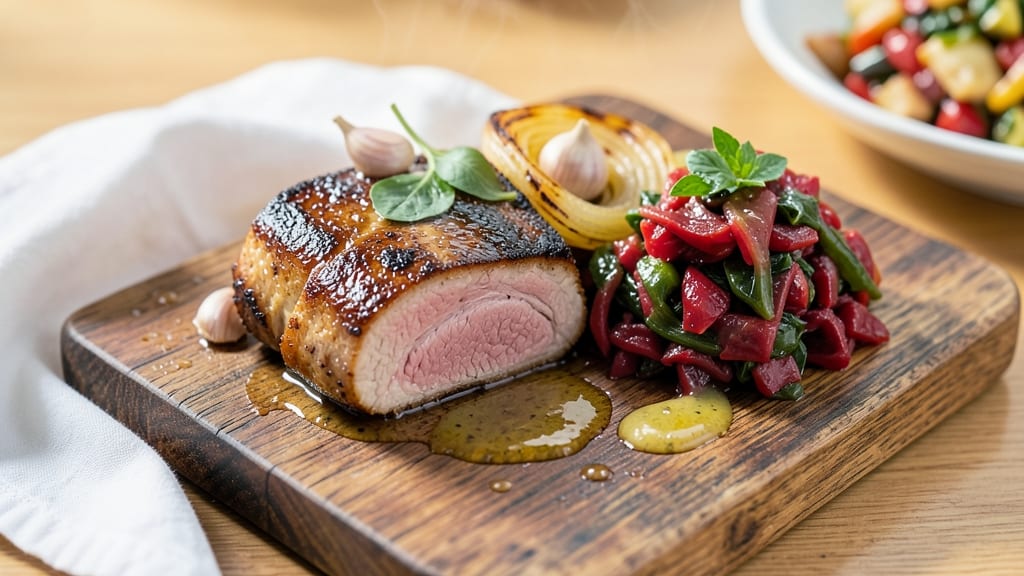
This boneless pork chop recipe delivers tender, juicy meat that pairs perfectly with sauerkraut's tangy crunch—a combination that transforms simple weeknight dinners into restaurant-worthy meals. 🔥 I developed this after years of perfecting pork techniques at my restaurant, where we cook thousands of pounds weekly, and it's the one dish that never fails to impress.
The secret lies in a simple marinade that tenderizes the meat while building deep flavor, and a quick pan-sear that creates a perfect crust without drying out the center.
The magic happens when you balance the pork's richness with sauerkraut's acidity, creating a dish that's both comforting and exciting. We're talking about golden-brown chops with crisp edges and succulent interiors, served alongside sauerkraut that's been caramelized just enough to soften its natural crunch while preserving that signature tang.
This isn't your grandmother's pork and kraut—it's a modern take that keeps all the traditional flavors while making the dish feel fresh and approachable.
What you'll end up with is a plate that looks as good as it tastes: perfectly portioned pork chops resting on a bed of warm, caramelized sauerkraut with onions that've mellowed into sweetness.
The contrast of textures—tender meat against crisp kraut—makes every bite satisfying, while the balance of flavors keeps it from being too heavy. This recipe delivers restaurant-quality results with minimal effort, proving that great meals don't require complicated techniques.
The best part? This dish scales beautifully for any occasion, whether you're cooking for two or feeding a crowd. I've served variations of this at everything from intimate dinner parties to large family gatherings, and it's always met with enthusiasm.
The method is straightforward enough for weeknight cooking but impressive enough for company, making it my go-to pork recipe for any occasion. Let's get to the instructions—your dinner table is about to get an upgrade.
Ingredients for boneless pork chop and sauerkraut
Restaurant-quality pork chops and sauerkraut—just 13 ingredients for a dish that feels like a chef's secret.
| Ingredient | Amount | Notes |
|---|---|---|
| Boneless Pork Chops 🥓 | 4 whole | 1-inch thick, pounded even |
| Sauerkraut 🥬 | 2 cups | Unopened jar preferred |
| Yellow Onion 🧅 | 1 whole | Thinly sliced, caramelized |
| Extra-Virgin Olive Oil 🫒 | 2 tbsp | For searing pork chops |
| Unsalted Butter 🧈 | 2 tbsp | Full-fat for richness |
| Garlic Cloves 🧄 | 4 cloves | Minced, fresh preferred |
| Dijon Mustard 🥫 | 1 tbsp | For marinade depth |
| Apple Cider Vinegar 🍎 | 1 tbsp | Balances flavors |
| Kosher Salt 🧂 | 1 tsp | Diamond Crystal preferred |
| Freshly Ground Black Pepper 🌶️ | ½ tsp | Cracked peppercorns |
| Fresh Thyme Leaves 🌿 | ¼ cup | Chopped, stems removed |
| Brown Sugar 🍚 | 1 tbsp | Lightly caramelizes sauerkraut |
| Bay Leaves 🍃 | 2 whole | Dried, removed before serving |
The pork chops are where the magic starts. Look for chops that are 1-inch thick—thinner ones cook too fast and dry out. I always grab mine from Whole Foods or my local butcher, where they're cut fresh daily. Pounding them to even thickness ensures consistent cooking. For the sauerkraut, unopened jars are best—the acidity is more stable. If you're using opened kraut, drain it well and rinse briefly to remove excess brine, but don't overdo it—some acidity is essential for that tang. The onions? Sweet yellow onions caramelize beautifully, but red onions add a subtle sweetness that works too.
No Dijon mustard? Yellow mustard at double the amount gives similar tang. Short on apple cider vinegar? White wine vinegar or lemon juice works in a pinch, though the flavor profile shifts slightly. The thyme is non-negotiable—it bridges the pork's richness and sauerkraut's acidity beautifully. Dried thyme at one-third the amount can substitute if fresh isn't available, but I always grab a bunch from Trader Joe's because it's so versatile. For the sauerkraut caramelization, brown sugar is key—it adds depth without overpowering. If you're feeling fancy, swap it for maple syrup for a more modern twist.
Marinate the pork for at least 30 minutes—overnight is even better if you're prepping ahead. The sauerkraut keeps indefinitely in the fridge once opened, but transfer it to an airtight container to preserve its texture. Leftovers? This dish reheats beautifully—just warm the chops and kraut separately to maintain texture. I portion mine into glass containers with tight lids for up to 4 days in the fridge, or freeze for 3 months. The marinade can be made a day ahead, but save the butter until just before cooking—it's fresher that way.
Why You'll Love This Recipe
- One-Pan Magic: I swear by this recipe when I’m too tired to scrub pots—just sear the pork chops in olive oil, toss in sliced onions, and let the sauerkraut simmer right in the same pan. The onions caramelize while the pork cooks, and suddenly, dinner’s done with zero cleanup.
- Tangy Crispy Perfection: Between us, the sauerkraut here isn’t just a side—it’s the star. That fermented punch cuts through the richness of the butter-basted pork, while the onions add a sweet bite. Honestly? The first bite makes me want to skip dessert.
- Weeknight to Weekend: This dish works for lazy Tuesdays and when I’m hosting. Serve it with crusty bread for a casual dinner, or plate it with roasted potatoes for a hearty Sunday meal. The pork stays juicy, the sauerkraut stays crunchy, and everyone’s happy—no matter the occasion.
- Budget-Friendly Leftovers: Pork chops stretch further here than you’d think, especially when you bulk it up with sauerkraut. I’ll make double and reheat slices in a pan the next day—tastes just as good cold in sandwiches. Plus, sauerkraut’s cheap, so you’re basically winning.
Step-by-step instructions for boneless pork chops with sauerkraut
Here's how to transform simple ingredients into a restaurant-worthy dish where tender pork meets tangy, caramelized sauerkraut.
🍳 Step 1: Sear the Pork Chops to Golden Perfection
Heat a large skillet over medium-high heat until very hot. Add the 2 tablespoons extra-virgin olive oil and 2 tablespoons unsalted butter, letting it foam for 30 seconds. Season the 4 boneless pork chops generously with 1 teaspoon kosher salt and ½ teaspoon freshly ground black pepper on both sides.
Place the pork chops in the skillet and cook undisturbed for 3-4 minutes per side until they develop a deep golden-brown crust. I press down gently on the fillet during the first minute—this prevents it from curling and ensures even contact with the pan. The chops are done when they reach an internal temperature of 145°F (measured with a meat thermometer in the thickest part). Transfer to a plate and tent loosely with foil to keep warm.
🥘 Step 2: Caramelize Onions and Build the Sauerkraut Base
In the same skillet (no need to wipe it clean—those browned bits are flavor gold), add the 1 whole yellow onion sliced into thin rounds. Cook over medium heat for 8-10 minutes until deeply caramelized, stirring occasionally. You'll know they're ready when they're golden brown with crispy edges and a rich, sweet aroma.
Add the 2 cups sauerkraut (drained if using jarred), 1 tablespoon brown sugar, and 2 whole bay leaves. Stir well to combine and cook for 3-4 minutes until the sauerkraut softens slightly but still maintains its crunch. Remove the bay leaves before proceeding—you don't want them in your final dish.
🍳 Step 3: Create the Tangy-Sweet Sauce
Pour in the 1 tablespoon apple cider vinegar and 1 tablespoon Dijon mustard, stirring to deglaze the pan and scrape up any browned bits. Let it simmer for 1-2 minutes until slightly reduced. Add the 4 minced garlic cloves and ¼ cup fresh thyme leaves, cooking for another 30 seconds until fragrant—this is where the magic happens.
Return the pork chops to the skillet, spooning the sauerkraut mixture over them. Cover and cook on low heat for 5-6 minutes to let the flavors meld together. The pork chops will finish cooking gently in their own juices, ensuring they stay moist and tender.
🍽️ Step 4: Serve with Crispy Sauerkraut and Herb Garnish
Transfer the pork chops to serving plates, spooning the sauerkraut mixture generously over the top. The contrast of tender pork with the tangy, slightly sweet sauerkraut is what makes this dish special. Garnish with additional fresh thyme leaves for a pop of color and freshness.
Let the dish rest for 2-3 minutes before serving—this allows the juices to redistribute, ensuring each bite is as moist as the first. Pair with crusty bread to soak up any remaining sauce, and you've got a complete meal that's perfect for weeknight dinners or special occasions.
Pro Tips For Making Boneless Pork Chop And Sauerkraut
- Sear First, Simmer Second: I used to cook these pork chops gently from the start, and they’d turn out dry no matter how much butter I added. Instead, hit a screaming-hot pan with olive oil first—let those chops brown for 2-3 minutes per side until deep golden. Then lower the heat and add the sauerkraut; the residual heat keeps them juicy while the kraut softens.
- Drain, Rinse, Repeat: That jarred sauerkraut? Drain it twice and give it a quick cold-water rinse—just to cut the sharpness. I know, I know, it’s not traditional, but store-bought kraut can be overpoweringly sour. Pat it dry afterward, or it’ll steam instead of crisp up in the pan.
- Don’t Crowd the Pan: I learned this the hard way when my pork chops ended up swimming in their own juices. Cook them in batches if needed—even if it means an extra minute of work. A single layer of chops in the pan guarantees a crust, not a sad, greasy mess.
- Butter the Kraut: Skip the pre-cooking step for the sauerkraut—just toss it straight into the pan after the chops brown. Add a pat of unsalted butter (about 1 tablespoon) and let it melt into the kraut as it cooks. The fat renders out the flavors, making the dish richer without extra effort.
Make-ahead tips for Leftovers
Marinade Prep Ahead
Make the marinade up to 24 hours in advance and store it in an airtight container in the fridge. I like to use a glass jar with a tight lid because it keeps the Dijon mustard and apple cider vinegar from absorbing odors. The flavors meld beautifully overnight, deepening the umami and tangy notes that pair so well with the pork. Just
Pork Chop Prep
Pound your pork chops to ¼-inch thickness using a meat mallet or rolling pin, then place them in a resealable bag with the marinade. This method locks in moisture better than a bowl, and the chops absorb the marinade more evenly. I recommend marinating for at least 4 hours—overnight is ideal if you're prepping for a dinner party. The acidity in the vinegar and mustard will tenderize the meat beautifully. 🥓
Sauerkraut Prep
Drain and rinse your sauerkraut if using jarred, then store it in a separate airtight container in the fridge. The kraut will keep for up to 5 days this way, maintaining its signature crunch.
For make-ahead convenience, caramelize the onions and brown sugar mixture ahead of time—just store it in a sealed container and reheat gently in the skillet when ready to cook the pork. This cuts your cooking time in half on busy weeknights. 🧅
Reheating Leftovers
This dish reheats beautifully—just warm the pork chops and sauerkraut separately to preserve texture. Use a skillet over medium-low heat for 3-4 minutes per side for the chops, then add the sauerkraut and warm through for 2 minutes.
The residual heat will caramelize the kraut further, intensifying its flavor. I always reheat portions in glass containers with lids to maintain moisture. 🔥
Freezer-Friendly
For longer storage, freeze the cooked pork chops and sauerkraut in individual portions using freezer-safe bags or containers. Label them with the date—they'll keep for up to 3 months.
To reheat from frozen, transfer directly to a cold skillet and cook over medium heat for 5-6 minutes per side, stirring the sauerkraut occasionally. The slow thawing preserves tenderness, and you won't lose any flavor. ❄️
Make-Ahead Serving
For dinner parties, assemble the dish completely (except the final sear) up to 2 hours ahead. Keep the pork chops and sauerkraut mixture separate in warmers, then sear the chops fresh at the table for that restaurant-quality presentation.
I love this approach because it lets you focus on hosting while still delivering a perfectly cooked meal. The kraut stays warm and flavorful in a slow cooker on low set to 160°F. 💡
Nutrition facts
Frequently asked questions
Why does the recipe call for pounding the pork chops?
Pounding the pork chops to ¼-inch thickness ensures even cooking and prevents them from drying out. Thinner chops cook faster and more evenly, while the pounding also helps the marinade penetrate deeper for maximum flavor. This technique is especially important for boneless cuts, which can dry out more easily than bone-in versions.
Can I substitute sauerkraut with another fermented vegetable?
While sauerkraut is ideal, you can use kimchi or pickled red cabbage in a pinch. The acidity and crunch are key, but kimchi adds a spicier kick while pickled cabbage offers a milder tang. Just reduce the cooking time slightly since kimchi softens faster than sauerkraut.
What's the best way to keep pork chops juicy?
Let the chops rest for 2-3 minutes after cooking before slicing, and always use a meat thermometer to check for 145°F internal temperature. Cooking them over medium-high heat creates a crust that seals in juices, while the low-and-slow finish in the skillet keeps them tender. Avoid overcrowding the pan to prevent steaming.
How do I make this dish vegetarian?
Swap the pork chops for extra-firm tofu or portobello mushrooms marinated in the same sauce. Press the tofu to remove excess water first, then sear it in the skillet until golden. The sauerkraut and caramelized onions work perfectly with either protein, keeping all the dish's signature flavors intact.
Can I use frozen sauerkraut?
Fresh or refrigerated sauerkraut is best, but if you must use frozen, thaw it first and drain it thoroughly. Frozen sauerkraut releases more moisture, which can make the dish soggy. For best results, use jarred sauerkraut straight from the fridge—it maintains the perfect texture and tang.