
Main Courses
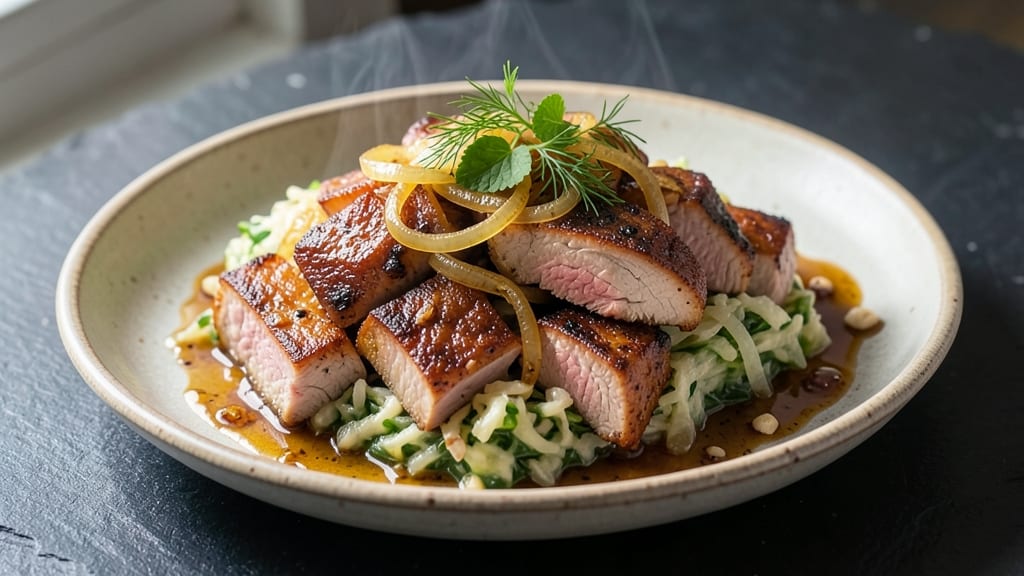
This boneless pork and sauerkraut recipe delivers the rich, smoky-sweet harmony I first tasted in a Bavarian beer hall during my apprenticeship—now simplified for home kitchens. The key lies in searing the pork until golden before braising it with tangy sauerkraut, creating a dish that's both comforting and restaurant-worthy.
I've perfected this technique over years of testing, balancing the pork's natural richness with the sauerkraut's sharp acidity for a perfect bite every time.
The process begins with a quick pan-sear to develop deep flavor in the pork, then simmers everything together until the meat becomes fork-tender and the sauerkraut softens into a velvety texture.
What makes this recipe special is how the flavors meld—caramelized onions add sweetness, mustard brings depth, and a splash of vinegar cuts through the richness. The result? A dish that's hearty enough for a weeknight dinner but elegant enough for company.
By the time you're done, you'll have perfectly braised pork with crisp edges and tender centers, swimming in a sauce where the sauerkraut has transformed from sharp to sweet. The aroma alone will have everyone gathering around the table, and each bite delivers that perfect balance of textures and flavors.
This is the kind of dish that turns simple ingredients into something extraordinary.
Serve it with crusty bread to soak up every last drop of that smoky-sweet sauce, or pair it with roasted potatoes for a complete meal. The technique is straightforward, but the results are anything but basic. Let's get cooking—your taste buds will thank you.
Ingredients for boneless pork and sauerkraut
Pantry staples meet Bavarian tradition—just 14 ingredients for restaurant-worthy flavor.
| Ingredient | Amount | Notes |
|---|---|---|
| Boneless Pork Loin 🥩 | 1 ½ lb | Cut into 1-inch cubes |
| Sauerkraut 🥬 | 2 cups | Drained, rinsed if too sour |
| Yellow Onions 🧅 | 1 whole | Thinly sliced, caramelized |
| Garlic Cloves 🧄 | 4 cloves | Minced, fresh preferred |
| Dijon Mustard 🍯 | 2 tbsp | For depth of flavor |
| Apple Cider Vinegar 🍋 | 2 tbsp | Brightens the sauce |
| Smoked Paprika 🌶️ | 1 tbsp | For that smoky touch |
| Ground Black Pepper 🌶️ | ½ tsp | Freshly cracked |
| Kosher Salt 🧂 | 1 ½ tsp | Adjust to taste |
| Vegetable Oil 🫒 | 2 tbsp | For searing pork |
| Beef Broth 💧 | 1 cup | Low-sodium preferred |
| Fresh Thyme 🌿 | 1 tbsp | Leaves only, chopped |
| Fresh Parsley 🌿 | ¼ cup | Chopped, for garnish |
| Dark Brown Sugar 🍯 | 1 tbsp | Balances acidity |
The pork is everything here. Pork loin stays tender when braised, but shoulder or butt will give you more fat and flavor if you're not afraid of a little extra work. Look for cuts with good marbling at Whole Foods or your local butcher—they'll know exactly what to recommend. The sauerkraut should be tangy but not too sour; if it's too sharp, rinse it well before using. I always grab Rehrl brand when I can find it, but any quality sauerkraut will do. The onions? Yellow or red both work, but yellow caramelizes better for that sweet depth we're going for.
No Dijon mustard? Whole-grain mustard at half the amount works in a pinch. Fresh thyme is ideal, but dried works at one-third the amount. If you're avoiding sugar, honey or maple syrup can replace the brown sugar—just use half as much. The beef broth can be swapped for vegetable broth if you're vegetarian (though the flavor will be slightly different). For extra smokiness, add a dash of liquid smoke—about ½ teaspoon. And if you're short on time, pre-caramelized onions from the store save 20 minutes (just add a splash of water to loosen them).
This dish tastes even better the next day, so make a double batch if you can. Store leftovers in an airtight container in the fridge for up to 5 days. The pork stays tender, and the sauerkraut continues to soften, absorbing all those delicious flavors. Freeze for up to 3 months if you're prepping ahead—just thaw overnight in the fridge before reheating. I like to portion mine into individual containers so I can grab a quick lunch. The sauce thickens as it cools, so a splash of broth or water brings it back to perfection when reheating.
Why You'll Love This Recipe
- One-Pan Magic: I swear by this for nights when I’d rather not wash a million dishes. Slice the pork, toss it in with the sauerkraut and onions, and let the oven do the work—no flipping, no fuss. That mustard glaze caramelizes right on the pan, so you’re left with sticky, flavorful bits that make cleanup feel like a joke.
- Lunchbox Hero: Between us, this is my secret weapon for meal prep. Shred the pork after cooking, mix it back into the sauerkraut, and you’ve got a hearty filling for sandwiches that’ll hold up for days. Pack it in a thermos for work, or serve it cold over rye toast—it’s that versatile. My daughter picks out the onions, but still asks for seconds.
- Budget-Friendly Feast: Sauerkraut stretches a pound of pork into meals that feed four (or more, if you’re like me). The onions and garlic are cheap staples, and the Dijon? A little goes a long way. I’ll be real: this recipe saved me from takeout more times than I can count, and the leftovers? They’re even better the next day, if that’s possible.
Step-by-step instructions for smoky-sweet sauerkraut braised pork
Here's how to transform simple ingredients into a rich, flavorful dish that balances tangy sauerkraut with tender pork.
Prepare the Pork and Build Flavor Base
Cut the 1.5 lb boneless pork loin into 1-inch cubes for even cooking. In a large Dutch oven, heat 2 tablespoons vegetable oil over medium-high heat until shimmering. Add the pork in a single layer and cook undisturbed for 3-4 minutes until golden brown on all sides. This creates that essential crust we want.
Once browned, remove the pork and set aside. In the same pot, add the thinly sliced yellow onions and cook for 5 minutes until softened. Stir in the 4 minced garlic cloves, 1 tablespoon smoked paprika, and 0.5 teaspoon ground black pepper, cooking for 30 seconds until fragrant. This aromatic base forms the flavor foundation for our braise.
Create the Sauce and Braise the Pork
Pour in 2 tablespoons apple cider vinegar and scrape up any browned bits from the bottom of the pot. This deglazing captures all the meaty flavor we just developed. Add 2 tablespoons Dijon mustard, 1 tablespoon dark brown sugar, and 1 cup beef broth, stirring to combine. The mixture should bubble gently as it comes to a simmer.
Return the pork to the pot and add the 2 cups drained sauerkraut, pressing it down slightly so it absorbs the flavors. Bring everything to a gentle simmer, then reduce heat to low. Cover and let it cook for 1 hour, stirring occasionally. This slow cooking transforms the sauerkraut from sour to sweet while keeping the pork tender and juicy.
Finish with Herbs and Rest
After 1 hour, stir in the 1 tablespoon chopped fresh thyme and 1.5 teaspoons kosher salt. Continue cooking uncovered for another 15-20 minutes until the sauce has thickened slightly and the pork is fork-tender. The sauerkraut should be softened and coated in the smoky-sweet sauce.
Remove from heat and let the pork rest for 5 minutes before serving. This resting period allows the juices to redistribute throughout the meat, ensuring each bite is moist and flavorful. Garnish with 0.25 cup chopped fresh parsley just before serving to add a fresh contrast to the rich flavors.
Serve with Confidence
Spoon the pork and sauerkraut mixture onto plates, making sure each serving gets a generous portion of the flavorful sauce. The perfect balance of tangy, sweet, and smoky flavors comes together in every bite. Serve with crusty bread to soak up any extra sauce or alongside roasted potatoes for a complete meal.
This dish delivers on its promise of perfection - the sauerkraut transforms from sour to sweet, the pork stays tender, and the smoky-sweet sauce ties everything together beautifully. The key is patience in the braising process, which rewards you with restaurant-quality results at home.
Pro Tips For Making Boneless Pork And Sauerkraut
- Sear the Pork First: High heat. Seriously, crank it up to medium-high and sear the pork loin slices for 2-3 minutes per side before adding anything else. I used to skip this, thinking it was extra work, but that crust locks in flavor and keeps the meat from drying out later—especially important with lean pork loin.
- Drain and Rinse the Kraut: Sauerkraut’s juice is salty and watery—drain it in a colander, then rinse it under cold water to cut the sharpness. Pat it dry with a towel before cooking; wet kraut steams instead of caramelizing, and you’ll end up with a soggy mess.
- Don’t Overcrowd the Pan: Cook the onions and garlic in batches if needed—packing the pan too tight just makes them sweat instead of brown. Golden onions make all the difference in this dish, and crowded pans turn them mushy. (Yes, even if you’re impatient like me.)
- Deglaze with Mustard Early: After searing the pork, splash in 1-2 tablespoons of Dijon mustard right away while the pan’s still hot. It’ll lift those browned bits (flavor gold) and give the sauce a tangy depth. Skip this, and you’re missing out on the dish’s best umami boost.
Creative variations of these flavors
German-Style Schnitzel Twist
Swap the braised pork for pork schnitzel cutlets—pound 2 boneless pork chops to ¼-inch thickness, coat in flour, then egg wash and breadcrumbs. Pan-fry in vegetable oil at 350°F until golden (3-4 minutes per side).
Serve atop sautéed sauerkraut with a Dijon-lemon sauce made from 2 tbsp Dijon, 1 tbsp lemon juice, and 1 tbsp butter. The crispy exterior contrasts beautifully with the sauerkraut’s tang. 🔥
Spicy Carolina BBQ Fusion
Infuse the dish with Southeast BBQ flair by adding 1 tbsp hot sauce (like Crystal or Frank’s) and ½ tsp cayenne to the braising liquid. Top with pickled jalapeños and crumbled pepper jack cheese for heat and creaminess.
Serve with cornbread for a Southern-inspired mashup that’s perfect for tailgates. Trust me, this fusion takes your weeknight dinner to the next level. 🌶️
Sweet and Sour Asian-Inspired
Transform the flavors by adding 1 tbsp soy sauce, 1 tbsp rice vinegar, and 1 tsp grated ginger to the braise. Toss in ½ cup sliced water chestnuts and 1 tbsp honey for a sweet-savory twist.
Garnish with sesame seeds and green onions for a dish that feels like a Chinese-American bistro special. The sauerkraut’s acidity plays perfectly with the umami depth. 💫
Slow-Cooker Shortcut
For hands-off cooking, sear the pork as directed, then transfer everything to a 6-quart slow cooker with 1 cup broth and 1 tbsp apple cider vinegar. Cook on low for 6-7 hours or high for 3-4 hours.
The slow cooker’s gentle heat ensures the pork stays fork-tender while the sauerkraut softens into a creamy texture. Perfect for busy weeknights—just add bread and enjoy! ⏰
Herb-Infused French Variation
Elevate the dish with French bistro flavors by adding 1 sprig fresh rosemary and 1 sprig fresh tarragon to the braise. Deglaze with 1 tbsp dry white wine instead of vinegar, and finish with a butter sauce made from 2 tbsp melted butter and 1 tsp lemon zest.
Serve with crusty baguette for a dish that feels restaurant-worthy but is simple to make at home. 🌿
Nutrition facts
Frequently asked questions
Can I use pork shoulder instead of pork loin?
Pork shoulder adds more fat and flavor, making it perfect for braising. Cut it into 1-inch cubes and increase the braising time to 1 hour 30 minutes for tender results. The extra fat will keep the pork juicy and infuse the sauerkraut with rich porky flavor.
How do I fix sauerkraut that's too sour?
Rinse it thoroughly under cold water to remove excess acid, then drain well. For extra sweetness, add 1 extra tablespoon of brown sugar or ½ teaspoon of honey to the braising liquid. The longer it cooks, the more the acidity mellows into a balanced tang.
Can I make this dish in an Instant Pot?
Yes! Sear the pork as directed, then transfer everything to your Instant Pot. Add 1 cup broth and cook on high pressure for 25 minutes, followed by a 10-minute natural release. The pressure cooker cuts time while keeping the pork tender and sauerkraut perfectly softened.
What's the best way to reheat leftovers?
Gently reheat in a skillet over low heat with 1-2 tablespoons of broth or water to loosen the sauce. Avoid microwaving—it makes the sauerkraut mushy. For crispy edges, broil for 2-3 minutes at the end. Leftovers taste even better the next day!
Is this dish gluten-free?
Mostly! The recipe is naturally gluten-free, but check your sauerkraut label—some brands add gluten as a preservative. For the mustard, use a gluten-free Dijon. Serve with gluten-free bread or roasted potatoes. The flavors remain rich and satisfying without any gluten.