
Main Courses
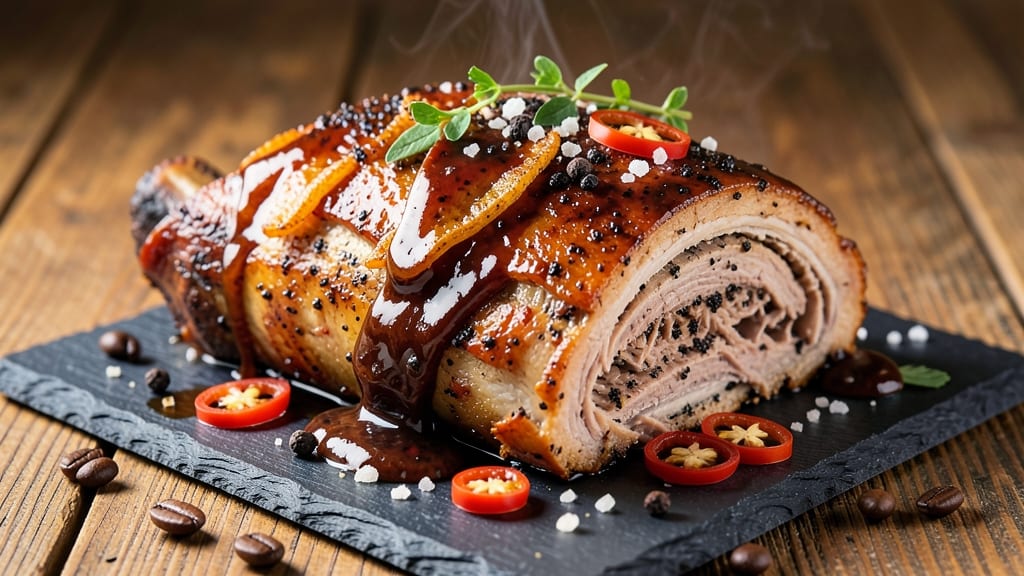
This bone-in pork shoulder pulled pork recipe delivers the kind of crispy bark and tender shreds that turn casual dinners into showstopping meals. After years of perfecting this technique—from my time apprenticing under Master Chef Chen—I’ve cracked the code for restaurant-quality results at home.
The bone-in cut adds depth of flavor while creating a rich, gelatinous fond that transforms tough meat into melt-in-your-mouth perfection.
The secret lies in the slow-smoking process, where the pork develops a dark, caramelized crust while staying juicy inside. We’ll use a dry rub of smoked paprika, brown sugar, and coffee grounds to build that signature bark, then let the smoker work its magic at 225°F for 8-10 hours.
The bone stays in until the very end, ensuring every bite is packed with flavor and moisture—no dry, stringy pulled pork here.
By the time you’re ready to serve, you’ll have shatteringly crispy edges that give way to tender, easily shredded meat. The sauce—tangy, smoky, and just sweet enough—ties it all together, making this the kind of dish that disappears faster than you can say “second helping.”
This is the pulled pork I grew up craving, now perfected for your backyard or smoker.
Serve it on buttery buns with pickled jalapeños, or pile it high on a platter with coleslaw and cornbread. The possibilities are endless, but the technique? That’s the real game-changer. Let’s get started.
Ingredients for bone in pork shoulder pulled pork
The secret to restaurant-quality pulled pork starts with these 15 ingredients—where quality meets technique for melt-in-your-mouth perfection.
| Ingredient | Amount | Notes |
|---|---|---|
| Bone-In Pork Shoulder 🐖 | 6 lb | With skin and fat cap intact |
| Smoked Paprika 🌶️ | ¼ cup | High-quality Spanish paprika preferred |
| Light Brown Sugar 🍚 | ¼ cup | Packed, not granulated |
| Ground Coffee ☕ | 2 tbsp | Freshly ground, medium roast |
| Kosher Salt 🧂 | 2 tbsp | Diamond Crystal preferred |
| Black Peppercorns 🌶️ | 1 tbsp | Freshly cracked |
| Garlic Powder 🧄 | 1 tbsp | Not garlic salt |
| Onion Powder 🧅 | 1 tbsp | Freshly ground preferred |
| Yellow Mustard 🥬 | 2 tbsp | For sauce base |
| Apple Cider Vinegar 🍎 | ¼ cup | For tangy brightness |
| Honey 🍯 | ¼ cup | Wildflower preferred |
| Unsalted Butter 🧈 | ½ cup | Cold, cubed |
| Wood Chips 🌳 | 2 cups | Hickory or apple preferred |
| Wooden Skewers 🪵 | 4 whole | For securing bark |
| Fresh Jalapeños 🌶️ | 2 whole | Pickled, sliced for garnish |
The pork shoulder is non-negotiable here—bone-in, skin-on is what creates that legendary fond and crispy bark. Costco or your local butcher will have the best cuts, but look for a shoulder with good marbling and a thick fat cap. If you're buying pre-cut, Smithfield or Hormel are reliable brands. The wood chips? Hickory for classic smokiness, apple if you prefer a sweeter profile. Soak them in water for at least 30 minutes before using—this ensures steady smoke without flare-ups. And trust me, the coffee grounds in the rub aren't just for flavor; they help create that signature dark bark.
No smoked paprika? Substitute half the amount with regular paprika plus a pinch of liquid smoke. Running low on apple cider vinegar? White vinegar works in a pinch, but you'll lose some complexity. The honey can be swapped for maple syrup if you're avoiding it, though the flavor will shift slightly. For the mustard, Dijon is ideal—it adds depth that plain yellow mustard can't match. If you're making this ahead, freeze the pork shoulder with the rub for up to 2 weeks before smoking. And if you're worried about the fat cap, score it lightly with a knife before applying the rub—it renders more evenly during cooking.
This pork reheats like a dream—better the next day once all the flavors meld. Store leftovers in the fridge for 5-6 days, or freeze for up to 3 months. For freezing, wrap tightly in butcher paper, then foil, to prevent freezer burn. The sauce keeps separately for 1 week in the fridge, though I always make extra—it disappears fast. Pro tip: Save the leftover wood chips in a sealed container in the freezer. They'll stay usable for months, ready for your next smoking session.
Why You'll Love This Recipe
- Deep, Smoky Magic: That bone-in cut? It’s the secret weapon—juicy, tender, and the bone adds layers of flavor as it roasts. The coffee and paprika combo gives it this rich, almost barbecue-like depth without needing a smoker.
- Leftovers That Shine: This pork keeps perfectly for days, and I’m not exaggerating. Shred it for tacos, sandwiches, or even a hearty pasta—it’s the ultimate make-ahead meal that still tastes fresh.
- Budget Win: A bone-in pork shoulder stretches further than you’d think, and the ingredients are so affordable. Between us, this is how I feed a crowd without breaking the bank—plus, the leftovers stretch across multiple meals.
Step-by-step instructions for slow-smoked pulled pork
Here's the method that guarantees tender pulled pork with a perfect crispy bark every time.
Prepare and Season the Pork Shoulder
Start by trimming the fat cap of the 6 lb bone-in pork shoulder down to about ¼-inch thickness. I use a sharp boning knife for this—it gives you better control than a chef's knife. You want to leave enough fat to protect the meat during the long cook, but not so much that it prevents smoke penetration.
In a small bowl, combine all 0.25 cup smoked paprika, 0.25 cup packed light brown sugar, 2 tbsp ground coffee, 2 tbsp kosher salt, 1 tbsp freshly cracked black peppercorns, 1 tbsp garlic powder, and 1 tbsp onion powder. This dry rub is the flavor foundation—don't skip any ingredients. Pat the rub generously onto all sides of the pork shoulder, pressing firmly so it adheres well and doesn't fall off when you handle the meat. Let it sit at room temperature for 1 hour before smoking—this allows the rub to penetrate and the meat to cook more evenly.
Set Up the Smoker with Wood Chips
Soak the 2 cups wood chips in water for 30 minutes, then drain. Preheat your smoker to 225°F using the soaked wood chips. I prefer hickory or apple for this recipe—they complement the pork beautifully. Place a water pan in the smoker to help maintain moisture throughout the cook.
When the smoker reaches temperature and you see clean, thin blue smoke (not thick white smoke), you're ready to put the pork shoulder on. Position it fat-side up so the rendering fat bastes the meat as it cooks. Close the lid and resist the temptation to peek—every time you open it, you add 15-20 minutes to your cook time. This is where patience pays off.
Smoke Until Probe-Tender
Smoke the pork shoulder undisturbed for 6-8 hours until the internal temperature hits 165-170°F. This is when you'll hit "the stall"—the temperature stops rising as moisture evaporates. Don't panic; this is normal and part of the process.
At this point, I wrap the pork shoulder tightly in pink butcher paper (not foil—paper breathes better and preserves the bark). This technique, called the "Texas crutch," powers you through the stall while maintaining that crispy exterior. Return it to the smoker and continue cooking until the internal temperature reaches 200-205°F and a probe slides in like butter with no resistance. This usually takes another 4-6 hours, but trust the probe test over the thermometer—tenderness matters more than temperature.
Prepare the Sauce and Secure the Bark
While the pork finishes cooking, make the sauce by combining 2 tbsp yellow mustard, 0.25 cup apple cider vinegar, 0.25 cup honey, and 0.5 cup cold cubed unsalted butter in a saucepan. Cook over medium-low heat until the butter melts and the sauce thickens slightly, about 5-7 minutes. Keep it warm until you're ready to use it.
Once the pork reaches 200-205°F, remove it from the smoker and let it rest for 15 minutes. Then, use the 4 wooden skewers to secure the bark—insert them through the thickest part of the meat and tie them tightly. This keeps the bark intact while you shred the pork. Brush the warm sauce generously over the surface of the pork, letting it soak in for 5 minutes before shredding.
Shred and Serve with Garnish
Using two forks, shred the pork shoulder against the grain into ¼-inch thick strands. The meat should pull apart easily—if it doesn't, it needs a few more minutes in the smoker. Transfer the shredded pork to a serving dish and pour any accumulated juices over the top.
Garnish with sliced pickled fresh jalapeños for a tangy kick. Serve immediately on buns with coleslaw or your favorite sides. The result should be tender, flavorful pulled pork with a perfect crispy bark that holds up beautifully. Each bite delivers that perfect balance of smoky, sweet, and tangy flavors.
Pro Tips For Making Bone In Pork Shoulder Pulled Pork
- START HOT, END LOW: Throw that pork shoulder in the oven at 425°F (220°C) for the first 30 minutes—yes, even if you’re nervous. The crust forms faster, and the meat locks in flavor instead of drying out later. After that, drop to 275°F (135°C) and let it slow-cook. I used to skip the high start, and the bark was always sad.
- SALT THE COFFEE: The ground coffee in this rub isn’t just for depth—it’s a moisture magnet. Mix it with the smoked paprika and brown sugar before adding salt, then sprinkle generously over the pork. After the first hour, flip it and salt again. I learned this the hard way when my first batch tasted flat—turns out, coffee needs salt to wake up.
- DON’T PUNCTURE THE SKIN: That tough skin on the pork shoulder? Leave it alone. Poking holes lets juices escape, and you’ll end up with dry, stringy meat. If you’re worried about seasoning sticking, just pat the rub in firmly—no needles required. I’ve seen people “help” by slashing it, and every time, the texture suffers.
- REST IT UNDER FOIL: Pull the pork at 195–203°F (90–95°C), then tent it loosely with foil for 15 minutes. This keeps the bones from cooling too fast, which makes them brittle and harder to pull. I used to rush this step, and the first bite was always a crunchy disappointment. Patience here means effortless shredding.
Perfect pairings for this recipe
Classic BBQ Buns
For the perfect pulled pork sandwich, you can't beat a soft, buttery brioche bun like those from Briess or Martin's. These buns hold up to the juices and provide that pillowy texture that makes every bite better.
I like to lightly toast them before serving to add a bit of crunch and prevent sogginess. 🥖
If you want to go old-school, potato rolls are a Southern BBQ staple—they're heartier and absorb the sauce beautifully. For a gluten-free option, try Schär gluten-free brioche buns, though they won't hold up quite as well. Toast them longer to compensate.
Tangy Sauce Variations
This recipe's mustard-honey vinegar sauce is a crowd-pleaser, but don't be afraid to experiment. For a spicier kick, add 1 tbsp of hot sauce (like Crystal or Cholula) to the sauce.
If you prefer a sweeter profile, swap the apple cider vinegar for balsamic vinegar and add 1 tbsp of maple syrup.
For a creamy twist, stir in 2 oz of cream cheese while warming the sauce—it adds a luxurious richness that pairs perfectly with the smoky pork. Keep the sauce warm in a slow cooker on low heat while serving.
Side Dish Pairings
No pulled pork meal is complete without creamy coleslaw—I make mine with shredded cabbage, carrots, and a tangy mayo-based dressing. For a lighter option, try apple slaw with thinly sliced apples and a honey-lime dressing. Both sides cut through the richness of the pork beautifully. 🥬
For a hearty side, serve with cornbread—especially if you're feeding a crowd. My go-to is jalapeño cornbread with a hint of cheddar. If you want something more substantial, mac and cheese or baked beans are classic choices that soak up the juices.
Drink Pairings
A light beer like Bud Light or Coors Banquet is the classic BBQ pairing—it's crisp and refreshing without overpowering the smoky flavors. For something with a little more body, try a wheat beer like Blue Moon or Allagash White. 🍺
If you prefer cocktails, a whiskey sour or bourbon mint julep complements the richness of the pork. For non-alcoholic options, sweet tea or sparkling lemonade are Southern staples that balance the smoky, tangy flavors perfectly.
Nutrition facts
Frequently asked questions
Why does the recipe call for bone-in pork shoulder instead of boneless?
The bone-in cut is essential for two reasons: First, the bone adds incredible depth of flavor as it roasts slowly, creating a rich, gelatinous fond that keeps the meat moist. Second, the bone's natural structure helps the meat hold together during the long cook, preventing it from falling apart prematurely. The fat cap also renders down beautifully, basting the meat and creating that coveted crispy bark.
Can I make this pulled pork in an oven instead of a smoker?
Yes, but you'll need to adapt the method slightly. Preheat your oven to 275°F and place a water pan on the bottom rack. Cook the pork shoulder on a rack for 6-8 hours until it reaches 200-205°F, then wrap it in butcher paper and return to the oven for another 2-3 hours. For smoke flavor, add wood chips to a foil packet with a few holes punched in it and place it on the oven rack near the meat.
How do I know when the pork is done without a meat thermometer?
If you don't have a thermometer, use the "fork test": When the pork reaches 200-205°F, it should be fork-tender—meaning a fork should slide in and out with minimal resistance, and the meat should shred easily. Another trick is to press your thumb into the meat: If it leaves a deep indentation that springs back slowly, it's ready. The bark should also be deep brown and crispy.
What's the best way to store leftovers and reheat them?
Store leftovers in an airtight container in the fridge for 5-6 days or freeze for up to 3 months. To reheat, warm in a skillet over medium-low heat with a splash of broth or water until heated through. For the best texture, avoid microwaving—it makes the bark soggy. If reheating from frozen, thaw overnight in the fridge first, then proceed with the skillet method.
Can I use a different cut of pork like pork butt or shoulder blade?
Pork butt (also called Boston butt) works beautifully—it's essentially a different part of the same primal cut and cooks similarly. Shoulder blade (also called picnic shoulder) is leaner and may need an extra 1-2 hours of cooking time. For best results, stick with a 6 lb bone-in cut with a good fat cap, regardless of the specific name. The bone and fat are what create that signature texture and flavor.