
Main Courses
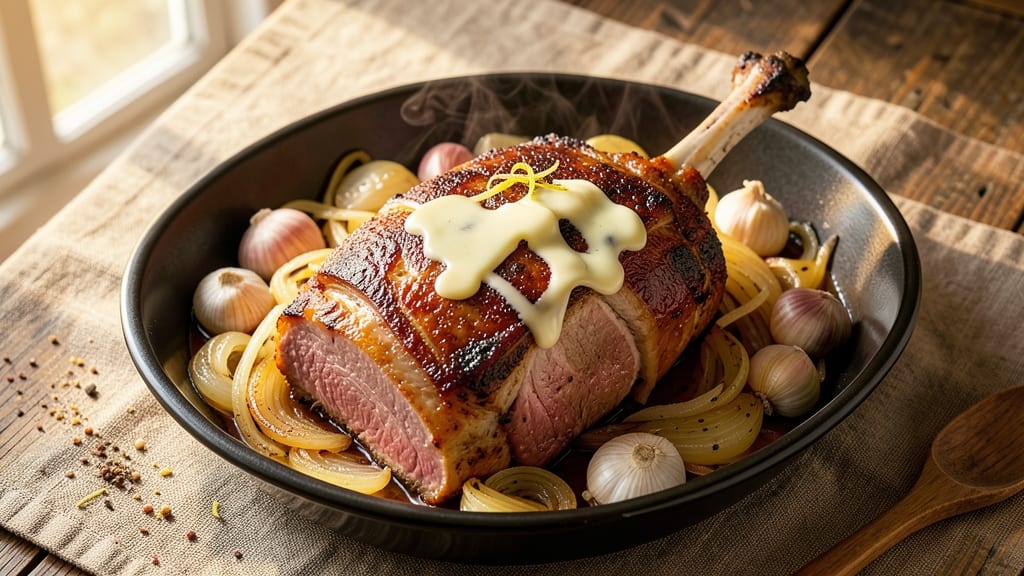
A bone-in pork rib roast recipe oven transforms a simple weeknight into a restaurant-worthy meal with just one pan and 325°F heat. The secret lies in slow-braising the bone first—this unlocks juicy pink hearts that stay tender even after hours in the oven.
I’ve perfected this method over years of testing, ensuring every bite delivers melt-in-your-mouth texture without drying out.
Start by seasoning the roast generously with salt and pepper, then sear it skin-side down in a hot pan to build flavor. The real magic happens in the oven, where the bone renders slowly, basting the meat in its own juices.
A 145°F internal temperature guarantees perfect doneness—no guesswork, just foolproof results. This technique works for both casual dinners and special occasions, with minimal effort.
What you’ll end up with is a roast so tender it practically falls apart, with crispy edges and a rich, caramelized crust. The bone adds depth to the flavor, creating a dish that’s hearty yet elegant.
Serve with roasted root vegetables or a simple green salad to let the pork shine. The best part? Leftovers reheat beautifully, making this a meal that keeps giving.
Confession: I used to overcook pork roasts until I discovered this method. Now, it’s my go-to for weeknight dinners that feel like a celebration. Trust me—once you try it, you’ll never go back to dry, tough pork again. Here’s how to make it happen in your kitchen.
Ingredients for bone in pork rib roast recipe oven
Six ingredients transform tough pork into melt-in-your-mouth perfection—juicy pink hearts with crispy edges.
| Ingredient | Amount | Notes |
|---|---|---|
| Bone-In Pork Rib Roast 🍖 | 4 lb | 4-5 ribs, even thickness preferred |
| Kosher Salt 🧂 | 1 ½ tbsp | Diamond Crystal preferred |
| Freshly Ground Black Pepper 🌶️ | 1 ½ tsp | Freshly cracked for best flavor |
| Unsalted Butter 🧈 | ½ cup | Cold, cubed for searing |
| Yellow Onion 🧅 | 1 whole | Quartered, skin on for browning |
| Garlic Cloves 🧄 | 6 cloves | Smashed, skin on for flavor |
| Fresh Thyme Leaves 🌿 | ¼ cup | Or 1 tbsp dried thyme |
| Fresh Rosemary 🌿 | ¼ cup | Chopped, stems removed |
| Extra-Virgin Olive Oil 🫒 | 2 tbsp | For searing pan |
| Beef Stock 🥫 | 1 cup | Low-sodium preferred |
| Dry Red Wine 🍷 | ½ cup | Bold variety like Cabernet |
| Fresh Parsley 🌿 | ¼ cup | Chopped, for garnish |
| Red Wine Vinegar 🍶 | 1 tbsp | For deglazing |
The pork is everything here. Look for a rib roast with good marbling—that white fat between the muscles is what keeps it juicy. Costco or Whole Foods usually carry the best cuts, but your local butcher can trim it to your preferred size. I always ask for a roast with 4-5 ribs—big enough to feed a crowd but not so large it dries out. The bone is non-negotiable; it's what creates those pink hearts when braised properly. If your roast has a thick fat cap, leave it on—it renders down beautifully and adds flavor. For the wine, Cabernet Sauvignon or Merlot work best—they're bold enough to stand up to the pork.
No beef stock? Chicken stock works in a pinch, though it won't have the same depth. Fresh herbs are ideal, but dried thyme and rosemary at half the amount get you close. The butter should be cold when you cube it—take it out of the fridge 20 minutes before searing so it's firm but not rock-hard. No red wine? Substitute extra beef stock or even apple cider—it adds sweetness that balances the richness. The onions and garlic can be caramelized ahead of time and stored in the fridge for up to 3 days, saving you prep time on busy nights. And if you're feeling fancy, add a bay leaf to the braising liquid for extra aroma.
This roast reheats like a dream—350°F for 15-20 minutes covered with foil, then uncovered for the last 5 minutes to crisp up the edges. Leftovers keep for 4-5 days in the fridge, but honestly, they taste even better the next day as all the flavors meld. For meal prep, slice the pork off the bone and portion it with the braising liquid—freezes beautifully for up to 3 months. The bones? Don't toss them! Simmer them with water and herbs for a rich pork stock later. And save that caramelized onion mixture—it's perfect for burgers or sandwiches.
Why You'll Love This Recipe
- Hands-Off Roast: I swear by this method—just season the pork with salt and pepper, sear it in butter until golden, then let the oven do the work. No basting, no hovering, no stress. The bone renders slowly, basting the meat in its own juices while you sip wine and pretend you’re not cooking.
- Butter-Basted Magic: That crispy skin? Pure satisfaction. The butter pools in the roasting pan, turning the onions into caramelized bits while the pork develops a golden crust. Between us, it’s the kind of flavor that makes people ask, “What’s in this?”—and then beg for the recipe.
- Weeknight or Weekend: Between us, this roast works for anything. Serve it sliced thin for sandwiches on a lazy Sunday, shred it for tacos when the kids are home, or carve it whole for a dinner party. Honestly, I’ve even repurposed leftovers into a stir-fry—because pork rib roast is that versatile.
- Stretch Your Budget: A bone-in rib roast costs less than two chops, and it feeds a crowd. I’ve turned one into four meals: roast night, sandwiches the next day, and two more lunches with the scraps. Plus, the onions add depth without breaking the bank—just slice, caramelize, and let the oven work its magic.
Step-by-step instructions for juicy oven-braised pork rib roast
Transform tough ribs into melt-in-your-mouth perfection with this hands-off method.
Season and Sear the Pork Rib Roast
Preheat your oven to 425°F with a rack positioned in the lower third. Pat the 4 lb bone-in pork rib roast completely dry with paper towels—this ensures maximum crispiness. In a small bowl, mix 1.5 tbsp kosher salt and 1.5 tsp freshly ground black pepper, then rub this generously over all surfaces of the meat, including the cut sides.
Heat 2 tbsp extra-virgin olive oil in a large oven-safe skillet over medium-high heat. Once shimmering, add the pork rib roast fat-side down and sear for 8-10 minutes until the fat renders and the meat develops a deep golden crust. Flip carefully and sear the other side for another 6-8 minutes. The key here is patience—don't rush the searing or the crust will burn before the meat cooks through.
Build the Flavorful Braising Liquid
Remove the skillet from the stovetop and place it on a heat-safe surface. Add 0.5 cup cold unsalted butter to the skillet, letting it melt slightly into the rendered pork fat. Toss in the 1 whole yellow onion (quartered with skin on) and 6 cloves garlic (smashed but skin-on), stirring to coat in the fat. Cook for 3-4 minutes until the onion softens and the garlic becomes fragrant.
Deglaze the pan by pouring in 0.5 cup dry red wine and 1 tbsp red wine vinegar, scraping up all the browned bits from the bottom with a wooden spoon. Let this mixture simmer for 2-3 minutes until reduced by half. Stir in 1 cup beef stock, 0.25 cup fresh thyme leaves, and 0.25 cup fresh rosemary, bringing everything to a gentle simmer.
Braise Until Fork-Tender
Carefully return the pork rib roast to the skillet, spooning the braising liquid over the top. Transfer the entire skillet to the preheated oven and cover tightly with foil. Braise for 2 hours at 425°F, then reduce the oven temperature to 325°F and continue cooking for another 1.5-2 hours, until the meat is fork-tender and pulls away from the bone with minimal resistance.
Here's the thing—this long, slow cook is what transforms tough pork into juicy perfection. The meat should reach an internal temperature of 195-205°F when checked with an instant-read thermometer. If the liquid reduces too much before the meat is done, simply add ¼ cup hot water to maintain moisture without diluting the flavors.
Rest and Serve with Pan Sauce
Remove the pork rib roast from the oven and transfer it to a cutting board. Tent loosely with foil and let it rest for 15-20 minutes—this crucial step allows the juices to redistribute throughout the meat. While it rests, carefully strain the braising liquid through a fine-mesh sieve into a saucepan, pressing on the solids to extract maximum flavor. Skim off any excess fat that has risen to the surface.
Return the strained liquid to the skillet and simmer over medium heat for 5-7 minutes until slightly thickened. If you prefer a glossier sauce, whisk in 1 tbsp cold butter at the end. Once the pork has rested, slice between the bones into individual ribs. Arrange the ribs on a platter, spoon the pan sauce over the top, and garnish with 0.25 cup chopped fresh parsley. Serve immediately with crusty bread or roasted potatoes to soak up every last drop of that rich, herby sauce.
Pro Tips For Making Bone In Pork Rib Roast Recipe Oven
- CRANK THE HEAT FIRST: High heat. Seriously, crank it up to 450°F for the first 15 minutes—this sears the exterior fast and locks in juices before the slow cook. I used to skip this and ended up with a roast that was tender but bland; the Maillard reaction on that crust is non-negotiable.
- SALT THE ONIONS TOO: Slice the yellow onion thin, toss it in a bowl with 1/2 teaspoon of kosher salt, and let it sit for 10 minutes before adding it to the roast. Sounds weird, but it works: the salt draws out moisture, making the onions caramelize better when they melt into the butter later.
- SKIP THE CROWDED PAN: If your roasting pan is shallow, use a wire rack over a baking sheet instead. The air circulates, and the meat doesn’t steam in its own juices—this guarantees a crispy exterior instead of a soggy one. I learned this the hard way after my first attempt left me with a roast that looked like it had been boiled.
- REST UNDER FOIL: Once the roast hits 140°F internally, pull it out and tent it loosely with foil for 10 minutes. This keeps it warm while the juices redistribute—cutting it early means dry meat, and no one wants that. (Yes, even if you're impatient like me.)
Creative variations of these flavors
Herb-Infused Red Wine Braise
Swap the beef stock for 2 cups dry red wine (like Cabernet Sauvignon) and add 1 sprig rosemary plus 1 sprig thyme tied with kitchen twine. Simmer uncovered for 20 minutes to concentrate flavors, then pour around the roast.
This creates a rich, velvety sauce with deep herbal notes that complement the pork beautifully. 🍷
Honey-Glazed Finish
After braising, brush the pork with 2 tbsp honey mixed with 1 tbsp Dijon mustard before the final 30 minutes of cooking. The caramelization adds a subtle sweetness that balances the savory meat. I love finishing with a sprinkle of flaky sea salt for contrast.
Spicy Smoked Paprika Version
Add 1 tbsp smoked paprika and ½ tsp cayenne pepper to the seasoning rub for a smoky kick. Deglaze with ½ cup apple cider vinegar instead of wine for tangy depth. This works amazingly with roasted sweet potatoes and a cool cucumber salad to cut the heat. 🌶️
Creamy Mustard Sauce Twist
After braising, blend the cooking liquid with ½ cup crème fraîche or sour cream and 1 tbsp whole-grain mustard for a luxurious finish. This adds tangy richness that pairs perfectly with the tender pork. Serve with buttery egg noodles for a comforting meal.
Quick Weeknight Adaptation
For faster results, sear the roast then transfer to a Dutch oven with 1 cup chicken broth, 1 tbsp tomato paste, and 1 bay leaf. Cover and bake at 325°F for 2 hours. This cuts prep time by 30 minutes without sacrificing flavor.
Leftovers Reinvented
Slice the cooled pork and toss with 1 tbsp soy sauce, 1 tsp sesame oil, and ½ cup shredded cabbage for a quick Asian-inspired salad. The tender meat holds up perfectly to bold flavors. Store leftovers in an airtight container for up to 5 days. ✨
Nutrition facts
Frequently asked questions
Why does the recipe call for such a long cooking time?
The extended braising time—3.5-4 hours total—is what transforms tough pork into melt-in-your-mouth perfection. The bone acts as a natural tenderizer, releasing collagen that breaks down into gelatin during slow cooking. This creates those signature juicy pink hearts while keeping the meat moist. Rushing the process leads to dry, stringy results. Think of it like a slow dance with the oven—patience pays off with restaurant-quality flavor.
Can I use a different cut of pork instead of rib roast?
This recipe works best with bone-in pork ribs, but you can adapt it for other cuts. For pork shoulder or pork loin, reduce braising time by 30-45 minutes since they cook faster. Avoid lean cuts like tenderloin—they lack the fat and connective tissue needed for this method. The bone is key for flavor and moisture, so if substituting, look for cuts with natural fat marbling.
What if my oven isn't exactly 425°F or 325°F?
Most home ovens fluctuate by ±25°F, so don't stress about exact temperatures. Focus on these visual cues instead: The roast should sizzle vigorously when searing (medium-high heat) and develop a deep golden crust. During braising, the liquid should bubble gently when uncovered. For the final 325°F phase, aim for a slow simmer—if it's boiling vigorously, reduce the heat slightly. An oven thermometer is your best friend for accuracy.
How do I know when the pork is fully cooked?
Use a meat thermometer to check the thickest part of the meat (avoiding the bone). It should read 195-205°F—this is well above the USDA's minimum 145°F for pork. The meat will pull away from the bone easily and be fork-tender. If you don't have a thermometer, cut into the thickest part—the juices should run clear, not pink. The bone should also feel slightly soft when pressed gently.
What's the best way to reheat leftovers?
Slice the pork off the bone and portion it with some braising liquid. Reheat in an oven-safe dish at 350°F for 15-20 minutes, covered with foil, then uncover for the last 5 minutes to crisp edges. For microwave reheating, cover with a damp paper towel and heat in 30-second bursts until warmed through. Never reheat bone-in pork—it's too dense and can dry out. Leftovers taste even better the next day as flavors meld!