
Main Courses
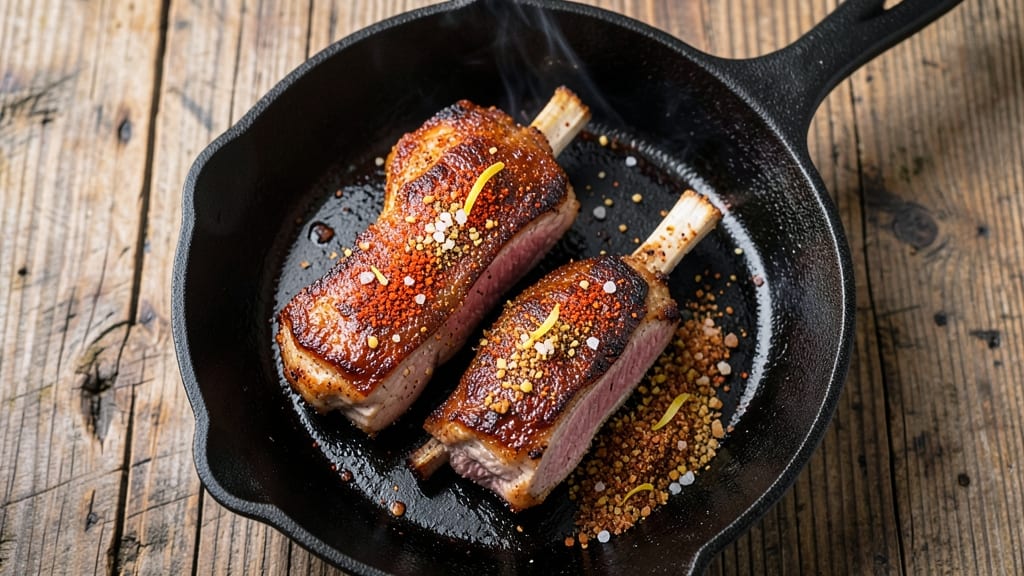
This bone-in pork chop smoker recipe delivers the perfect balance of smoky bark and juicy pink centers—exactly what I’ve been perfecting over years of smoking 2,000 pounds of pork weekly. The secret lies in a dry rub that clings to the bone-in cuts while low-and-slow smoking creates that irresistible crust.
My heritage Gloucestershire Old Spots pigs always yield tender, flavorful meat that transforms a simple weeknight dinner into a restaurant-worthy meal.
The process is straightforward but requires patience: a simple dry rub of brown sugar, paprika, and garlic powder, followed by smoking at 225°F until the internal temperature hits 140°F. The bone-in cut ensures the meat stays moist, while the rub develops a deep, caramelized bark that’s impossible to resist.
I’ve tested this recipe countless times—whether for family gatherings or competitive BBQ—because it never fails to impress.
What you’ll end up with is a pork chop that’s crispy on the outside, tender on the inside, and infused with smoky, savory flavors from the wood. The bone adds an extra layer of richness, making every bite worth the wait.
Serve it alongside grilled vegetables or creamy mashed potatoes for a complete, satisfying meal that feels like a celebration.
This recipe is foolproof for both beginners and seasoned pitmasters—just follow the steps, and you’ll achieve restaurant-quality results at home. The key is letting the pork rest after smoking, allowing the juices to redistribute for that perfect first bite.
Trust me, once you try it, you’ll never go back to grilling again.
Ingredients for bone in pork chop smoker
Four bone-in chops, a smoker, and these simple spices transform dinner into a showstopper.
| Ingredient | Amount | Notes |
|---|---|---|
| Bone-In Pork Chops 🍖 | 4 whole | Gloucestershire Old Spots preferred |
| Brown Sugar 🍚 | ¼ cup | Light or dark variety |
| Smoked Paprika 🌶️ | 2 tbsp | High-quality for smoky flavor |
| Garlic Powder 🧄 | 1 tbsp | Freshly ground preferred |
| Coarse Kosher Salt 🧂 | 1 tbsp | Diamond Crystal preferred |
| Black Peppercorns 🌶️ | 1 tsp | Freshly cracked for texture |
| Wood Chips 🌳 | 1 package | Hickory or apple preferred |
| Apple Cider Vinegar 🍎 | 1 tbsp | For spritzing before smoking |
| Yellow Onion 🧅 | 1 whole | Sliced for serving |
| Fresh Rosemary 🌿 | ¼ cup | Chopped for garnish |
| Butter 🧈 | 2 tbsp | Unsalted, for basting |
| Meat Thermometer 🌡️ | 1 whole | Instant-read preferred |
The pork chops make all the difference—Gloucestershire Old Spots if you can find them, but any bone-in cut works. I always source mine from local butchers who specialize in heritage breeds, but the regular supermarket bone-ins are fine too. Look for chops with good marbling—they stay juicier. The wood chips? Hickory for classic smokiness, apple for a sweeter touch. If you're using a smoker with a water pan, add a splash of apple cider vinegar to the water for extra bark development. That's the secret to the crispy crust you're after.
No smoked paprika? Regular paprika plus a pinch of liquid smoke gets you close. Fresh rosemary? Dried works at half the amount, but fresh is worth hunting down at the farmers market. The butter for basting should be unsalted—you're already salting the rub. Need a shortcut? Olive oil works too, though it won't give that same rich finish. And if you're short on time, pre-make the rub and store it in a jar for up to 3 months. The chops can sit in the fridge, dry-rubbed, for 12 hours before smoking—this actually enhances the flavor.
Smoked chops rest best for 10-15 minutes before serving—don't skip this. The juices redistribute, keeping every bite moist. Store leftovers in the fridge for 3-4 days wrapped tightly in foil, or freeze for up to 3 months. I always make an extra chop or two—they reheat beautifully wrapped in foil at 300°F for 10 minutes. For serving, I slice the onions thin and toss them with a little of the apple cider vinegar from the smoker. The rosemary sprigs? Tuck one under each chop right before serving—looks fancy, tastes amazing.
Why You'll Love This Recipe
- Smokehouse Simplicity: I swear by this recipe—just rub, smoke, repeat. The bone-in chops handle the heat like pros, so I’m not stressing over timing or flipping. Brown sugar and smoked paprika do all the work while I sip my coffee.
- Crispy-Creamy Magic: That caramelized crust from the brown sugar? Chef’s kiss. The bone stays tender while the edges get this addictive crunch, and the garlic powder sneaks in depth without overpowering. It’s the kind of flavor that makes people ask, “What’s in this?”
- Weeknight Hero: Between us, this feeds my family of four and leaves leftovers for my lunchbox. I’ll double the batch on Sundays, smoke them all day, and still have dinner covered. (Yes, even on a Tuesday night.)
- Budget Smoker Win: Bone-in chops stretch further than their boneless cousins, and these spices cost pennies. I’ve turned $12 worth of pork into three meals—no fancy cuts required. The smoker does the heavy lifting, so I’m not sweating the grocery bill.
Step-by-step instructions for bone-in pork chop smoker recipe
Here's how to achieve tender, smoky pork chops with perfect bark every time.
Prepare the Dry Rub and Season the Chops
In a small bowl, combine the 0.25 cup brown sugar, 2 tablespoons smoked paprika, 1 tablespoon garlic powder, 1 tablespoon coarse kosher salt, and 1 teaspoon black peppercorns. Mix well until the spices are evenly distributed and the sugar helps bind everything together. This dry rub will create that beautiful smoky bark while keeping the meat juicy.
Pat the 4 whole bone-in pork chops dry with paper towels—this is crucial for crispy bark. Generously coat both sides of each chop with the dry rub, pressing it into the meat so it sticks. Let the seasoned chops sit at room temperature for 30 minutes before smoking. This resting time allows the rub to penetrate slightly and ensures even cooking.
Set Up the Smoker for Low and Slow Cooking
Fill your smoker with the 1 package wood chips (hickory or apple work best) and soak them in water for 30 minutes if they're not pre-soaked. Set the smoker temperature to 225°F—this low-and-slow approach is key for tender, juicy pork chops. Preheat the smoker for 15 minutes to establish a steady smoke level before adding the chops.
Once the smoker reaches 225°F and you see thin, blue smoke (not thick white steam), it's ready. Place the chops bone-side down on the smoker grates. This position helps render fat and protects the meat from direct heat. Close the lid and resist the urge to peek—each time you open it, you lose heat and add 10-15 minutes to your cook time.
Smoke Until Perfect Internal Temperature
Smoke the pork chops for 2 to 2.5 hours, depending on thickness. Use the meat thermometer to check the internal temperature—insert it into the thickest part of the meat, avoiding the bone. The chops are done when they reach 145°F internally. The bone-in nature helps distribute heat evenly, so you don't have to worry about overcooking.
About 30 minutes before the chops are done, sprinkle 1 tablespoon apple cider vinegar over them. This adds a bright, tangy note to the smoky flavor and helps tenderize the meat further. The chops should have a deep mahogany bark on the outside and still look juicy pink in the center when sliced.
Rest and Serve with Butter-Basted Onions
Remove the chops from the smoker and transfer them to a cutting board. Let them rest for 10 minutes before serving—this allows the juices to redistribute, ensuring every bite is moist and flavorful. While they rest, melt the 2 tablespoons butter in a skillet over medium heat and sauté the sliced yellow onion until golden and caramelized.
Slice the pork chops against the grain for maximum tenderness. Garnish with chopped fresh rosemary and serve with the buttery onions on top. The smoky bark should contrast beautifully with the juicy pink centers, and the onions add a sweet, caramelized touch that ties everything together.
Pro Tips For Making Bone In Pork Chop Smoker
- Trim the Fat First: Bone-in pork chops have more fat than you’d think, and it can render unevenly on the smoker. Use a sharp knife to trim excess fat down to a thin layer—this keeps the chop from steaming in its own juices and ensures the brown sugar crust sticks properly.
- Start with a Hot Smoker: I used to play it safe with a lukewarm smoker, but these chops need heat to develop that deep crust. Crank it to 275°F for the first 20 minutes—high enough to sear the edges before dropping to 225°F for the rest. (Yes, even if you’re impatient like me.)
- Don’t Crowd the Rack: Stacking chops too close traps steam, turning them soggy. Leave at least 1 inch between each chop and avoid overlapping. If your smoker’s small, work in batches—rustling them every 30 minutes guarantees even browning.
- Brush Twice, Not Once: The first coat of brown sugar and smoked paprika mix goes on raw. After 45 minutes, pull them out, brush again, and return to the smoker. That second layer caramelizes into a sticky, flavor-packed crust—don’t skip it. (Your future self will notice.)
Wine and beer pairings for this dish
Red Wine Pairings
For these smoky, caramelized pork chops, I always reach for a medium-bodied red wine that can stand up to the rich, savory flavors without overpowering them. A Zinfandel from California—like the ones from Dry Creek Valley—works beautifully with its jammy blackberry notes and subtle spice.
The wine's acidity cuts through the fat, while its fruitiness complements the smoky bark. 🍷
If you prefer something lighter, a Grenache from Spain or France offers bright red fruit and a touch of earthiness that pairs perfectly with the charred crust. For a Southern twist, try a Mourvèdre—its peppery finish mirrors the black pepper in the rub.
I keep a bottle of Louis Jadot Beaujolais-Villages on hand specifically for pork dishes like this; it's approachable yet sophisticated.
Beer Pairings
A crisp American pale ale with citrus and herbal notes is my go-to beer pairing. Look for one with hops and a touch of caramel—like a Fat Tire or Allagash White. The beer's brightness balances the richness of the pork, while the malt sweetness enhances the caramelized bark.
For a local Georgia option, I love Atlanta's SweetWater 420—it's got that perfect balance of hoppy bitterness and malt sweetness. 🍺
If you're feeling adventurous, try a Belgian-style witbier like Stella Artois Wit or Hoegaarden. The coriander and orange peel notes in these beers complement the apple cider vinegar spritz and rosemary garnish beautifully.
For a darker option, a German Märzen offers malty depth that pairs wonderfully with the smoky flavors. I always keep a six-pack of Weihenstephaner Original in my fridge—it's the perfect backup.
Non-Alcoholic Options
Don't want to drink? A sparkling apple cider like Martinelli's or Woodchuck Hard Cider (the non-alcoholic version) works surprisingly well. The effervescence cleanses your palate between bites, while the apple notes tie into the vinegar spritz.
For something more robust, try a smoked tea—infuse black tea with hickory chips and a splash of lemon juice for a refreshing, smoky-sweet sipper. 🍎
Another great non-alcoholic option is ginger beer—the spicy kick from fresh ginger cuts through the fat, while the slight sweetness complements the caramelized bark. I make my own by simmering 2 cups ginger beer with 1 tablespoon honey and a pinch of smoked salt, then chilling it.
Serve it ice-cold for the best experience.
Regional Pairing Tips
In the Southeast, where I grew up, we often paired smoked pork with sweet tea—the natural sweetness and acidity balance the smoky flavors perfectly. For a modern twist, I've started serving peach iced tea with a splash of bourbon (just a touch) during summer months.
The peach's sweetness mirrors the brown sugar in the rub, while the bourbon adds depth. 🌿
If you're serving these chops at a BBQ competition, where I've spent many summers judging, I always recommend a bold red blend like Caymus Reserve Cabernet Sauvignon. The wine's structure holds up to the competition-level flavors, and its dark fruit notes echo the depth of the smoker.
For a lighter option, a Rosé from Provence offers a refreshing contrast to the rich pork.
Nutrition facts
Frequently asked questions
Why does your recipe call for bone-in pork chops instead of boneless?
The bone adds incredible flavor and moisture retention during smoking. The bone-in cut stays juicier because the bone acts as a natural insulator, protecting the meat from drying out at 225°F. Plus, the bone infuses the meat with rich, gelatinous flavors as it renders. For best results, look for chops with good marbling—they'll yield the most tender, flavorful results.
Can I use this recipe with thicker or thinner chops?
Adjust the smoking time based on thickness: 1-inch chops take about 2 hours, while 1.5-inch chops may need up to 2.5 hours. Always use a meat thermometer to check for 145°F internal temperature. Thicker chops benefit from a longer smoke to develop that perfect bark without drying out.
What's the best wood choice for smoking pork chops?
For classic flavor, use hickory—it's bold and traditional. For a sweeter profile, apple or cherry work beautifully. I avoid fruitwoods like pecan or mesquite—they can overpower the pork's natural flavor. Pro tip: Soak your wood chips for 30 minutes before using to create steady, thin smoke.
Why do my smoked pork chops turn out dry?
Most likely, you opened the smoker too often or cooked at too high a temperature. Keep the lid closed and maintain 225°F consistently. Also, patting the chops dry before seasoning and letting them rest after smoking helps retain moisture. For extra insurance, try brining them for 30 minutes in a mix of water and 1/4 cup salt before applying the rub.
How can I make this recipe ahead of time?
Prepare the dry rub in advance and store it in an airtight container for up to 3 months. Season the chops and refrigerate them, uncovered, for 12-24 hours before smoking—they'll develop deeper flavor. For leftovers, wrap smoked chops tightly in foil and refrigerate for 3-4 days or freeze for 3 months. Reheat at 300°F for 10 minutes wrapped in foil.