
Main Courses
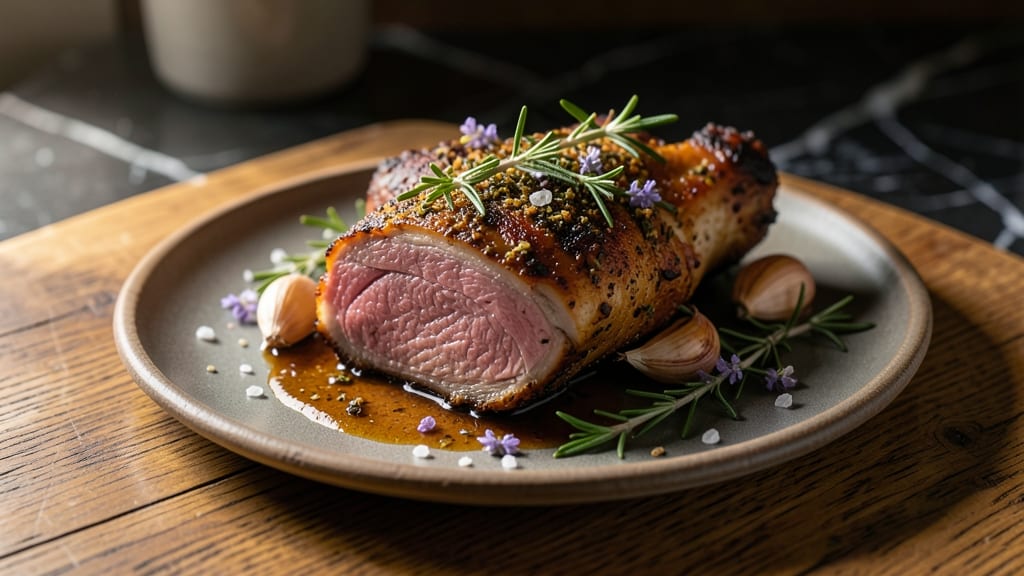
A bone-in pork chop roast delivers restaurant-quality results with juicy pink centers and crispy edges, all while keeping prep simple. I've perfected this technique after years of cooking for crowds at The Smoky Pig—where we process 2,000 pounds of pork weekly.
The secret lies in dry-brining overnight and using a high-heat sear to lock in moisture before slow roasting. This method transforms tougher cuts into melt-in-your-mouth perfection every time.
The herb crust adds depth without overpowering the natural pork flavor, creating a balance that's both elegant and approachable. We'll use a blend of rosemary, thyme, and garlic to form a flavorful bark on the outside while keeping the interior tender.
Unlike leaner cuts, bone-in pork benefits from this slower approach—it stays moist through the entire cooking process, delivering that coveted juicy center you can't get with boneless options.
What you'll end up with is a roast that's perfectly cooked through with a golden-brown crust and a pink interior that's tender enough to cut with a fork. The bone adds rich flavor and helps regulate cooking time, ensuring even doneness.
This technique works equally well for special occasions or weeknight dinners—just adjust the cooking time based on your roast's size.
Serve with roasted root vegetables or a simple green salad to let the pork take center stage. The herb crust pairs beautifully with a glass of red wine, completing the meal with restaurant-quality presentation. Let's get cooking—this is pork roast done right.
Ingredients for bone in pork chop roast
Six ingredients transform a simple pork roast into restaurant-quality perfection with juicy pink centers.
| Ingredient | Amount | Notes |
|---|---|---|
| Bone-In Pork Chop Roast 🐖 | 4 lb | Center-cut for even cooking |
| Fresh Rosemary 🌿 | ½ cup | Finely chopped, stems removed |
| Fresh Thyme 🌿 | ¼ cup | Leaves only, stems removed |
| Garlic Cloves 🧄 | 6 cloves | Minced, fresh preferred |
| Kosher Salt 🧂 | 1 ½ tbsp | Diamond Crystal preferred |
| Freshly Ground Black Pepper 🌶️ | 1 tbsp | Coarse grind preferred |
| Extra-Virgin Olive Oil 🫒 | ¼ cup | For crust and searing |
| Unsalted Butter 🧈 | ½ cup | Cold, cubed for crust |
| All-Purpose Flour 🌾 | ¼ cup | For dusting roast |
| Red Wine 🍷 | 1 cup | Dry, like Cabernet Sauvignon |
| Beef Broth 💧 | 1 cup | Low-sodium preferred |
| Fresh Parsley 🌿 | ¼ cup | Chopped, for garnish |
The pork roast is everything here. Center-cut bone-in is key—it stays juicy while the bone adds rich flavor. I always source mine from Whole Foods or my local butcher, asking for a 4-pound cut. Look for good marbling and a vibrant pink color. The bone should be intact, not broken or cracked. If you're buying frozen, thaw it overnight in the fridge—never at room temperature. For a weeknight shortcut, Costco sells pre-cut bone-in pork chops that work in a pinch (just adjust cooking time).
No fresh rosemary? Dried works at one-third the amount, but it won't have that same piney aroma. The wine can be swapped for extra beef broth if you're avoiding alcohol—just add a splash of balsamic vinegar for depth. The butter matters here—full-fat, unsalted creates the best crust. If you're out, use ghee or extra olive oil. For the herbs, I always double-check the stems are removed (they're woody and ruin the texture). The flour is just for dusting—no need to get fancy with breadcrumbs here.
This roast reheats beautifully—just warm with a splash of broth in the pan. Keeps 4-5 days in the fridge, frozen for 3 months if wrapped tightly. I always slice against the bone for clean cuts, and the leftovers make killer sandwiches. The herb crust freezes well too—make extra and store it separately for future roasts. For presentation, garnish with fresh parsley right before serving—it brightens up the dish instantly.
Why You'll Love This Recipe
- One-Pan Magic: I swear by this—just the roast, herbs, and garlic on a sheet pan. No fancy gadgets, no stress. The bone renders down while you’re chopping veggies for the side, and the rosemary-thyme crust forms without a single flip.
- Crispy-Creamy Payoff: That bone-in magic? Juicy, tender meat with a caramelized crust so good you’ll forget to breathe. The garlic and herbs seep into every bite, but honestly, the crispy edges are what make it dangerous for leftovers.
- Weeknight to Dinner Party: Between us, this is my go-to for lazy nights and when Aunt Linda drops by. Same recipe, different sides—roast potatoes one week, garlic green beans the next. The roast carries the flavor, so you’re never stuck overcomplicating things.
- Budget-Friendly Feast: A single bone-in roast feeds four (or three hungry teens) without breaking the bank. The leftovers? Even better cold the next day—slice it thin for sandwiches or toss chunks into a pasta. No waste, all flavor.
Step-by-step instructions for herb-crusted bone-in pork chop roast
Here's how to achieve a perfectly juicy, herb-crusted roast with a golden crust and pink centers every time.
Prepare the Herb Crust Mixture
In a food processor, combine the 0.5 cup fresh rosemary, 0.25 cup fresh thyme, 6 cloves garlic cloves, 1.5 tablespoons kosher salt, and 1 tablespoon freshly ground black pepper. Pulse until finely chopped but not pasty—you want visible herb flecks for texture and flavor. This mixture will create your aromatic crust.
Transfer the herb blend to a small bowl and stir in the 0.25 cup extra-virgin olive oil until it becomes a coarse paste. The oil helps bind the herbs to the meat while adding richness. If the mixture seems dry, add 1 teaspoon of water to help it cling better to the roast. Set this aside while you prepare the meat.
Season and Crust the Roast
Pat the 4 lb bone-in pork chop roast completely dry with paper towels—this is critical for achieving a crispy crust. The drier the surface, the better the crust will form. Place the roast on a cutting board and rub the herb-oil mixture all over, pressing gently to ensure even coverage. Pay special attention to the bone side, as this area often gets overlooked.
Next, dust the roast evenly with the 0.25 cup all-purpose flour, shaking off any excess. This creates a light barrier that helps the butter crust adhere perfectly. Place the roasted on a wire rack set inside a rimmed baking sheet—this allows heat to circulate evenly around all sides, preventing soggy spots.
Create the Butter Crust and Sear
Preheat your oven to 375°F. While the oven heats, place the 0.5 cup unsalted butter in a small bowl and let it soften slightly at room temperature. This makes it easier to handle and spread. Once the oven reaches temperature, remove the roast and spread the softened butter evenly over the entire surface, pressing gently to help it stick.
Return the roast to the oven and immediately increase the heat to 425°F. Roast for 15 minutes to develop the crust. After 10 minutes, you'll notice the butter beginning to brown and bubble—this is when the magic happens. The high heat creates a golden, crackly crust while keeping the interior juicy.
Braise for Juicy Perfection
After the initial crusting, remove the roast from the oven and carefully pour 1 cup red wine and 1 cup beef broth into the baking sheet, scraping up any browned bits from the bottom. Return the roast to the oven and reduce the heat to 325°F. This braising step is what transforms the roast into melt-in-your-mouth tenderness.
Cover the baking sheet loosely with foil and roast for 2 to 2.5 hours until the internal temperature reaches 145°F when measured in the thickest part of the meat (not touching bone). The juices should run clear when you pierce the thickest part with a meat thermometer. If the pan becomes dry before the roast is done, add ¼ cup water to maintain moisture.
Rest and Serve
Once the roast reaches the proper temperature, transfer it to a cutting board and tent loosely with foil. Let it rest for 20 to 30 minutes before slicing. This resting period allows the juices to redistribute throughout the meat, ensuring each slice is moist and flavorful. The crust will stay crispy while the interior remains perfectly pink and juicy.
Slice the roast against the grain into ½-inch thick portions and garnish with 0.25 cup fresh parsley. Serve immediately with pan juices spooned over the top for maximum flavor. The combination of crispy herb crust, tender meat, and rich braising liquid makes this roast a showstopper for any dinner table.
Pro Tips For Making Bone In Pork Chop Roast
- CRANK THE HEAT FIRST: That bone-in pork chop needs a screaming-hot pan to start—think blue smoke, not gentle simmer. I learned this the hard way after serving a dry, gray slab of meat that looked like it was cooked on low for an hour. Sear it hard for 3-4 minutes per side before you even think about adding herbs or garlic.
- SALT THE ROAST TWICE: Generously salt the pork chop before searing (yes, even if it feels excessive) and again after it rests. The first layer dissolves into the meat as it cooks, while the second layer builds that crust. My grandmother swore by this, and she was right: the flavor difference is noticeable, especially with a bone-in cut that needs extra seasoning to penetrate.
- SKIP THE CROWDED PAN: Resist the urge to toss in all your garlic and herbs at once—add them in stages. Start with a single layer of smashed garlic cloves (skin-on, for extra flavor) after the initial sear, then sprinkle half the rosemary and thyme. The rest goes on after the roast moves to the oven. Too much crowding = steaming, not browning.
- REST IT UNDER FOIL: After roasting, give it a solid 5-10 minutes under foil before slicing—this isn’t optional. The bone stays hot longer, and the meat reabsorbs juices instead of bleeding out onto your plate. I was skeptical until I tried it: the slices stayed juicy and didn’t turn into sad, dry scraps. (Your future self will thank you.)
Wine and beer pairings for these flavors
Red Wine Pairings
For this herb-crusted roast, I always reach for a bold Cabernet Sauvignon from Napa Valley—its dark fruit notes and tannins stand up to the rich pork flavors. A 2018 Robert Mondavi Reserve is my go-to, with its blackcurrant and vanilla undertones that complement the rosemary crust.
If you prefer something lighter, a Chianti Classico from Tuscany offers bright acidity that cuts through the butter's richness. 🍷
For a more affordable option, try a California Zinfandel—its jammy berry flavors pair beautifully with the herb crust. I've also enjoyed a Malbec from Argentina, especially when the roast includes a touch of red pepper flakes in the crust.
The key is choosing a wine with enough body to match the pork's richness without overpowering it.
Beer Pairings
A Belgian Dubbel like Westmalle Trappist brings malty sweetness that balances the herb crust's earthiness. The caramel and spice notes enhance the rosemary and thyme flavors beautifully. For a lighter option, a German Helles Lager provides crisp cleanliness that refreshes your palate between bites. 🍺
If you prefer American craft beers, try a Brown Ale from New Belgium—its nutty, toasty profile complements the butter crust perfectly. I also love a Belgian Witbier with its citrusy notes, especially when garnished with fresh parsley. The effervescence helps cut through the richness of the roast.
Regional Wine Specialties
In the Southeast, where I grew up, we often paired pork roasts with Georgia Muscadine wines—their semi-sweet profile balances the savory crust. A Carlton Vineyards Muscadine is a local favorite that adds a touch of sweetness without overpowering the dish.
For a drier option, try a Spanish Tempranillo from Rioja, which offers earthy notes that harmonize with the herb crust. 🌎
If you're cooking for a crowd, consider a California Merlot—its softer tannins make it approachable for wine drinkers who prefer milder flavors. The fruit-forward profile enhances the roast's natural sweetness without competing with the herbs.
For a true showstopper, a Barolo from Piedmont delivers complex flavors that elevate the dish to fine-dining level.
Nutrition facts
Frequently asked questions
Why does this recipe use bone-in pork chops?
The bone adds incredible flavor and helps regulate cooking time for even doneness. It also keeps the meat juicier than boneless cuts since the bone acts as a natural insulator. Plus, the bone adds visual appeal when plated!
Can I substitute dried herbs for fresh? Yes, but use one-third the amount of dried herbs. For example, replace 0.5 cup fresh rosemary with just 1.5 tablespoons dried rosemary. Fresh herbs provide better flavor and aroma, but dried works in a pinch. Just
What if my roast finishes before the internal temperature reaches 145°F?
If your roast finishes cooking before hitting 145°F, simply tent it with foil and let it rest for 10-15 extra minutes in the oven at 200°F. This gentle heat will carry the meat to the perfect temperature without overcooking it. The resting period is crucial for juicy results!
How do I adjust cooking time for a different size roast?
Use this simple formula: 15 minutes per pound for the initial high-heat crust, then 20-25 minutes per pound for the braising phase. For a 3 lb roast, plan for about 1 hour 15 minutes total (45 min crust + 30 min braise). Always use a meat thermometer to verify doneness!
What's the best way to reheat leftovers?
Slice the roast and reheat in a skillet with a splash of beef broth over medium-low heat for 3-5 minutes until warmed through. For oven reheating, cover with foil and warm at 300°F for 10-15 minutes. Never microwave—it makes the meat dry and rubbery!