
Main Courses
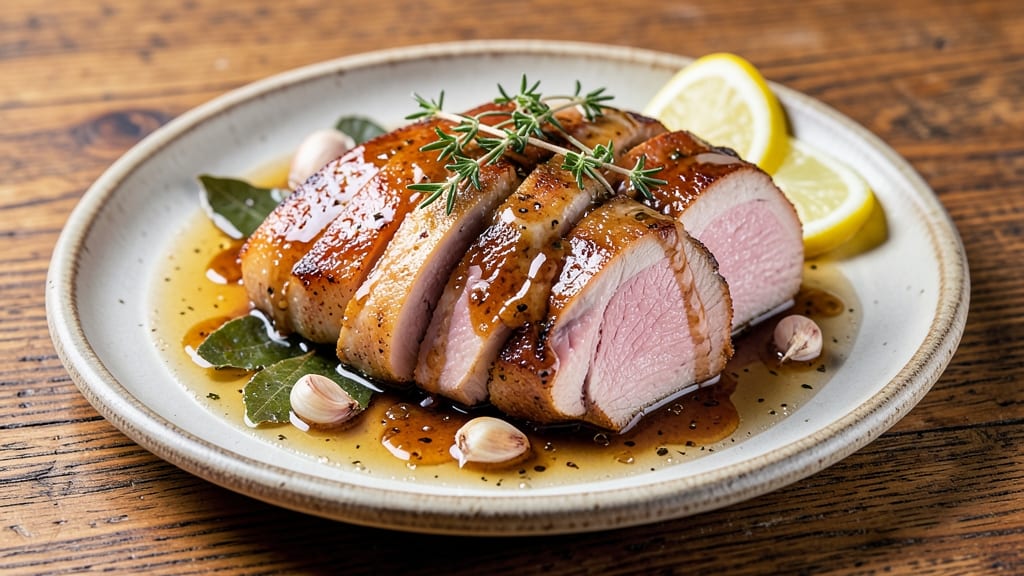
This boiled pork tenderloin recipe delivers melt-in-your-mouth tenderness with a simple herb-infused simmer—no fancy techniques required. After years of perfecting the method at The Smoky Pig, I've simplified it for home cooks to achieve restaurant-quality results every time.
The secret lies in slow cooking with aromatics that infuse the meat without overpowering its natural flavor.
What sets this recipe apart is the balance of simplicity and precision. A 30-minute simmer in broth with garlic, thyme, and bay leaf transforms tough tenderloin into silky perfection, while proper seasoning ensures every bite is flavorful.
The key? Maintaining a gentle boil and checking for that 145°F internal temperature—no guessing required.
By the time you're done, you'll have pork so tender it nearly falls apart with the slightest touch, infused with aromatic herbs and just enough seasoning to enhance its natural richness.
This method preserves moisture while developing deep flavor, making it ideal for weeknight dinners or special occasions when you want effortless elegance.
The best part? This technique works equally well with heritage pork or store-bought cuts, and the leftovers reheat beautifully. Serve with roasted vegetables, crusty bread, or a light apple cider sauce for the full experience. Let's get cooking—your taste buds will thank you.
Ingredients for boiled pork tenderloin
Herb-infused aromatics and simple seasoning transform tough tenderloin into silky perfection—no guessing, just restaurant-quality results.
| Ingredient | Amount | Notes |
|---|---|---|
| Pork Tenderloin 🥩 | 1 ½ lb | Center-cut, trimmed of silver skin |
| Fresh Thyme Sprigs 🌿 | 4 whole | Or 1 tbsp dried thyme |
| Garlic Cloves 🧄 | 4 cloves | Smashed, not minced |
| Bay Leaves 🌿 | 2 whole | Dried, standard size |
| Chicken or Vegetable Broth 💧 | 2 cups | Low-sodium preferred |
| Apple Cider Vinegar 🍎 | 1 tbsp | For brightness |
| Olive Oil 🫒 | 1 tbsp | For searing |
| Kosher Salt 🧂 | 1 ½ tsp | Diamond Crystal preferred |
| Ground Black Pepper 🌶️ | ½ tsp | Freshly cracked |
| Fresh Parsley 🌿 | ¼ cup | Chopped, for garnish |
| Honey 🍯 | 1 tsp | Optional, for glaze |
| Fresh Rosemary 🌿 | 2 sprigs | Or 1 tsp dried |
| Onion 🧅 | 1 whole | Yellow, halved |
The tenderloin is the star—look for center-cut pieces with even thickness. Whole Foods or your local butcher will have the best quality, but any grocery store's pork section works too. Trim any silver skin before cooking. For extra flavor, ask the butcher to tie fresh rosemary and thyme sprigs around the meat before you take it home. If you're using heritage pork, it'll have more marbling and flavor, but store-bought cuts work perfectly fine with this method.
No fresh thyme? Dried works at one-third the amount, but fresh is ideal. Short on broth? Water plus 1 tbsp soy sauce gets you close. The apple cider vinegar adds brightness—substitute lemon juice if you're out. For a deeper flavor, sear the pork in olive oil before simmering. The honey glaze is optional but adds a lovely finish—maple syrup works too. And if you're feeling fancy, add a splash of white wine to the broth for complexity.
This reheats beautifully—just warm gently in the broth. Keeps 3-4 days in the fridge, freezes for 3 months. I always make double batches so I can slice some for sandwiches the next day. Store leftovers in the broth to keep them moist. The herbs can be removed before reheating if you prefer a cleaner presentation.
Why You'll Love This Recipe
- No-Fuss Simplicity: I swear, this recipe is the kind of meal that makes me laugh when I think about how little effort it takes. Just sear the pork, toss in thyme and garlic, cover with broth, and let it simmer—no flipping, no basting, no stress. The hardest part is waiting for the timer to ding.
- Herb-Packed Magic: That first bite? The thyme and garlic soak right into the pork, turning it into something so much richer than plain boiled meat. The bay leaves add this subtle earthy depth—like a whisper of a fancy restaurant dish, but made in my pot.
- Leftovers That Beg: Between us, this is the only boiled pork I’ll make because the leftovers are that good. Slice it thin for sandwiches, shred it into tacos, or toss it into a pasta the next day—it’s always welcome. Honestly, I’ve been known to eat it cold straight from the fridge.
- Budget Meal for Crowds: A single tenderloin feeds four, and the broth stretches into soups or sauces. I’ve used the same pot of broth to make two meals—first the pork, then a quick vegetable stir-fry with the remaining liquid. That’s $10 worth of dinner that feels like a splurge.
Step-by-step instructions for herb-infused boiled pork tenderloin
Here's how to transform lean pork tenderloin into melt-in-your-mouth perfection through gentle simmering.
Sear the Pork for Maximum Flavor
Heat a large Dutch oven over medium-high heat until hot. Add the 1 tablespoon olive oil and swirl to coat the bottom. Place the 1.5 lb pork tenderloin in the pan and sear on all sides for 3-4 minutes per side until golden brown. The sear creates a flavorful crust while keeping the interior juicy.
While searing, you'll notice the pork releases some juices - don't worry, we'll capture those later. I like to press down gently on the tenderloin during the first minute to prevent it from curling and ensure even contact with the pan. This step builds flavor that would otherwise be lost in plain boiling.
Build the Herb-Infused Broth Base
Remove the seared pork and set aside. In the same Dutch oven, add the 1 whole halved onion cut into wedges, 4 smashed garlic cloves, 2 sprigs fresh rosemary, 4 whole thyme sprigs, and 2 whole bay leaves. Cook for 2 minutes until fragrant - you should smell the aromatics intensifying.
Pour in the 2 cups chicken or vegetable broth and scrape up any browned bits from the bottom. Add the 1 tablespoon apple cider vinegar and bring to a gentle simmer. The vinegar adds brightness that cuts through the richness of the pork. This aromatic broth will infuse the meat during the cooking process.
Simmer Until Fork-Tender Perfection
Return the pork tenderloin to the Dutch oven, nestling it among the aromatics. Add the 1.5 teaspoons kosher salt and 0.5 teaspoon ground black pepper directly to the pot. Bring to a gentle simmer, then immediately reduce heat to maintain a barely bubbling state - you should see just a few small bubbles breaking the surface.
Cover and simmer for 20-25 minutes, turning the pork occasionally, until it reaches an internal temperature of 145°F and is fork-tender. The low heat ensures even cooking without drying out the meat. I check the temperature with a meat thermometer inserted into the thickest part - this guarantees perfect doneness every time.
Finish with Honey Glaze and Rest
Remove the pork from the broth and transfer to a cutting board. Strain the cooking liquid if you prefer a smoother sauce, or leave it slightly cloudy for more texture. Return the broth to medium heat and whisk in the 1 teaspoon honey until dissolved and slightly thickened.
Brush the pork generously with the honey-glazed broth, then tent loosely with foil and let rest for 10 minutes. This resting period allows the juices to redistribute throughout the meat. The honey adds subtle sweetness that balances the herbaceous flavors while creating a beautiful caramelized finish.
Garnish and Serve
Slice the pork tenderloin into ½-inch thick medallions against the grain for maximum tenderness. Garnish each serving with ¼ cup chopped fresh parsley and drizzle with any remaining honey glaze from the pan. The parsley adds freshness that cuts through the richness of the pork.
Serve immediately with the herb-infused broth spooned over the top or alongside roasted vegetables and crusty bread. Each bite should deliver perfectly tender meat with layers of herbaceous flavor and just the right amount of sweetness from the honey glaze.
Pro Tips For Making Boiled Pork Tenderloin
- Trim the Fat First: Pork tenderloin is lean, but if your cut has a thin layer of fat, slice it off—it’ll cloud your broth and make the meat taste dull. I learned this after making broth that looked like mud instead of gold.
- Start with Cold Broth: Don’t dump boiling broth into your pot—add cold broth to the raw meat and bring it to a simmer. This keeps the meat from seizing up and ensures even cooking. I used to rush this, and the pork always turned out tougher than it should’ve.
- Smash Those Garlic Cloves: Skip the minced garlic—crush the cloves flat with the side of your knife before adding them. This releases more flavor into the broth without turning it bitter. Yes, it looks weird, but it works every time.
- Don’t Overcrowd the Pot: If you’re boiling more than one tenderloin, cook them in batches or use a larger pot. Crowding drops the temp and turns the meat into a sad, gray sponge. I burned three batches before realizing this—now I double-check my pot size.
Common mistakes when making this dish
Overcooking the Pork
I can't tell you how many times I've seen home cooks walk away from the stove and let that pork tenderloin boil away. The lean nature of this cut means it turns dry and tough if you exceed 145°F internal temperature.
Use a meat thermometer and remove it immediately when it hits that mark. I've even seen people cook it until it's 160°F—that's a crime against tender pork! 🌡️
Skipping the Sear
Some recipes call for plain boiling, but I swear by that quick sear in olive oil first. It creates a flavorful crust that keeps the meat from tasting bland.
If you skip it, you'll miss out on that beautiful Maillard reaction that builds depth. I've tested both methods—seared pork always tastes more complex and satisfying.
Using High Heat
A rolling boil will turn your tenderloin into rubber. Maintain just a gentle simmer with occasional tiny bubbles breaking the surface. I've seen people crank their stove to high and end up with dry, stringy pork.
The key is patience—low and slow wins every time. If you're unsure, use the back of a spoon to test: it should barely ripple the broth.
Ignoring the Resting Time
This is where many home cooks rush. That 10-minute rest lets the juices redistribute so they don't end up on your plate instead of in the meat. I've sliced pork immediately after cooking and watched the juices pool—it's disappointing.
Trust the process and let it rest, even if it seems counterintuitive. Your patience will be rewarded with juicy, tender bites.
Overcrowding the Pot
If you're cooking multiple tenderloins, don't stack them in the pot. They need room to circulate in the broth. I've seen people cram three tenderloins into a Dutch oven, and the result is uneven cooking and flavor.
Give each piece space to breathe—this ensures even heat penetration and consistent tenderness throughout.
Neglecting the Broth
The broth is your flavor carrier, not just water. Skimping on aromatics like garlic, thyme, and bay leaves means missing out on layers of flavor. I've tasted boiled pork tenderloin cooked in plain water—it's bland.
Build that aromatic base properly, and your pork will sing with flavor. The broth should smell incredible before you even add the meat.
Nutrition facts
Frequently asked questions
Why does this recipe use boiling instead of roasting or grilling?
The boiling method creates silky tenderness that's perfect for pork tenderloin's lean nature. Unlike roasting or grilling which can dry out the meat, simmering in herb-infused broth keeps it moist while developing deep flavor. This technique also works beautifully for large batches or when you need to cook ahead—leftovers reheat perfectly!
Can I substitute chicken broth with water?
You can, but your pork will taste much plainer. For best results, use at least 1 cup broth plus 1 cup water with an extra 1 tsp soy sauce to add umami depth. The aromatics (garlic, thyme, bay leaves) will still infuse flavor, but the broth's natural richness makes a noticeable difference in the final dish.
How do I know when the pork is fully cooked?
Always use a meat thermometer for perfect results! Insert it into the thickest part of the tenderloin—it should read 145°F when done. The pork will be fork-tender but still slightly pink in the center (this is safe and delicious). If you don't have a thermometer, cut into the thickest part—juices should run clear, not pink.
What's the best way to serve this boiled pork?
This recipe works beautifully for both casual and elegant meals. For a simple dinner, serve sliced pork with roasted potatoes and steamed green beans. For something fancier, pair it with creamy mashed potatoes, sautéed mushrooms, and a drizzle of the herb-infused broth. The honey glaze also makes it perfect for sandwiches or tacos the next day!
Can I make this recipe in an Instant Pot?
Sear the pork first, then add all ingredients to your Instant Pot and cook on high pressure for 12 minutes. Release pressure naturally, then finish with the honey glaze. The Instant Pot version cooks faster but achieves the same tender, flavorful results. Just be sure to check the internal temperature before serving—it may finish cooking during the pressure release.