
Main Courses
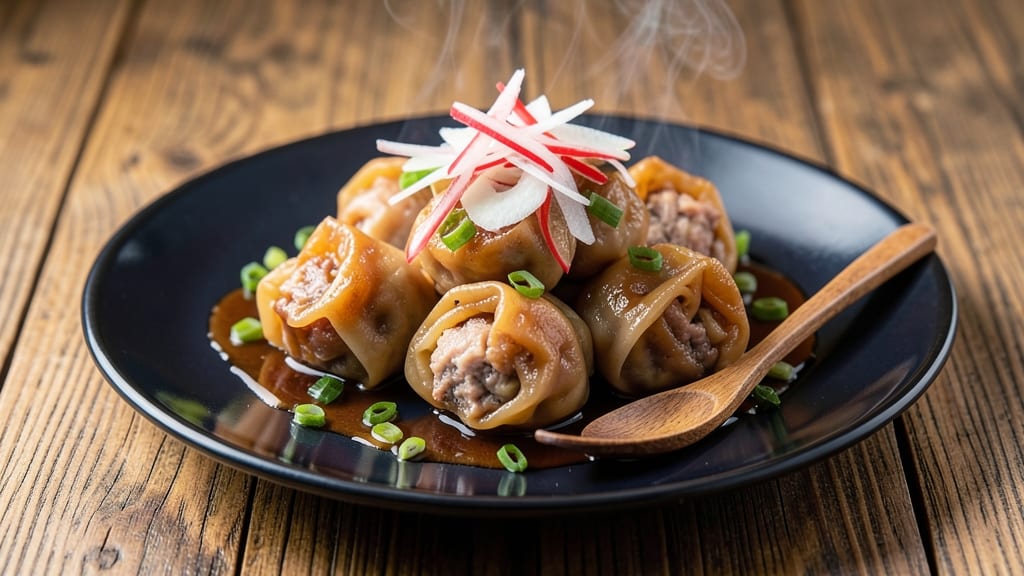
Mastering boiled pork dumplings means achieving that perfect balance—tender, pillowy dough wrapped around savory pork filling that stays juicy through boiling. 🔥 As someone who's spent years perfecting pork techniques, I can tell you the secret lies in the dough's elasticity and the pork's precise seasoning.
This recipe delivers restaurant-quality results with a method that's surprisingly straightforward once you understand the key steps.
The foundation starts with a simple yet sturdy dough made from flour, water, and a touch of oil—no yeast, no waiting. The filling transforms basic ground pork into something deeply flavorful with soy sauce, ginger, and scallions, all cooked just enough to develop flavor without drying out.
What makes these dumplings truly special is the boiling technique: using rapidly simmering water ensures they cook evenly without breaking, resulting in that signature tender yet firm texture.
When done right, these dumplings emerge from the water with golden-brown seams and a delicate, almost translucent appearance. The pork filling remains moist and flavorful, while the dough achieves that perfect balance between chewy and tender.
This is comfort food at its finest—simple enough for weeknight dinners but impressive enough for gatherings.
Serve them with a simple soy-vinegar dipping sauce or a light chili oil for extra depth. The beauty of this recipe is its versatility—make a big batch and freeze extras for quick meals later. Let's get started on creating these pillowy, pork-stuffed delights that will become a family favorite.
Ingredients for boiled pork dumpling
Pillowy perfection begins with these 11 essential ingredients—each playing a crucial role in texture and flavor.
| Ingredient | Amount | Notes |
|---|---|---|
| All-Purpose Flour 🌾 | 2 cups | Sifted for light texture |
| Ground Pork 🐖 | 1 lb | Lean ground pork preferred |
| Light Soy Sauce 🍶 | 2 tbsp | Kikkoman preferred for balance |
| Fresh Ginger 🌿 | 1 tbsp | Finely grated, aromatic |
| Scallions 🧅 | 4 whole | Thinly sliced, white and green |
| Sesame Oil 🫒 | 1 tbsp | Toasted for nutty aroma |
| Water 💧 | 1 ½ cups | Room temperature preferred |
| Vegetable Oil 🫒 | 1 tbsp | Neutral flavor recommended |
| Salt 🧂 | ½ tsp | Diamond Crystal preferred |
| Black Pepper 🌶️ | ¼ tsp | Freshly ground for heat |
| Cornstarch 🌾 | 1 tbsp | For dough elasticity |
The ground pork should be lean but not too dry—look for 80/20 fat ratio at the grocery store's butcher counter. Costco or Whole Foods carry high-quality options, but any reputable supermarket will have suitable ground pork. Fresh ginger loses potency quickly, so buy it organic and whole—peel and grate it just before using. Scallions should be bright white and crisp, not wilted. For the dough, King Arthur flour yields the best results, but any high-protein all-purpose flour works. The sesame oil makes all the difference—toasted sesame oil from Trader Joe's adds that signature nutty depth without overpowering.
No fresh ginger? Substitute 1 teaspoon of ground ginger, but it lacks the same aromatic punch. Out of scallions? Green onions work just as well, though the flavor will be slightly milder. For a vegetarian version, replace the pork with finely chopped mushrooms and tofu, though the texture will differ. The dough can be made ahead and refrigerated for up to 2 days—just bring it to room temperature before shaping. If your dumplings seem too sticky, add 1 extra tablespoon of flour to the dough. For extra richness, swap 1 teaspoon of the water for rice vinegar—it adds subtle tang that balances the pork's savory notes.
Dough keeps best in an airtight container for 3 days at room temperature or 1 month in the freezer. The filling can be prepped ahead and stored for 2 days in the fridge. For freezing, shape the dumplings on a parchment-lined tray first—this prevents sticking. Once frozen solid, transfer to a ziplock bag for up to 3 months. To serve, boil from frozen—just add 2-3 extra minutes to the cooking time. The dumplings reheat beautifully in a steamer basket for 5-7 minutes post-boiling, restoring that signature pillowy texture.
Why You'll Love This Recipe
- No-Fuss Assembly: I swear by this recipe because it’s the kind of dish where you don’t need to be a dumpling artist. Roll the dough thin, cut squares, fill with that fragrant pork-ginger mix, fold—done. No fancy pleats or stress, just satisfying little pockets of flavor.
- Umami Bomb: That light soy sauce and ginger in the filling? It’s next-level savory. The pork stays juicy, the wrapper gets just enough bite, and every bite delivers that crisp-tender contrast. Honestly, it’s the kind of taste that makes you reach for another.
- Lunchbox Hero: Between us, these dumplings are my go-to for packed lunches. Boil a batch on Sunday, store them in the fridge, and grab them cold or reheated—they’re still perfect. My kids (and my coworkers) swear they taste better than takeout.
- Budget Powerhouse: Ground pork stretches far, flour is cheap, and a little ginger goes a long way. I make a double batch, freeze half, and still have leftovers for days. It’s the kind of recipe that feeds a crowd without breaking the bank—no guilt, just good food.
Step-by-step instructions for boiled pork dumplings
Master these essential techniques for dumplings that stay pillowy and never burst.
👨🍳 Step 1: Prepare the Filling with Perfect Texture
In a large bowl, combine the 1 lb ground pork, 2 tbsp light soy sauce, 1 tbsp finely grated fresh ginger, 4 whole scallions (thinly sliced), 0.5 tsp salt, and 0.25 tsp black pepper. Mix gently with your hands until just combined—overmixing develops gluten and makes the filling dense. The mixture should hold together when pressed but still feel slightly crumbly.
Add 1 tbsp sesame oil and mix again. The oil will coat the pork evenly, enhancing its flavor. Cover the bowl and refrigerate for 30 minutes while you prepare the dough. This resting time allows the flavors to meld and prevents the filling from releasing too much liquid during boiling, which keeps your dumplings intact.
👨🍳 Step 2: Make the Dough with Ideal Elasticity
In a large mixing bowl, combine the 2 cups all-purpose flour and 1 tbsp cornstarch. Whisk to break up any lumps, then gradually add the 1.5 cups water while stirring with chopsticks or a fork. The dough should come together into a shaggy mass that clings to the sides of the bowl.
Turn the dough onto a lightly floured surface and knead for 5-7 minutes until smooth and elastic. I press down firmly with the heel of my hand and fold the dough over itself, rotating 90 degrees each time. The dough should feel slightly tacky but not sticky—add a little more flour if needed, but don't overdo it or the dumplings will be tough.
🥘 Step 3: Roll and Cut the Dough into Uniform Wrappers
Divide the dough into 4 equal pieces (about 4 oz each) and cover with a damp towel to prevent drying. Take one piece and roll it into a 12-inch log, about ½-inch thick. Use a sharp knife to cut the log into 1-inch thick rounds. I press down gently on the knife to ensure clean cuts—this prevents the dough from sticking to the blade.
Place the cut dough rounds on a floured surface and cover with the damp towel while you work. The towel keeps them from drying out, which is crucial for maintaining their pillowy texture after boiling. You should have about 16-20 wrappers depending on how thick you cut them.
🍳 Step 4: Assemble and Shape the Dumplings
Heat a small skillet over medium heat and add 1 tbsp vegetable oil. Warm the oil until it shimmers but doesn't smoke. Dip your finger in water and lightly wet the edge of each dough wrapper. Place 1 heaping teaspoon of the pork filling in the center of each wrapper.
Fold the wrapper in half to encase the filling, then press the edges together firmly with your fingers. Roll the sealed edge gently between your palms to create a smooth, sealed dumpling. The water on the edges helps them adhere better, preventing leaks during boiling. Arrange the dumplings on a plate and cover with a damp towel while you assemble the rest.
⏰ Step 5: Boil to Perfect Pillowy Perfection
Bring a large pot of water to a rolling boil over high heat. Add the dumplings in a single layer—they'll float to the surface as they cook. Once boiling, reduce the heat to medium-low to maintain a gentle simmer. The dumplings are done when they float to the top and the dough turns translucent (about 4-5 minutes).
Use a slotted spoon to transfer the dumplings to a plate. Serve immediately with a dipping sauce of your choice—traditionally a mix of soy sauce, vinegar, and chili oil. The dumplings should be soft and tender with a slight bounce when pressed, and the filling should be juicy but not runny. If any dumplings burst open, it's a sign the filling was too wet—adjust your filling prep next time.
Pro Tips For Making Boiled Pork Dumpling
- Boil Water First: Fill your pot with water before turning on the heat—this prevents temperature spikes that can shock the dumplings and turn them rubbery. I learned this the hard way when my first batch turned out chewy instead of tender.
- Chop Ginger Fine: Use a microplane or knife to mince ginger into tiny specks, not slices—this way, it dissolves into the pork filling instead of sitting as chunks. My grandmother swore by this, and she was right: the flavor blends better.
- Don’t Overwork the Dough: Once you’ve mixed the flour and water, knead just until smooth—about 2 minutes—then let it rest. Overworking makes the dumplings tough, and nobody wants that. (Yes, even if you're impatient like me.)
- Add Scallions Last: Toss finely chopped scallions into the pork filling right before sealing the dumplings—they stay bright and crisp instead of wilting into mush. This isn’t the prettiest method, but it’s the tastiest.
Serving suggestions for this dish
Classic Soy-Vinegar Dip
This tangy-savory sauce is my go-to for these dumplings—simple yet packed with flavor. Mix 3 tbsp light soy sauce, 1 tbsp black vinegar, 1 tsp toasted sesame oil, and ½ tsp sugar in a small bowl.
Add a pinch of red pepper flakes if you like heat. The vinegar cuts through the richness of the pork while the sesame oil adds depth. Serve warm in a small bowl alongside the dumplings. 💛
Spicy Chili Oil Drizzle
For a bold kick, drizzle the dumplings with homemade chili oil before serving. Heat ½ cup neutral oil in a saucepan over low heat and add 2 tbsp dried chili flakes and 1 star anise pod.
Simmer for 5 minutes, then strain and cool. The oil should be vibrant red and infused with heat. Spoon over dumplings just before eating—it clings beautifully to the pillowy dough. 🌶️
Sesame-Ginger Sauce
This aromatic sauce elevates the dumplings with bright, fresh flavors. Blend 3 tbsp soy sauce, 1 tbsp grated ginger, 1 tbsp rice vinegar, 1 tsp honey, and ½ tsp toasted sesame seeds.
Thin with 2 tbsp water if needed. The ginger adds warmth while the sesame seeds provide texture. Serve at room temperature for the best flavor balance. ✨
Steamed Vegetable Pairing
Balance the richness of the pork dumplings with light, steamed greens. Blanch 2 cups bok choy or baby spinach in boiling water for 1-2 minutes, then shock in ice water.
Toss with 1 tsp sesame oil and a pinch of salt. The crisp-tender greens contrast perfectly with the soft dumplings, making each bite more satisfying. 🥗
Crispy Fried Dumplings
For a crispy twist, pan-fry boiled dumplings after cooking. Heat 2 tbsp vegetable oil in a skillet over medium-high heat until shimmering. Add the boiled dumplings in a single layer and fry for 1-2 minutes, turning occasionally, until golden brown.
The contrast of crispy exterior and tender interior is irresistible—serve with extra chili oil for dipping. 🔥
Warm Miso Soup Base
Turn your meal into a hearty bowl by serving dumplings in warm miso soup. Simmer 4 cups dashi stock, 2 tbsp red miso paste, and 1 tsp grated daikon until dissolved.
Add sliced tofu and green onions for texture. Drop in dumplings and serve immediately—the broth soaks up any stray filling flavors beautifully. 💫
Nutrition facts
Frequently asked questions
Why do my boiled pork dumplings turn out dense instead of pillowy?
Overworking the dough or using too much flour creates tough, dense dumplings. Knead just until smooth (5-7 minutes) and avoid adding extra flour unless absolutely necessary. The key is a slightly tacky dough—like Play-Doh—that springs back when pressed. Also, ensure your filling isn't too wet (refrigerate it 30 minutes before assembling).
Can I make these dumplings ahead of time?
Shape the dumplings and refrigerate them in an airtight container for up to 24 hours before boiling. For longer storage, freeze them on a parchment-lined tray (uncooked) for 3 months. To serve from frozen, boil them directly—just add 2-3 extra minutes to the cooking time. The texture stays perfect when reheated gently in a steamer.
What's the best way to prevent dumplings from bursting during boiling?
Seal the edges tightly with a damp finger and press firmly while rolling. Use a gentle simmer (not a rolling boil) after adding dumplings to prevent steam buildup. If filling leaks, your mixture may be too wet—try adding 1 extra tablespoon of cornstarch to absorb moisture. Also, avoid overfilling the wrappers (use 1 heaping teaspoon per dumpling).
Can I substitute chicken for pork in this recipe?
Yes, but the flavor will differ. Use 1 lb ground chicken thigh (not breast) for juiciness, and increase the soy sauce to 3 tbsp to compensate for the milder taste. Chicken dumplings work well with a lemon-herb dipping sauce instead of soy-based options. For texture, add 1 tbsp finely chopped mushrooms to the filling to mimic pork's density.
How do I know when the dumplings are fully cooked?
They're done when they float to the surface and the dough becomes translucent (about 4-5 minutes total). Cut one open—if the filling is hot and juicy (not gray or runny), they're perfect. Overcooking makes them tough, so remove them immediately when they surface. For extra assurance, check the internal temperature: it should reach 160°F.