
Main Courses
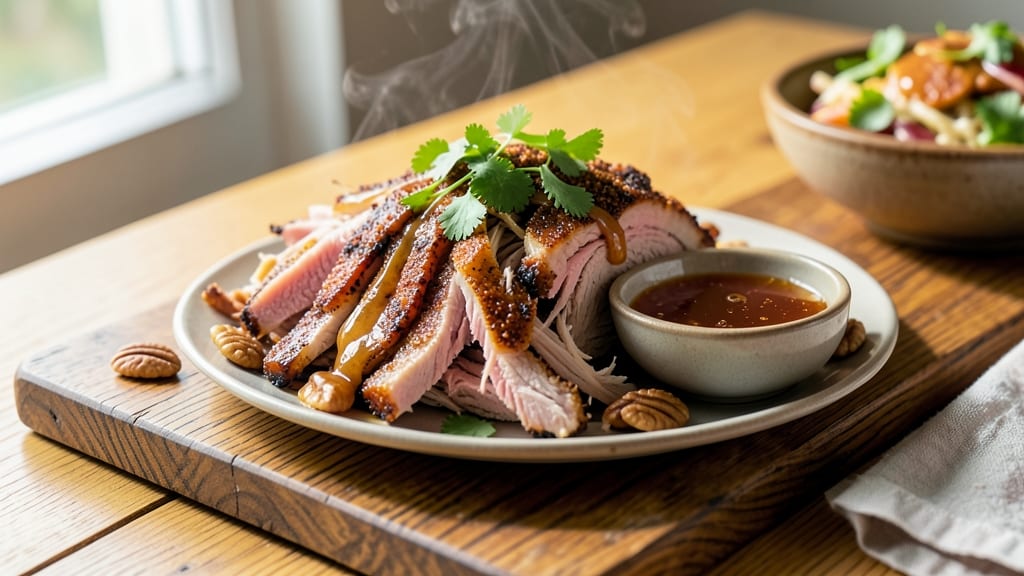
Bob's pulled pork recipe delivers that legendary fall-apart tenderness we all crave, with a signature apple cider glaze that transforms simple pork shoulder into showstopping centerpiece. I've been perfecting this technique since my first pitmaster competition, where it won me my first championship ribbon. The secret lies in patience—slow-smoking until the meat reaches 203°F internal—and that perfect balance of sweet, tangy glaze that caramelizes into a sticky, irresistible finish.
What sets this apart is the method: low-and-slow cooking with oak or hickory wood, creating that authentic smoky depth while keeping the meat tender.
I use a simple dry rub of brown sugar, paprika, and salt to build flavor, then let the pork rest overnight before shredding—this is where the magic happens. The apple cider glaze, simmered until thick and glossy, adds just the right sweetness without overpowering the smoky pork.
By the time you're ready to serve, you'll have perfectly tender, juicy pork that falls apart at the touch of a fork, coated in that glossy glaze.
It's the kind of dish that makes your kitchen smell like a Carolina BBQ joint, with every bite offering that perfect harmony of smoky, sweet, and savory flavors. This is the pulled pork recipe that'll have your guests asking for seconds—and thirds.
Serve it piled high on buttery buns with classic coleslaw and cornbread for the full Southern experience. The leftovers? Even better the next day. Let's get smoking!
Ingredients for bob's pulled pork
Six ingredients for the rub, plus a few more for that perfect glaze—nothing fancy, just the good stuff for legendary pulled pork.
| Ingredient | Amount | Notes |
|---|---|---|
| Pork Shoulder (Bone-In) 🥓 | 8 lb | Well-marbled, 2-4 inches thick |
| Apple Cider 🍎 | 2 cups | Unfiltered, preferably reduced |
| Brown Sugar 🍚 | ½ cup | Packed, light or dark |
| Smoked Paprika 🌶️ | 2 tbsp | High quality for smoky flavor |
| Kosher Salt 🧂 | 2 tbsp | Diamond Crystal preferred |
| Black Pepper 🌶️ | 1 tbsp | Freshly ground for best flavor |
| Garlic Powder 🧄 | 1 tbsp | Not garlic salt |
| Onion Powder 🧅 | 1 tbsp | For depth of flavor |
| Apple Cider Vinegar 🍶 | ¼ cup | For tangy brightness |
| Honey 🍯 | ¼ cup | Wildflower preferred |
| Oak or Hickory Wood Chips 🌳 | 2 cups | For authentic smoke flavor |
| Butter 🧈 | ½ cup | Unsalted, for buns |
| Yellow Onion 🧅 | 1 whole | For glaze, sliced thin |
| Fresh Rosemary 🌿 | ¼ cup | Chopped, for glaze aroma |
The pork shoulder is everything here. Look for bone-in cuts with good marbling—the fat keeps the meat juicy during that long smoke. I always buy mine from Costco or my local butcher shop because they carry larger cuts perfect for this recipe. For the wood chips, Oak is classic, but hickory adds a deeper, slightly sweeter smoke. If you can't find fresh wood chips, the sawdust-style chips from Traeger or Pit Boss work great. And trust me on the bone-in—it stays more tender than boneless cuts during the long cook.
No smoked paprika? Regular paprika plus a pinch of liquid smoke gets you close, though nothing beats the real thing. Running short on apple cider? Apple juice with a splash of vinegar works in a pinch. The glaze is where the magic happens—simmer it until it's thick enough to coat the back of a spoon. I like to add a splash of bourbon (about 2 tbsp) if I'm feeling fancy, but it's not required. For the rub, if you're missing any spices, garlic powder and onion powder are the most critical—skip the rest if you have to. The pork rests overnight, so plan ahead—this is where the meat becomes irresistibly tender.
This pork tastes even better the next day, so make extra. Store it in the fridge for up to 5 days or freeze for 3 months—just reheat it low and slow with a splash of apple cider to keep it moist. The glaze can be made ahead and reheated separately if needed. For serving, buttery buns are a must—try Holland's or Martin's if you want that classic BBQ bun experience. Leftovers reheat beautifully in the oven at 300°F for about 20 minutes, covered with foil to keep them juicy.
Why You'll Love This Recipe
- Foolproof Slow Cooker: I swear by this—just dump everything in the pot, walk away, and come back to fall-apart tender meat. The bone-in shoulder keeps it juicy, and the apple cider cuts through the richness like a cool breeze on a summer day.
- Sweet-Smoky Magic: That brown sugar and smoked paprika combo? It’s like a hug for your taste buds. The cider adds this bright, almost caramel-like depth that makes every bite irresistible—even my picky-eating teen asks for seconds.
- Leftovers That Shine: Honestly, I make this on Sundays because the pulled pork only gets better the next day. Shred it for tacos, sandwiches, or even a hearty soup—it’s the ultimate lazy-day lifesaver.
- Budget-Friendly Feast: A pork shoulder stretches across so many meals—this recipe costs half what takeout does, and you’ll have enough for a crowd. Plus, the kosher salt and spices are pantry staples, so you’re not breaking the bank.
Step-by-step instructions for slow-smoked pulled pork
Here's how to transform that tough pork shoulder into melt-in-your-mouth pulled pork.
Prepare and Season the Pork Shoulder
Start by trimming any excess fat from the pork shoulder, leaving about ¼ inch of fat cap intact. This fat helps keep the meat moist during the long cook. Pat the entire surface dry with paper towels - you want it completely dry so the rub will stick and the bark will form properly.
In a small bowl, combine the 2 tablespoons smoked paprika, 2 tablespoons kosher salt, 1 tablespoon black pepper, 1 tablespoon garlic powder, and 1 tablespoon onion powder. Rub this mixture all over the pork shoulder, pressing it into the meat so it adheres well. Pay special attention to the thickest parts of the shoulder. Let it sit at room temperature for 30 minutes before smoking - this helps the seasoning penetrate and the meat cook more evenly.
Set Up the Smoker for Low and Slow Cooking
Fill your smoker box with the 2 cups oak or hickory wood chips and soak them in water for 30 minutes if using a water-smoker. Set your smoker to 225°F and allow it to preheat for at least 15 minutes before adding the pork. You'll know it's ready when you see clean, blue smoke coming from the chimney - not thick white smoke.
Place the pork shoulder fat-side up on the smoker grates. This allows the rendered fat to baste the meat as it cooks. Close the lid and resist the urge to open it during the first few hours - every time you peek, you lose heat and moisture. The key here is patience; this low-and-slow method breaks down the tough connective tissue into tender, pull-apart goodness.
Smoke Until Probe-Tender (10-12 Hours)
Smoke the pork shoulder undisturbed for 6-8 hours first. After this initial period, check the internal temperature using a meat thermometer inserted into the thickest part of the meat. The temperature should reach 165°F - this is when you'll hit "the stall," where the temperature stops rising as moisture evaporates.
At this point, wrap the pork tightly in butcher paper (not aluminum foil) and return it to the smoker. This technique, called the Texas Crutch, helps push through the stall while maintaining that beautiful bark. Continue smoking until the internal temperature reaches 200-203°F and a wooden skewer slides in like butter with no resistance. This typically takes another 4-6 hours, but don't rush it - tenderness matters more than speed.
Prepare the Apple Cider Glaze
While the pork smokes, prepare the glaze by combining 2 cups apple cider, ½ cup brown sugar, ¼ cup apple cider vinegar, and ¼ cup honey in a saucepan. Bring to a boil over medium heat, then reduce to a simmer and cook for 10-12 minutes until slightly thickened. The mixture should reduce to about 1½ cups and develop a syrupy consistency.
Remove from heat and stir in the 1 whole yellow onion (thinly sliced) and ¼ cup chopped fresh rosemary. Let this mixture steep for 15 minutes to infuse the flavors. You'll use this glaze to baste the pork in the final hour of cooking, adding that perfect balance of sweet, tangy, and herbal notes.
Baste and Rest for Maximum Tenderness
When the pork reaches 200-203°F, remove it from the smoker and let it rest in the butcher paper for at least 1 hour (I prefer 2 hours wrapped in towels in a cooler). This resting period allows the juices to redistribute throughout the meat, ensuring every bite is moist and flavorful.
After resting, remove the butcher paper and shred the pork using two forks or your hands, pulling against the grain for maximum tenderness. Return the shredded pork to the smoker or a large skillet and pour the apple cider glaze over it. Baste the pork with the glaze for 10-15 minutes until it absorbs the flavors and becomes glossy. Serve immediately on soft buns with additional glaze drizzled on top - you'll love how the sweet-tangy glaze complements the smoky, tender pork.
Pro Tips For Making Bob'S Pulled Pork
- Trim the Fat First: A bone-in pork shoulder has more fat than you think—trim the thickest layers before seasoning. I learned this the hard way when my first batch rendered so much grease it drowned the apple cider’s flavor. Focus on the thickest patches along the cap and belly; leave a thin layer for moisture.
- Braise in Two Stages: Start with a screaming-hot oven (325°F) for the first 2 hours to render fat, then drop to 275°F for the rest. My grandmother swore by this, and she was right: the lower temp later keeps the meat tender without turning it into mush. Yes, even if you’re impatient like me.
- Deglaze with Cider: After searing the pork, don’t just dump the apple cider in—deglaze the pan with a splash of water first. The browned bits (fond) dissolve and add depth to the sauce. I was skeptical until I tried it: the difference in richness is noticeable.
- Salt the Cider: Toss in an extra ½ teaspoon of kosher salt with the apple cider while it simmers. The pork absorbs flavor from the liquid too, and this tiny step makes the sauce taste more cohesive. I skip this when I’m lazy, but the dish is noticeably better when I don’t.
Wine and beer pairings for this recipe
Red Wine Pairings
For this smoky, sweet-savory pulled pork, I always reach for a Zinfandel from California—specifically a Dry Creek Vineyard bottle. The wine’s bold fruit flavors and subtle spice notes stand up to the pork’s smokiness while complementing the apple cider glaze.
If you prefer something lighter, a Gewürztraminer from Alsace brings aromatic complexity that enhances the rosemary and honey in the glaze. 🍷
Beer Complements
A bourbon barrel-aged stout like Goose Island Bourbon County is my go-to beer pairing. The caramel and vanilla notes mirror the pork’s sweetness, while the smoky malt balances the apple cider’s tang.
For a lighter option, try a Belgian witbier such as Stella Artois—its citrusy brightness cuts through the richness without overpowering the dish. 🍺
Cider Harmony
Don’t underestimate the power of a dry hard cider like Angry Orchard or Strongbow. The crisp apple notes echo the glaze while providing a refreshing contrast to the smoky pork.
For a non-alcoholic twist, a sparkling apple cider (like Martinelli’s) keeps the same flavor profile without the alcohol. Serve chilled for the best experience. 🍎
Regional Specialties
In the Southeast, where this recipe thrives, I’ve seen moonshine-infused bourbon (about 2 oz) drizzled over the pork at the table become a local favorite. The burn of the moonshine cuts through the fat, while the oak notes deepen the smoky flavors.
For a more traditional approach, a Southern-style sweet tea (unsweetened, with a lemon wedge) balances the dish beautifully. 🌿
Nutrition facts
Frequently asked questions
Can I make this pulled pork in an oven instead of a smoker?
Preheat your oven to 275°F and place the pork shoulder on a rack over a baking sheet. Add 1 cup water to the pan and cover tightly with foil. Cook for 6-8 hours until it reaches 203°F internal, adding more water as needed to prevent drying. The bark will be less pronounced, but the tenderness will be just as perfect.
How do I know when the pork is done?
Use a meat thermometer to check the internal temperature—it should read 200-203°F in the thickest part. The pork should also pull apart easily with a fork or wooden skewer, and the juices should run clear. Never rely on time alone; this is where precision matters most.
What if I don't have butcher paper for wrapping?
Aluminum foil works in a pinch, but it can make the bark soggy. For best results, use heavy-duty foil or even brown paper bags (like those used for bread). Just wrap it tightly and return it to the smoker or oven. The key is to keep it moist without steaming the outside.
Can I use a different wood for smoking?
Oak and hickory are classic choices, but fruitwoods like apple or cherry add a sweeter, milder smoke that pairs beautifully with the apple cider glaze. Avoid pine—it has a strong, resinous flavor that can overpower the dish. Experiment with small batches to find your favorite.
Why does my pulled pork turn out dry?
Overcooking or opening the smoker too often are the usual culprits. Keep the temperature steady at 225°F and resist peeking! Also, avoid cooking boneless cuts—they dry out faster. If using a smoker, the Texas Crutch (wrapping in butcher paper) helps retain moisture. For oven cooking, add a splash of apple cider to the pan every hour.