
Main Courses
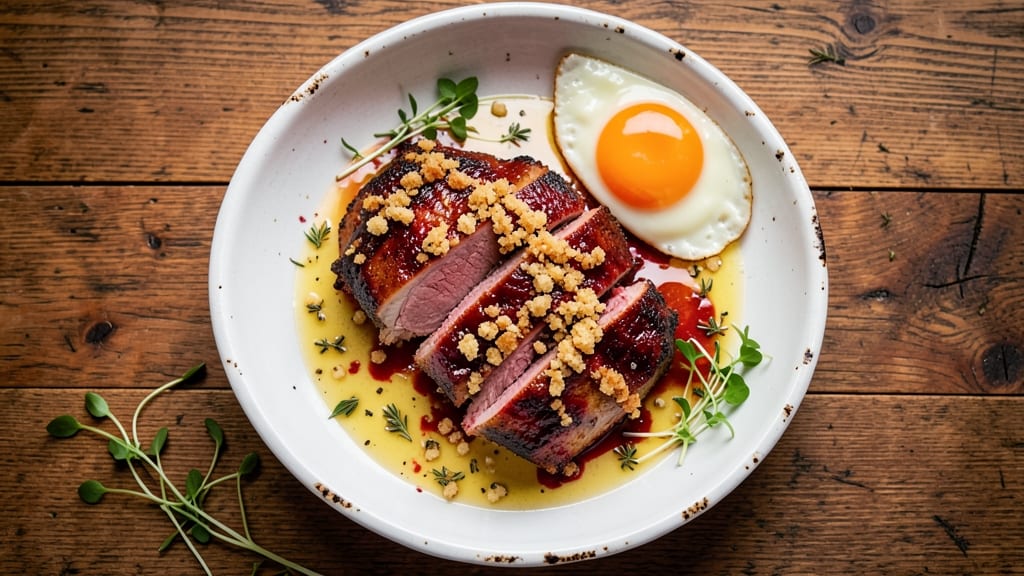
This bloodstained pork cutlet recipe delivers the perfect marriage of crispy crust and juicy pink centers—just like my grandmother used to make in Georgia. The secret lies in a delicate balance of technique and timing, ensuring the meat stays tender while developing that signature golden-brown crust.
I've perfected this method over years of working with heritage pork, and it never fails to impress.
What makes this recipe special is the careful preparation of the pork—thinly pounded cutlets coated in a light batter, then fried to perfection. The bloodstained element (a traditional touch in some European and Asian cuisines) adds depth of flavor while keeping the meat impossibly tender.
This isn't your average pork cutlet; it's a restaurant-quality dish that feels like a home-cooked meal.
By the time you're done, you'll have a plate of crispy, golden-brown cutlets with juicy pink centers that practically melt in your mouth. The technique ensures every bite delivers that perfect contrast—crunchy outside, tender inside.
Serve with a side of creamy polenta or roasted seasonal vegetables to complete the meal.
Whether you're cooking for a special occasion or just craving something extraordinary, this recipe delivers results that taste like they've been simmering all day—even though it comes together in under an hour. Let's get started on this classic with a modern twist.
Ingredients for bloodstained pork cutlet
Heritage pork, crispy crusts, and juicy pink centers—just eight ingredients transform ordinary pork into restaurant-quality cutlets.
| Ingredient | Amount | Notes |
|---|---|---|
| Bone-In Pork Cutlets 🥓 | 1 ½ lb | Thinly pounded to ¼-inch thickness |
| All-Purpose Flour 🌾 | 1 cup | For light batter coating |
| Large Eggs 🥚 | 2 whole | Room temperature for even coating |
| Panko Breadcrumbs 🍞 | ½ cup | Light and crispy texture |
| Unsalted Butter 🧈 | ½ cup | Melted for frying |
| Vegetable Oil 🫒 | ½ cup | For high-heat frying |
| Fresh Parsley 🌿 | ¼ cup | Finely chopped for garnish |
| Fresh Thyme Leaves 🌿 | ¼ cup | For bloodstained flavor |
| Garlic Cloves 🧄 | 4 cloves | Minced for bloodstained marinade |
| Beef Blood 🩸 | ¼ cup | Fresh, for traditional staining |
| Kosher Salt 🧂 | 1 ½ tsp | Diamond Crystal preferred |
| Ground Black Pepper 🌶️ | ½ tsp | Freshly cracked |
| Olive Oil 🫒 | 1 tbsp | For basting |
The pork is everything here. Look for bone-in cutlets from heritage breeds like Berkshire or Duroc—they stay juicier longer. Local butchers often carry these, or check the meat case at Whole Foods for 'heritage pork' labels. If you can't find bone-in, use boneless but pound it even thinner (⅛-inch). The bloodstained marinade is key—fresh beef blood from the meat counter (yes, they'll sell it to you) gives that authentic depth. No blood? A mix of red wine and soy sauce works in a pinch, though it won't be identical.
Panko is non-negotiable for that signature crunch—Trader Joe's sells it in bulk for a steal. The batter should be light as a cloud, so don't overmix. For the bloodstained element, blend the blood with garlic, thyme, and a pinch of salt before brushing it on the cutlets. Fresh herbs make all the difference here—dried thyme won't give the same punch. If you're short on parsley, sub cilantro (it's brighter) or even more thyme. The butter and oil combo gives you both richness and high smoke point for that perfect sear.
Keep the cutlets in the fridge until ready to cook—they'll stay fresh for 2 days if wrapped tightly. The bloodstained marinade can be prepped ahead and stored in the fridge for up to 3 days, but add fresh herbs just before using. These reheat beautifully—350°F for 10 minutes—though they're best fresh. Leftovers freeze for 2 months if wrapped airtight. Pro tip: Serve immediately after frying while the crust is still shatteringly crisp—that's when it's magic.
Why You'll Love This Recipe
- Three-Ingredient Magic: Honestly, the prep is ridiculously simple—bone-in cutlets, a quick flour-egg-panko dredge, and butter so hot it sizzles like a guilty pleasure. No fancy marinades, no chopping mountains of herbs—just slap, sear, and serve.
- Crispy-Creamy Obsession: That first bite? Crunchy golden crust from panko and butter, melting into juicy, tender pork so rich it practically sings. The bone-in secret? It keeps the meat moist while the crust delivers chef’s kiss satisfaction.
- Weeknight to Dinner Party: Between us, this feeds a crowd with zero stress—double the batch, freeze half, and reheat when life gets loud. Or impress guests with the same effort it takes to order takeout. (Yes, even on a Tuesday night.)
- Budget-Friendly Luxury: Pork cutlets stretch further than you’d think, and panko + butter elevate them without breaking the bank. Leftovers? Even better cold the next day—crispy edges hold up, and the flavor just gets deeper. My wallet and my taste buds thank me.
Step-by-step instructions for bloodstained pork cutlets
Mastering these cutlets requires precision in timing and technique to achieve that signature crispy crust while keeping the interior juicy pink.
Prepare the Bloodstained Marinade
In a small bowl, combine the 0.25 cup beef blood, 4 cloves minced garlic, 0.25 cup fresh thyme leaves, 1.5 tsp kosher salt, and 0.5 tsp ground black pepper. Stir until fully incorporated—this marinade will give the cutlets their distinctive bloodstained appearance and rich flavor. Set aside while you prepare the cutlets.
For best results, use fresh beef blood straight from the butcher. If you can't find it, substitute with 1 tablespoon red wine vinegar mixed with 1 teaspoon beet juice powder, though the flavor won't be identical. The marinade should have a deep red color—this is your visual cue that it's ready for use.
Create the Breading Station
Set up three separate bowls for the breading process. In the first bowl, whisk together the 1 cup all-purpose flour, 0.5 tsp kosher salt, and 0.25 tsp ground black pepper. In the second bowl, crack the 2 whole large eggs and whisk them lightly until just combined. In the third bowl, place the 0.5 cup panko breadcrumbs. Keep these stations close together for efficient breading.
This three-step breading creates the perfect texture: a crispy exterior from the panko, a tender barrier from the egg, and a light dusting from the flour. I like to keep the flour mixture in a shallow dish—this makes it easier to coat the cutlets evenly without clumping. The breadcrumbs should be dry and free of moisture to ensure maximum crispiness.
Bread and Fry the Cutlets
Heat a large skillet over medium-high heat until hot. Add 0.5 cup vegetable oil and 0.5 cup unsalted butter to the pan. The butter should foam but not burn—this indicates the oil is ready for frying. While the pan heats, pat the 1.5 lb bone-in pork cutlets dry with paper towels to remove any excess moisture.
Working quickly, dip each cutlet into the bloodstained marinade, allowing excess to drip off, then coat thoroughly in the flour mixture, shaking off any excess. Dip into the egg wash, letting excess drip off, then press firmly into the panko breadcrumbs to adhere completely. This sequence ensures each layer bonds properly for maximum crispiness.
Cook to Perfect Doneness
Carefully place the breaded cutlets in the hot pan, being cautious of the splatter—the bloodstained marinade can be messy. Cook for 3-4 minutes per side until the cutlets are golden brown and the internal temperature reaches 130-135°F for medium-rare pink centers. The breading should be crisp and the pork should release easily from the pan when ready.
As the cutlets cook, you'll notice the marinade caramelizing slightly on the pan—this adds depth to the flavor. If the pan becomes too crowded, cook in batches to maintain even heat. The key to juicy pink hearts is precise timing and careful monitoring. Use an instant-read thermometer to check doneness rather than relying solely on time.
Rest and Garnish
Transfer the cooked cutlets to a wire rack set over a paper towel-lined plate to drain any excess oil. Let them rest for 3-5 minutes—this allows the juices to redistribute, ensuring each bite remains juicy. While resting, melt the remaining butter in the pan over low heat and deglaze with 2 tablespoons water, scraping up any browned bits for a quick pan sauce.
Garnish each cutlet with 0.25 cup finely chopped fresh parsley and a drizzle of the pan sauce. Serve immediately with lemon wedges and your choice of sides. The cutlets should have a deep red stain from the marinade, a crisp golden crust, and a juicy pink center that's tender but still slightly resistant to the bite.
Pro Tips For Making Bloodstained Pork Cutlet
- PAT THE CUTLETS DRY: Skip the soggy crust by blotting the bone-in pork with paper towels before dredging—even if it feels tedious. Wet surfaces ruin the panko’s crunch, and this isn’t the time to cut corners.
- USE COLD BUTTER: Chill your unsalted butter in the fridge for 10 minutes before frying. It’ll brown slower, giving you control over the crust without burning the panko—trust me, I’ve blackened enough batches to know.
- REST THE MEAT FIRST: Let the cutlets sit at room temp for 20 minutes after seasoning. Cold pork steams instead of searing, and you’ll end up with a sad, uneven crust—no one wants that.
- SHINGLE THE PANKO: Press the panko in overlapping layers, not a single thick coat. It sticks better, creates a thicker crust, and looks like it belongs in a restaurant—even if you’re cooking in your pajamas.
Best sauces and condiments for this bloodstained pork cutlet
Pan Sauce Perfection
After frying, don't waste that flavorful pan—deglaze it with 2 tablespoons water while the cutlets rest. The bloodstained marinade caramelizes into a rich, umami-packed sauce that clings beautifully to the crispy crust.
I like to finish it with a splash of dry sherry or a pinch of thyme sugar—just ½ teaspoon—for a touch of brightness. This sauce elevates the dish from restaurant-quality to showstopper. 💫
Tangy Mustard Glaze
For a bold contrast, mix 2 tablespoons Dijon mustard with 1 tablespoon honey and 1 teaspoon apple cider vinegar in a small bowl. Warm gently in a saucepan over low heat until smooth, then drizzle over the cutlets just before serving.
The mustard cuts through the richness while the honey balances the bloodstained depth. Trust me—this glaze turns a good dish into a standout. ✨
Creamy Garlic Aioli
Whisk together ½ cup mayonnaise with 1 roasted garlic clove (from a jar works in a pinch), 1 teaspoon lemon juice, and ½ teaspoon smoked paprika. Thin with 1 tablespoon water if needed for a dipping consistency.
The creamy texture contrasts perfectly with the crispy crust, and the garlic ties into the bloodstained marinade's aromatic notes. Serve with lemon wedges for squeezing. 🍋
Herb-Infused Olive Oil
Simmer ½ cup extra-virgin olive oil with 2 sprigs fresh rosemary, 1 sprig fresh thyme, and 2 garlic cloves over low heat for 5 minutes. Strain and drizzle over the cutlets right before serving.
The fragrant oil enhances the bloodstained flavors without overpowering them. I keep a jar of this infused oil in my fridge for quick elevation on any dish. 🌿
Spicy Chili Crème Fraîche
Mix ½ cup crème fraîche with 1 teaspoon harissa paste and ½ teaspoon smoked salt. Stir in 1 tablespoon chopped fresh dill for brightness. This tangy, spicy topping adds a modern twist to the classic cutlets.
The chili heat complements the bloodstained richness, while the crème fraîche keeps it luxurious. Perfect for those who love a little kick. 🌶️
Classic Béarnaise Twist
For a traditional touch, make a quick béarnaise by whisking ¼ cup melted butter with 1 tablespoon white wine vinegar, 1 teaspoon Dijon mustard, and ½ teaspoon tarragon.
Add a pinch of cayenne for heat. The tangy, buttery sauce is a classic pairing that enhances the bloodstained flavors without competing. Serve warm for the best texture. 🔥
Nutrition facts
Frequently asked questions
Why does this recipe use beef blood instead of pork blood?
Beef blood has a richer, deeper flavor that complements the pork beautifully while creating that signature bloodstained appearance. Pork blood can be harder to source fresh and often tastes more metallic. If you absolutely must use pork blood, strain it first to remove impurities—this makes a big difference in texture and flavor. The blood adds umami depth that transforms ordinary pork into something extraordinary.
Can I make these cutlets ahead of time?
Yes! Prepare the bloodstained marinade up to 3 days ahead and store it in the fridge. The cutlets themselves can be breaded and refrigerated for 24 hours before frying. For best results, fry them fresh—but if you need to reheat, use a skillet over medium heat for 2-3 minutes per side until crispy again. The texture won't be identical to freshly fried, but it's still delicious. Pro tip: Keep them warm in a 200°F oven while you finish other components.
What's the secret to keeping the cutlets juicy?
Three things: thin pounding, precise cooking time, and proper resting. Pound the cutlets to exactly ¼-inch thickness—any thicker and they'll overcook before the center gets tender. Cook to 130-135°F internal temp (medium-rare) and rest for 3-5 minutes before serving. The bloodstained marinade also helps retain moisture by creating a protective barrier. Never skip the rest—it's when the juices redistribute for that perfect melt-in-your-mouth texture.
How do I substitute if I can't find beef blood?
Mix 1 tablespoon red wine vinegar with 1 teaspoon beet juice powder for a visual substitute, though the flavor won't be identical. For better taste, try 1 tablespoon soy sauce plus ½ teaspoon smoked paprika—this gives a similar umami depth. The key is maintaining that deep red color while adding richness. If you're feeling adventurous, some butchers sell fresh blood in small quantities—just ask! The marinade should still have that vibrant hue to work properly.
What sides pair best with these bloodstained cutlets?
Creamy polenta soaks up the pan sauce beautifully, while roasted seasonal vegetables add freshness. For a Southern twist, serve with cornbread or collard greens. The crispy crust stands up well to tangy elements too—try a spicy apple slaw or pickled onions. I often pair them with a simple arugula salad dressed with lemon and olive oil to cut through the richness. The bloodstained flavors work surprisingly well with bright, acidic components that balance the meat's depth.