
Main Courses
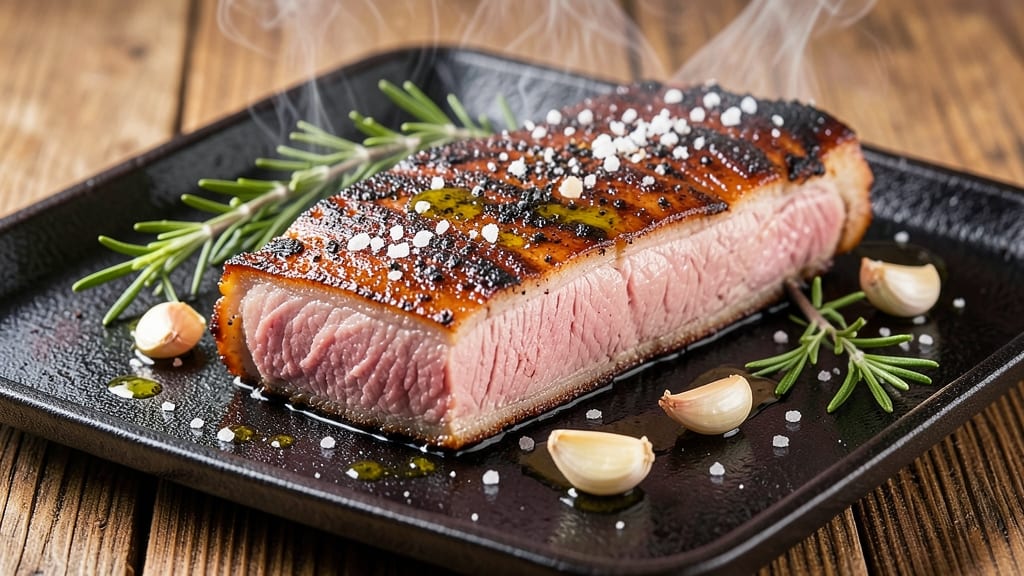
Blackstone griddle pork loin recipe delivers the perfect balance of smoky char and juicy pink centers—exactly what transforms a weeknight dinner into a restaurant-worthy meal. 🔥 After years of perfecting pork on my Blackstone at The Smoky Pig, I’ve cracked the code for achieving that coveted crust while keeping the interior tender. The secret lies in precise temperature control and a two-step searing method that locks in flavor without drying out the meat.
This recipe starts with a bone-in pork loin cut, which stays juicier longer than boneless options. You’ll sear it over medium-high heat until you get those deep caramelized edges, then finish it at a lower temperature to ensure even cooking.
The Blackstone’s flat surface ensures perfect contact, creating a crust that’s crispy on the outside while maintaining a tender, pink center—145°F internal temperature is key for that ideal doneness.
What makes this recipe stand out is how it pairs effortlessly with classic Blackstone sides like griddle potatoes or grilled vegetables. The smoky flavor from the griddle infuses everything, turning a simple meal into a full spread.
Serve it with a side of apple slaw or roasted corn to round out the dish—it’s the kind of meal that feels special without requiring hours in the kitchen.
Whether you’re cooking for a family gathering or treating yourself to a weekend feast, this method delivers consistent results every time. The pork loin’s rich, savory flavor combined with the smoky char from the griddle creates a dish that’s impossible to resist. Let’s get started on mastering this technique!
Ingredients for blackstone griddle pork loin
Bone-in pork loin, aromatic herbs, and a smoky marinade—everything you need for Blackstone griddle perfection.
| Ingredient | Amount | Notes |
|---|---|---|
| Bone-in Pork Loin 🥩 | 2 lb | Center-cut, 1.5-inch thick |
| Kosher Salt 🧂 | 1 ½ tbsp | Diamond Crystal preferred |
| Freshly Ground Black Pepper 🌶️ | 1 tsp | Freshly cracked for best flavor |
| Garlic Cloves 🧄 | 6 cloves | Minced, for marinade |
| Extra-Virgin Olive Oil 🫒 | ½ cup | High-quality, fruity |
| Fresh Rosemary 🌿 | ½ oz | Finely chopped, stems removed |
| Fresh Thyme 🌿 | ½ oz | Leaves only, stems removed |
| Apple Cider Vinegar 🍎 | 2 tbsp | For marinade tang |
| Brown Sugar 🍯 | 1 tbsp | Lightly packed |
| Smoked Paprika 🌶️ | 1 tsp | For smoky depth |
| Yellow Mustard 🍯 | 1 tbsp | For marinade adhesion |
| Blackstone Griddle Oil 🫒 | ¼ cup | High smoke point oil |
The bone-in pork loin is non-negotiable here—it stays juicier and gives you that restaurant-quality depth. Look for center-cut, 1.5-inch thick slices at Whole Foods or your local butcher shop; the marbling makes all the difference. If you can't find bone-in, boneless will work but trim the fat cap to 1/4-inch thickness for even cooking. The herbs? Fresh is best—Trader Joe's carries great bundles of rosemary and thyme, but if you're growing your own, snip just before cooking for maximum flavor. The garlic should be plump and firm, not sprouting or dried out.
No fresh rosemary? Dried works at one-third the amount, but trust me on the fresh version—it’s worth the extra minute to chop. Running low on apple cider vinegar? White vinegar or lemon juice in a pinch, though the apple cider adds that subtle sweetness. The olive oil matters here—use something you'd drizzle on bread, not the cheap stuff. For the griddle oil, avocado or refined coconut oil are great high-heat options. If you don't have smoked paprika, liquid smoke at half the amount gets you close, but the paprika is what gives that authentic Blackstone char.
Marinate the pork for at least 2 hours (overnight is ideal) in the fridge. The marinade keeps for 3 days covered in the fridge, but the pork itself should go straight from the fridge to the griddle—never room temperature. Leftovers? Wrap tightly in foil and refrigerate for 3 days or freeze for 3 months. Reheat gently in a skillet with a splash of water to keep it moist—microwaving dries it out. The crust is best eaten fresh, but the tender interior holds up well for leftovers.
Why You'll Love This Recipe
- I swear by this combo: coarse salt, cracked pepper, and minced garlic rubbed right into the pork’s surface. The bone-in cut keeps it juicy, and the Blackstone’s cast-iron heat locks in that savory crust—no fancy technique needed, just patience (and a good book).
- Foolproof Seasoning: I swear by this combo: coarse salt, cracked pepper, and minced garlic rubbed right into the pork’s surface. The bone-in cut keeps it juicy, and the Blackstone’s cast-iron heat locks in that savory crust—no fancy technique needed, just patience (and a good book).
- Weeknight Hero: Between us, this is my go-to when I’m staring at the fridge at 6:45 PM wondering what to feed everyone. Sear the pork, add a splash of olive oil, and let the griddle do the work—no oven preheating, no last-minute stress. (Yes, even on a Tuesday night.)
- Leftovers That Don’t Suck: Slice the pork thin for sandwiches or toss it into grain bowls the next day. The flavor only deepens after resting, and honestly? It’s cheaper than takeout. I’ve reheated mine three times, and it’s still the star of the meal—no sad, dry meat here.
Step-by-step instructions for Blackstone griddle pork loin
This method delivers a perfect balance of smoky charred crust and juicy pink centers every time.
👨🍳 Step 1: Prepare the Herb Marinade
In a medium bowl, whisk together the 0.5 cup extra-virgin olive oil, 2 tbsp apple cider vinegar, 1 tbsp yellow mustard, 1 tbsp brown sugar, 1 tsp smoked paprika, 1.5 tbsp kosher salt, and 1 tsp freshly ground black pepper. This marinade creates the perfect balance of sweet, tangy, and savory flavors that penetrate the meat.
Add the 6 minced garlic cloves, 0.5 oz finely chopped fresh rosemary, and 0.5 oz fresh thyme leaves. Mix well until all ingredients are fully incorporated and the herbs are evenly distributed. The marinade should coat the back of a spoon with a vibrant, aromatic oil.
👨🍳 Step 2: Marinate the Pork Loin
Place the 2 lb bone-in pork loin in a resealable plastic bag or large shallow dish. Pour the marinade over the meat, ensuring it coats all sides completely. Seal the bag or cover the dish and refrigerate for at least 4 hours or overnight for maximum flavor penetration.
I like to turn the meat occasionally during marinating to ensure even coverage. The acid in the vinegar helps tenderize the meat while the oil keeps it moist. Don't skip this step—it's what creates that perfect balance of smoky crust and juicy interior.
🔥 Step 3: Preheat the Blackstone Griddle
Remove the pork loin from the refrigerator and let it sit at room temperature for 30 minutes before cooking. Preheat your Blackstone griddle over medium-high heat for 10-15 minutes until it reaches 400°F. Add 0.25 cup blackstone griddle oil and spread it evenly across the surface using a paper towel.
You'll know the griddle is ready when the oil shimmers and small bubbles appear around the edges. The high heat is crucial for creating that beautiful charred crust. Keep the lid slightly ajar during preheating to prevent overheating—this helps maintain a consistent temperature throughout the cooking process.
🍳 Step 4: Cook the Pork Loin to Perfection
Place the marinated pork loin on the preheated griddle, fat-side down. Cook for 8-10 minutes without moving it, until the fat renders out and the skin develops a deep golden-brown crust. You'll see the edges start to crisp—that's your signal to flip.
Flip the pork loin and cook the other side for another 8-10 minutes. For even cooking, you can rotate the loin 90 degrees halfway through each side. The internal temperature should reach 145°F when measured with a meat thermometer in the thickest part of the meat. This ensures juicy pink centers while still achieving that beautiful charred exterior.
⏰ Step 5: Rest and Serve
Transfer the pork loin to a cutting board and tent loosely with aluminum foil. Let it rest for 10-15 minutes before slicing. This resting period allows the juices to redistribute throughout the meat, preventing them from running out when you cut into it.
Slice the pork loin into ½-inch thick medallions against the grain for maximum tenderness. Serve immediately with your favorite sides. The result should be a perfectly balanced dish with a smoky charred crust and juicy pink centers that practically melt in your mouth.
Pro Tips For Making Blackstone Griddle Pork Loin
- CRANK THE HEAT FIRST: Blackstone griddles need a screaming-hot surface—get it smoking for 5 minutes before adding oil. I used to rush this and ended up with greasy, uneven cooking instead of that perfect crust. The first sear locks in flavor, so don’t skimp on the time.
- SLICE THE GARLIC THIN: Smash those cloves flat with the side of your knife before mincing—this releases more oil and flavor. I was skeptical until I tried it: the pork absorbed the aroma twice as well, and the garlic didn’t burn into bitterness.
- DON’T PRESS THE LOIN: Pushing down on the pork squeezes out juices and turns it rubbery. Let it cook undisturbed for 3-4 minutes per side—just like a steak. The crust will form naturally, and you’ll end up with meat that’s juicy inside, crisp outside.
- REST IT WRAPPED: Tent the cooked loin with foil and let it sit 5-10 minutes before slicing—this keeps it from drying out. I know, I know, but trust the process: cutting into it too soon means a sad, stringy mess. (Your future self will thank you.)
Essential equipment for this recipe
Blackstone Griddle Essentials
Your Blackstone griddle is the star of this recipe, and a few key tools make all the difference. First, invest in a high-quality meat thermometer like the ThermoWorks Smoke—I use mine constantly to monitor the griddle's surface temperature and the pork's internal temp.
A pair of tongs (I prefer OXO Good Grips) keeps your hands safe from the hot surface while flipping the pork. 🔥
For prepping the griddle, grab a heat-resistant silicone brush (like Blackstone's own brush) to spread oil evenly—it’s safer than paper towels and lasts forever. I also keep a small spray bottle with water nearby to quickly extinguish any flare-ups. The right tools prevent mishaps and make cooking feel effortless.
Oil Selection Matters
Not all oils are created equal on a Blackstone griddle. For searing pork loin, use high-smoke-point oils like avocado oil or refined coconut oil—they handle 400°F+ temperatures without burning. I avoid olive oil here (it burns too easily) but keep it for marinades.
A ¼ cup is plenty for a 2-lb loin—spread it thinly with a brush or paper towel for even coverage.
Pro tip: Let the griddle oil heat until it’s shimmering but not smoking—this creates the perfect crust without bitter flavors. If you’re cooking outdoors, a small propane torch can help maintain consistent heat zones on larger griddles. 🌡️
Temperature Control
Your Blackstone’s heat zones are your secret weapon. For pork loin, focus on medium-high heat (400°F) for searing, then reduce to medium (350°F) if needed for even cooking.
A griddle thermometer (like Meater) ensures accuracy—no more guessing! I place mine near the heat source to track surface temps in real time.
Watch for color cues: The griddle should be hot enough to sizzle when the pork touches it, but not so hot it smokes uncontrollably. If flames appear, lower the heat immediately—this is how you avoid burnt crusts and keep the interior juicy.
A lid with a vent helps regulate heat if your griddle lacks one.
Resting Tools
After cooking, transfer the pork to a wire cooling rack (placed on a tray) to let air circulate—this keeps the crust crisp while the interior rests. I use a large sheet pan underneath to catch any juices.
For slicing, a sharp chef’s knife (like Wüsthof) and a cutting board (I love Teakhaus bamboo) make clean cuts against the grain.
Don’t skip the 10-minute rest—this is where the magic happens! Use this time to prep sides or warm plates. A kitchen timer (or your phone) ensures you don’t rush it. The result? Juices stay locked in, and every slice is tender. 💡
Nutrition facts
Frequently asked questions
Why does the recipe specify bone-in pork loin instead of boneless?
The bone-in cut stays juicier and develops more flavor during cooking because the bone acts as a natural insulator. It also gives you that restaurant-quality depth of flavor. For even cooking, trim any excess fat to about 1/4-inch thickness—this prevents flare-ups while still allowing for that beautiful crust.
Can I cook pork loin on a Blackstone griddle if it's thicker than 1.5 inches?
For thicker cuts (2 inches or more), reduce the heat to medium (375°F) and cook longer—about 12-15 minutes per side. Use a meat thermometer to check for 145°F internal temperature. Thicker cuts benefit from a 15-minute rest before slicing to ensure even doneness.
How do I prevent flare-ups when cooking pork loin on the griddle?
Trim excess fat to 1/4-inch thickness and keep the griddle oil hot but not smoking (400°F). Have a small spray bottle with water nearby to extinguish any flames immediately. Cooking over medium-high heat rather than high also reduces flare risks.
What sides pair best with Blackstone griddle pork loin?
Classic options include griddle potatoes (sliced potatoes cooked with butter and rosemary), grilled corn on the cob, or a fresh apple slaw. For a heartier meal, try blackstone griddle biscuits or sautéed green beans. The smoky flavor from the griddle ties everything together beautifully.
Can I make this recipe without a meat thermometer?
While a thermometer is ideal, you can use the touch test: Press the pork gently with tongs—it should feel firm but still yield slightly. For bone-in cuts, check the thickest part near the bone. Cook until the juices run clear when pierced. Remember, 145°F is the safe internal temperature for pork.