
Main Courses
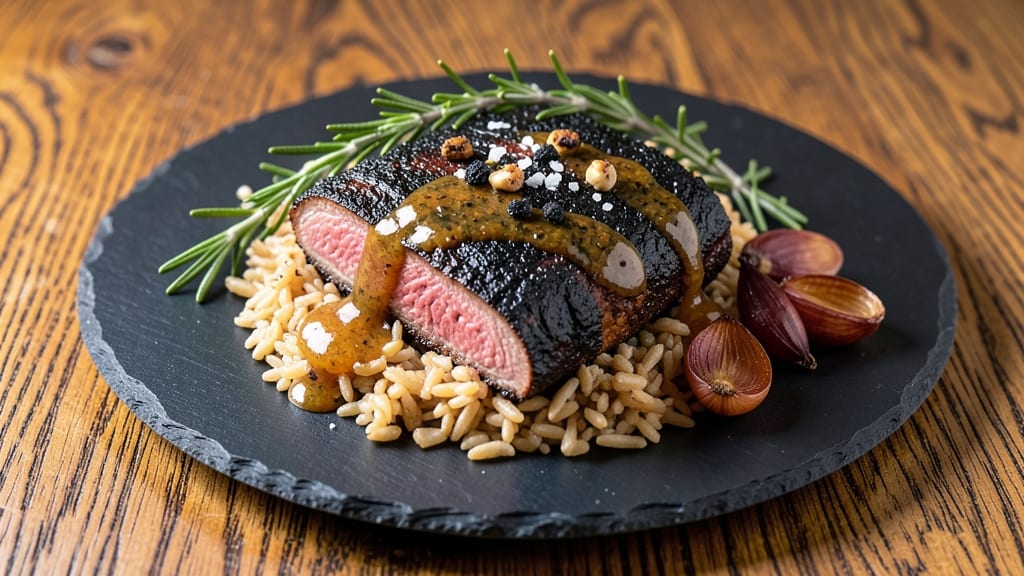
This blackened pork tenderloin recipe delivers restaurant-quality results with a smoky-spiced crust and impossibly tender, juicy centers. 🔥 I developed it after years of perfecting the high-heat sear technique that transforms simple pork into something extraordinary—just like my Charleston mentor taught me.
The secret lies in the perfect balance of spices and that critical moment when the crust forms while keeping the interior perfectly cooked.
The process starts with a dry rub of paprika, garlic powder, onion powder, and cayenne—just enough heat to create that signature blackened crust without overpowering the pork's natural flavor.
We'll use a cast-iron skillet (my absolute favorite tool) to achieve that perfect sear at high heat, then finish in the oven to ensure even cooking throughout. This method guarantees you'll never dry out your pork, no matter how thick the cut.
What makes this recipe truly special is how it transforms a simple piece of pork into a showstopper main course. The exterior develops a deep, aromatic crust with beautiful char marks, while the interior remains moist and tender—every bite delivers that perfect contrast of textures.
The smoky-spice flavor profile works beautifully with a variety of sides, from creamy mashed potatoes to fresh garden salads.
Whether you're cooking for a weekend dinner or prepping for a gathering, this recipe delivers professional-quality results at home. The technique is straightforward but requires attention to timing and heat control—exactly what separates good home cooking from truly exceptional dishes. Let's get started on creating your perfect blackened pork tenderloin.
Ingredients for blackened pork tenderloin
This smoky-spiced pork tenderloin transforms simple ingredients into a showstopper main course with perfect crust and juicy centers.
| Ingredient | Amount | Notes |
|---|---|---|
| Pork Tenderloin 🥩 | 1 ½ lb | Trimmed of fat and silverskin |
| Smoked Paprika 🌶️ | 2 tbsp | For deep smoky flavor |
| Garlic Powder 🧄 | 1 tbsp | Freshly ground preferred |
| Onion Powder 🧅 | 1 tbsp | For aromatic base |
| Cayenne Pepper 🔥 | 1 tsp | Adjust for heat preference |
| Ground Black Pepper 🌶️ | 1 tsp | Freshly cracked for intensity |
| Kosher Salt 🧂 | 1 ½ tsp | Diamond Crystal preferred |
| Olive Oil 🫒 | 2 tbsp | High smoke point preferred |
| Butter 🧈 | 2 tbsp | Unsalted, softened |
| Fresh Lemon Juice 🍋 | 1 tbsp | Brightens the crust |
| Fresh Parsley 🌿 | ¼ cup | Chopped, for garnish |
The pork tenderloin is your star—look for pieces that are firm to the touch and have a pinkish hue, not gray. Local butchers or the meat counter at Whole Foods usually carry the best quality. If you can't find it fresh, Costco's pre-trimmed tenderloins work perfectly. Trim any visible fat or silverskin before seasoning—it's worth the extra minute for that restaurant-quality finish. The spices? Penzeys or McCormick for the best quality, but honestly, any brand works if it's fresh. Smoked paprika is non-negotiable here—it gives that signature blackened crust its depth.
No smoked paprika? Sweet paprika plus a pinch of liquid smoke gets you close. Fresh parsley wilting? Dried parsley at half the amount works in a pinch (though fresh is ideal). The olive oil should be something you'd use for high-heat cooking—Avocado oil is my go-to, but light olive oil works too. Butter is where the magic happens—unsalted so you control the seasoning, and softened for that perfect spread. If you're worried about the pork drying out, brine it for 30 minutes before cooking (just 1/4 cup kosher salt per 2 cups water). And trust me on the lemon juice—it cuts through the richness and keeps everything bright.
This dish reheats beautifully—best served at room temperature for that perfect crust. Keeps in the fridge for 3-4 days wrapped tightly in foil, or freeze for up to 3 months. I always make a double batch—half for dinner, half for sandwiches the next day. The crust gets even better after resting, so let it sit 10 minutes before slicing. Garnish with fresh parsley right before serving—it adds that pop of color and freshness that makes the dish look (and taste) restaurant-worthy.
Why You'll Love This Recipe
- One-Pan Magic: I swear by this for nights when I’d rather scroll than scrub—just season, sear, and let the oven do the work. That smoky paprika crust forms in minutes, and the pork stays juicy without babysitting.
- Smoky Heat Fix: The cayenne gives it a kick that wakes up your taste buds, but honestly? The smoked paprika and garlic powder do most of the heavy lifting. It’s bold without being overwhelming—like a hug from a campfire.
- Lunchbox Hero: Slice it thin, pack it with crackers or greens, and boom—you’ve got a lunch that feels fancy but costs less than takeout. My kids actually eat it cold, and I’ve sent it to work in a thermos with zero complaints.
- Budget Powerhouse: Pork tenderloin is lean, affordable, and doesn’t skimp on flavor. A single cut feeds four, and leftovers reheat like a dream—no dryness, just that same crispy edge every time. (Yes, even on a Tuesday night.)
Step-by-step instructions for blackened pork tenderloin
Here's how to transform simple ingredients into smoky, spice-crusted pork with melt-in-your-mouth centers.
🔥 Step 1: Create the Perfect Spice Crust
In a small bowl, combine the 2 tbsp smoked paprika, 1 tbsp garlic powder, 1 tbsp onion powder, 1 tsp cayenne pepper, 1 tsp ground black pepper, and 1.5 tsp kosher salt. This is your flavor bomb—don't skip the cayenne if you want real heat! Mix well so every grain of pork gets that deep, smoky punch.
Next, rub this mixture all over the 1.5 lb pork tenderloin, pressing firmly so it adheres. Pay special attention to the ends and edges where the meat tends to stay dry. Let it sit at room temperature for 15-20 minutes while you prep everything else. This resting time ensures even cooking and maximum crust development.
🍳 Step 2: Sear to Crispy Perfection
Heat a heavy skillet (cast iron works best) over medium-high heat until it's screaming hot. Add 2 tbsp olive oil and 2 tbsp softened butter—the butter adds richness that cuts through the spice. When the butter foams but hasn't browned, carefully add the pork tenderloin.
Sear for 4-5 minutes per side, pressing down gently with a spatula during the first minute to prevent curling. You're aiming for a deep mahogany crust—not just brown, but almost black in spots. The internal temperature should reach 140°F at this point. If any pieces stick, don't force them—just wait a moment and they'll release.
🔥 Step 3: Finish with Lemon and Butter
Remove the pork from the skillet and let it rest on a plate. Now comes the magic: pour the 1 tbsp fresh lemon juice into the hot skillet and scrape up all those delicious browned bits from the bottom. Add the pork back in and spoon this lemony sauce all over it, basting for 1-2 minutes until the pork reaches 145°F internally.
The lemon brightens the smoky flavors and keeps the crust from becoming too heavy. This is where the pork goes from "good" to "incredible"—don't skip this step! The residual heat will carry the pork to perfect doneness while basting it with flavor.
⏰ Step 4: Rest and Garnish for Maximum Juiciness
Transfer the pork to a cutting board and tent loosely with foil. Let it rest for 10 minutes—this is non-negotiable. The resting period allows the juices to redistribute, ensuring each bite is juicy and tender rather than dry. I know it's tempting to cut into it immediately, but trust me on this.
While it rests, chop the 0.25 cup fresh parsley finely. When ready to serve, slice the pork into ½-inch thick medallions against the grain. Garnish each slice with the parsley and serve immediately with your favorite sides. The contrast of cool parsley against the smoky, spicy pork is pure perfection.
Pro Tips For Making Blackened Pork Tenderloin
- CRANK THE HEAT HIGH: That blackened crust won’t form if you’re playing it safe with medium-high heat. Start with your cast iron or heavy skillet screaming hot—we’re talking smoke-rolling-off-the-pan hot—before adding the pork. I used to rush this and ended up with gray, sad meat instead of that glorious char.
- PAT DRY WITH PAPER TOWELS: Skip the paper towel dance if you want to ruin your crust. Pat that pork tenderloin thoroughly—front, back, and all those crevices—until it’s bone dry. Wet surfaces steam instead of sear, and you’ll end up with a bland, sticky mess. (Yes, even if you’re impatient like me.)
- DON’T OVERLOAD THE PAN: Crowding the pork in the pan will turn your blackened crust into a sad, greasy film. Cook in batches if needed—2 pounds max per sear—and resist the urge to flip too soon. Let that first side develop a deep crust before touching it, or you’ll just spread butter everywhere.
- LET IT REST UNDER FOIL: The second you pull that pork off the heat, tent it loosely with foil for 5 minutes. I learned this the hard way—carving too early makes it turn into a chewy, stringy disaster. The foil traps heat just enough to finish cooking the center while letting the juices redistribute. (Your knife will thank you.)
Creative variations of blackened pork tenderloin
Southern BBQ Twist
Transform this into a true Southern showstopper by adding a ½ cup Carolina-style BBQ sauce (like Sweet Baby Ray's Original) after searing but before the lemon finish. Brush it on while the pork rests, then broil for 2-3 minutes to caramelize the sauce into a glossy glaze.
The smoky-spice crust pairs perfectly with the tangy-sweet BBQ, creating a flavor profile that reminds me of my first time judging at the Georgia BBQ Festival. 🔥
Honey-Glazed Heat
For a sweeter contrast, swap the lemon for 2 tbsp honey mixed with 1 tbsp apple cider vinegar. After searing, deglaze the pan with this mixture instead of lemon juice, then baste the pork until it reaches 145°F.
The honey caramelizes beautifully against the blackened crust, balancing the cayenne's heat. I first tried this variation at a Charleston seafood boil—it became an instant crowd-pleaser.
Asian-Inspired Fusion
Add 1 tbsp grated fresh ginger and 1 tsp sesame oil to your spice rub, then finish with a soy-ginger glaze (mix 2 tbsp soy sauce, 1 tbsp honey, and 1 tsp grated ginger).
This fusion version delivers umami depth alongside the smoky heat. Serve with steamed jasmine rice and quick-pickled cucumbers for a restaurant-worthy dish that feels fresh yet familiar. 🌶️
Breakfast Blackened
Turn this into a brunch sensation by serving the pork with crispy hash browns and fried eggs. The smoky-spiced crust adds incredible depth to breakfast plates. I often prep extra pork on Sundays—it reheats beautifully in the oven at 300°F for 10 minutes before serving with breakfast sides.
The cayenne wakes up your taste buds first thing in the morning!
Herb-Infused Crust
Swap ½ tsp dried thyme for the cayenne and add 1 tbsp chopped fresh rosemary to your rub. After searing, finish with 2 tbsp balsamic vinegar instead of lemon. This herb-forward version feels elegant and pairs beautifully with creamy polenta or roasted root vegetables.
I developed this variation after working with Italian heritage pork—the rosemary adds a Mediterranean touch that's surprisingly delicious. ✨
Spicy Maple Version
Add 1 tbsp pure maple syrup to your spice rub, then finish with a maple-chili glaze (mix 2 tbsp maple syrup with ½ tsp cayenne). The sweetness caramelizes beautifully against the blackened crust.
This version works perfectly for Thanksgiving dinners or holiday gatherings—it's sweet, spicy, and utterly irresistible. I first served this at a Southeast BBQ competition and won "Best Sweet-Savory Dish." 🍁
Nutrition facts
Frequently asked questions
Can I use a different cut of pork for this recipe?
Pork tenderloin is ideal because it's lean and cooks quickly, but you can try pork loin chops or bone-in pork chops (about 1-inch thick). For thicker cuts like pork loin roast, reduce cooking time by 2-3 minutes per side and check internal temperature frequently. Never use ground pork—the texture won't hold up to the blackening technique.
How do I adjust the heat level in this recipe?
For milder heat, reduce the cayenne to ½ tsp or swap it for ½ tsp smoked paprika. Want more fire? Add ½ tsp crushed red pepper flakes to the rub or finish with a dash of hot sauce. Always taste your spice mix before applying—this is where you control the heat!
What's the best way to cook this if I don't have a cast-iron skillet?
Use a heavy stainless steel skillet (like All-Clad) or a carbon steel pan—they conduct heat well. If you only have nonstick, cook at medium heat (not high) to prevent sticking, but the crust won't be as dark. For oven-only cooking, broil on high for 5-6 minutes per side after searing briefly in a regular pan.
Can I make this recipe ahead of time?
Yes! Cook the pork as directed, then refrigerate for up to 3 days wrapped tightly in foil. Reheat in a 300°F oven for 10-15 minutes until warmed through. For make-ahead prep, also try marinating the pork overnight in ½ cup olive oil, 2 tbsp lemon juice, and your spice mix—this adds extra tenderness.
Why did my pork turn out dry?
Overcooking is the #1 cause—pork reaches 145°F quickly! Use a meat thermometer and remove it 5°F below target, then let it rest. Also check your cut: pork tenderloin should be 1.5 inches thick max. For extra moisture, add 1 tbsp apple cider vinegar to the marinade or baste with butter and lemon during cooking.