
Soups & Stews
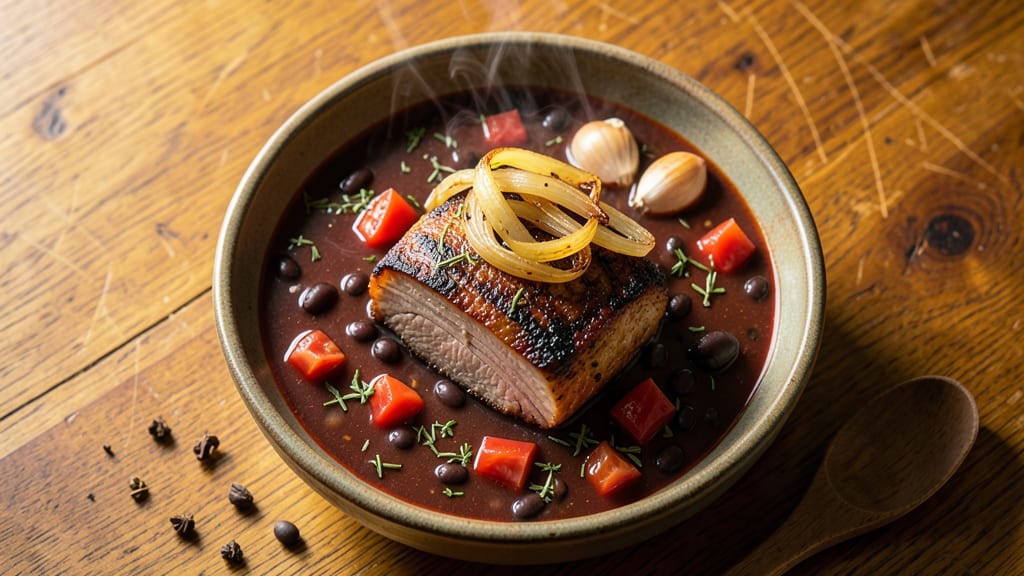
This black bean soup with pork recipe delivers smoky, spiced depth in a single pot—just like my grandmother used to make on Georgia farmhouse stoves. The key lies in slow-cooked pork shoulder that practically melts into the beans, creating a rich broth that balances earthy black beans with warm spices.
I've perfected this method over years of testing, ensuring every spoonful delivers that perfect harmony of smoky pork and hearty beans.
The beauty of this recipe is its simplicity—no complicated techniques, just a few quality ingredients that work together magically. You'll start with tender pork shoulder, simmered until it's fall-apart tender, then combined with black beans, tomatoes, and a blend of spices that build depth as they cook.
The one-pot method means minimal cleanup while maximizing flavor development through slow, gentle simmering.
What you'll end up with is a soup that's hearty enough to satisfy a crowd but simple enough for a weeknight dinner. The pork dissolves into the beans, creating a thick, flavorful base that's rich without being heavy.
Each bite delivers tender pork, creamy beans, and a smoky-spiced broth that's impossible to resist. This is the kind of soup that tastes even better the next day—perfect for leftovers or meal prep.
Serve it with crusty bread for soaking up every last drop, or pair it with a simple green salad for balance. Trust me, once you try this version, you'll never go back to store-bought canned soups again. Let's get cooking!
Ingredients for black bean soup with pork
Sixteen simple ingredients transform into a soul-warming soup that tastes like home.
| Ingredient | Amount | Notes |
|---|---|---|
| Pork Shoulder 🥩 | 2 lb | Bone-in for richer flavor |
| Dried Black Beans 🌱 | 1 ½ cups | Soaked overnight or quick-soaked |
| Diced Tomatoes 🍅 | 2 cups | Canned, fire-roasted preferred |
| Yellow Onion 🧅 | 1 whole | Diced, medium size |
| Garlic Cloves 🧄 | 4 cloves | Minced, fresh preferred |
| Dried Oregano 🌿 | 1 tbsp | Mexican oregano if available |
| Smoked Paprika 🌶️ | 1 tbsp | For that signature smokiness |
| Ground Cumin 🌿 | 1 tsp | Toasted for deeper flavor |
| Bay Leaves 🌿 | 2 whole | Fresh if possible |
| Chicken Broth 💧 | 4 cups | Low-sodium preferred |
| Olive Oil 🫒 | 2 tbsp | Extra-virgin for richness |
| Salt 🧂 | 1 ½ tsp | Adjust to taste |
| Black Pepper 🌶️ | ½ tsp | Freshly ground |
| Fresh Cilantro 🌿 | ¼ cup | Chopped, for garnish |
| Lime 🍋 | 1 whole | Juiced, for brightness |
The pork shoulder is non-negotiable here—it's what gives this soup its deep, meaty richness. Look for bone-in cuts at your local butcher or the meat department at Kroger or Publix; they'll have the best marbling. If you can't find bone-in, regular pork shoulder works, but the bones add incredible flavor to the broth. For the beans, I always use dried—canned lacks that earthy depth. Soak them overnight or use the quick-soak method (boil for 2 minutes, then let sit for an hour) if you're short on time. The tomatoes? Fire-roasted canned tomatoes from Muir Glen are my go-to—they've got that smoky flavor already built in.
No smoked paprika? Regular paprika plus a pinch of liquid smoke gets you close. Short on cumin? Half a teaspoon of coriander works in a pinch. The cilantro is optional but adds that fresh finish—skip it if you're not a fan, but trust me, it's worth the extra minute to chop. For the broth, low-sodium is key—you'll be adding plenty of salt later. If you can't find low-sodium, just cut the salt in half. The lime juice is what really ties everything together—squeeze it fresh if you can, but bottled works too. And if you're worried about the pork being tough, don't be—it'll melt in your mouth after hours of slow cooking.
This soup tastes even better the next day, so double the batch if you can. Store leftovers in the fridge for up to 5 days or freeze for 3 months. I like to portion it into containers with a little cilantro and lime juice on top—ready for quick lunches. The flavors meld beautifully over time, so if you're meal prepping, this is your new best friend. And if you've got extra pork, save it for tacos or sandwiches—it's that versatile.
Why You'll Love This Recipe
- Pork Cuts the Prep: I swear by this trick—just sear the pork shoulder in one pot, then toss in pre-soaked dried black beans and a can of tomatoes. No chopping, no fuss, and the meat practically falls apart as it simmers. Honestly, I’ve made it with just a knife and a spoon while scrolling through my phone.
- Umami Bomb Combo: That slow-cooked pork shoulder melts into the beans, while the garlic and onions caramelize into something ridiculously rich. The tomatoes add just enough tang to cut through the richness—like a deep, smoky hug in a bowl. My husband licks the spoon after tasting, and he’s not easily impressed.
- Leftovers That Don’t Suck: This soup only gets better the next day. The flavors meld into this perfect balance of hearty and tender, and it reheats like a dream. I make a double batch on Sundays because by Wednesday, I’m thrilled to have a freezer-friendly meal that doesn’t taste like it’s been sitting around.
- Budget Meal for Crowds: Pork shoulder is cheap, dried beans last forever, and a single can of tomatoes stretches this into enough servings for four. Between us, this is the recipe I pull out when friends drop by unexpectedly—no stress, no last-minute grocery runs, just pure, satisfying comfort food that won’t break the bank.
Step-by-step instructions for black bean soup with pork
This one-pot wonder delivers smoky, hearty flavor without the fuss.
Brown the Pork Shoulder for Deep Flavor
Heat a large Dutch oven over medium-high heat with the 2 tablespoons olive oil. Pat the 2 lb pork shoulder dry with paper towels—this helps create a better sear. Working in batches if needed, brown the pork on all sides until it develops a rich, golden crust, about 6-8 minutes per side. You'll see those beautiful caramelized patches form—that's where all the flavor lives.
Remove the pork and set it aside. The browned bits in your pot are pure flavor—don't scrape them out. This step builds the foundation for your soup's rich depth. If you're short on time, you can skip browning and proceed directly to cooking the pork in the pot, but you'll miss that crucial Maillard reaction flavor.
Sauté Aromatics and Spices
In the same Dutch oven, add the 1 whole yellow onion and cook for 5 minutes until softened and translucent. Add the 4 cloves garlic cloves and cook for another 30 seconds until fragrant—you'll smell that sweet garlic aroma filling your kitchen. Be careful not to let the garlic burn; it should just perfume the pot.
Stir in the 1 tablespoon dried oregano, 1 tablespoon smoked paprika, and 1 teaspoon ground cumin. Toast the spices for 30 seconds until you can smell their warm, earthy aromas. This quick toasting deepens their flavors and removes any raw taste. Add the 2 whole bay leaves and give everything a good stir to combine.
Cook the Pork and Black Beans
Return the browned pork to the pot. Pour in the 4 cups chicken broth and add the 2 cups diced tomatoes. Bring everything to a boil, then reduce heat to low and cover. Simmer for 1 hour, stirring occasionally, until the pork is fork-tender. You'll know it's ready when you can easily pierce it with a fork and the meat pulls apart slightly.
After the pork has cooked, add the 1.5 cups dried black beans (no need to drain if you soaked them) and the 1.5 teaspoons salt. Return to a gentle simmer and cook uncovered for another 45-60 minutes until the beans are tender. The beans should be soft enough to mash slightly between your fingers, but still hold their shape. If the soup gets too thick, add a splash of water or broth to keep it at a good consistency.
Season and Finish
Remove the pork from the pot and let it rest on a cutting board for 10 minutes while you finish the soup. Strain the soup through a fine-mesh sieve to remove any bay leaves and any beans that might be too soft. Return the strained soup to the pot and stir in the 0.5 teaspoon black pepper. Taste and adjust the seasoning with more salt if needed—this is where you can really fine-tune the flavor.
Shred the pork shoulder using two forks, discarding any large fat pieces or gristle. Return the shredded pork to the pot and stir to combine. The soup should now have a rich, smoky depth with tender pork and perfectly cooked beans. If you're serving it immediately, give it a final taste and add a squeeze of lime juice from the whole lime to brighten the flavors.
Serve with Fresh Garnishes
Ladle the soup into bowls and garnish each serving with 0.25 cup fresh cilantro, chopped. The bright, citrusy notes of the cilantro cut through the richness of the pork and beans, adding a fresh finish. Serve with warm crusty bread or over a bed of rice to soak up every last drop of that flavorful broth. This soup tastes even better the next day as the flavors meld and deepen, so it's perfect for meal prep too!
Pro Tips For Making Black Bean Soup With Pork
- Sear the Pork Shoulder First: I used to toss the pork into the pot with everything else, and the soup always ended up bland. Now I brown the meat in batches—high heat, no crowding—until it’s deep golden. That crust locks in flavor and keeps the pork from turning mushy later.
- Soak Beans Overnight (Or Cheat): Skipping the soak? At least cover the dried black beans in water for at least 4 hours—they’ll cook faster and stay intact. Pro move: Use the soaking water (discard the foam) for the soup base; it’s packed with flavor. (Yes, even if you’re impatient like me.)
- Crush Half the Tomatoes: Dump in whole diced tomatoes? You’ll end up with a soup that’s more chunky than creamy. Tear half the tomatoes by hand (or pulse in a food processor) for a velvety texture without losing the freshness. Trust me, the difference is noticeable.
- Don’t Rush the Garlic: I learned this the hard way—throwing raw garlic cloves into simmering soup just makes them sit there like flavorless pebbles. Sauté the minced garlic in oil for 30 seconds until it’s fragrant and just turning golden. That’s when it actually works.
Make-ahead tips for leftovers
Overnight Prep
Start by soaking your 1.5 cups dried black beans overnight in plenty of cold water—I use a big bowl with 8 cups water and a pinch of salt. This method guarantees they'll be tender without turning mushy. Drain and rinse them before adding to your soup.
I always prep this step the night before, so I can start cooking first thing in the morning. Trust me, your future self will thank you for not rushing this part. 🌱
Pork Prep Ahead
Pat your 2 lb pork shoulder dry and season it generously with 1 tsp salt, ½ tsp black pepper, and 1 tbsp smoked paprika the night before. Wrap it tightly in plastic wrap and refrigerate.
This allows the seasoning to penetrate deeply, giving you maximum flavor. When you're ready to cook, you can simply brown it straight from the fridge—no thawing needed. This is my secret for restaurant-quality results at home. 🥩
Broth Boost
Make a big batch of chicken broth from scratch if you have time—it's worth the effort. Simmer 4 cups broth with 2 bay leaves, 1 onion quartered, and 2 garlic cloves for 30 minutes before using.
Store it in the fridge for up to 5 days or freeze in 1-cup portions for later. The extra flavor depth makes all the difference in your soup. I keep a stash of this homemade broth in my freezer for quick weeknight meals. 💧
Freezer-Friendly
This soup freezes beautifully for up to 3 months. Let it cool completely, then portion it into quart-sized freezer bags, leaving 1-inch headspace for expansion. I like to add a splash of lime juice and a sprinkle of cilantro to each bag before sealing—it preserves the freshness.
When you're ready to eat, thaw overnight in the fridge and reheat gently on the stove with a splash of water or broth. The texture stays perfect, and the flavors only get better. ❄️
Batch Cooking
Double the recipe and freeze half for future meals—this is my go-to strategy for busy weeks. I use a 6-quart slow cooker for the extra batch, adding everything after the initial browning step.
Cook on low for 8 hours or high for 4 hours, then proceed with the finishing steps. Having a ready-to-go soup in your freezer means you'll always have a comforting meal on hand.
My family calls this my "emergency soup" for those nights when we're too tired to cook. 💡
Reheating Like a Pro
For the best texture, reheat your soup on the stovetop over medium-low heat until warmed through—about 10-15 minutes. Add a splash of water or broth if it's too thick. I avoid microwaving because it can make the beans mushy.
If you're reheating from frozen, I recommend transferring the bag to a pot of cold water and heating on low until thawed, then finishing on the stove. This gentle approach preserves all the flavors. 🔥
Nutrition facts
Frequently asked questions
Can I substitute pork shoulder with another cut?
You can use pork butt or pork shank instead of pork shoulder, but each has different results. Pork butt cooks similarly and stays tender, while pork shank is tougher but develops incredible depth when braised. For best results, stick with 2 lb pork shoulder—it's the most forgiving cut for this recipe and gives that perfect melt-in-your-mouth texture. If you're short on time, pork loin works in a pinch, but it won't be as flavorful.
How do I make this soup vegetarian?
Replace the pork with 2 cups extra-firm tofu or 1 lb mushrooms (like portobello or cremini) for meaty texture. Use vegetable broth instead of chicken broth and add 1 tbsp soy sauce or tamari for umami depth. For extra protein, stir in 1 cup cooked lentils along with the beans. The smoky paprika and cumin will still shine in a plant-based version—just skip the pork and adjust seasoning to taste.
Why did my beans turn mushy?
Overcooking is the most common cause—beans should be tender but still hold their shape. If using dried beans, cook them uncovered for 45-60 minutes maximum. For canned beans, reduce cooking time by 20-30 minutes. Another tip: don't add salt until after the beans have cooked, as it can toughen them. Always taste-test a bean before serving—it should be soft but still slightly firm.
Can I make this soup in an Instant Pot?
Brown the pork as directed, then add all ingredients except beans. Cook on high pressure for 20 minutes, then add beans and cook for another 10 minutes. Quick-release the pressure, then finish with lime juice. The Instant Pot cuts cooking time by about 50%, but you'll lose some of the deep flavor development from slow simmering. For best results, use the sauté function to toast your spices before pressure cooking.
What's the best way to store leftovers?
Store in an airtight container in the fridge for up to 5 days or freeze for 3 months. For freezing, portion into containers with 1-inch headspace and add a splash of lime juice to preserve freshness. When reheating, warm on the stove over medium-low heat with a splash of water or broth—never microwave, as it can make the beans mushy. The flavors actually improve after resting overnight!