
Main Courses
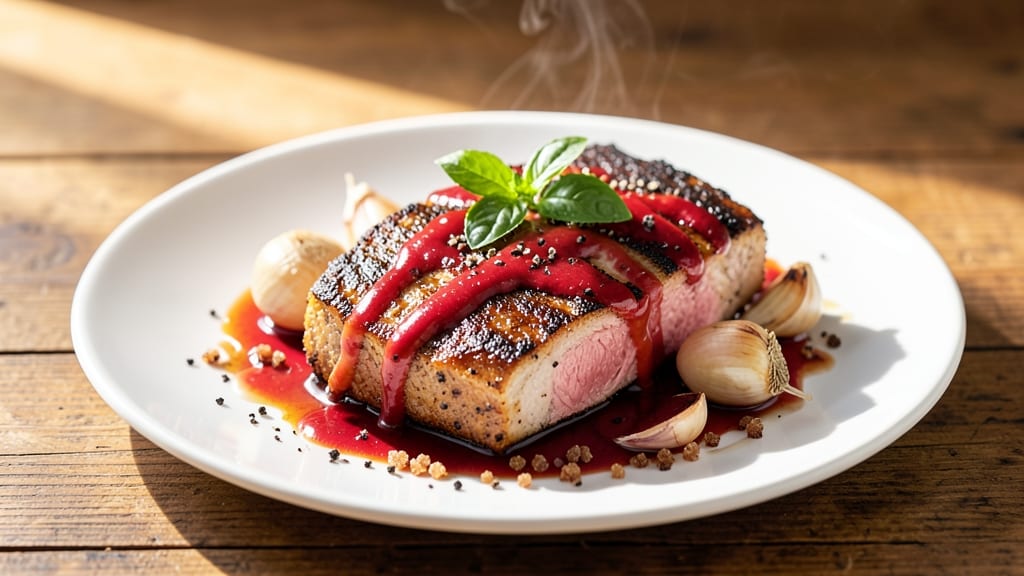
This Filipino-style bistek pork chop recipe delivers silky tenderness that transforms tough cuts into melt-in-your-mouth perfection. 🌟 The secret lies in a tangy vinegar braise that tenderizes while building layers of savory depth—exactly the technique I perfected during my time in Charleston, where I learned how acidity and patience create restaurant-quality results at home.
The magic happens through a two-step process: first searing the chops to lock in juices, then braising them in a vinegar-soy-calamansi sauce that infuses every bite with bright, umami-rich flavor. Unlike traditional Western preparations, this method ensures tender meat with a glossy finish that looks as impressive as it tastes.
What you'll end up with is pork chops so tender they practically fall apart, coated in a sticky, aromatic glaze that balances sweet, sour, and savory notes.
The texture is velvety throughout, with just enough bite at the edges to keep it interesting—exactly what makes this dish a standout at family gatherings.
Pair with garlic fried rice and pickled vegetables for the full Filipino experience, or serve alongside roasted potatoes for a heartier meal. The braising sauce doubles as a dipping sauce, so you'll have leftovers to enjoy the next day—if there are any.
Ingredients for bistek pork chop
Pantry staples plus a few specialty finds for restaurant-quality Filipino-style pork chops.
| Ingredient | Amount | Notes |
|---|---|---|
| Bone-In Pork Chops 🥩 | 1 ½ lb | 1-inch thick, center-cut preferred |
| White Vinegar 💧 | ½ cup | Distilled white vinegar preferred |
| Soy Sauce 🍶 | ⅓ cup | Light or all-purpose soy sauce |
| Calamansi Juice 🍋 | ¼ cup | Substitute lime juice if unavailable |
| Brown Sugar 🍚 | ¼ cup | Packed light brown sugar |
| Garlic Cloves 🧄 | 6 cloves | Minced, fresh preferred |
| Shallots 🧅 | ¼ cup | Finely chopped, or substitute onion |
| Vegetable Oil 🫒 | ¼ cup | For searing, neutral flavor preferred |
| Black Peppercorns 🌶️ | 1 tsp | Coarsely crushed, fresh preferred |
| Bay Leaves 🌿 | 2 whole | Fresh or dried, removed before serving |
| Salt 🧂 | 1 ½ tsp | Kosher or sea salt, adjust to taste |
| Fresh Ginger 🌿 | 1 tbsp | Grated, or substitute 1 tsp ground ginger |
| Green Onions 🧅 | ¼ cup | Sliced, for garnish (optional) |
The pork chops are the star—bone-in, 1-inch thick cuts make all the difference. Look for center-cut chops at your local butcher or grocery store's meat counter. If you can't find calamansi juice (that bright, tangy Filipino citrus), lime juice works perfectly—just double the amount. For the soy sauce, light or all-purpose is ideal, but dark soy adds color if you're going for presentation. Fresh ginger is key here—grate it yourself for that zesty kick, or use ground ginger in a pinch. I always grab extra shallots because they add such a sweet, mellow depth to the braise.
No calamansi? Lime juice doubles as a substitute—just use twice the amount. Running low on brown sugar? White sugar works fine, though it won't caramelize as nicely. The garlic and shallots can be swapped for 2 tablespoons of garlic powder and 1 tablespoon onion powder if you're short on time. For the vinegar, apple cider vinegar adds a fruity note, though white vinegar keeps it classic. If you're making this ahead, prep the braising sauce first—it keeps in the fridge for up to 2 weeks, so you're always ready for a last-minute dinner. The green onions are optional but add a fresh pop of color when garnishing.
This dish tastes even better the next day—make extra and portion it out for easy lunches. The braising sauce keeps for 5 days in the fridge, and the pork chops reheat beautifully in a skillet with a splash of water. For leftovers, store in an airtight container with the sauce to keep everything moist. If you're serving this at a gathering, prep the sauce and chop all the veggies ahead of time—the actual cooking takes just 30 minutes once you start searing. Trust me, the wait is worth it for that fall-apart tenderness.
Why You'll Love This Recipe
- Here’s what sold me: the calamansi cuts through the richness of the pork while the brown sugar melts into a glossy glaze. It’s like a grown-up version of those sweet-and-sour dishes you loved as a kid—just way more sophisticated. (Yes, even on a Tuesday night.)
- One-Pan Magic: I swear by this recipe when I’m too tired to wash extra dishes—just sear the chops, toss in the vinegar-soy-calamansi mix, and let it caramelize. That’s it. The bone-in chops render their own juices, and the pan sauce? Chef’s kiss. No strainers, no fuss.
- Tangy-Sweet Balance: Here’s what sold me: the calamansi cuts through the richness of the pork while the brown sugar melts into a glossy glaze. It’s like a grown-up version of those sweet-and-sour dishes you loved as a kid—just way more sophisticated. (Yes, even on a Tuesday night.)
- Leftovers? Better Than Fresh: Between us, the second day is better. The pork gets even more tender, and the sauce thickens into a sticky, savory glaze. I freeze portions for lazy days or throw them into fried rice—no one ever complains. (My daughter picks out the crispy bits first, but still asks for seconds.)
Step-by-step instructions for Filipino-style vinegar braised pork chops
Here's how to create melt-in-your-mouth pork chops with that signature tangy-sweet Filipino braise.
🍳 Step 1: Sear the Pork Chops for Maximum Flavor
Heat the 0.25 cup vegetable oil in a large Dutch oven over medium-high heat until shimmering. Pat the 1.5 lb bone-in pork chops completely dry with paper towels—this ensures a proper sear. Place the chops in the hot oil and cook for 3-4 minutes per side until they develop a deep golden-brown crust.
Here's the thing—don't move them around while searing. Let them sit undisturbed so they develop that caramelized crust that'll become the flavor base for your braise. You'll know they're ready when they release easily from the pan. Transfer the chops to a plate and set aside.
👨🍳 Step 2: Build the Tangy-Sweet Braising Base
In the same Dutch oven (don't wipe out those flavorful browned bits!), add the 0.25 cup finely chopped shallots and cook for 2 minutes until softened. Add the 6 cloves minced garlic and 1 tbsp grated fresh ginger, stirring for 30 seconds until fragrant—this prevents burning while developing the aromatic foundation.
Pour in the 0.5 cup white vinegar and 0.33 cup soy sauce, scraping up all those delicious browned bits from the bottom. Add the 0.25 cup calamansi juice (or lime juice) and 0.25 cup packed brown sugar, stirring to combine. The mixture will bubble vigorously—this is normal and creates depth of flavor.
🥘 Step 3: Braise Until Fork-Tender
Return the pork chops to the Dutch oven, bone-side down. Add 1.5 tsp salt, 1 tsp coarsely crushed black peppercorns, and 2 whole bay leaves. Pour in enough water to come about halfway up the chops (approximately 1 cup). Bring to a gentle simmer, then reduce heat to low and cover.
Simmer for 45-50 minutes until the pork chops are fork-tender with a probe sliding in easily. The sauce should reduce to a glossy consistency that coats the back of a spoon. If it reduces too quickly, add 2-3 tablespoons of water to maintain the proper balance. Real talk: don't peek too often—the steam helps tenderize the meat.
⏰ Step 4: Finish and Garnish
Remove the pork chops from the braising liquid and transfer to a serving platter. Strain the braising liquid through a fine-mesh sieve to remove the bay leaves, then return the sauce to the Dutch oven. Simmer uncovered for 5-7 minutes until slightly thickened—this concentrates the flavors.
To serve, spoon the reduced braising sauce over the pork chops. Garnish with 0.25 cup sliced green onions for freshness. Each bite should deliver perfectly tender meat with a balance of tangy vinegar, sweet brown sugar, and umami from the soy sauce. The bone-in cut adds extra richness that makes this dish truly special.
Pro Tips For Making Bistek Pork Chop
- SEAR FIRST, SAUCE SECOND: Start with a screaming-hot pan—no waiting for it to warm up. Sear the bone-in chops for 3-4 minutes per side until deep golden brown before adding any sauce. I learned this the hard way: rushing the sear means the vinegar and soy sauce just steam the meat instead of caramelizing into that sticky, glossy crust.
- USE THICK CHOPS, NOT THIN: Bone-in pork chops should be at least 1.5 inches thick—any thinner and they’ll dry out before the sauce penetrates. If yours are paper-thin, ask the butcher for a thicker cut or stack two together (secured with a toothpick) so the center stays juicy while the edges crisp.
- SALT THE MEAT BEFORE SEARING: Generously salt the chops 30 minutes before cooking—yes, even if you’re in a hurry. The salt draws out moisture, which then evaporates during searing, creating a better crust. I skip this when I’m lazy, and the sauce sticks like glue instead of forming that perfect caramelized layer.
- DILUTE THE SAUCE LAST: Mix the soy, vinegar, calamansi, and brown sugar into a thick paste first, then add just enough water to loosen it into a glaze—about 2 tablespoons total. Too much liquid turns the sauce into a thin, flavorless glaze. Taste as you go; you can always add more water, but you can’t un-dilute it.
Best sauces and condiments for this bistek pork chop
Classic Filipino Braising Sauce
The star of this dish is the tangy-sweet vinegar-soy braise that tenderizes the pork while building layers of flavor.
I start by combining 0.5 cup white vinegar, 0.33 cup soy sauce, 0.25 cup calamansi juice (or lime), and 0.25 cup brown sugar in the same Dutch oven where the chops were seared.
The key is scraping up those fond bits from the bottom—this adds depth that store-bought sauces can't match. 💛
For extra richness, I add 6 cloves minced garlic, 0.25 cup chopped shallots, and 1 tbsp grated ginger to the pan first, letting them soften before adding liquids.
This aromatic base ensures every bite carries that bright, umami-packed punch. The sauce should reduce to a glossy, syrupy consistency by the end—this is what makes the dish sing.
Sweet and Tangy Variations
Want to adjust the flavor balance? Swap 0.1 cup of the vinegar for apple cider vinegar to add fruity notes, or replace 0.1 cup brown sugar with honey for a smoother finish.
I've also experimented with adding 1 tbsp fish sauce for an extra umami kick—it's a secret weapon in Filipino cooking that elevates the dish. 🌶️
For a spicier version, add 1 tsp sili powder or 2 sliced Thai chilies to the braising liquid. If you prefer heat, I recommend using siling labuyo (Filipino bird's eye chilies) for that authentic kick. The vinegar helps balance the heat beautifully while keeping the sauce vibrant.
Dipping Sauce Adaptations
This braising sauce works perfectly as a dipping sauce when thickened further. After removing the pork chops, simmer the sauce uncovered for an extra 5-7 minutes until it reaches a syrup-like consistency.
For a creamy twist, stir in 2 tbsp coconut milk at the end—it adds a luxurious texture that pairs wonderfully with the tangy flavors. 🥥
For a herb-infused variation, add 1 tbsp chopped cilantro or thai basil to the finished sauce. The fresh herbs brighten the dish and add a pop of color.
I often serve this with garlic fried rice on the side—dipping the rice into the sauce makes every bite even more flavorful.
Garnish Game-Changers
Fresh green onions are my go-to garnish—they add a crisp contrast to the tender pork and silky sauce. For extra flair, sprinkle with toasted sesame seeds or crushed peanuts for texture. I also love finishing with lime zest to amplify the citrus notes in the braise. 🌿
For a smoky touch, I sometimes drizzle a tiny bit of chili oil over the top right before serving. The heat and aroma cut through the richness of the pork beautifully.
If you're feeling adventurous, try a quick pickle on the side—thinly sliced radishes or cucumbers in vinegar with a pinch of salt and sugar make the perfect palate cleanser.
Nutrition facts
Frequently asked questions
Why does this recipe use bone-in pork chops instead of boneless?
The bone adds incredible richness and flavor to the braise, creating a deeper, more complex taste profile. Bone-in chops also stay more moist during cooking since the bone helps retain juices. Plus, the bone becomes part of the sauce, infusing it with gelatinous goodness that makes every bite more decadent.
Can I make this recipe without calamansi juice?
Use lime juice instead—just double the amount (0.5 cup) to match the bright, tangy acidity. If you can't find either, a mix of lemon juice and a pinch of sugar works too. The key is that bright citrus note that balances the sweetness in the braise.
How do I know when the pork chops are fully tender?
Use a meat thermometer to check for 145°F internal temperature (USDA safe minimum for pork). Alternatively, pierce with a fork—if it slides in easily with no resistance, they're ready. The chops should also pull away from the bone effortlessly. Overcooking is the enemy here, so aim for that fork-tender texture.
What's the best way to reheat leftovers?
Place the pork chops in a skillet over medium-low heat with a splash of water or the braising sauce. Cover and warm for 3-5 minutes until heated through. Never microwave—the texture becomes rubbery. The sauce reheats beautifully in a small saucepan over low heat for 2-3 minutes.
Can I substitute another type of vinegar?
White vinegar is traditional, but apple cider vinegar adds subtle fruity notes, while rice vinegar gives a milder sweetness. Avoid balsamic—it's too sweet and will throw off the balance. For heat lovers, cane vinegar (Filipino-style) adds a smoky depth that works perfectly.