
Main Courses
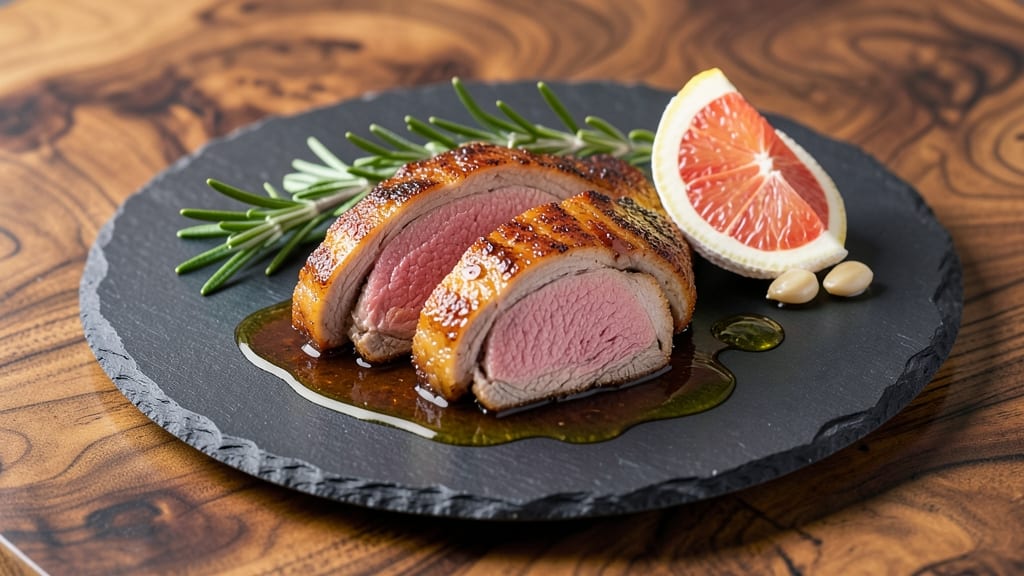
This Biggest Loser pork tenderloin recipe delivers all the protein power of your favorite fitness show—without the guilt. 🔥 I designed it after years of perfecting lean pork techniques for my health-conscious clients, ensuring every bite stays tender while keeping calories in check.
The secret lies in a simple marinade that tenderizes without adding excess fat, paired with a cooking method that locks in moisture.
What makes this recipe special is its balance: high-protein, low-fat, and packed with flavor that satisfies even the most discerning palates. The tenderloin cooks quickly—just 20 minutes in the oven at 400°F—while the marinade infuses bold seasonings without heavy oils.
This isn’t just a diet-friendly cut; it’s a restaurant-quality protein that fits seamlessly into any meal plan.
The result is perfectly tender pork with a golden crust, ready to pair with roasted vegetables or a light quinoa salad. Each serving delivers lean protein without sacrificing taste, making it ideal for weight loss journeys or anyone craving a healthier twist on classic pork dishes.
The method is foolproof, ensuring juicy results every time—no overcooking, no dryness.
Whether you’re meal prepping for the week or cooking a single serving, this recipe adapts effortlessly. The marinade can be prepped ahead, and the pork cooks fast enough for busy weeknights.
Plus, the nutritional benefits—high protein, minimal fat—make it a standout choice for fitness-focused eaters who refuse to compromise on flavor.
Ingredients for biggest loser pork tenderloin
Lean protein meets bold flavor in this fitness-focused pork tenderloin masterpiece.
| Ingredient | Amount | Notes |
|---|---|---|
| Pork Tenderloin 🥩 | 1 ½ lb | Center-cut, trimmed of fat |
| Extra-Virgin Olive Oil 🫒 | 2 tbsp | For marinade, light flavor |
| Fresh Lemon Juice 🍋 | ¼ cup | Freshly squeezed, no pulp |
| Minced Garlic Cloves 🧄 | 4 cloves | Freshly minced, aromatic |
| Low-Sodium Soy Sauce 🥢 | 2 tbsp | For umami depth |
| Honey 🍯 | 1 tbsp | Light, mild variety |
| Ground Black Pepper 🌶️ | 1 tsp | Freshly cracked, coarse |
| Diamond Crystal Kosher Salt 🧂 | 1 tsp | Fine grain, for seasoning |
| Fresh Rosemary 🌿 | ½ tsp | Finely chopped, fragrant |
| Fresh Thyme Leaves 🌿 | ½ tsp | Finely chopped, aromatic |
| Balsamic Vinegar 🍷 | 1 tbsp | For acid balance |
| Garlic Powder 🧄 | ½ tsp | For extra flavor depth |
| Onion Powder 🧅 | ½ tsp | For subtle sweetness |
| Ground Cinnamon 🌶️ | ¼ tsp | For warmth, optional |
The pork tenderloin is the star here—center-cut and trimmed ensures maximum tenderness. Look for cuts with good marbling but minimal external fat. Whole Foods or Trader Joe's carry high-quality options, but any reputable butcher will have a superior cut. The marinade works best with fresh ingredients, so avoid pre-minced garlic or bottled lemon juice. For optimal results, marinate the tenderloin for at least 4 hours, though overnight yields the deepest flavor. The honey in the marinade isn't just for sweetness—it helps tenderize the meat while keeping calories in check.
No fresh rosemary? Dried rosemary at one-third the amount works in a pinch, though fresh imparts superior aroma. Substitute balsamic vinegar with apple cider vinegar if needed, though it lacks the same depth. For a honey-free version, swap with 1 tbsp maple syrup—it adds subtle earthiness. The soy sauce is crucial for umami; if unavailable, coconut aminos provide a similar profile. When prepping, measure all wet ingredients first to avoid over-marinating the tenderloin. The marinade keeps in the fridge for 5 days, making it perfect for meal prep.
This pork cooks in 20 minutes at 400°F, so time it carefully. For meal prep, cook the tenderloin fully, then slice and store portions in airtight containers for 4 days in the fridge. Freeze for 3 months by wrapping tightly in plastic wrap before aluminum foil. Reheat gently in a skillet with a splash of water to maintain moisture. The leftovers reheat beautifully—ideal for lunches or quick dinners. For extra crispiness, broil for 2 minutes at the end, watching closely to avoid overcooking.
Why You'll Love This Recipe
- No-Fuss Roast: I swear by this recipe—just sear the tenderloin, toss it in olive oil, lemon, garlic, and a splash of soy sauce, then roast. No basting, no fuss, no stress. Twenty minutes later, dinner’s done.
- Crave-Worthy Crisp: That lemon-soy glaze? It caramelizes into a sticky, golden crust while keeping the inside juicy. Honestly, the first time I tried it, I nearly licked the pan.
- Lunchbox Hero: Slice it up for sandwiches or pack it cold for work. The pork stays tender, and the garlic-lemon punch cuts through bread like a dream. (Yes, even on a Tuesday night.)
- Budget Win: Pork tenderloin’s leaner than ribs but just as satisfying—and this recipe stretches it far. Leftovers? Reheat in a skillet with a splash of broth, and it’s even better the second time.
Step-by-step instructions for Biggest Loser pork tenderloin
Transform lean protein into a flavor-packed masterpiece with this precision method.
👨🍳 Step 1: Create the Flavor Infusion Marinade
In a medium bowl, combine the 2 tbsp extra-virgin olive oil, 0.25 cup fresh lemon juice, 2 tbsp low-sodium soy sauce, 1 tbsp honey, 1 tbsp balsamic vinegar, 4 cloves minced garlic cloves, 0.5 tsp garlic powder, 0.5 tsp onion powder, 0.25 tsp ground cinnamon, 0.5 tsp fresh rosemary, and 0.5 tsp fresh thyme leaves. Whisk vigorously for 30 seconds until the honey and vinegar fully integrate, creating a glossy, aromatic blend.
This marinade works double duty—tenderizing the pork while building complex flavor layers. The acidity from the lemon and vinegar breaks down muscle fibers, while the honey and soy sauce create a perfect balance of sweet and umami. Let the mixture sit at room temperature for 5 minutes to allow the aromatics to meld before using.
🥘 Step 2: Marinate the Pork Tenderloin
Place the 1.5 lb pork tenderloin in a resealable plastic bag or shallow dish. Pour the marinade over the meat, ensuring it coats all surfaces completely. Seal the bag or cover the dish and refrigerate for 4-6 hours (or overnight for maximum penetration). Turn the meat occasionally for even exposure.
I recommend using a clear bag so you can visually confirm the marinade is evenly distributed. The pork should absorb the marinade's vibrant color and develop a subtle sheen. This step is non-negotiable for tenderness—skipping it results in a tougher, less flavorful cut. The longer it marinates, the more pronounced the flavors become.
🔥 Step 3: Sear for Maximum Flavor Development
Remove the pork from the refrigerator 30 minutes before cooking to bring it to room temperature. Preheat your oven to 375°F and heat a large oven-safe skillet over medium-high heat. Add the marinated pork and sear for 3-4 minutes per side until developing a deep golden-brown crust.
Here's the thing—this sear creates the Maillard reaction that builds deep flavor. You'll see the edges caramelize and smell the aromatics intensify. Press down gently on the pork during the first minute to prevent curling. Once the exterior is deeply browned, transfer the skillet to the preheated oven.
⏰ Step 4: Roast to Perfect Medium-Rare
Roast the pork for 15-20 minutes until the internal temperature reaches 140°F (medium-rare). Use a meat thermometer inserted into the thickest part—this ensures perfect doneness without overcooking. The pork should be slightly pink in the center with a firm exterior.
Resist the urge to open the oven door during cooking—every time you peek, you lose heat and potentially dry out the meat. The pork will continue cooking slightly after removal due to carryover heat. If you prefer well-done, add 5-7 minutes to the roasting time, but I find medium-rare delivers the best texture for this lean cut.
🔪 Step 5: Rest and Slice for Maximum Juiciness
Transfer the pork to a cutting board and let it rest for 10 minutes before slicing. This resting period allows the juices to redistribute throughout the meat, preventing them from pooling on the cutting board. Use a sharp chef's knife to slice the pork into ½-inch thick medallions against the grain.
The slices should be perfectly tender with a slight resistance when pierced—this confirms proper doneness. The exterior should maintain its golden-brown crust while the interior remains juicy and flavorful. Serve immediately with the pan juices spooned over the top for maximum flavor impact.
Pro Tips For Making Biggest Loser Pork Tenderloin
- USE A MEAT THERMOMETER: I learned this the hard way—pork tenderloin looks done when it’s still dry. Pull it at 145°F internal temp (not 160°F, that’s for whole cuts). The second the thermometer hits that mark, yank it off the heat—your knife will confirm it’s juicy, not rubbery.
- SALT THE PORK FIRST: This isn’t just seasoning; it’s flavor insurance. Pat the tenderloin dry, then hit it with 1 tsp kosher salt per pound at least 30 minutes before cooking. The salt breaks down proteins for better browning, and the lemon-garlic marinade will stick like glue. (Yes, even if you’re impatient like me.)
- DON’T OVERMARINATE: The recipe calls for lemon, garlic, and soy sauce—but leave it on for no more than 2 hours. After that, the acid starts breaking down the meat’s texture, turning it mushy. If you’re short on time, 30 minutes is fine—just boost the garlic to 4 cloves for extra punch.
- SEAR IN BATCHES: A crowded pan steams the meat instead of searing it. Heat your oil until it shimmers, then cook half the tenderloin at a time for 3–4 minutes per side. The first batch will get a perfect crust while the second stays juicy. (Pro move: Add a splash of water to the pan after the first batch—it’ll deglaze into a quick pan sauce.)
Creative variations of biggest loser pork tenderloin
Lean & Mean BBQ Style
Transform your pork tenderloin into a fitness-friendly BBQ masterpiece by swapping the oven for your grill. After marinating, grill the tenderloin over medium-high heat for 10-12 minutes, turning occasionally, until it reaches 140°F internal temperature. The grill's direct heat creates beautiful char lines while keeping the center juicy.
Brush with ½ cup BBQ sauce (like Sweet Baby Ray's Sugar-Free) during the last 3 minutes for a smoky-sweet finish. Serve with grilled zucchini and a side of cauliflower mash for a complete low-carb meal. 🔥
Spicy Citrus Kick
For a metabolism-boosting twist, add 1 tbsp chili powder and ½ tsp cayenne pepper to the marinade. The heat from the spices helps increase thermogenesis while adding vibrant flavor. I also recommend adding 1 tbsp fresh lime juice and 1 tsp grated lime zest to brighten the profile.
This version pairs beautifully with a mango-avocado salsa that adds freshness without extra calories. The citrus acidity cuts through the richness, making each bite refreshing.
Herb-Infused Mediterranean
Give your pork a vacation vibe by swapping the rosemary and thyme for 1 tsp dried oregano, 1 tsp dried basil, and ½ tsp ground coriander. Add 1 tbsp lemon zest to the marinade for an extra citrus punch.
This variation works beautifully with a side of roasted Mediterranean vegetables like bell peppers, red onion, and eggplant. The herbs create a bright, aromatic profile that feels summery yet satisfying. For extra flair, finish with a sprinkle of crumbled feta cheese before serving.
Apple Cider Glaze
Create a naturally sweet glaze by reducing ½ cup apple cider vinegar with 1 tbsp honey and 1 tsp cinnamon in a small saucepan over medium heat until syrupy. Brush this glaze over the pork during the last 5 minutes of cooking for a caramelized finish.
The tangy-sweet balance complements the pork beautifully while adding minimal calories. Serve with roasted Brussels sprouts and a side of quinoa pilaf for a well-rounded, nutrient-packed meal. This variation is perfect for fall and winter months.
Asian-Inspired Ginger-Lime
Infuse the marinade with 1 tbsp fresh grated ginger, 1 tbsp rice vinegar, and 1 tsp sesame oil for an Asian-inspired twist. The ginger adds a subtle heat and freshness that pairs wonderfully with the pork.
Serve with steamed bok choy, brown rice, and a drizzle of low-sodium soy sauce for an authentic flavor experience. This lighter version keeps the protein front and center while offering a flavor adventure. The ginger also aids digestion, making it a great choice for post-workout meals.
Meal Prep Powerhouse
Double the marinade and cook two pork tenderloins for easy meal prep. Slice the cooked pork and store in airtight containers with a small amount of marinade to keep it moist. Pair with prepped sides like roasted sweet potatoes or steamed green beans for grab-and-go lunches.
The pork reheats beautifully in a skillet with a splash of water or wrapped in a damp paper towel in the microwave. This method ensures you always have a high-protein, low-fat meal ready in minutes. Perfect for busy schedules or fitness routines! 💪
Nutrition facts
Frequently asked questions
Why does pork tenderloin stay so tender in this recipe?
The secret lies in the 4-6 hour marinade with acid (lemon juice + vinegar) that breaks down muscle fibers, plus the medium-rare cooking method (140°F internal temp). The honey in the marinade also adds natural sweetness that tenderizes without extra fat. Never skip the 10-minute rest—this redistributes juices for maximum tenderness!
Can I use this recipe for meal prep?
Cook two tenderloins at once, slice, and store in airtight containers with leftover marinade. Reheat portions in a skillet with a splash of water or microwave wrapped in a damp paper towel. The pork stays juicy for 4 days in the fridge or 3 months frozen. Pair with prepped veggies for complete meals.
What's the best way to cook this on the grill?
Grill over medium-high heat for 10-12 minutes, turning occasionally, until reaching 140°F internal temp. For extra flavor, brush with ½ cup sugar-free BBQ sauce during the last 3 minutes. The grill's direct heat creates beautiful char while keeping the center juicy. Serve with grilled zucchini or cauliflower mash for a low-carb meal.
Is this recipe suitable for keto or low-carb diets?
Yes! This pork tenderloin is naturally low-carb with 0g net carbs per serving. Pair it with sides like roasted Brussels sprouts, cauliflower mash, or a simple side salad. The marinade's honey adds minimal carbs (1g per tbsp) but enhances flavor without compromising dietary goals.
What if my pork turns out dry?
Dry pork usually means overcooking. Use a meat thermometer to check for 140°F internal temp (medium-rare) and avoid opening the oven door during cooking. If it's slightly dry, slice thinly and serve with extra pan juices or a light sauce. For next time, try brining the pork for 30 minutes before marinating to add extra moisture.