
Main Courses
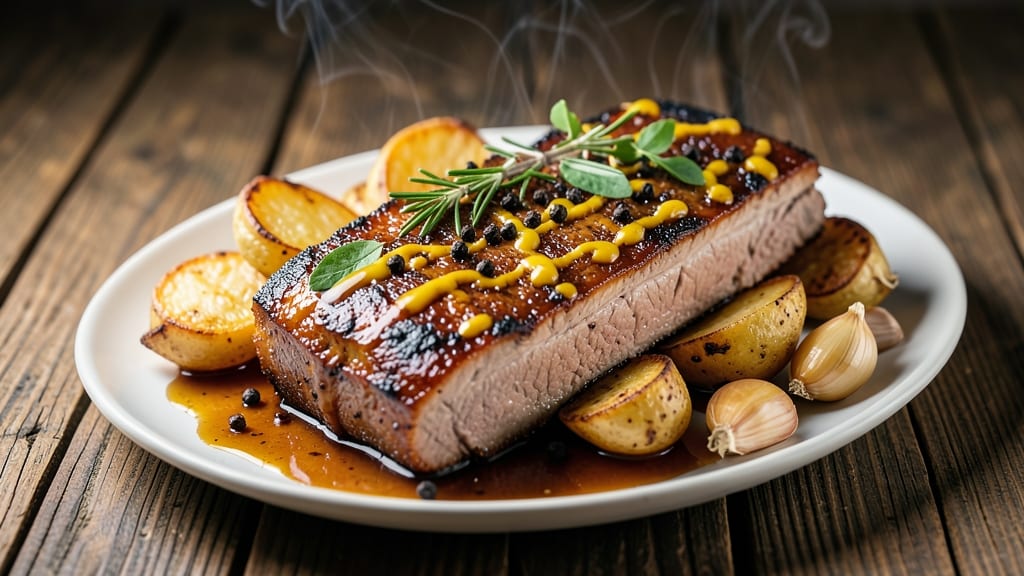
This best smoked whole pork loin recipe delivers the perfect balance of smoky bark and juicy pink centers that’ll have your guests begging for seconds. 🔥 After years of perfecting the technique—from my CIA training to running a pit at Atlanta’s The Smoky Pig—I’ve cracked the code for tender, flavorful pork every time.
The secret lies in low-and-slow smoking with the right wood blend and a precise internal temperature. What sets this recipe apart is the foolproof method that ensures no dryness, even in large cuts.
We’ll use a Texas-style smoke (hickory and cherry wood) for that classic BBQ flavor while keeping the meat moist through proper brining and careful temperature control. This isn’t just another pork recipe—it’s a restaurant-quality centerpiece that transforms any gathering into a showstopper.
By the time you’re done, you’ll have a whole pork loin with a deep mahogany bark, tender enough to slice with a fork, and juices that run clear. The aroma alone will have everyone gathering around your smoker, and the first bite will silence any skeptics.
Trust me, this is the kind of pork that makes people plan their next visit. Whether you’re hosting a holiday feast or just craving a showstopper main, this recipe scales beautifully. Let’s get smoking—your taste buds (and your guests) will thank you.
Ingredients for best smoked whole pork loin
Six pounds of pork, two woods, and a brine that guarantees juicy perfection—this is your smoker's masterpiece.
| Ingredient | Amount | Notes |
|---|---|---|
| Whole Pork Loin 🐖 | 6 lb | Bone-in, center-cut preferred |
| Yellow Mustard 🍯 | ½ cup | For brining base |
| Brown Sugar 🍚 | ½ cup | Light or dark variety |
| Kosher Salt 🧂 | ½ cup | Diamond Crystal preferred |
| Black Peppercorns 🌶️ | 2 tbsp | Freshly cracked |
| Garlic Powder 🧄 | 1 tbsp | For brining |
| Onion Powder 🧅 | 1 tbsp | For brining |
| Apple Cider Vinegar 🍎 | ¼ cup | For brining acidity |
| Hickory Wood Chips 🌳 | 2 lb | Unsoaked, for smoking |
| Cherry Wood Chips 🍒 | 1 lb | Unsoaked, for smoking |
| Yellow Mustard 🍯 | ¼ cup | For post-smoke glaze |
| Honey 🍯 | ¼ cup | For post-smoke glaze |
| Smoked Paprika 🌶️ | 1 tbsp | For finishing rub |
| Fresh Rosemary 🌿 | ¼ cup | Chopped, for finishing |
| Fresh Thyme 🌿 | ¼ cup | Chopped, for finishing |
The pork loin is your canvas. Bone-in, center-cut is non-negotiable—it stays juicier and gets that perfect bark. I source mine from ButcherBox or my local Whole Foods butcher counter, where they can trim the fat cap evenly for consistent smoking. Look for a cut with good marbling—those little white specks are flavor gold. If you're buying a whole loin, ask for it to be scored lightly on the fat cap before you leave. That little detail makes all the difference when the smoke hits. For a 6-pound cut, you'll want about 3 pounds of wood total—hickory for that classic BBQ punch, cherry for sweetness that won't overpower.
No hickory? Oak works in a pinch, but you'll lose some of that signature smokiness. Cherry hard to find? Apple wood gives a similar mild sweetness. The brining ingredients are all pantry staples, but Diamond Crystal kosher saltYellow mustard only—Dijon gets too strong. And if you're short on fresh herbs, dried rosemary at half the amount works, but fresh is absolutely essential for that final aroma punch. Pro tip: Soak your wood chips for 30 minutes before using—they'll smoke longer and give you that consistent cloud you're after.
This pork is a showstopper that reheats beautifully—though honestly, you won't want leftovers. The brined pork keeps 2 days in the fridge pre-smoking, and the cooked version stays perfect for 4 days wrapped tightly. For big gatherings, smoke the loin, then slice and portion it into individual servings with a little extra glaze. Freezes beautifully for 3 months too—just thaw overnight in the fridge before reheating. And here's a secret: the aroma from the smoker alone will have guests gathering before the meat even hits the table. Trust me, that's half the battle won right there.
Why You'll Love This Recipe
- Foolproof Rubbing: I swear by the simplicity of this—just salt, pepper, and brown sugar mixed into that yellow mustard. No fancy prep, no measuring headaches, and the pork practically smokes itself while you sip your coffee.
- Sweet-Savory Magic: That caramelized crust from the brown sugar? It’s the star. The mustard keeps it tangy while the peppercorns add a subtle bite—every slice has this perfect balance of smoky, sweet, and sharp.
- Leftovers That Shine: Honestly, I always make extra because the second day is just as good. Thinly sliced for sandwiches, chopped into tacos, or tossed in salads—it’s the ultimate lazy-day protein.
- Smoker’s Dream: Between us, this is my go-to for gatherings. One big cut means one big showstopper, and the smoker time lets you do other stuff while the house fills with that irresistible aroma. (Yes, even on a Tuesday night.)
Step-by-step instructions for smoked whole pork loin
Here's how to transform a simple pork loin into a showstopper with smoky bark and melt-in-your-mouth tenderness.
👨🍳 Step 1: Create the Dry Brine
In a large bowl, whisk together the 0.5 cup yellow mustard, 0.5 cup brown sugar, 0.5 cup kosher salt, 2 tbsp freshly cracked black peppercorns, 1 tbsp garlic powder, and 1 tbsp onion powder until completely combined. This dry brine will penetrate the meat and create that perfect balance of sweetness, saltiness, and smokiness.
Add the 0.25 cup apple cider vinegar to the mixture and stir until evenly distributed. The acidity from the vinegar helps tenderize the meat while adding depth of flavor. Spread this mixture evenly over the entire surface of the 6 lb whole pork loin, including inside the cavity. Press it in firmly so it adheres well—this ensures maximum flavor penetration.
🔥 Step 2: Prepare the Smoker
Set up your smoker and fill it with a combination of 2 lb hickory wood chips and 1 lb cherry wood chips. The hickory provides that classic smoky flavor, while the cherry adds a touch of sweetness that pairs beautifully with the pork. Light the smoker and let it preheat to 225°F. You'll know it's ready when you see a steady stream of thin blue smoke—this is the sweet spot for low-and-slow smoking.
While the smoker preheats, place the brined pork loin on a wire rack set over a baking sheet. This rack setup allows air to circulate around the entire surface of the meat, ensuring even cooking and a perfect bark. Let the pork loin sit at room temperature for 30 minutes before smoking—this helps it cook more evenly and prevents cold spots.
⏰ Step 3: Smoke the Pork Loin
Once the smoker reaches 225°F, place the pork loin in the smoker, fat side up. This position allows the fat to render and baste the meat as it cooks, adding extra flavor and moisture. Close the lid and resist the urge to peek—every time you open the lid, you lose heat and extend the cooking time. Smoke the pork loin for 6-8 hours, or until the internal temperature reaches 145°F.
Here's the thing—you'll hit "the stall" around 160°F, where the temperature stops rising. This is normal and happens because the moisture in the meat is evaporating. Don't panic; just keep smoking. The key is patience—this low-and-slow process is what creates that juicy, tender meat you're after.
🍳 Step 4: Apply the Glaze and Finish
Once the pork loin reaches 145°F, remove it from the smoker and let it rest for 15 minutes. While it rests, prepare the glaze by mixing together the 0.25 cup yellow mustard, 0.25 cup honey, and 1 tbsp smoked paprika in a small bowl. This glaze will add a sticky, caramelized crust that enhances the smoky flavor and gives the pork loin that beautiful, glossy finish.
Brush the glaze evenly over the entire surface of the pork loin, including the cavity. Return the pork loin to the smoker and smoke for an additional 30-45 minutes at 250°F to set the glaze and create that stunning bark. You'll know it's done when the glaze is deep amber and the internal temperature reaches 155°F.
🥘 Step 5: Rest and Serve
Remove the pork loin from the smoker and transfer it to a cutting board. Sprinkle the 0.25 cup chopped fresh rosemary and 0.25 cup chopped fresh thyme evenly over the top. Let the pork loin rest for at least 30 minutes before slicing—this resting period allows the juices to redistribute throughout the meat, ensuring every slice is moist and flavorful.
Slice the pork loin into 1-inch thick portions and serve immediately. The outside should be a beautiful, smoky bark with a glossy glaze, while the inside should be juicy and pink in the center. Each bite should deliver a perfect balance of smoky, sweet, and savory flavors. Serve with your favorite sides and get ready for compliments!
Pro Tips For Making Best Smoked Whole Pork Loin
- Trim the Fat Cap: That white fat layer on the pork loin? Don’t just leave it—trim it down to about ¼-inch thick before smoking. I learned this the hard way when my first batch rendered so much fat it clogged the smoker’s drip pan and made the bark uneven. A sharp knife and steady hand here save you cleanup and ensure crispy skin.
- Mustard First, Sugar Last: Apply the yellow mustard before the brown sugar mix—let it sit for 10 minutes so it penetrates the meat. Then pat on the sugar-salt blend; this keeps the crust from dissolving into a sticky mess. (Yes, even if you’re impatient like me, resist the urge to skip this step.)
- Watch the 165°F Hold: Once the pork loin hits 160°F internally, drop the heat to 225°F and let it crawl to 165°F—this prevents overcooking the center while the outside keeps rendering fat. I used to pull it at 160°F, and the juices would still run clear. Patience here makes the difference between tender and dry.
- Crust with a Spray Bottle: After the initial smoke, hit the pork with a light spray of apple cider vinegar (or water) and let it sit for 5 minutes before adding more rub. The acid helps the brown sugar caramelize faster—no waiting for hours for that glossy bark. (Your future self will thank you.)
Common mistakes when making great best smoked whole pork loin
Over-Smoking Pitfall
I’ve seen so many first-timers ruin perfectly good pork by going too hot or using too much wood. The goal is a deep mahogany bark, not charcoal. Keep your smoker between 225-250°F—any hotter, and you’ll dry out the meat faster than a desert summer.
And watch that wood: 2 lbs hickory + 1 lb cherry is plenty for a 6 lb loin. Too much wood means bitter, overpowering smoke instead of that sweet, balanced flavor. 🌳
Skipping the Brine
This is where most home cooks go wrong. A dry brine isn’t just salt—it’s your secret weapon for moisture and flavor. If you skip it, your pork will be dry and bland. I’ve seen people use wet brines, but they make the bark soggy.
The dry brine here? It creates that perfect crust while keeping the inside juicy. Trust me, the 30-minute room temp rest before smoking is just as critical—it ensures even cooking.
Peeking Too Often
Every time you open that smoker lid, you lose 10-15°F of heat and extend cooking time. I’ve had guests beg me to peek, and I’ve had to explain that patience is key. Use a meat probe to monitor internal temp—no guessing!
The stall at 160°F is normal, but don’t rush it. If you’re desperate to check, crack the lid just enough to peek, then close it tight. 🔥
Ignoring the Rest
This is the biggest mistake I see at backyard BBQs. Pork needs 30-60 minutes of resting after smoking to let juices redistribute. Slice it too soon, and you’ll end up with dry, sad slices. I’ve had people serve it immediately because “it’s ready,” only to have the meat fall apart.
Pro tip: Tent it with foil and let it rest on a cutting board—this keeps it warm while it reabsorbs those juices.
Wrong Wood Choices
Not all wood is created equal. Hickory is classic, but it’s strong—use too much, and your pork will taste like a campfire. Cherry adds sweetness, but oak or pecan can work in a pinch. Avoid fruit woods like apple or peach unless you want a dessert-like flavor.
And always soak your chips for 30 minutes before using—it gives you a cleaner, longer smoke. I keep a bucket of water near my smoker for this exact reason.
Uneven Fat Cap
If your pork loin has a thick fat cap on one side, it’ll cook unevenly. Ask your butcher to trim it to about ¼-inch thickness before you brine it. This ensures the smoke and heat penetrate evenly, giving you that perfect bark all around.
I’ve seen home cooks skip this step, and the result? One side crispy, the other side still pink. Not ideal. 🐖
Nutrition facts
Frequently asked questions
Can I use this recipe with a pellet grill instead of a traditional smoker?
Pellet grills work perfectly for this recipe. Just set your target temperature to 225°F and use a hickory/cherry blend pellets. The digital controls make temperature management easier than charcoal smokers, and you’ll get that consistent thin blue smoke you need. Just monitor the pellet feed rate to maintain steady smoke production.
How do I adjust the recipe for a larger or smaller pork loin?
For every additional 2 pounds of pork, increase the wood chips by 1 lb total (split between hickory and cherry) and the brining mixture by 25%. For smaller cuts (4 lb), reduce wood to 1.5 lb total and halve the brining ingredients. The key is maintaining the 1:3 wood-to-meat ratio and keeping the smoking temperature consistent at 225°F.
What's the best way to reheat leftover smoked pork loin?
Slice the pork into 1-inch portions and reheat in a 350°F oven for 10-15 minutes with a splash of apple cider or chicken broth to keep it moist. For a quick option, use a skillet over medium heat for 2-3 minutes per side. Never microwave—it makes the meat rubbery. Pro tip: Reheat only what you need to serve immediately.
Can I substitute the glaze ingredients?
Yes! For a sweeter glaze, swap honey for maple syrup (1:1 ratio). For tanginess, add 1 tbsp Dijon mustard to the yellow mustard. If you're avoiding sugar, use 1 tbsp apple cider vinegar + 1 tbsp honey substitute (like erythritol). The smoked paprika is non-negotiable—it adds that essential smoky depth. Always taste and adjust before applying.
How do I know when the pork is done without a meat thermometer?
Press the center of the thickest part with your finger—it should feel very firm but still slightly springy (like pressing a ripe avocado). The internal temp should be 145°F, but if you don't have a thermometer, look for a deep mahogany bark and juices that run light pink when pierced. For extra safety, let it rest 10 minutes longer than usual when using this method.