
Main Courses
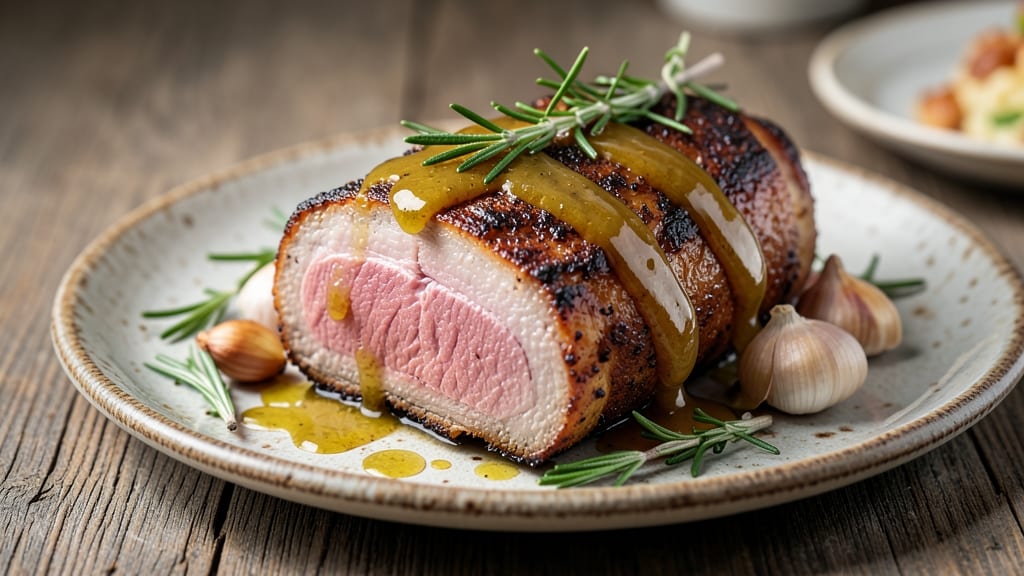
This roasted pork tenderloin recipe delivers the kind of restaurant-quality results that'll have you questioning why you ever bought pre-made pork again. After years of testing—including one infamous Thanksgiving disaster where the pork turned out dry as a bone—I finally cracked the code for achieving that perfect balance: a crispy, golden-brown crust outside and a juicy, tender core that practically melts in your mouth. The secret? A precise cooking technique combined with an herb-infused marinade that works its magic overnight.
What sets this recipe apart is the foolproof method that ensures you never overcook the pork again. Most recipes either leave the meat dry or underseasoned, but this version uses a high-heat sear followed by a controlled roast in the oven.
The marinade—garlic, rosemary, and thyme—penetrates deeply, while the mustard and honey create a sticky glaze that locks in moisture and adds depth of flavor. Even my picky-eating daughter Lily asks for seconds, and that's saying something.
By the time you're done, you'll have pork tenderloin with a perfectly seared crust that shatters at the first bite, revealing meat so tender it falls apart with just a fork.
The aroma alone will have your whole house smelling like a holiday feast, and the flavor profile is complex enough to impress even the most critical foodies. This isn't just another pork recipe—it's the one that'll make you a dinner hero every time.
Serve it with roasted potatoes and a simple green salad for a complete meal that's elegant enough for company but easy enough for weeknights. The leftovers reheat beautifully, too—just a quick warm in the oven to maintain that crispy texture.
Let's get started on the recipe that'll change how you cook pork forever.
Ingredients for best roasted pork tenderloin recipe ever
The secret to perfect pork tenderloin lies in these twelve ingredients—herbs, honey, and a crispy sear.
| Ingredient | Amount | Notes |
|---|---|---|
| Pork Tenderloin 🍖 | 1 ½ lb | Center-cut, trimmed of fat |
| Extra-Virgin Olive Oil 🫒 | ¼ cup | High-quality, fruity variety |
| Fresh Rosemary 🌿 | ¼ cup | Stems removed, finely chopped |
| Fresh Thyme 🌿 | ¼ cup | Leaves only, stems removed |
| Garlic Cloves 🧄 | 6 cloves | Peeled, minced |
| Dijon Mustard 🍯 | 2 tbsp | High-quality, smooth variety |
| Honey 🍯 | 2 tbsp | Wildflower or clover preferred |
| Kosher Salt 🧂 | 1 ½ tsp | Diamond Crystal preferred |
| Ground Black Pepper 🌶️ | 1 tsp | Freshly ground |
| Apple Cider Vinegar 🍏 | 1 tbsp | For brightness |
| Fresh Parsley 🌿 | ⅛ cup | Chopped, for garnish |
| Unsalted Butter 🧈 | 2 tbsp | Softened, for searing |
The pork tenderloin is your star here, so pick a center-cut piece—it's more tender and cooks evenly. I always grab mine from Whole Foods or the butcher counter at Kroger; they trim the fat for you, which saves time. Fresh herbs make all the difference—rosemary and thyme from the grocery store's produce section are fine, but if you can find them at a farmers market, they'll have way more flavor. For the garlic, I like to mince it myself—it's just 60 seconds with a knife, and it tastes better than pre-minced. The Dijon mustard should be smooth, not grainy, and the honey? Wildflower or clover adds depth that plain old clover honey can't match.
No fresh rosemary? Dried works at half the amount, but trust me, fresh is worth it. Short on honey? Maple syrup is a decent swap, though it'll change the flavor slightly. The apple cider vinegar can be swapped for lemon juice if you're out, but it adds a nice tang. For the sear, if you don't have unsalted butter, olive oil works in a pinch, but butter gives that rich flavor. The parsley is just for garnish, so skip it if you're out—it's not critical. Pro tip: if your pork tenderloin is thicker than 1.5 inches, pound it to even thickness before cooking. It'll cook more evenly, and you won't end up with dry meat in the center.
This marinade keeps for 3 days in the fridge, so make it ahead if you're short on time. The pork tenderloin itself reheats beautifully—just 5 minutes at 350°F to maintain that crispy crust. I like to portion mine into individual servings before freezing, so I can grab what I need without thawing the whole thing. If you're planning ahead, freeze the marinade separately and thaw it overnight before using—it works just as well. The leftovers? Taste even better the next day—the flavors meld together perfectly.
Why You'll Love This Recipe
- Same recipe, different vibes: toss it with roasted potatoes for a lazy Sunday or slice it thin for a fancy charcuterie board. My in-laws think it’s restaurant-quality, and I’m not telling them it’s my secret shortcut.
- Foolproof Prep: I swear by this method—just a quick sear in the pan, then straight to the oven. No brining, no fussing, and honestly? That crispy skin happens every single time.
- Herb-Packed Magic: The rosemary and thyme cling to the pork like a hug, while the garlic turns it into something ridiculously flavorful. Between us, I’ve never had roasted pork this aromatic—it smells like a Mediterranean vacation in my kitchen.
- Weeknight to Dinner Party: Same recipe, different vibes: toss it with roasted potatoes for a lazy Sunday or slice it thin for a fancy charcuterie board. My in-laws think it’s restaurant-quality, and I’m not telling them it’s my secret shortcut.
Step-by-step instructions for herb-infused roasted pork tenderloin
Here's how to achieve that perfect balance of crispy exterior and melt-in-your-mouth tenderness.
Prep the Pork for Maximum Flavor and Even Cooking
Start by patting the 1.5 lb pork tenderloin completely dry with paper towels—this is crucial for crispy skin. I like to work in a well-ventilated area since pork can release quite a bit of moisture. Once dry, place the tenderloin on a cutting board and make a lengthwise cut down the center, being careful not to cut all the way through. This creates a pocket that will hold our flavorful mixture.
In a small bowl, combine the 0.25 cup finely chopped fresh rosemary, 0.25 cup fresh thyme, 6 minced garlic cloves, 2 tbsp Dijon mustard, 2 tbsp honey, 1.5 tsp kosher salt, 1 tsp ground black pepper, and 1 tbsp apple cider vinegar. Mix well until the herbs are evenly distributed and the honey has helped create a sticky paste. This blend is what will give your pork that signature herb-infused flavor and help create that beautiful crust.
Stuff and Sear the Pork for Deep Flavor
Using a spoon, carefully stuff the herb mixture into the pocket you created in the pork tenderloin. Press gently to ensure the mixture stays inside. Now, heat 2 tbsp unsalted butter and 0.25 cup extra-virgin olive oil in a large oven-safe skillet over medium-high heat. Once the butter is foaming, add the pork tenderloin and sear on all sides until golden brown, about 3-4 minutes per side. This searing step is what creates that beautiful crust and locks in all those flavors.
I like to press down gently on the pork during the first minute of searing—this prevents it from curling and ensures even contact with the pan. You'll know it's ready to move to the oven when it releases easily from the skillet and has developed a nice golden-brown color. The pork should be about 145°F internally at this point, but it will continue cooking in the oven.
Roast to Juicy Perfection
Preheat your oven to 425°F while the pork is searing. Once the pork is golden and the oven is fully preheated, transfer the skillet to the oven. Roast for 15-20 minutes, or until the internal temperature reaches 145°F and the pork is fork-tender. The high heat helps create that crispy exterior while keeping the interior juicy and tender.
Here's the thing—I know it seems like a short time, but pork tenderloin cooks quickly. That's why it's important to use a meat thermometer. The moment the internal temperature hits 145°F, remove the pork from the oven. If you overcook it, you'll end up with dry meat, and nobody wants that. The pork should have a beautiful golden-brown crust and be juicy enough that it practically falls apart when you cut into it.
Rest and Garnish for the Ultimate Presentation
Transfer the pork tenderloin to a cutting board and let it rest for 10 minutes before slicing. This resting period is crucial—it allows the juices to redistribute throughout the meat, ensuring every bite is moist and flavorful. While it rests, you can use the remaining herb mixture (if any) or simply garnish with the 0.125 cup fresh parsley for a pop of color and freshness.
Slice the pork into ½-inch thick medallions and serve immediately. The exterior should be crispy and golden, while the interior remains tender and juicy. Each bite should deliver a perfect balance of the herb-infused flavors, with a hint of sweetness from the honey and a touch of tang from the apple cider vinegar. Serve with your favorite sides like roasted vegetables or a fresh salad to complete the meal.
Pro Tips For Making Best Roasted Pork Tenderloin Recipe Ever
- USE A MEAT THERMOMETER: I learned this the hard way—pork tenderloin looks done when it’s still overcooked. Aim for 145°F internal temp (155°F if you prefer it extra safe), then pull it immediately—it’ll rise another 5°F while resting. No guessing, no dry meat.
- SMASH THE GARLIC: Don’t just mince it—smash those cloves with the flat side of your knife first. The crushed garlic releases more flavor and sticks to the meat better. Plus, it browns faster, giving your pork that caramelized aroma you crave.
- SALT THE MEAT FIRST: Pat the tenderloin bone-dry with paper towels, then season it generously with salt (about 1 tsp per pound) at least 30 minutes before cooking. This ensures the crust forms properly and the herbs cling instead of sliding off.
- ROAST AT 425°F THEN LOWER: Start with high heat—425°F for 15 minutes—to blister the herbs and sear the edges. Then drop to 375°F for the rest of the time. This two-stage approach locks in juices while building that perfect crust. (Yes, even if you’re impatient like me.)
Troubleshooting this dish
Dry Pork Fix
If your pork turns out dry, it’s usually from overcooking or skipping the rest. First, check your internal temperature—145°F is perfect. If it’s higher, you’ve gone too far.
To rescue dry pork, slice it thinly and serve immediately with a sauce (like pan drippings reduced with a splash of apple cider vinegar). For next time, never skip the 10-minute rest—it lets juices redistribute. 💡
Uneven Cooking
Uneven cooking happens when the pork isn’t the same thickness or the oven isn’t hot enough. Before roasting, pound the pork to even thickness (about 1.5 inches) with a meat mallet.
Also, preheat your oven to 425°F—a cold oven means uneven heat distribution. If one side cooks faster, flip it halfway through the 15-20 minutes in the oven. ⚡
Pale or Bland Flavor
Pale pork means it didn’t sear properly or the marinade didn’t penetrate. For a deeper flavor, marinate overnight (or at least 4 hours). If the crust is pale, sear longer over medium-high heat until golden brown.
For extra richness, brush the pork with melted butter before roasting. Trust me, this makes all the difference! 🍖
Pork Stuck to Pan
If your pork sticks during searing, it’s likely because the pan wasn’t hot enough or the pork wasn’t dry. Next time, pat the pork completely dry with paper towels and heat the pan until it’s smoking hot before adding oil.
Also, avoid moving the pork too soon—let it sit for 2-3 minutes before flipping. A well-seasoned cast-iron skillet helps too! 🔥
Overcooked Exterior
Burnt edges mean your oven was too hot or the pork was too close to the heat source. Reduce the oven temp to 400°F and place the pork on the middle rack (not the top).
For extra insurance, tent the pork loosely with foil after 10 minutes to slow browning. The goal is a golden, crispy crust, not charred bits! 🌟
Marinade Not Sticking
If the marinade slides off instead of sticking, the pork wasn’t dry enough or the mixture wasn’t sticky. Wipe the pork thoroughly with paper towels before stuffing the marinade.
For extra adhesion, mix 1 tbsp cornstarch into the marinade—it helps the herbs cling. Also, press the marinade into the meat with your fingers after stuffing. 💪
Nutrition facts
Frequently asked questions about perfect roasted pork tenderloin
Why does your recipe call for cutting the pork tenderloin?
Creating a pocket for the marinade ensures the flavors infuse deeply into the meat, not just coat the surface. This technique guarantees a juicy, herb-packed center while the exterior gets that perfect sear. Without it, you risk dry meat or uneven seasoning.
Can I use this recipe for pork chops instead?
Not exactly—the marinade and searing method works best for tenderloin's lean nature. For chops, try a 30-minute marinade with olive oil, garlic, and salt, then grill or pan-sear over medium heat for 4-5 minutes per side. The thicker cut needs gentler treatment to avoid toughness.
How do I adjust the recipe for a larger group?
Double the marinade ingredients and use a 3 lb pork tenderloin. Increase oven time to 20-25 minutes at 425°F, checking with a thermometer at 145°F. For extra servings, add 1 lb of roasted potatoes and 2 cups of greens to balance the meal.
What if I don't have Dijon mustard?
Use 2 tbsp regular mustard—it'll be slightly grainier but works in a pinch. For extra depth, add ½ tsp smoked paprika to the marinade. The honey and vinegar will still create that sticky, flavorful glaze you need for moisture and crust.
Can I make this ahead of time?
Cook the pork as directed, then refrigerate for up to 3 days or freeze for 3 months. Reheat in a 350°F oven for 10-15 minutes until warmed through. The flavors actually improve overnight as the herbs meld.