
Main Courses
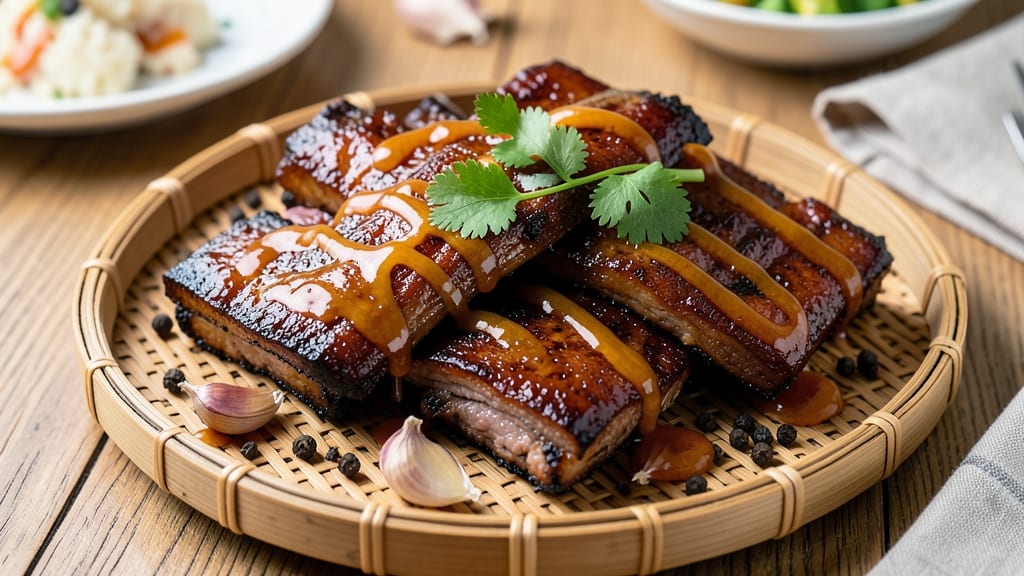
This Filipino-style pork ribs recipe delivers the rich, tangy, and slightly sweet flavors that make it a staple in Filipino homes. 🌟 After years of perfecting the balance between tender meat and that signature caramelized glaze, I've created a method that's both authentic and approachable for home cooks. The secret lies in the marinade—a blend of soy sauce, calamansi (or lime), garlic, and a touch of vinegar—that transforms tough ribs into melt-in-your-mouth perfection.
What sets this recipe apart is the slow-braising technique, which ensures the ribs stay juicy while developing deep, complex flavors. Unlike other rib recipes, this one incorporates coconut vinegar for a unique tanginess that's quintessentially Filipino, while black pepper and banana ketchup add layers of warmth and sweetness.
The result? Ribs that are tender enough to fall apart yet hold their shape, with a glossy, caramelized crust that's impossible to resist.
The beauty of this dish is its versatility—it's perfect for family gatherings, potlucks, or even a special weeknight dinner. Served with steamed rice and a side of atchara (pickled papaya), it becomes a complete meal that feels both comforting and celebratory.
The aromas alone—garlic, vinegar, and caramelized meat—will have everyone gathering around the table before the ribs even hit the plate.
This recipe stays true to Filipino traditions while making it accessible for any home cook. Whether you're serving a crowd or treating yourself to a taste of the Philippines, these ribs deliver restaurant-quality results with minimal fuss. Let's get cooking!
Ingredients for best recipe for pork ribs filipino style
Filipino flavors meet slow-cooked perfection with these 15 essential ingredients for melt-in-your-mouth ribs.
| Ingredient | Amount | Notes |
|---|---|---|
| Baby Back Pork Ribs 🥓 | 4 lb | Bone-in, meaty cuts preferred |
| Soy Sauce 🍶 | ½ cup | High-quality, preferably Filipino-style |
| Coconut Vinegar 🥥 | ¼ cup | Authentic Filipino ingredient, or substitute lime juice |
| Banana Ketchup 🍌 | ¼ cup | Filipino sweet-savory condiment, or sub with tomato ketchup |
| Garlic Cloves 🧄 | 8 cloves | Freshly minced for maximum flavor |
| Black Peppercorns 🌶️ | 1 tbsp | Coarsely ground for authentic texture |
| Brown Sugar 🍚 | ¼ cup | Packed, light variety preferred |
| Olive Oil 🫒 | 2 tbsp | High-heat tolerance for searing |
| Water 💧 | 1 cup | For braising liquid |
| Green Onions 🧅 | 4 whole | Sliced, for garnish |
| Fresh Calamansi Juice 🍋 | ⅛ cup | Or substitute lime juice |
| Bay Leaves 🌿 | 2 whole | Dried, for aromatic depth |
| Salt 🧂 | 1 ½ tsp | Diamond Crystal preferred |
| White Vinegar 🍶 | 1 tbsp | For acid balance |
| Ground Black Pepper 🌶️ | ½ tsp | Freshly ground for heat |
The ribs are non-negotiable—baby back cuts with good meat-to-bone ratio make all the difference. Filipino markets often carry pre-cut bundles, but if shopping elsewhere, look for meaty sections near the spine. For coconut vinegar, Asian grocery stores have the authentic stuff, though lime juice works in a pinch. Banana ketchup is the secret weapon here—Filipino brands like Silver Swan are ideal, but any sweet-savory ketchup will do. The garlic should be freshly minced—pre-minced loses flavor fast. Black peppercorns need to be coarsely ground for that authentic texture, not powdered.
No banana ketchup? Mix 2 tbsp tomato ketchup with 1 tsp brown sugar for a decent substitute. Coconut vinegar unavailable? Lime juice plus 1 tsp sugar mimics the tang. For a deeper flavor, add 1 tsp fish sauce (if not vegetarian) or 1 tsp soy sauce to the marinade. The bay leaves can be skipped if unavailable, but they add that subtle aromatic depth that's quintessential in Filipino cooking. If using pre-ground pepper, toast it lightly in a dry pan first to intensify the flavor—worth the extra minute.
These ribs taste even better the next day, so plan ahead. Store leftovers in an airtight container in the fridge for up to 4 days, or freeze for 3 months. For reheating, cover with foil and warm in a 350°F oven for 20 minutes—this preserves that caramelized crust. The sauce thickens as it cools, so add a splash of water if too stiff. Garnish with sliced green onions right before serving to keep them vibrant. The aromas alone will have everyone anticipating the meal—trust me on that.
Why You'll Love This Recipe
- One-Pan Magic: I swear by this recipe because it’s that kind of dish—just ribs, a few pantry staples, and a sheet pan. No fancy tools, no last-minute grocery runs. The ribs simmer right alongside the sauce, so you’re not stuck babysitting the stove.
- Sweet-Savory Balance: That banana ketchup isn’t just for show—it’s the secret weapon. The tangy coconut vinegar cuts through the richness, while the garlic and soy sauce build layers of umami. One bite and you’ll understand why this combo is dangerously addictive.
- Weeknight or Party: Honestly, it works everywhere. Toss it together for a lazy Tuesday dinner or double the batch for a crowd. The leftovers? Even better cold the next day, sliced thin in rice bowls or wrapped in tortillas.
- Budget-Friendly Feast: Between us, this recipe stretches further than you’d think. A single rack of ribs feeds four, and the sauce ingredients cost pennies. Plus, it’s one of those meals where the more you make, the less you stress about leftovers—because they’ll disappear fast.
Step-by-step instructions for pork ribs Filipino style
Master this slow-braised technique for ribs so tender they fall apart with a touch.
🔥 Step 1: Sear the Ribs for Maximum Flavor
Heat a heavy pot or Dutch oven over medium-high heat until hot. Add the 2 tablespoons olive oil and swirl to coat the bottom evenly. Place the 4 lb baby back pork ribs bone-side down in a single layer, leaving space between each rack. Press down gently with a spatula to ensure contact with the hot surface.
Sear for 4-5 minutes until the ribs develop a deep golden-brown crust. You'll smell that irresistible meaty aroma—this is where the Maillard reaction creates the foundation for our sauce. Carefully flip each rack and sear the other side for another 3-4 minutes. Remove the ribs and set them aside on a plate, leaving all that beautiful browned fond in the pot. This step builds flavor that will infuse our braising liquid later.
🍳 Step 2: Build the Signature Filipino Braising Sauce
With the pot still over medium heat, add the 8 cloves minced garlic cloves and cook for 30 seconds until fragrant—don't let them brown or they'll turn bitter. Add the 1 tablespoon coarsely ground black peppercorns and toast for 10 seconds to release their aromatic oils.
Pour in the 0.5 cup soy sauce, 0.25 cup coconut vinegar, 0.25 cup banana ketchup, 0.25 cup packed brown sugar, 1 cup water, 1 tablespoon white vinegar, and 1.5 teaspoons salt. Stir vigorously to scrape up all those flavorful browned bits from the bottom—this is called deglazing and captures all the caramelized goodness we just created. Add the 2 whole bay leaves and bring the mixture to a gentle simmer.
🥘 Step 3: Braise Until Fork-Tender
Return the seared ribs to the pot, bone-side up, and bring the liquid to a gentle boil. Once boiling, reduce heat to low and cover with a tight-fitting lid. Here's the critical part: simmer for 2.5 to 3 hours until the meat is fork-tender and easily separates from the bone. I check for doneness by inserting a fork between the bones—if it slides in easily and the meat pulls apart cleanly, we're there.
During the last 30 minutes of cooking, stir in the 0.125 cup fresh calamansi juice. This bright citrus note cuts through the richness and adds that signature Filipino tang. Keep the ribs covered and maintain a gentle simmer throughout—don't let it boil vigorously or the meat will toughen.
🔪 Step 4: Finish with Aromatics and Garnish
Remove the ribs from the pot and transfer them to a serving platter. Strain the braising liquid through a fine-mesh sieve into a clean saucepan and return it to medium heat. Let it reduce by half—about 5-7 minutes
Slice the 4 whole green onions into ½-inch pieces and stir them into the reduced sauce along with the 0.5 teaspoon ground black pepper. Pour this aromatic sauce over the ribs and garnish with additional green onion slices. The ribs should be glistening with sauce, with that perfect balance of sweet, tangy, and savory flavors that define Filipino-style braised pork.
Pro Tips For Making Best Recipe For Pork Ribs Filipino Style
- Trim the Fat First: Baby back ribs have that thin layer of fat on the bone side—don’t skip scraping it off before cooking. It burns fast and makes the sauce bitter, and you’ll end up with a sticky mess instead of caramelized goodness. I learned this the hard way when my first batch turned into a greasy, uneven glaze.
- Simmer Soy Sauce Low: When reducing the soy sauce with coconut vinegar, keep the heat low. High heat turns it dark and ashy, killing that bright, savory depth you want in Filipino-style ribs. Let it bubble gently for 5-7 minutes—patience here makes all the difference in flavor.
- Don’t Drown the Garlic: Mince those garlic cloves fine—not just chopped, but almost paste-like. Too many big chunks mean uneven cooking, and you’ll bite into raw garlic while the rest of the sauce is fully infused. I was skeptical until I tried it—now it’s non-negotiable.
- Rest Before Slicing: After cooking, tent the ribs with foil and let them sit for 5-10 minutes. Slicing too soon means the juices pool on your plate instead of staying in the meat. Trust me, even if you’re hungry—your future self will thank you.
Pro cooking tips for this recipe
Marinade Mastery
The secret to tender ribs starts with the marinade—especially the coconut vinegar and banana ketchup. I’ve found that marinating the ribs for at least 4 hours (or overnight) in a mix of soy sauce, calamansi juice, and garlic makes all the difference.
The acidity in the vinegar and citrus tenderizes the meat while the banana ketchup adds that signature sweet-savory depth. Pro tip: Use a ziplock bag for even coating—just toss the ribs in with the marinade and let the fridge work its magic. 🥥
Low-and-Slow Braising
Filipino-style ribs are all about low heat and patience. After searing, I braise them at 300°F in the oven (or low heat on the stovetop) for 2.5 to 3 hours, covered with foil. The key is keeping the liquid simmering gently—never boiling—so the meat stays moist.
I use a meat thermometer to check for 203°F internal temp, which ensures they’re fork-tender without drying out. If the sauce reduces too quickly, add a splash of water to keep it balanced. ⏰
Deglazing Like a Pro
After searing, never skip deglazing—this step unlocks layers of flavor. Scrape up those browned bits with the soy sauce and vinegar while the pot is still hot. I like to add a splash of water or broth to help loosen everything, then reduce it into a glossy sauce.
This caramelized base is what makes the ribs taste restaurant-quality. For extra depth, toast the black peppercorns in the pot first—they add a warm, aromatic kick that’s quintessential in Filipino cooking. 🌶️
Calamansi Finish
The final touch? Stirring in fresh calamansi juice (or lime) in the last 30 minutes of cooking. This bright citrus note cuts through the richness and adds that signature tang. If you can’t find calamansi, a mix of lime juice and a pinch of sugar works in a pinch.
I also add green onions at the end for freshness—they brighten the dish and add a pop of color. Garnish generously, and your ribs will look as good as they taste. 🧅
Equipment Shortcuts
No Dutch oven? No problem. A heavy pot with a tight-fitting lid works just as well. For even easier cleanup, line the pot with parchment paper—it’s a game-changer.
If you’re short on time, use a slow cooker on low for 6-7 hours, adding the sauce ingredients at the start. Just
Nutrition facts
Frequently asked questions
Can I use regular pork ribs instead of baby back ribs?
Yes, but you'll need to adjust the cooking time. St. Louis-style spare ribs are meatier and will require 3.5 to 4 hours of braising instead of 2.5-3 hours. The bone structure is different, so check for tenderness at 203°F internal temp rather than relying solely on time. For extra tenderness, trim excess fat and membrane before cooking.
What if I can't find banana ketchup or coconut vinegar?
No problem! For banana ketchup, mix 2 tbsp tomato ketchup + 1 tsp brown sugar + ½ tsp soy sauce. For coconut vinegar, use lime juice + 1 tsp sugar to mimic the tang. The dish will still be delicious—these substitutes just adjust the exact Filipino balance. If using lime, add it 15 minutes earlier than calamansi to account for the milder acidity.
How do I make these ribs in a slow cooker?
Sear the ribs first, then place them in your slow cooker with all sauce ingredients except the calamansi juice and green onions. Cook on low for 6-7 hours (or high for 4-5 hours). In the last 30 minutes, stir in the calamansi juice and green onions. The ribs will be even more tender from the longer cook time—just watch the sauce level and add water if needed.
Why do my ribs turn out dry?
Most likely, your heat was too high or you uncovered the pot. Filipino-style ribs need gentle simmering—never boiling—to stay moist. Keep the lid tightly sealed and maintain a low heat. If using oven, cook at 300°F (not higher). For stovetop, reduce to the lowest setting that maintains a simmer. The ribs should be bathed in liquid throughout cooking.
What's the best way to serve these ribs?
These ribs shine with steamed white rice and atchara (pickled papaya) for that classic Filipino meal combo. For extra flavor contrast, serve with garlic fried rice or sinigang (sour tamarind soup). The tangy sauce pairs perfectly with cucumber salad or steamed greens to balance the richness. Pro tip: Warm the rice in the ribs' juices for extra flavor!