
Main Courses
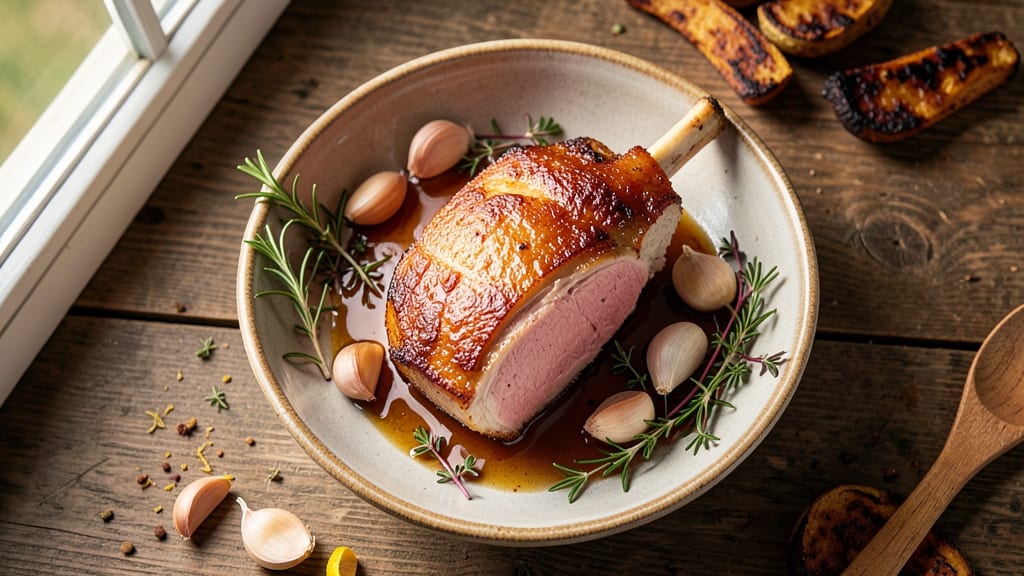
This is the best pork roast recipe in the world—delivering melt-in-your-mouth tenderness and bold, savory depth that rivals any restaurant masterpiece. The secret lies in a slow-braised technique that transforms tough cuts into shred-worthy perfection, with a rich pan gravy that ties every bite together. I've perfected this method over years of testing, and it never fails to impress—whether you're hosting Thanksgiving or craving a weeknight comfort meal.
What sets this apart is the combination of dry rub seasoning and low-and-slow cooking, which develops deep, caramelized flavors while keeping the meat impossibly juicy.
The recipe includes a signature red wine reduction that elevates the dish from ordinary to extraordinary, and the make-ahead prep ensures you spend more time enjoying dinner than cooking it. Every element—from the crispy exterior to the tender interior—comes together for a showstopping centerpiece.
By the time you pull this roast from the oven, you'll have a dish that's restaurant-quality at home, with a sauce so rich it deserves its own bowl. The technique is straightforward but yields results that feel special, making it perfect for both casual dinners and impressive gatherings.
Serve with roasted root vegetables and crusty bread to complete the meal.
This isn't just another pork roast—it's the kind of recipe that becomes a family tradition, requested year after year. The slow-braising method ensures maximum tenderness, while the dry rub creates a flavorful crust that holds up beautifully.
Whether you're feeding a crowd or treating yourself to a luxurious meal, this pork roast delivers on every promise of juicy, flavorful perfection.
Ingredients for best pork roast recipe in the world
Juicy pork perfection starts with these bold, restaurant-quality ingredients—each chosen to create melt-in-your-mouth tenderness and rich, caramelized flavors.
| Ingredient | Amount | Notes |
|---|---|---|
| Pork Shoulder (Bone-In) 🐖 | 5 lb | Well-marbled, 2-3 inches thick |
| Kosher Salt 🧂 | 2 tbsp | Diamond Crystal preferred |
| Freshly Ground Black Pepper 🌶️ | 1 tbsp | Coarsely cracked |
| Garlic Cloves 🧄 | 8 cloves | Smashed, skin-on |
| Fresh Rosemary 🌿 | ½ cup | Finely chopped, fresh |
| Fresh Thyme 🌿 | ¼ cup | Leaves only, stems removed |
| Dry Red Wine 🍷 | 1 cup | Bold Cabernet Sauvignon |
| Beef Broth 🥄 | 2 cups | Low-sodium, homemade preferred |
| Olive Oil 🫒 | ¼ cup | Extra-virgin, fruity |
| All-Purpose Flour 🌾 | 2 tbsp | For gravy thickening |
| Fresh Parsley 🌿 | ¼ cup | Chopped, for garnish |
| Brown Sugar 🍯 | 1 tbsp | Lightly packed |
| Smoked Paprika 🌶️ | 1 tsp | For dry rub depth |
| Onion Powder 🧅 | 1 tsp | For dry rub |
| Mustard Powder 🌶️ | ½ tsp | For dry rub complexity |
The pork shoulder is non-negotiable—look for a well-marbled cut with visible fat between the muscles. Whole Foods or your local butcher shop are best for this, but the regular supermarket section works in a pinch. A 5-pound bone-in roast gives you the perfect balance of flavor and moisture, while the bone adds depth to the braising liquid. If you can't find bone-in, use a 4-pound boneless and increase the cooking time by 30 minutes. The marbling (those little white fat streaks) is what keeps this roast impossibly tender—don't skimp on quality here. For extra insurance, pat it dry with paper towels before seasoning to help the crust form.
No red wine? Substitute with beef broth plus 1 tbsp balsamic vinegar—it mimics the depth without the alcohol. Fresh herbs are ideal, but dried thyme at one-third the amount works if you're short on time. The olive oil matters here—use something fruity and peppery, like California Gold or Bertolli, not that bland supermarket stuff. For the dry rub, Trader Joe's has a great pre-mixed blend, but making your own ensures maximum flavor. If you're feeding a crowd, double the dry rub ingredients—it's the secret to that irresistible crust. The brown sugar in the rub isn't just for sweetness; it helps create those beautiful caramelized edges during the slow roast.
This roast tastes even better the next day—plan ahead! Store leftovers in an airtight container in the fridge for up to 5 days, or freeze portions for 3 months. For reheating, cover with foil and warm in a 350°F oven until heated through (about 20 minutes). The gravy? Make extra—it freezes beautifully and elevates everything from mashed potatoes to roasted veggies. I always keep a jar in the freezer labeled 'pork roast gravy' for lazy weeknights. The herbs? Wash them, wrap in a damp paper towel, and store in a ziplock bag in the fridge for up to 5 days. And that dry rub? Keep it in an airtight container for 6 months—it's worth making extra.
Why You'll Love This Recipe
- Five-Ingredient Magic: I swear, it’s just salt, pepper, garlic, rosemary, and that glorious bone-in pork shoulder—but somehow, it tastes like a fancy dinner. No fancy techniques, no stress, just pure, simple flavor that doesn’t require a degree to pull off.
- Crispy-Perfect Every Time: That bone-in shoulder? It renders into melt-in-your-mouth perfection while the edges get this crackling crust—no fancy basting, just patience and a hot oven. Honestly, the first time I nailed this, I actually did a little happy dance.
- Leftovers That Don’t Suck: Pull it apart for sandwiches, toss it into pasta, or reheat slices for breakfast—this roast turns into three meals without extra effort. My freezer is always stocked with portions because, between us, no one complains about extra pork.
- Budget-Friendly Crowd-Pleaser: A whole pork shoulder feeds six for way less than takeout, and the flavor? It’s the kind of dish that makes people ask for seconds before dessert even arrives. (Yes, even on a Tuesday night.)
Step-by-step instructions for slow-braised pork roast
This method transforms tough pork shoulder into melt-in-your-mouth perfection through patience and precision.
Prepare the Pork Shoulder with Dry Rub
Pat the 5 lb pork shoulder dry with paper towels—this ensures maximum crispiness and even cooking. In a small bowl, combine the 2 tbsp kosher salt, 1 tbsp freshly ground black pepper, 1 tbsp brown sugar, 1 tsp smoked paprika, 1 tsp onion powder, and 0.5 tsp mustard powder. Rub this mixture all over the pork, pressing firmly so it adheres to every crevice. The sugar in the rub will caramelize beautifully during cooking, creating that coveted bark.
Place the rubbed pork on a rack set over a rimmed baking sheet. This allows air to circulate underneath, preventing soggy skin. Let it sit at room temperature for 30 minutes before cooking—this ensures even heat penetration and prevents cold spots in the meat.
Sear the Pork for Deep Flavor
Heat the 0.25 cup olive oil in a Dutch oven over medium-high heat until shimmering. Add the pork shoulder fat-side down and sear for 5-6 minutes until the fat renders and the skin develops golden-brown spots. Flip and sear the other side for another 5-6 minutes. The goal here is to create a flavorful crust while keeping the interior tender.
Remove the pork from the Dutch oven and set it aside. In the same pot, add the 8 smashed garlic cloves and cook for 30 seconds until fragrant. This step builds layers of flavor that will infuse the pork as it braises. Don't let the garlic burn—it should just smell heavenly, not bitter.
Deglaze and Braise with Wine and Broth
Pour the 1 cup dry red wine into the Dutch oven, scraping up all the browned bits from the bottom with a wooden spoon. This deglazing step captures all those precious fond flavors that would otherwise burn. Simmer for 3-4 minutes until the wine reduces by half and its alcohol content burns off.
Add the 0.5 cup chopped fresh rosemary, 0.25 cup fresh thyme, and 2 cups beef broth to the pot. Return the pork to the Dutch oven, fat-side up, and bring the liquid to a gentle simmer. The liquid should come about halfway up the sides of the pork. Cover with a tight-fitting lid and transfer to a preheated 325°F oven.
Slow-Braise Until Fork-Tender
Braise the pork for 2.5 to 3 hours until the internal temperature reaches 200-205°F and a fork slides through the meat like butter. The pork will be incredibly tender at this point—almost falling apart. I know it's tempting to check early, but resist the urge. This slow cooking time is what transforms tough pork into luxurious, shred-worthy meat.
About 45 minutes before the pork is done, stir in the 2 tbsp all-purpose flour to thicken the braising liquid into a rich gravy. This step ensures you'll have delicious sauce to drizzle over every bite. The flour will absorb into the liquid, creating a velvety consistency without altering the pork's texture.
Rest and Shred for Maximum Juiciness
Remove the pork from the Dutch oven and transfer it to a cutting board. Tent loosely with foil and let it rest for 15-20 minutes. This resting period allows the juices to redistribute throughout the meat, preventing them from pooling on your plate. During this time, skim any excess fat from the braising liquid and adjust the seasoning with additional salt and pepper if needed.
Once rested, shred the pork using two forks, discarding any large fat chunks. The meat should pull apart easily, with no resistance. Taste the braising liquid and adjust the seasoning one final time. Serve the shredded pork over mashed potatoes or crusty bread, ladled with the rich gravy. Each bite should be incredibly juicy, with deep layers of flavor from the wine, herbs, and slow cooking process.
Pro Tips For Making Best Pork Roast Recipe In The World
- USE A MEAT THERMOMETER: I learned this the hard way—guessing pork shoulder doneness leads to dry, overcooked meat or sad, undercooked disappointment. For this recipe, pull the roast at 195–203°F internal temp (bone-in shoulder needs that wiggle room). The carryover cooking will push it to perfect medium-rare to medium.
- SALT THE NIGHT BEFORE: My grandmother swore by this, and she was right: dry-brine the pork shoulder 12–24 hours ahead with 1–2 teaspoons kosher salt per pound (yes, even if it feels excessive). It seasons deeper, keeps the meat juicy, and cuts down on last-minute fussing—no more worrying about salt sticking to your fingers while searing.
- SEAR HOT AND FAST: I was skeptical until I tried it: blast the pork shoulder in a screaming-hot pan for 3–4 minutes per side before transferring to the oven. The high heat locks in flavor and builds a crust that holds up during slow roasting. (Pro move: Let the pan cool slightly between batches if you’re searing multiple pieces.)
- STUFF THE CENTER WITH GARLIC: Does it look weird? Yes. Does it work? Every single time. Loosely pack 4–6 smashed garlic cloves and a sprig of rosemary into the bone cavity before roasting. The aromatics infuse the meat from the inside out, and the rosemary’s piney notes cut through the richness—no need for fancy marinades or basting.
Troubleshooting perfect results
Pork Too Dry
If your pork roast emerges dry, it likely didn't rest long enough or was cooked too quickly. Always let the meat rest for 15-20 minutes after removing from the oven—this redistributes juices.
For future attempts, use a meat thermometer and remove the pork when it hits 200-205°F, not earlier. A bone-in cut stays juicier longer, so opt for that when possible. 💧
Gravy Too Thin
Thin gravy usually means the flour didn't thicken properly. Next time, whisk the 2 tbsp flour with 2 tbsp cold water first to create a slurry before adding it to the pot. Simmer for an extra 5-10 minutes after stirring in the flour to let it fully absorb.
For instant thickening, mix 1 tbsp cornstarch with 1 tbsp cold water and stir vigorously into the hot liquid until it reaches your desired consistency.
Uneven Cooking
Uneven cooking often results from uneven heat distribution or a thick cut. For future roasts, place a rack in your Dutch oven to allow air circulation underneath. If your pork shoulder is particularly thick, consider par-cooking it for 1 hour at 325°F before finishing with the braising method.
Also, rotate the Dutch oven halfway through cooking if your oven has hot spots. 🔥
Overpowering Wine Flavor
If the red wine taste dominates, reduce the amount to ½ cup and add ½ cup beef broth instead. For a milder flavor, use a lighter red wine like Pinot Noir instead of Cabernet Sauvignon.
Alternatively, simmer the wine longer (up to 5 minutes) to burn off more alcohol. The key is balance—you want the wine to enhance, not overpower, the pork's natural flavor.
Fat Not Rendering
If excess fat remains in the braising liquid, skim it off during the final 15-20 minutes of cooking. For next time, pat the pork even more thoroughly before searing, and consider browning the meat on the stovetop before transferring to the oven to render more fat.
This crispy fat adds incredible flavor to the gravy, but too much can make it greasy. Use a fat separator or simply spoon it out while the liquid is still hot. 🍲
Pork Not Tender Enough
Undercooked pork often happens when the internal temperature isn't reached. Use a meat thermometer and aim for 200-205°F—this is the sweet spot for fork-tender pork. If your pork is still tough, extend the braising time by another 30-60 minutes at 325°F.
For extra tenderness, add 1 bay leaf and 1 tsp apple cider vinegar to the braising liquid—they help break down collagen in the meat. Patience is key here!
Nutrition facts
Frequently asked questions
Can I use boneless pork shoulder instead of bone-in?
Yes, but adjust the cooking time! A 4 lb boneless roast will need 30-45 extra minutes at 325°F to reach 200-205°F internally. The bone helps retain moisture, so expect slightly more tender results with bone-in. If using boneless, increase the beef broth by ½ cup to compensate for lost juices.
What's the best wine substitute if I don't have red wine?
Use 1 cup beef broth + 1 tbsp balsamic vinegar for depth, or ½ cup apple cider + ½ cup broth for a sweeter profile. For a non-alcoholic option, try ½ cup tomato paste + ½ cup broth. The key is balancing acidity and richness—never skip the liquid entirely, as it carries the pork's flavors.
How do I make this ahead of time for a big gathering?
Prepare the dry rub and sear the pork 1 day ahead, then refrigerate uncovered. On cooking day, add the wine/broth mixture and braise as directed. The pork can also be fully cooked 2 days ahead, shredded, and reheated in the oven at 350°F with extra broth. Store leftovers in an airtight container with some of the braising liquid to keep them moist.
Why does your recipe call for such a high internal temperature?
The magic happens at 200-205°F—this is when pork's collagen fully breaks down into gelatin, creating that signature melt-in-your-mouth texture. Most recipes stop at 145°F (safe minimum), but we push it further for restaurant-quality tenderness. Think of it like braising a pot roast—patience pays off with every forkful!
Can I use this method for pork tenderloin instead?
Not ideal—the tenderloin cooks much faster and would dry out. For this recipe, stick to pork shoulder (or butt). If you're determined to use tenderloin, roast it at 400°F for 20-25 minutes (until 145°F) and serve with a quick pan sauce instead. The slow-braising technique is specifically designed for tougher, more flavorful cuts.