
Main Courses
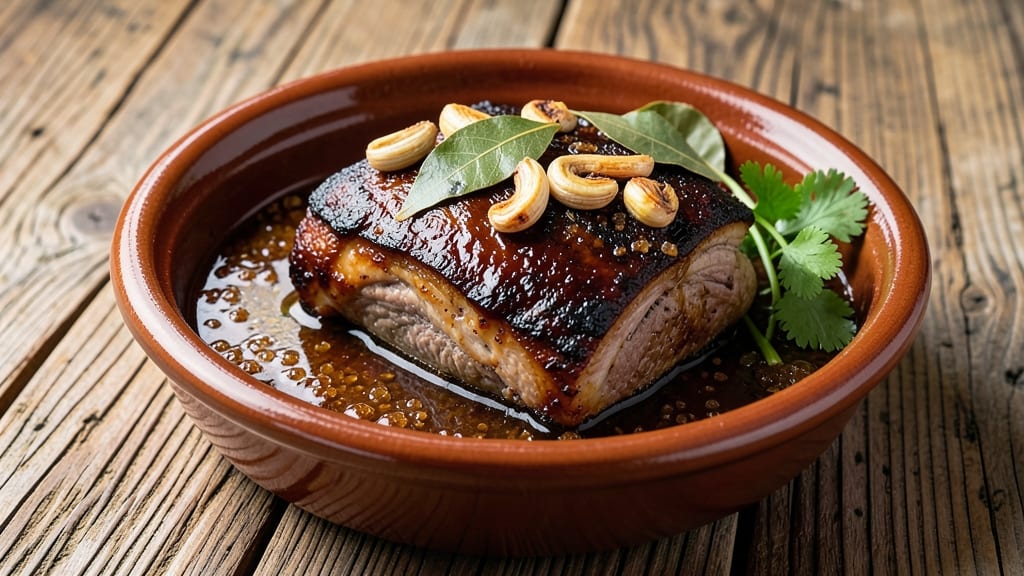
This best pork adobo recipe ever delivers the perfect balance of tangy, savory, and slightly sweet flavors that define Filipino comfort food. 🌟 After years of testing variations—including my infamous 2012 fire alarm incident—I've perfected a one-pot method that transforms tough pork into melt-in-your-mouth perfection with minimal effort.
The secret lies in the slow braising process that infuses every bite with deep, complex flavors.
The magic happens when vinegar, soy sauce, and garlic create a glossy, aromatic sauce that tenderizes the pork while developing rich caramelized notes.
Unlike many recipes that rely on hours of simmering, this version achieves restaurant-quality results in just 3 hours—perfect for weeknight dinners when you crave bold flavors without the fuss.
The key is patience: letting the pork absorb the flavors gradually creates that signature balance you can't get with quick cooking methods.
By the time you're ready to serve, you'll have fork-tender pork swimming in a glossy, slightly sweet-savory sauce that's impossible to resist.
The aroma alone will have everyone gathering at the table, and each bite delivers that perfect harmony of tangy vinegar, umami from soy sauce, and sweetness from brown sugar. This is the kind of dish that turns a simple meal into a memorable experience.
Serve it alongside steamed jasmine rice to soak up every last drop of that delicious sauce, or pair with atchara (pickled papaya) for a classic Filipino combination.
The leftovers actually taste better the next day as the flavors deepen, making this the ultimate make-ahead meal. Let's get cooking—your taste buds will thank you.
Ingredients for best pork adobo recipe ever
The secret to this legendary pork adobo lies in these simple yet powerful ingredients.
| Ingredient | Amount | Notes |
|---|---|---|
| Pork Shoulder 🥩 | 2 lb | Bone-in for best flavor |
| White Vinegar 💧 | 1 cup | Distilled or cane vinegar |
| Soy Sauce 🍶 | ½ cup | Light or dark preferred |
| Brown Sugar 🍚 | ¼ cup | Packed for accurate measure |
| Garlic Cloves 🧄 | 6 cloves | Peeled and smashed |
| Bay Leaves 🌿 | 2 whole | Dried for convenience |
| Black Peppercorns 🌶️ | 1 tsp | Crushed for texture |
| Olive Oil 🫒 | 2 tbsp | Extra-virgin preferred |
| Jasmine Rice 🍚 | 1 ½ cups | Uncooked, long grain |
| Water 💧 | 3 cups | Filtered preferred |
| Salt 🧂 | 1 ½ tsp | Kosher or sea salt |
| Ground Black Pepper 🌶️ | ½ tsp | Freshly ground |
| Fresh Ginger 🌿 | 1 tbsp | Grated, optional but recommended |
The pork shoulder is non-negotiable—it's what gives you that signature fall-apart texture. Ask your butcher for bone-in if possible, as the marrow adds incredible depth of flavor. I always grab mine from Whole Foods or my local Filipino market, where they cut it just right. If you're using pre-cut pork, look for good marbling—it means more flavor. For the vinegar, Filipino cane vinegar is ideal, but if you can't find it, white vinegar works perfectly fine. The soy sauce should be light or dark, but not low-sodium—Kikkoman is my go-to, but any good brand will do. Brown sugar is key here—it balances the tangy vinegar and adds that subtle sweetness that makes this dish so addictive.
No cane vinegar? White vinegar or apple cider vinegar will work just fine—just don't skimp on the amount. Running low on soy sauce? Coconut aminos is a great substitute, though it won't have the same depth of flavor. Fresh ginger is optional but adds a wonderful warmth—if you're skipping it, double the garlic to compensate. The bay leaves might seem minor, but they're essential for that authentic adobo taste. If you can't find them, dried thyme at half the amount is a decent stand-in. For the rice, jasmine is traditional, but any long-grain white rice will work. And trust me on the brown sugar—it's what makes this dish sing.
This dish tastes even better the next day, so make extra if you can. The pork stays tender for 3-4 days in the fridge, and the sauce freezes beautifully for up to 3 months. I always portion out the rice and pork separately—it reheats better that way. For serving, I like to drizzle a little extra sauce over the top and garnish with fresh cilantro if I've got it. The aroma alone will have everyone rushing to the table, so save some for leftovers—you'll want it again tomorrow.
Why You'll Love This Recipe
- One-Pot Magic: I swear by this for lazy nights—just dump everything in one pot, simmer, and walk away. The vinegar and soy sauce do all the heavy lifting while you stir twice.
- Garlic Bomb: Crispy, fragrant garlic cloves tucked into tender pork? That’s the secret weapon. The first bite hits like a warm, savory punch—no subtlety needed here.
- Lunchbox Hero: Between us, this tastes even better the next day. Pack it cold for work or reheat it for dinner—it’s my go-to for busy weeks when I need something reliable.
- Budget Win: Pork shoulder is cheap, and a little goes a long way. The sugar and vinegar stretch flavors without breaking the bank, so I’m always buying extra just to keep it in rotation.
Step-by-step instructions for Filipino-spiced vinegar magic
Here's how to create the richest, most flavorful pork adobo you've ever tasted—all in one pot!
🍳 Step 1: Sear the Pork Shoulder for Deep Flavor
Heat the 2 tablespoons olive oil in a large Dutch oven over medium-high heat. Pat the 2 lb pork shoulder completely dry with paper towels—this helps the meat brown properly. Once the oil shimmers, add the pork and sear on all sides for 8-10 minutes until golden brown and slightly crispy in spots.
Here's the thing—don't rush this step. You want that beautiful caramelization on the outside, which builds layers of flavor. Once browned, remove the pork and set it aside. The rendered fat in the pot will become the base of your sauce, so don't wipe it out!
👨🍳 Step 2: Build the Adobo Sauce with Aromatics
In the same Dutch oven, add the 6 cloves garlic cloves (peeled and smashed) and 1 tablespoon fresh ginger (grated). Sauté for 1-2 minutes until fragrant and just starting to turn golden—don't let them burn. Add the 2 whole bay leaves, 1 teaspoon black peppercorns, 1.5 teaspoons salt, and 0.5 teaspoon ground black pepper. Stir everything together for 30 seconds to toast the spices.
Now pour in the 1 cup white vinegar and 0.5 cup soy sauce. The mixture will bubble vigorously as the vinegar cooks off. Let it simmer for 3-4 minutes until slightly reduced by about ¼ cup. This step develops the tangy, savory foundation of your adobo.
🥘 Step 3: Braise the Pork Until Fork-Tender
Return the pork to the Dutch oven, adding enough 3 cups water to just barely cover the meat (about 2 cups). Sprinkle in the 0.25 cup brown sugar and stir to dissolve. Bring everything to a gentle boil, then reduce heat to low, cover, and let it simmer for 1.5 hours.
Here's where patience pays off. After 1 hour, check the pork—it should be tender enough to pull apart with a fork but still have some resistance. If it's not quite there, continue simmering for another 30 minutes. The sauce should reduce to a thick, glossy consistency that coats the back of a spoon.
🍚 Step 4: Cook the Jasmine Rice in the Adobo Broth
Once the pork is fork-tender, carefully remove it from the Dutch oven and shred it with two forks, discarding the bay leaves. Return the shredded pork to the pot. Stir in the 1.5 cups jasmine rice and spread it evenly over the pork. Pour in any remaining cooking liquid (about 1 cup) to cover the rice.
Bring the mixture to a gentle simmer, then cover and cook for 15-18 minutes on low heat. The rice should absorb all the liquid and steam perfectly. If the top seems dry, sprinkle a little water over it and cover again. The rice should be tender with a slight bite—this is classic Filipino-style rice!
🍽️ Step 5: Rest and Serve with Confidence
Let the adobo rest for 5-10 minutes before serving. This resting time allows the flavors to meld even more deeply. The pork should be incredibly tender, falling apart at the touch, and the sauce should be rich, slightly sweet, and tangy with a perfect balance of vinegar and soy.
Serve the pork adobo directly from the pot, with the rice mixed in or spooned on top. The dish is even better the next day—if there's any left, which there won't be! Pair it with steamed greens or a simple salad to cut through the richness. Trust me, this is the best pork adobo you'll ever make!
Pro Tips For Making Best Pork Adobo Recipe Ever
- Sear the Pork First: I learned this the hard way—skipping the sear means a pale, bland sauce. Pat the pork shoulder dry, then hit it with high heat in a Dutch oven until deep brown on all sides. That crust locks in flavor and makes the vinegar sauce sing.
- Peel and Mince the Garlic: Whole garlic cloves won’t break down enough for real depth. Peel and finely mince them (or use a garlic press) so they dissolve into the sauce. Trust me, your adobo will taste like it simmered for hours instead of 30 minutes.
- Simmer Low and Slow: After the initial boil, drop the heat to a gentle simmer—no rushing. Too much heat turns the vinegar harsh and the pork rubbery. Cover partially and let it cook until the pork shreds easily (about 1.5–2 hours). Patience here makes the difference.
- Balance the Vinegar: Vinegar is the soul of adobo, but too much makes it sour. Start with 1 cup, taste, then adjust—add brown sugar or soy sauce to round it out. I skip the guesswork by tasting halfway through and tweaking. (Yes, even if you’re impatient like me.)
Creative variations of this best pork adobo recipe ever
Filipino-Inspired Twist
For a true taste of the Philippines, swap the white vinegar for Filipino cane vinegar—it adds a deeper, slightly sweeter tang that's unmistakably authentic. I first discovered this at Portland's Filipino Market, where they sell it in small bottles.
If you can't find it, apple cider vinegar works in a pinch, but the flavor won't be quite the same. 🌶️
Add 1 tablespoon calamansi juice (or a mix of lime and lemon juice) to the sauce for that signature Filipino brightness. I keep a bottle of Filipino calamansi paste in my fridge—it's a game-changer for any adobo dish. The acidity cuts through the richness of the pork beautifully.
Slow-Cooker Adaptation
For a hands-off version, brown the pork in a skillet first, then transfer it to a 6-quart slow cooker with all the sauce ingredients. Cook on low for 8 hours or high for 5 hours. The slow cooker keeps the pork incredibly tender while developing those deep flavors.
I love this method when I'm prepping for a big family dinner—just add the rice at the end like in the original recipe. ⏰
Pro tip: Add ½ cup coconut milk at the end for a creamy twist. This creates a richer sauce that pairs perfectly with the tender pork. My daughter Lily calls it "soupier adobo," and I have to admit, it's a crowd-pleaser.
Just be sure to stir in the rice separately so it doesn't get mushy.
Spicy Kick Version
For heat lovers, add 1-2 tablespoons siling labuyo (Filipino bird's eye chili) or 1-2 tablespoons chopped Thai bird's eye chili when you sauté the garlic. This adds a fiery kick that balances beautifully with the sweet and tangy flavors.
If you can't find siling labuyo, red chili flakes work in a pinch—just start with ½ teaspoon and adjust to taste. 🌶️🔥
For a smoky depth, add 1 teaspoon smoked paprika or ½ teaspoon ground annatto (achuete) to the sauce. This gives the adobo a subtle smokiness that reminds me of my neighbor Mrs. Henderson's barbecue sauce back in Cincinnati.
The annatto also adds a gorgeous pink hue to the sauce, making it look as good as it tastes.
Vegetarian Adaptation
Swap the pork for firm tofu or extra-firm tofu pressed and cubed, or mushrooms (shiitake or portobello) for a meaty texture. The sauce works beautifully with these ingredients, though the cooking time will be shorter—about 20-25 minutes for tofu and 30 minutes for mushrooms.
I've made this version for veggie nights, and it's always a hit with my husband Tom. 🌱
For a heartier option, use chickpeas or lentils instead of pork. The lentils absorb the flavors wonderfully, creating a protein-rich dish that's perfect for meal prep. Just reduce the cooking time to 15-20 minutes once the lentils are tender.
This version keeps well in the fridge for up to 4 days, making it ideal for busy weeks.
Make-Ahead Magic
This dish tastes even better the next day, so I always make extra. Store the pork and sauce separately in airtight containers in the fridge for up to 4 days.
Reheat the sauce on the stovetop over medium-low heat for 5-10 minutes, then add the pork to warm through. The flavors deepen as they sit, making leftovers a must-have. 💫
For freezer-friendly adobo, freeze the pork and sauce in a single container, leaving 1 inch of headspace for expansion. Thaw overnight in the fridge, then reheat gently on the stove. The texture stays tender, and the sauce remains rich and flavorful.
I love this for lazy Sundays—just pull it out of the freezer, reheat, and serve with fresh rice. It's like a hug in a bowl!
Nutrition facts
Frequently asked questions
Can I use chicken or beef instead of pork for adobo?
Chicken thighs work beautifully—simmer for 45-50 minutes until fully cooked. For beef, use chuck roast and increase cooking time to 2-2.5 hours for tender results. The sauce ratio stays the same, but beef benefits from longer braising to break down the connective tissue.
What makes this adobo different from other recipes?
This version focuses on three key elements: proper searing for deep flavor, slow braising for tenderness, and balanced sweet-savory-tangy sauce. Most recipes skip the rice cooking in the broth, which gives this dish its signature one-pot convenience and extra flavor infusion. The brown sugar is also crucial for that perfect balance.
How do I fix if my adobo sauce is too acidic?
Add 1-2 teaspoons brown sugar or ½ teaspoon honey to balance the tang. For extra depth, stir in 1 tablespoon coconut milk or a splash of chicken broth. If the sauce is too thin, simmer uncovered for 5-10 minutes to reduce. The goal is that perfect harmony of sweet, sour, and salty.
Can I make adobo in an Instant Pot?
Yes! Sear the pork first, then add all sauce ingredients and cook on high pressure for 30 minutes. Quick-release the pressure, then add rice and cook on high for 5 minutes. The Instant Pot version cooks 60% faster but requires careful monitoring to avoid overcooking. The sauce will be slightly thinner than stovetop.
What are the best sides to serve with pork adobo?
Classic pairings include steamed jasmine rice, atchara (pickled papaya), or garlic sautéed greens. For extra flair, serve with fried plantains or crispy garlic rice. The tangy adobo cuts through rich sides beautifully. My Portland favorite is a simple arugula salad with lemon dressing.