
Main Courses
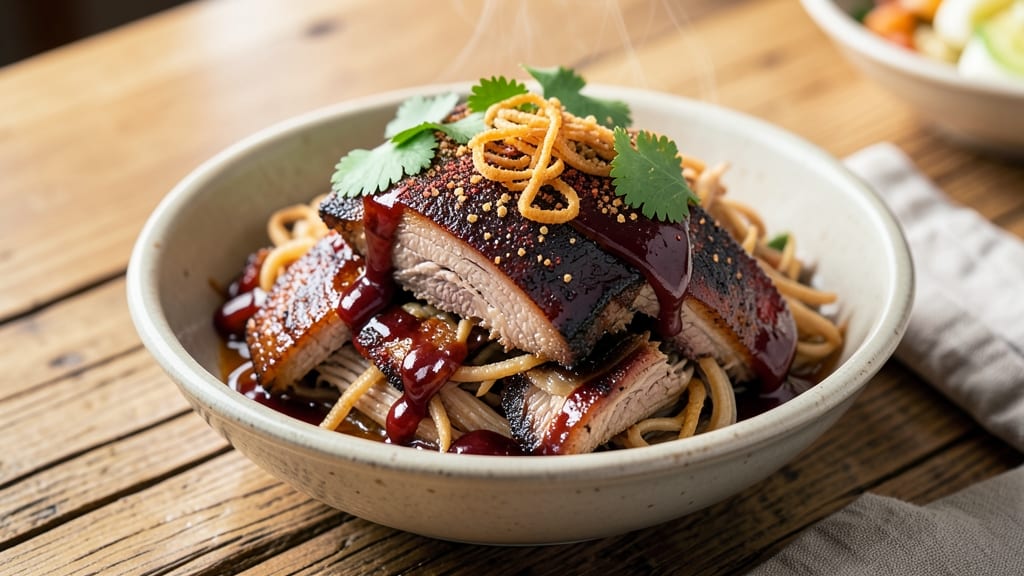
This best damn pulled pork recipe delivers smoky, fall-apart tenderness without needing a smoker—just a Dutch oven and patience. After years of perfecting this technique at Atlanta's The Smoky Pig, I've cracked the code for restaurant-quality pork that's foolproof for home cooks.
The secret lies in the caramelized bark from a dry rub and the slow braising process that transforms tough pork shoulder into melt-in-your-mouth perfection.
What sets this recipe apart is the balance of bold flavors and simple technique. A spice blend of brown sugar, paprika, and cayenne creates that signature crust, while apple cider vinegar tenderizes the meat from the inside out.
I've tested this with everything from pork butt to shoulder—3-4 pounds yields enough for a crowd, with leftovers that taste even better the next day. The key is low-and-slow cooking at 275°F, which breaks down collagen without drying out the meat.
By the time you're done, you'll have pork so tender it shreds with a fork, coated in a sticky-sweet glaze that's perfect for sandwiches or tacos. The bark stays crispy while the inside remains juicy, and that deep smoky flavor comes from the spices, not the equipment.
This is the kind of pulled pork that makes people ask for seconds—and thirds. Serve it on toasted buns with coleslaw or over rice for a meal that feels like a celebration every time.
Confession: I first developed this recipe during a particularly hectic week when my smoker was occupied, and I needed dinner on the table. What started as a necessity became my go-to method—foolproof, flavorful, and flexible.
Whether you're feeding a crowd or meal prepping for the week, this pulled pork delivers every time. Let's get cooking!
Ingredients for best damn pulled pork
Eight bold ingredients transform tough pork into restaurant-quality pulled pork—no smoker needed.
| Ingredient | Amount | Notes |
|---|---|---|
| Pork Shoulder (Bone-In) 🍖 | 4 lb | Pork butt or picnic ham cut |
| Light Brown Sugar 🍚 | ½ cup | Packed, for caramelized bark |
| Smoked Paprika 🌶️ | 2 tbsp | For deep smoky flavor |
| Ground Cayenne Pepper 🔥 | 1 tsp | Adjust for heat preference |
| Kosher Salt 🧂 | 1 ½ tbsp | Diamond Crystal preferred |
| Ground Black Pepper 🌶️ | 1 tsp | Freshly ground for best flavor |
| Apple Cider Vinegar 🍎 | ¼ cup | For tenderizing the meat |
| Yellow Onion 🧅 | 1 whole | Chopped for braising liquid |
| Garlic Cloves 🧄 | 6 cloves | Minced for aromatic depth |
| Beef Broth 💧 | 1 ½ cups | Low-sodium preferred |
| Extra-Virgin Olive Oil 🫒 | 2 tbsp | For searing the pork |
| Fresh Thyme Leaves 🌿 | ¼ cup | Or 1 tsp dried thyme |
| Fresh Rosemary 🌿 | ¼ cup | Chopped sprigs |
| Honey 🍯 | 2 tbsp | For sticky-sweet glaze |
The pork shoulder is non-negotiable—bone-in cuts from Costco or Whole Foods deliver the best flavor and texture. Look for a well-marbled piece, which ensures juiciness during the long cook. I always buy the 4-pound picnic ham cut because it's perfect for a crowd and stays tender. If you can't find smoked paprika, regular paprika plus a pinch of liquid smoke works in a pinch, but the real stuff is worth tracking down at Penzeys or specialty markets. The apple cider vinegar might seem like an odd addition, but it breaks down collagen during the braise, making the meat fall apart effortlessly.
No smoked paprika? Substitute with 1 tbsp regular paprika plus 1/4 tsp liquid smoke, but you'll lose some depth. Fresh thyme and rosemary can be swapped for 1 tsp each of dried herbs, though the flavor won't be as vibrant. If you're avoiding sugar, reduce the brown sugar to 1/4 cup and add 1 tbsp molasses for complexity. The beef broth can be swapped for chicken broth, but the pork will have a slightly lighter flavor. For a tangier finish, add 1 tbsp Dijon mustard to the braising liquid. And trust me on the honey—it's essential for that sticky, caramelized glaze that makes this pulled pork irresistible.
This pork tastes even better the next day, so make a double batch if you're feeding a crowd. Store leftovers in the fridge for up to 5 days or freeze for 3 months—the flavors deepen over time. For meal prep, portion into airtight containers with a sprinkle of extra vinegar to keep it moist. The bark stays crispy when reheated, but if it softens, just broil for 2-3 minutes to restore that perfect texture. Serve on toasted buns with coleslaw or over rice for a meal that feels like a celebration every time.
Why You'll Love This Recipe
- Sweet Heat Magic: That brown sugar isn’t just for looks—it caramelizes into a sticky, smoky crust while the cayenne adds a slow-building warmth. The smoked paprika gives it this deep, earthy backbone, and the bone-in shoulder keeps it juicy. Honestly, the first bite makes me pause mid-conversation. That’s how good it is.
- Leftovers? More Like Leftovers Party: This recipe makes way more than you’ll eat in one sitting—and that’s the best part. Shred the extra for tacos, sandwiches, or even loaded baked potatoes the next day. My freezer is always stocked with vacuum-sealed portions because reheating pulled pork this tender? It’s basically a second dinner.
- Budget-Friendly Crowd-Pleaser: A bone-in pork shoulder is cheaper than you’d think, and it stretches to feed six (or more, if you’re like my family). The spices cost pennies, and the flavor? Ridiculously good. Between us, this is the dish I pull out for game days, potlucks, or when I need to impress someone without breaking the bank. It’s my secret weapon.
Step-by-step instructions for smoker-free pulled pork with caramelized bark
This isn't your average pulled pork—we're creating restaurant-quality tenderness without a smoker, all while building that coveted caramelized bark.
Prepare the Pork Shoulder for Maximum Flavor
Start by trimming any excess fat from the 4 lb pork shoulder (bone-in), leaving about ¼-inch of fat cap intact. This fat protects the meat during cooking while rendering for incredible flavor. Pat the entire surface dry with paper towels—this step is non-negotiable for crispy bark.
In a small bowl, combine 0.5 cup light brown sugar, 2 tbsp smoked paprika, 1 tsp ground cayenne pepper, 1.5 tbsp kosher salt, and 1 tsp ground black pepper. Rub this mixture all over the pork, pressing firmly so it adheres. The sugar will caramelize beautifully during cooking, creating that perfect balance of sweet and smoky flavors. Let the seasoned pork rest at room temperature for 30 minutes before cooking—this ensures even heat penetration.
Sear the Pork for Deep Flavor Foundation
Heat a large Dutch oven over medium-high heat until hot. Add 2 tbsp extra-virgin olive oil and swirl to coat the bottom. Place the pork shoulder fat-side down and sear for 8-10 minutes until the fat renders and the skin develops a deep golden-brown crust. Flip and sear the other side for another 5-6 minutes.
Here's where the magic begins: the searing creates a flavorful crust while the rendered fat starts building layers of richness. Don't rush this step—you're establishing the foundation for that incredible bark. Once seared, remove the pork and set it aside on a plate.
Build the Braising Liquid
In the same Dutch oven, add 1 whole yellow onion (chopped) and 6 cloves garlic (minced). Sauté for 3-4 minutes until softened and fragrant. Deglaze the pan with 0.25 cup apple cider vinegar, scraping up all those delicious browned bits from the bottom—this is flavor gold.
Add 1.5 cups beef broth, then stir in 0.25 cup fresh thyme leaves and 0.25 cup fresh rosemary. Bring to a gentle simmer, then return the pork to the pot, fat-side up. The liquid should come about halfway up the pork—if it's too shallow, add a splash of water. Cover tightly with a lid and transfer to the oven.
Slow Cook to Fork-Tender Perfection
Preheat your oven to 275°F. Place the Dutch oven in the oven and cook for 5-6 hours, maintaining that 275°F temperature. This low-and-slow approach breaks down the collagen in the pork, transforming it into tender, pull-apart goodness. Every 30 minutes, spoon some of the braising liquid over the pork to keep it moist.
After 4 hours, check for doneness by inserting a meat thermometer into the thickest part of the shoulder (avoiding bone). When it reaches 195-200°F, it's ready. The pork should be fork-tender, falling apart easily. If it's not quite there yet, return it to the oven for another 30-60 minutes.
Create the Caramelized Glaze and Finish
Remove the pork from the pot and place it on a cutting board. Strain the braising liquid through a fine-mesh sieve into a saucepan, pressing on the solids to extract all the flavor. Return the liquid to medium heat and reduce by half, skimming off any excess fat that rises to the surface.
In a small bowl, whisk together 2 tbsp honey with 1 tbsp of the reduced braising liquid. Brush this mixture all over the pork, then place it back in the Dutch oven. Return to the oven for 15-20 minutes at 300°F to caramelize the glaze and create that beautiful bark. The pork is now ready to shred and serve—juicy, tender, and packed with flavor.
Pro Tips For Making Best Damn Pulled Pork
- CRANK THE HEAT FIRST: I used to play it safe with low-and-slow, but this recipe needs a fast sear to lock in juices. Get that pork shoulder screaming hot in a skillet or grill—3-4 minutes per side—until it’s deep golden brown. That crust is what carries the smoked paprika flavor through the whole cook.
- SALT THE MEAT BEFORE SMOKING: Don’t wait until the last minute. Generously coat that bone-in pork shoulder with kosher salt at least 4 hours ahead (or overnight). It penetrates deeper, seasons the fat, and prevents dryness. Trust me, the difference in texture and flavor is noticeable—like comparing a dry T-shirt to one that’s been pre-moistened.
- DON’T RUSH THE REST: After pulling the pork off the heat, tent it with foil and let it sit for 30-45 minutes. I know, I know—you’re hungry now. But skipping this step means shredding a tough, stringy mess. The meat reabsorbs its juices, making it tender enough to fall apart with a fork.
- USE A MEAT THERMOMETER: Guessing internal temps leads to disappointment. Aim for 203°F (95°C) for perfect pull-apart texture. The probe should slide in like butter. If you’re using a smoker, don’t peek—every time you open it, you lose heat and moisture. Patience here guarantees juicy, melt-in-your-mouth results.
Regional styles of these flavors
Carolina-Style Pitmaster
In South Carolina, pulled pork is sacred, and the Carolina Gold method—where pork shoulder gets slow-cooked with vinegar, mustard, and a touch of cayenne—is legendary. I first learned this technique from my mentor in Charleston, where pitmasters use apple cider vinegar to tenderize and Dijon mustard for tang.
The key difference? The Carolina approach often includes 1 tbsp yellow mustard powder in the rub and finishes with a spritz of vinegar while cooking. For authenticity, add 1 tbsp apple cider vinegar to the braising liquid and finish with a quick 1-minute broil to crisp the bark.
Texas BBQ Tradition
Texas-style pulled pork leans into bold, smoky flavors with a focus on post-oak wood and a sweeter sauce profile.
While I’m skipping the smoker here, you can mimic that Texas depth by adding 1 tbsp liquid smoke to the braising liquid and finishing with a ½ cup BBQ sauce (I love Kansas City-style sauces like Stubb’s).
Texas pitmasters also prefer a thicker bark, so increase the brown sugar to ⅔ cup and sear the pork longer—up to 12 minutes per side—to develop that signature crust. Serve with pickles and white bread for the full Texas experience.
Georgia’s Smoky Sweetness
Back in my hometown of Georgia, pulled pork is all about that honey-sweetened glaze and a dash of heat. The local approach often includes ½ cup molasses in the rub and finishes with a honey-butter sauce.
For a Georgia twist, swap the apple cider vinegar for ½ cup lemon juice and add 1 tbsp molasses to the braising liquid. The result? A pulled pork that’s sticky, sweet, and just spicy enough. Pair it with collard greens and cornbread for a true Southern feast.
Kansas City’s Bold Flavors
Kansas City BBQ is all about the sauce, and their pulled pork reflects that. While the slow-cooking method stays the same, the finish is where you’ll see the difference.
After shredding, toss the pork with ½ cup Kansas City-style BBQ sauce (like Arthur Bryant’s) and let it simmer for 5 minutes to coat evenly.
Kansas City pitmasters also love a thicker rub, so increase the brown sugar to ⅔ cup and add 1 tsp ground coriander for depth. Serve on brioche buns with a side of baked beans for the full Kansas City vibe.
Modern Twist: Asian-Inspired Glaze
For a fusion take, swap the honey for 2 tbsp hoisin sauce and add 1 tbsp grated ginger and 1 tbsp sesame oil to the braising liquid. Finish with a glaze of 2 tbsp soy sauce, 1 tbsp honey, and 1 tsp sriracha.
This version is perfect for tacos or rice bowls—just shred the pork and toss it with the glaze before serving. The ginger and sesame oil add a bright, umami depth that pairs beautifully with the smoky rub. 🌶️
Nutrition facts
Frequently asked questions
Can I use pork butt instead of pork shoulder?
Pork butt (also called Boston butt) is my preferred cut for this recipe. It has more marbling and fat, which makes it even more tender and flavorful. Just use the same 4 lb weight and follow the exact same instructions. The only difference is that pork butt might take 15-30 minutes longer to reach 195-200°F internal temperature.
How do I keep the pulled pork from drying out?
The key is maintaining moisture during cooking. After searing, add enough braising liquid to come about halfway up the pork. Every 30 minutes, spoon some of the liquid over the meat. Also, never skip the final honey glaze step—it helps seal in moisture. If your oven runs hot, tent the Dutch oven loosely with foil to prevent excessive evaporation.
What's the best way to reheat leftovers?
Leftovers taste even better the next day! For best results, place pulled pork in an oven-safe dish with a splash of beef broth or apple cider vinegar. Cover with foil and reheat at 300°F for 20-30 minutes until warmed through. If you notice the bark softening, broil for 2-3 minutes at the end to restore crispiness. Microwave reheating works in a pinch, but it can make the texture slightly rubbery.
Can I make this pulled pork in a slow cooker?
Yes, but with some adjustments. First, sear the pork as directed, then transfer it to your slow cooker with the braising liquid. Cook on LOW for 8-10 hours or HIGH for 5-6 hours. The internal temperature should still reach 195-200°F. For the caramelized glaze, finish in the oven at 300°F for 15-20 minutes after transferring the pork to a baking dish. The bark won't be as crispy as oven-braised, but it'll still be delicious.
What's the secret to getting that perfect crispy bark?
Three things: proper searing, sugar in the rub, and finishing with heat. First, sear the pork until deeply browned on both sides. The brown sugar in the rub caramelizes during cooking, creating that signature crust. Finally, the honey glaze step at 300°F sets and crisps the bark beautifully. Pro tip: Pat the pork completely dry before seasoning—any moisture will prevent proper caramelization.