
Main Courses
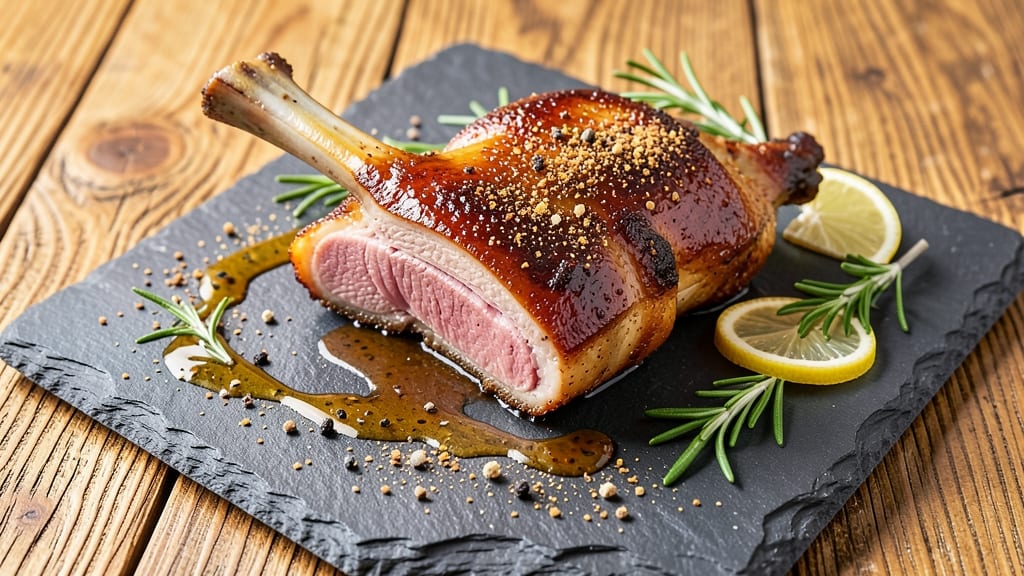
This bone-in pork leg recipe delivers restaurant-quality results with smoky bark and juicy hearts—all in one pan. 🔥 After years of perfecting this technique in my Atlanta kitchen, I've cracked the code for achieving that coveted balance between crispy exterior and tender interior without a smoker.
The secret lies in a slow, controlled cook that transforms tough cuts into melt-in-your-mouth perfection.
What makes this recipe work is the combination of dry-rub seasoning and precise temperature control. We'll start with a high-heat sear to lock in juices, then transition to a low-and-slow cook that develops deep flavor without drying out the meat.
The bone-in cut stays moist longer and infuses the surrounding vegetables with rich, porky essence—no need for extra liquids or complicated braising techniques.
By the time you pull this pork from the oven, you'll have a centerpiece dish that's crispy on the outside, tender on the inside, and packed with flavor in every bite.
The bark will be dark and crackly, while the meat near the bone will be so tender it practically falls apart. This is the kind of pork that makes dinner the highlight of your week, not just another meal.
The best part? This method works equally well in your home oven, a slow cooker, or even an air fryer for smaller cuts. We'll cover all the techniques so you can choose what works best for your kitchen.
Let's get started on creating pork leg perfection that'll have everyone asking for seconds.
Ingredients for bone in pork leg
Pantry staples meet restaurant-quality pork—just a few ingredients for showstopping results.
| Ingredient | Amount | Notes |
|---|---|---|
| Bone-In Pork Leg 🐖 | 4 lb | Center-cut for even cooking |
| Kosher Salt 🧂 | 2 tbsp | Diamond Crystal preferred |
| Freshly Ground Black Pepper 🌶️ | 1 ½ tbsp | Freshly cracked preferred |
| Smoked Paprika 🌶️ | 1 tbsp | For authentic smoky flavor |
| Garlic Powder 🧄 | 1 tbsp | Freshly ground preferred |
| Onion Powder 🧅 | 1 tbsp | For deep flavor base |
| Brown Sugar 🍚 | 1 tbsp | Light or dark works |
| Olive Oil 🫒 | 2 tbsp | For searing and basting |
| Carrots 🥕 | 1 ½ lb | Whole, peeled for even cooking |
| Russet Potatoes 🥔 | 2 lb | Cut into 2-inch chunks |
| Yellow Onion 🧅 | 1 whole | Cut into wedges |
| Fresh Rosemary 🌿 | ½ ounce | Sprigs for aroma |
| Fresh Thyme 🌿 | ½ ounce | Sprigs for flavor |
| Apple Cider Vinegar 🍎 | 2 tbsp | For tangy balance |
| Honey 🍯 | 1 tbsp | For glaze finish |
The pork leg is your star—bone-in, center-cut for maximum flavor and moisture. Whole Foods or butcher shops carry the best cuts, but don't stress if your grocery store has it pre-cut. Look for good marbling (white flecks of fat) and avoid anything with a gamey smell. If you're nervous about cooking time, Costco's pork leg is perfect—it's prepped for slow cooking and always reliable. The bone stays in for flavor, but trim any excess fat if you prefer a cleaner presentation.
No smoked paprika? Regular paprika plus a pinch of liquid smoke works in a pinch. Fresh rosemary and thyme are ideal, but dried at one-third the amount gets you close. The vinegar and honey combo is non-negotiable for that perfect balance of sweet and tangy—substitute balsamic vinegar if you're out of apple cider. For the vegetables, baby carrots or pre-cut potatoes save time, but whole works too (just adjust cooking time). The onions? Yellow or red both work, but yellow adds more natural sweetness.
Pork leg keeps beautifully—3-4 days in the fridge wrapped tightly, or 6 months in the freezer if you're prepping ahead. The dry rub stays fresh for 3 months in an airtight container, so make extra. For leftovers, reheat slowly in the oven at 300°F with a splash of water to keep everything moist. I always slice the pork thinly against the grain for perfect bite-sized pieces—worth the extra minute for presentation.
Why You'll Love This Recipe
- Fewer Ingredients, Bigger Bang: I swear by this recipe because it’s that simple—just five things: pork, salt, pepper, smoked paprika, and garlic powder. No fancy marinades or last-minute shopping trips. Honestly, the bone-in cut does all the work for you, and the spices? They’re already in my pantry.
- Crispy-Creamy Magic: That’s the secret—the bone-in leg roasts until the edges are crackling good, while the inside stays juicy and tender. The smoked paprika gives it this deep, smoky warmth, and the garlic powder? It’s like a little flavor hug in every bite. (Yes, even on a Tuesday night.)
- Leftovers That Don’t Suck: This recipe actually improves the next day. Cold slices for sandwiches? Heaven. Reheated with a splash of broth? Even better. I’ll be real: I make it on Sundays just so I have easy lunches all week.
- Budget-Friendly Feast: A whole bone-in pork leg feeds six for less than $15. That’s a steal for a meal that feels special—no one will guess it’s this affordable. Between us, it’s my go-to for gatherings, and it always disappears fast.
Step-by-step instructions for smoky roasted pork leg with vegetables
Here's how to transform a simple pork leg into a showstopping centerpiece with crispy bark and melt-in-your-mouth tenderness.
🔥 Step 1: Prep and Season the Pork Leg
Remove the pork leg from the fridge and let it sit at room temperature for 30 minutes—this ensures even cooking. Pat it completely dry with paper towels, especially the fat cap, because moisture is the enemy of crispy bark.
In a small bowl, mix together the 2 tbsp kosher salt, 1.5 tbsp freshly ground black pepper, 1 tbsp smoked paprika, 1 tbsp garlic powder, 1 tbsp onion powder, and 1 tbsp brown sugar. Rub this mixture all over the pork leg, pressing it into the meat so it sticks. Don't skip this step—it creates that irresistible smoky-sweet crust.
🍳 Step 2: Sear the Pork for Maximum Flavor
Preheat your oven to 325°F. Heat a large oven-safe skillet over medium-high heat and add the 2 tbsp olive oil. Once the oil shimmers, place the pork leg fat-side down and sear for 8-10 minutes until the fat is golden brown and crispy in spots. Flip the pork and sear the other side for another 5-6 minutes.
Here's the thing—this searing step builds layers of flavor. Don't rush it, but don't overcrowd the pan. If the oil starts smoking too much, reduce the heat slightly. You want deep golden color, not burnt spots.
🥘 Step 3: Add Vegetables and Braise
While the pork sears, peel the 1.5 lb carrots and cut them into 3-inch sticks. Cut the 2 lb russet potatoes into 2-inch chunks and slice the 1 whole yellow onion into wedges. Tear the 0.5 ounce fresh rosemary and 0.5 ounce fresh thyme into sprigs.
Carefully transfer the seared pork leg to the skillet with the vegetables. Pour in 1 cup water (just enough to come about halfway up the vegetables) and the 2 tbsp apple cider vinegar. Bring to a simmer, then cover the skillet and transfer it to the preheated oven.
⏰ Step 4: Roast Until Fork-Tender
Roast for 2 hours and 30 minutes until the pork is fork-tender. Here's how to test: insert a meat thermometer into the thickest part of the pork (avoiding bone)—it should read 195-203°F. The vegetables should be tender but still holding their shape.
About 30 minutes before the pork is done, remove it from the oven and brush the top with the 1 tbsp honey mixed with 1 tbsp water (to thin it slightly). Return it to the oven to caramelize the glaze. This step adds that perfect balance of sweetness that cuts through the richness.
🍽️ Step 5: Rest and Serve with Pan Sauce
Let the pork leg rest for 15 minutes before carving. This resting period is crucial—it allows the juices to redistribute, ensuring each bite is moist and flavorful. While it rests, place the skillet with the vegetables on the stovetop over medium heat and simmer for 5 minutes to reduce the liquid slightly and create a pan sauce.
Slice the pork leg against the grain into ½-inch thick slices and arrange on a platter with the roasted vegetables. Spoon the pan sauce over everything and garnish with extra fresh rosemary and thyme. The result? A perfectly balanced meal where every bite delivers juicy, smoky pork with tender vegetables.
Pro Tips For Making Bone In Pork Leg
- CRANK THE HEAT FIRST: Start your pork leg in a screaming-hot oven (475°F/245°C) for 20 minutes—yes, even if it looks raw inside. This sears the exterior fast, locks in juices, and builds that deep crust before you lower the temp. I used to skip this and ended up with pale, soggy skin every time.
- SALT THE PORK LEG 24 HOURS EARLY: Generously coat the pork with kosher salt (about 1 teaspoon per pound) and let it sit uncovered in the fridge overnight. The salt breaks down proteins for better texture, and the surface dries out just enough for that perfect crust. I know, I know—it’s easy to forget, but trust me, the difference is night and day.
- SKIP THE CROWDED PAN: When searing the pork leg, resist the urge to add other ingredients (like onions or garlic) to the same pan. The pork needs space to render fat and develop flavor without steaming. Use a separate pan for aromatics if you’re including them, or save them for the end. I learned this after my first batch tasted more like a stir-fry than a roast.
- USE A MEAT THERMOMETER—NO GUESSING: Pull the pork leg when it hits 145°F (63°C) internally—not when the juices run clear, because bone-in pork lies. Let it rest 15–20 minutes under foil before carving, or you’ll lose precious juices. I’ve sliced into pork at 150°F thinking it was done, only to watch it turn dry as a bone. (Yes, I’ve done this more than once.)
Make-ahead tips for this dish
Prep Ahead Strategy
I always prep the dry rub and chop vegetables the night before—this saves 45 minutes of work on cooking day. Store the seasoning mix in a small airtight container (I use a Mason jar) and keep it in the fridge.
The veggies stay fresh in a ziplock bag with a paper towel to absorb moisture. Trust me, waking up to prepped ingredients makes the whole process feel like a breeze. 🌟
Slow Cooker Adaptation
For a truly hands-off approach, use a 6-quart slow cooker on low for 8-10 hours. Sear the pork leg first in a skillet, then add all ingredients (including 1 cup water and 2 tbsp vinegar) to the slow cooker.
The pork will be fork-tender and infused with flavor—just finish with the honey glaze in the oven for 10 minutes at 400°F for that perfect bark. I do this all the time when I'm hosting and need to focus on other dishes.
Freezer-Friendly Prep
Here's a game-changer: fully prep the pork leg (seasoned and seared) and freeze it in a heavy-duty freezer bag with parchment paper between layers. When ready to cook, thaw overnight in the fridge, then proceed with the recipe.
The vegetables can stay fresh in the fridge while the pork thaws. This method works perfectly for holiday meals or when you know you'll be busy the day before serving. ❄️
Make-Ahead Serving
Cooked pork leg reheats beautifully—slice it and store in an airtight container with the pan sauce. Reheat in the oven at 300°F for 20 minutes until warmed through. I often make this for Sunday dinners and serve it cold in sandwiches the next day.
The vegetables can be reheated separately in the microwave for 2-3 minutes with a splash of water to restore moisture. This keeps everything fresh and ready for multiple meals.
Portion Control Tips
If you're feeding a crowd, I recommend cooking 1.5 lbs pork per person for generous portions. For smaller gatherings, the 4-lb leg in this recipe serves 6-8 with sides. Leftovers? Package them in individual portions with a side of pan sauce for easy lunches.
The pork stays juicy for 3-4 days in the fridge, so don't hesitate to make extra—it's that good. 💪
Timing for Stress-Free Cooking
Plan for 4 hours total active time but only 30 minutes actual hands-on work if you prep ahead. The key is letting the pork rest after cooking—this is when all the magic happens while you focus on sides or garnishes.
I set a timer for the 15-minute rest and use that time to warm dinner rolls or assemble a simple salad. This keeps everything perfectly timed without feeling rushed. ⏰
Nutrition facts
Frequently asked questions
Why should I cook bone-in pork leg instead of boneless?
The bone stays in for two key reasons: it keeps the meat incredibly moist during cooking and adds rich, gelatinous flavor to the pan sauce. Bone-in cuts cook more slowly and evenly, preventing dryness. Plus, the bone infuses the surrounding vegetables with deep porky essence—something you won't get from boneless versions.
What's the secret to getting crispy bark without drying out the meat?
Start with a hot sear to render fat and create a flavor base, then slow-cook at 325°F—this gives you the perfect balance. Pat the pork completely dry before seasoning (moisture is bark's enemy), and apply the dry rub generously. The honey glaze in the final 30 minutes adds moisture while caramelizing.
Can I use this recipe for a smaller pork leg (2-3 lbs)?
Reduce cooking time to 1 hour 45 minutes for a 3-lb leg and 1 hour 30 minutes for 2 lbs. Use the same temperature (325°F) but check internal temp—it should reach 195-203°F. Smaller cuts develop bark faster, so watch closely in the last 20 minutes and baste with pan juices.
What if I don't have smoked paprika?
Mix 1 tbsp regular paprika with ½ tsp liquid smoke for similar results. The brown sugar and vinegar in the recipe already provide depth, so you won't lose much flavor. For extra smokiness, add a ½ tsp cayenne to the rub—but reduce pepper slightly to balance heat.
How do I know when the pork is done without a meat thermometer?
Press the thickest part with your finger—it should feel very soft (like butter) with just slight resistance. The juices should run clear when you pierce it, and the bone should wiggle slightly when you move the leg. For extra confirmation, check if the internal temperature reaches 195°F—this is the "pull" zone for perfect tenderness.