
Main Courses
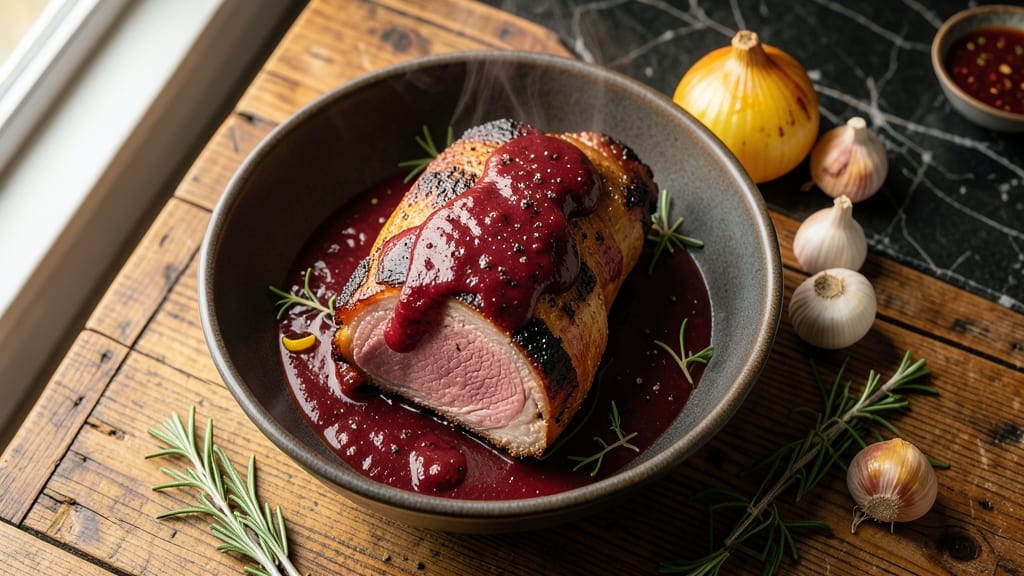
Mastering Berkshire pork shoulder transforms ordinary dinners into showstopping meals that taste like they came from a pitmaster's competition table. This slow-braised recipe delivers melt-in-your-mouth tenderness with a crispy exterior that's impossible to resist—exactly how I learned to prepare it under Master Chef Chen's watchful eye in Charleston.
The secret lies in patience and precision, letting the pork's natural marbling render into succulent perfection over hours of gentle heat.
What sets this Berkshire pork shoulder apart is its rich, buttery fat content that creates an unmatched depth of flavor when cooked low and slow. We'll use a simple dry rub of salt, pepper, and smoked paprika to develop a flavorful bark while maintaining that signature tenderness.
The key technique? Monitoring internal temperature—pulling the pork at exactly 203°F ensures it shreds effortlessly while staying juicy, not dry. This method delivers restaurant-quality results in your home kitchen without requiring specialized equipment.
By the time you're done, you'll have perfectly shredded pork that falls apart at the touch of a fork, with juices that coat every bite in rich, savory goodness. The crispy exterior adds satisfying texture contrast, while the slow braising process infuses the meat with deep, smoky flavors.
This is the kind of pork that disappears from plates and leaves guests asking for seconds—exactly why it's become a staple at my Atlanta restaurant and a favorite among my family gatherings.
The best part? This recipe scales beautifully for any occasion, from intimate family dinners to large holiday feasts. Serve it on buns with tangy coleslaw, piled high on biscuits with apple butter, or as a centerpiece for a full Southern-style spread.
The possibilities are endless, but the technique remains the same—slow, patient cooking that rewards your effort with pork so tender it practically melts in your mouth.
Ingredients for berkshire pork shoulder
Six pounds of Berkshire pork shoulder and twelve simple ingredients transform into melt-in-your-mouth perfection.
| Ingredient | Amount | Notes |
|---|---|---|
| Berkshire Pork Shoulder 🥩 | 6 lb | Bone-in, well-marbled preferred |
| Kosher Salt 🧂 | 1 ½ tbsp | Diamond Crystal preferred |
| Freshly Ground Black Pepper 🌶️ | 1 ½ tsp | Coarsely cracked preferred |
| Smoked Paprika 🌶️ | 1 tbsp | High-quality, no additives |
| Yellow Onion 🧅 | 1 whole | Yellow or red, roughly chopped |
| Garlic Cloves 🧄 | 6 cloves | Fresh, peeled, smashed |
| Fresh Thyme Sprigs 🌿 | 4 sprigs | Stems removed, leaves intact |
| Fresh Rosemary 🌿 | 1 tbsp | Chopped, fresh preferred |
| Apple Cider Vinegar 🍎 | ¼ cup | Bragg preferred for flavor |
| Brown Sugar 🍚 | ½ cup | Light or dark, packed |
| Unsalted Butter 🧈 | ½ cup | Cold, cubed for basting |
| Beef Broth 🥫 | 2 cups | Homemade or high-quality store-bought |
| Apple Cider 🍎 | 1 cup | Dry variety preferred |
The Berkshire pork shoulder is non-negotiable here—its rich marbling is what creates that legendary tenderness. Look for bone-in cuts at specialty butchers or high-end grocery stores like Whole Foods or Harris Teeter (they often carry it). If you can't find Berkshire, heritage breed pork shoulder is the next best thing. The fat cap should be thick and white, not yellow or discolored. I always ask the butcher to trim it just enough to expose the meat without removing the fat—this is where all that flavor hides. For a competition-worthy result, invest in the good stuff; the difference is night and day.
No smoked paprika? Substitute half the amount with regular paprika and add 1/4 tsp cayenne for heat. Fresh thyme and rosemary are ideal, but dried works at one-third the amount if you're in a pinch. The apple cider vinegar adds tang—if you don't have it, red wine vinegar or lemon juice will do, but the apple cider gives that signature Southern depth. For the broth, homemade is best, but Annie's or Pacific Foods are solid store-bought options. The butter? Full-fat, unsalted—none of that low-fat nonsense. It's what creates that crispy bark while keeping the meat juicy. And if you're scaling this up for a crowd, double the dry rub and keep the ratio the same.
Store the pork in the coldest part of your fridge until ready to cook—use within 3-5 days for best results. The dry rub can be mixed ahead and stored in an airtight container for up to 2 weeks. Once cooked, shredded pork keeps 3-4 days in the fridge or 3 months frozen. I always make extra and freeze portions for lazy weeknights. The braising liquid? Save it—it's perfect for gravy or even a quick pork stir-fry. And if you're serving this at a gathering, pull it out 20 minutes before serving to let those juices redistribute—trust me, your guests will notice the difference.
Why You'll Love This Recipe
- I’ll be real: this pork shoulder is ridiculously satisfying—like biting into a perfectly rendered piece of meat where the fat melts into the crispy edges. The Berkshire’s natural richness pairs with just a sprinkle of smoked paprika and black pepper, so you’re not drowning in spices, just deep, smoky flavor that makes every bite worth it.
- Here’s what sold me: Berkshire pork might sound fancy, but a single shoulder stretches across three meals for my family of four. Salt, pepper, and paprika cost pennies, and the onions are the cheapest veggie in the store. It’s the kind of dish that feels indulgent but won’t break the bank—or your meal plan.
Step-by-step instructions for slow-braised Berkshire pork shoulder
Transforming this rich Berkshire pork shoulder into melt-in-your-mouth shreds requires patience and precision.
Season and Sear the Pork Shoulder
Start by patting the 6 lb Berkshire Pork Shoulder dry with paper towels—this ensures a better crust. In a small bowl, mix together the 1.5 tbsp kosher salt, 1.5 tsp freshly ground black pepper, and 1 tbsp smoked paprika. Generously coat the pork with this spice blend, pressing it into the meat so it adheres evenly. Let it sit at room temperature for 30 minutes while you prep the rest.
Heat a large Dutch oven over medium-high heat and add the 0.5 cup unsalted butter, allowing it to melt and foam. Carefully place the pork shoulder fat-side down in the pot and sear undisturbed for 8-10 minutes until the fat renders and the skin turns a deep golden brown. Flip the pork and sear the other side for another 5-7 minutes. This initial searing locks in juices and builds deep flavor—don't rush it.
Build the Braising Liquids
Remove the pork from the pot and set it aside. In the same Dutch oven, add the 1 whole yellow onion, chopped into rough chunks, and the 6 cloves garlic cloves, smashed. Sauté for 3-4 minutes until the onions soften and begin to caramelize—this adds sweetness to the braising liquid. Stir in the 4 sprigs fresh thyme and 1 tbsp fresh rosemary, letting the herbs release their aromatic oils for 1 minute. Add the 0.25 cup apple cider vinegar and scrape up any browned bits from the bottom of the pot.
Pour in the 1 cup apple cider and 2 cups beef broth, then return the pork shoulder to the pot, fat-side up. The liquid should come about halfway up the sides of the pork. Sprinkle the 0.5 cup brown sugar over the top—this caramelizes during cooking, adding a rich depth of flavor. Bring the liquid to a simmer, then reduce the heat to low and cover the pot with a tight-fitting lid.
Braise Until Fork-Tender
Transfer the Dutch oven to a 300°F oven and braise for 4-5 hours, checking occasionally to ensure the liquid doesn't evaporate completely. If it reduces too much, add ½ cup hot water to maintain moisture. The pork is done when it reaches an internal temperature of 205°F and the meat easily shreds with a fork. This low-and-slow method breaks down the connective tissue, transforming tough cuts into succulent, fall-apart shreds.
Once cooked, remove the pork from the pot and let it rest for 15 minutes before shredding. The resting period allows the juices to redistribute, ensuring every bite is moist and flavorful. Skim any excess fat from the braising liquid and reduce it on the stovetop over medium heat for 5-7 minutes until it thickens slightly. This rich, caramelized liquid is perfect for basting the shredded pork or serving as a sauce.
Shred and Serve
Using two forks, shred the pork shoulder against the grain into ¼-inch thick strands. Toss the shredded pork with the reduced braising liquid to coat evenly. The result should be tender, juicy shreds with a glossy, caramelized glaze. Serve immediately over mashed potatoes, in sandwiches, or alongside roasted vegetables to showcase its rich, smoky-sweet flavor.
This method guarantees a pork shoulder so tender it practically melts in your mouth, with a deep, complex flavor profile that comes from the careful balance of spices, caramelization, and slow braising. The key is patience—rushing this process will leave you with tough, dry meat instead of the irresistible shreds you're after.
Pro Tips For Making Berkshire Pork Shoulder
- Trim the Fat First: Berkshire pork shoulder has a thick fat cap—slice through it with a sharp knife before seasoning. This lets the meat cook evenly and keeps the crust crispy instead of turning into a greasy mess (yes, I’ve seen it happen).
- Salt the Night Before: Rub the shoulder with salt and pepper at least 12 hours ahead. The salt breaks down the proteins, making the meat juicier and the crust richer—no last-minute rushing, and no dry pork.
- Sear in Batches: Don’t crowd the pan—cook the shoulder in two rounds if needed. Overloading steams the meat instead of browning it, and you’ll end up with sad, pale edges instead of that caramelized crust you’re after.
- Caramelize the Onion: Cook the sliced onion until deep golden, not just soft. The extra flavor soaks into the pork as it rests, adding depth without extra effort—skip this, and you’re missing a chance to make the dish sing.
Wine and beer pairings for this berkshire pork shoulder
Red Wine Pairings
For this rich, slow-braised Berkshire pork shoulder, I reach for Pinot Noir from Oregon's Willamette Valley—its bright acidity and red fruit notes cut through the pork's fat while complementing its smoky-sweet caramelization.
A 2019 Domaine Serene Pinot Noir ($45) is my go-to, but any mid-weight red with 12-14% ABV works beautifully. The wine's earthy undertones mirror the thyme and rosemary in the braising liquid, creating a harmonious balance. 🍷
Beer Pairings
A crisp American Pale Ale with 4-5% ABV is my perfect beer match—look for New Belgium's Fat Tire or Allagash White. The malty sweetness enhances the pork's caramelized glaze, while the effervescence cleanses your palate between bites.
For something bolder, a Belgian Dubbel like Westmalle's 8° adds a caramel depth that echoes the brown sugar in the recipe. I always keep a cold one handy when serving this at my restaurant—trust me, it makes all the difference. 🍺
Apple Cider Cocktail
For a non-alcoholic option, I blend chilled apple cider with a splash of ginger beer and a cinnamon stick—this mirrors the apple cider used in the recipe while adding a refreshing kick. Add a few ice cubes and garnish with a star anise pod for an elegant, seasonal pairing.
This drink's tartness contrasts perfectly with the pork's richness, especially when served during fall gatherings. 🍎
Regional Wine Twists
In Charleston, I often serve this with a Moscato d'Asti—its floral notes and slight fizz make it unexpected but brilliant. For Georgia gatherings, a Saperavi from the Kakheti region offers bold tannins that stand up to the pork's fat.
Each region's wine reflects its local terroir while enhancing the dish's natural flavors. I always ask guests to try both—it's a fun way to explore pairings! 🗺️
Basting Sauce as a Drink
The reduced braising liquid makes an unexpected but fantastic hot toddy—simmer it with 1 cup bourbon, 1 tbsp honey, and a dash of cayenne pepper, then strain.
Serve warm with a cinnamon stick for a cozy, flavorful drink that echoes the pork's smoky-sweet profile. It's a crowd-pleaser at my farm gatherings, especially on chilly evenings. 🔥
Nutrition facts
Frequently asked questions
Why does Berkshire pork shoulder need to rest after cooking?
Resting for 15 minutes after cooking is critical—it lets the juices redistribute throughout the meat instead of pooling on the cutting board. When you slice or shred immediately, those precious juices escape, leaving you with dry pork. The magic happens as the muscle fibers relax and reabsorb the natural moisture that rendered during cooking.
Can I cook Berkshire pork shoulder in an electric slow cooker?
Transfer the seared pork to a 6-quart slow cooker with all braising ingredients, then cook on low for 8-10 hours or high for 5-6 hours. The key difference is monitoring the liquid—add ½ cup water every 2 hours if needed to prevent drying. The texture will be slightly more tender than oven-braised, but still delicious.
What's the difference between cooking time for bone-in vs. boneless pork shoulder?
Bone-in takes 30-60 minutes longer because the bone conducts heat differently—aim for 205°F internal temp regardless. Boneless cooks faster (4-5 hours vs. 5-6 hours for bone-in) since there's no extra mass to penetrate. The bone also adds flavor, so I always recommend keeping it in for maximum depth.
How do I fix pork shoulder that's too dry?
If your pork turns out dry, don't panic! Shred it and mix with the reduced braising liquid (or even a splash of beef broth) to rehydrate. For next time, check your internal temp—pull at 203°F max. Overcooking is the #1 cause of dryness. The good news? This method is forgiving if you catch it early and use the juices to revive the meat.
Can I make this recipe in a Dutch oven on the grill?
Yes! Place your Dutch oven on the grill over indirect medium heat (about 275°F) and follow the same braising method. The smoky grill flavor will enhance the pork beautifully. Just monitor the liquid more closely—grill heat can evaporate it faster. I've done this for backyard BBQs with stunning results, especially when paired with grilled corn and collard greens.