
Main Courses
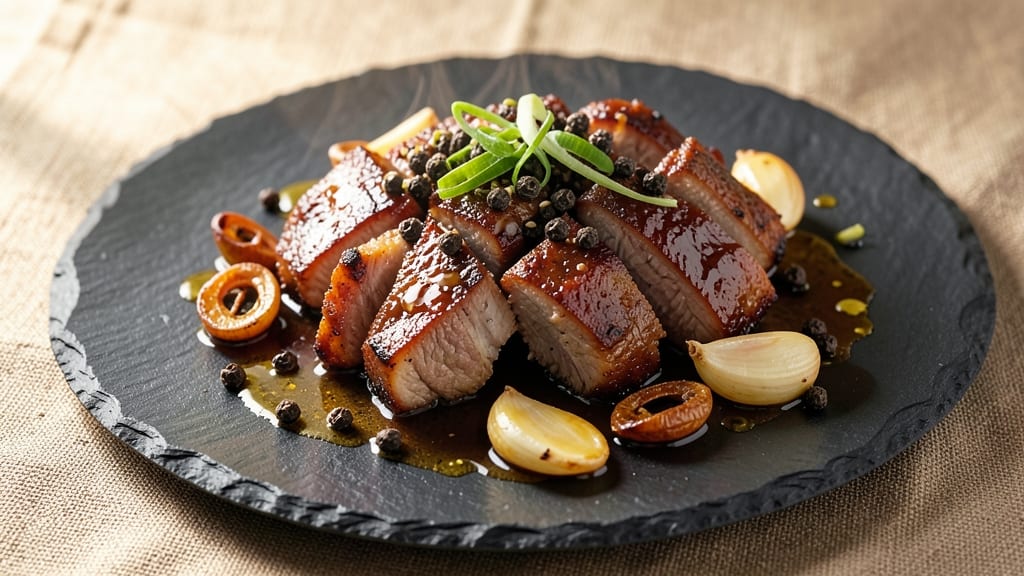
This black pepper pork stir fry delivers restaurant-quality wok-heated crunch and bold heat in under 30 minutes. 🔥 As a pitmaster who's cooked thousands of pounds of pork, I know the secret to tender, flavorful meat isn't complicated—it's about high heat, quick cooking, and a perfect balance of black pepper's sharp bite.
The marinade transforms tough pork shoulder into melt-in-your-mouth bites while developing that signature smoky depth. What sets this recipe apart is the two-step cooking process: first searing the pork until golden and crispy, then finishing with a quick stir-fry that locks in juices.
The black pepper isn't just a seasoning—it's the star, creating a complex flavor profile that's both aromatic and addictive. We'll use Sichuan peppercorns for an extra layer of tingling heat that lingers just right.
By the time you're done, you'll have perfectly seared pork pieces with caramelized edges, surrounded by vibrant vegetables and a glossy sauce that ties everything together. The aroma alone will have everyone gathering around your table.
Serve it over steamed jasmine rice to soak up every last drop of that peppery, savory sauce. This stir-fry scales beautifully for weeknight dinners or weekend gatherings. The technique is simple enough for beginners but delivers professional results that will impress even the most discerning eaters.
Let's get cooking—your taste buds are about to experience some serious flavor payoff.
Ingredients for black pepper pork stir fry
Pork shoulder, Sichuan peppercorns, and bold spices transform into restaurant-quality stir fry in 30 minutes.
| Ingredient | Amount | Notes |
|---|---|---|
| Pork Shoulder 🥩 | 1 ½ lb | Cut into 1-inch cubes, boneless |
| Sichuan Peppercorns 🌶️ | 1 tbsp | Crushed, for tingling heat |
| Black Peppercorns 🌶️ | 2 tbsp | Freshly cracked, coarse grind |
| Soy Sauce 🥄 | ½ cup | Kosher salt preferred |
| Honey 🍯 | 2 tbsp | Wildflower for depth |
| Garlic Cloves 🧄 | 6 cloves | Minced, aromatic base |
| Ginger Root 🌿 | 1 tbsp | Freshly grated, zesty kick |
| Sesame Oil 🫒 | 1 tbsp | Toasted, for aroma |
| Vegetable Oil 🫒 | ½ cup | High smoke point |
| Bell Peppers 🌶️ | 2 whole | Red/green, sliced |
| Broccoli Florets 🥦 | 2 cups | Fresh, cut small |
| Green Onions 🧅 | 4 whole | Sliced, garnish |
| Jasmine Rice 🍚 | 1 ½ cups | Uncooked, for serving |
| Cornstarch 🌾 | 1 tbsp | For crispy coating |
| Salt 🧂 | 1 tsp | Kosher, to taste |
The pork shoulder is non-negotiable here—it's got the perfect balance of fat and protein for that melt-in-your-mouth texture. Look for well-marbled cuts at your local butcher or the meat department, and ask for it cut into 1-inch cubes if they don't already. Costco or Whole Foods usually carry pre-cut pork shoulder that's perfect for stir-fry. For the Sichuan peppercorns, Penzeys or any Asian market will have the best quality—those little black beads pack a serious punch. Freshly cracked black peppercorns make all the difference too; if you're using pre-ground, toast them in a dry pan for 30 seconds first to wake up the flavors.
No Sichuan peppercorns? Substitute with 1/2 teaspoon cayenne plus 1/2 teaspoon white pepper—it won't give that signature tingling sensation, but it'll add heat. The honey in the marinade is crucial for caramelizing the pork edges, but maple syrup works in a pinch. If you're feeling adventurous, swap the bell peppers for Thai eggplant or bok choy—both hold up beautifully to the high heat. The broccoli can be frozen if fresh isn't available, but pat it completely dry first so it crisps up nicely. And for the sesame oil, toast a few whole sesame seeds in a dry pan and sprinkle them on top at the end for extra crunch and aroma.
This stir-fry tastes even better the next day, so make extra portions and store leftovers in airtight containers for up to 4 days in the fridge. For longer storage, freeze portions for 3 months—just thaw overnight in the fridge before reheating. The pork pieces reheat beautifully in a wok or large skillet with a splash of water, covered for 2-3 minutes. Serve over freshly steamed jasmine rice to soak up all that peppery, savory sauce. Pro tip: Save the leftover marinade—it makes an amazing quick glaze for future meals.
Why You'll Love This Recipe
- One-Pan Magic: That pork shoulder practically cooks itself while you chop veggies—no fancy techniques or last-minute scrambling. The Sichuan peppercorns toast in the pan first, filling the kitchen with this amazing citrusy aroma that means dinner’s basically done.
- Honey-Soy Kick: Between us, this sauce combo is dangerously good—the soy gives that deep umami punch, but the honey? It caramelizes just enough to make every bite taste like you slaved over it. (Spoiler: you didn’t.)
- Leftover Goldmine: This stir fry tastes even better the next day—crispy edges soften just right, and the flavors meld into something richer. I make double batches on Sundays because reheating it for lunch is my secret to stress-free weeknights.
- Budget Powerhouse: Pork shoulder is cheap, and a little goes a long way—this recipe feeds four for under $12. Plus, the peppercorns add next-level depth without costing a fortune. Honestly, it’s the kind of dish that makes you wonder why you ever spent more.
Step-by-step instructions for black pepper pork stir fry
Here's how to create restaurant-quality stir fry with perfect wok hei and bold peppery heat.
🔥 Step 1: Marinate and Prep the Pork
In a large bowl, combine the 1.5 lb pork shoulder cut into 1-inch cubes with the 1 tbsp crushed Sichuan peppercorns, 2 tbsp freshly cracked black peppercorns, 1 tsp salt, 6 minced garlic cloves, and 1 tbsp freshly grated ginger root. Mix well to coat evenly, then let marinate for at least 30 minutes (I like to do this overnight for deeper flavor).
The Sichuan peppercorns will give that signature tingling heat, while the black pepper adds bold depth. Don't skip the marinating time—this ensures tender pork with maximum flavor penetration. If you're short on time, even 15 minutes will help, but 30 minutes is ideal.
🍳 Step 2: Cook the Jasmine Rice
Rinse the 1.5 cups jasmine rice under cold water until the water runs clear, then drain well. Cook according to package instructions (typically 1:1.5 rice-to-water ratio, simmering for 15-18 minutes until tender). Fluff with a fork and keep warm covered while you prepare the stir fry.
Perfectly cooked rice should be separate but tender with a slight bite. If it's still firm, add a splash of water and cover for another 2-3 minutes. The rice will absorb all that delicious stir fry sauce, so don't skip this foundational step.
🔥 Step 3: Create the Crispy Pork Coating
In a small bowl, whisk together the 1 tbsp cornstarch and 1 tbsp sesame oil. Remove the pork from the marinade (reserve the marinade) and toss the cubes in the cornstarch mixture until fully coated. Heat 0.25 cup vegetable oil in a wok or large skillet over medium-high heat until shimmering.
Working in batches, add the coated pork and cook for 3-4 minutes per side until golden brown and crispy. The cornstarch creates that perfect wok-hei texture while keeping the pork juicy. Don't overcrowd the pan—this lowers the temperature and steams instead of sears the pork.
🍳 Step 4: Build the Stir Fry Sauce
Return the cooked pork to the wok and reduce heat to medium. Add the reserved marinade, 0.5 cup soy sauce, and 2 tbsp honey. Stir constantly for 2 minutes until the sauce begins to thicken slightly. Add 0.25 cup vegetable oil to help emulsify the sauce and prevent sticking.
The sauce should coat the back of a spoon but still be pourable. If it's too thick, add 1-2 tablespoons water to loosen. Here's the thing—this is where the magic happens. The combination of soy sauce, honey, and reserved marinade creates a perfect balance of salty, sweet, and peppery flavors that cling beautifully to the pork.
🥘 Step 5: Stir Fry the Vegetables
Add the 2 sliced bell peppers and 2 cups broccoli florets to the wok. Stir fry for 3-4 minutes until the vegetables are tender-crisp but still vibrant. The vegetables should retain some bite—overcooking makes them mushy and ruins the texture contrast.
Finally, add the 4 sliced green onions and toss everything together for another 1 minute. The green onions add freshness to cut through the richness of the pork and sauce. Taste and adjust seasoning if needed—you might need a touch more soy sauce or honey depending on your preference.
🍽️ Step 6: Serve Immediately
Divide the 1.5 cups cooked jasmine rice among serving plates, then spoon the black pepper pork stir fry generously over the top. Garnish with additional sliced green onions if desired. Serve immediately while everything is hot and the sauce is still clinging beautifully to the pork.
This stir fry is best enjoyed right away when the pork is tender, the vegetables are crisp, and the sauce is silky. The combination of smoky Sichuan peppercorns, bold black pepper, and sweet-savory sauce creates a perfect balance that's both comforting and exciting. Leftovers? Reheat gently in a skillet with a splash of water to restore moisture.
Pro Tips For Making Black Pepper Pork Stir Fry
- CRANK THE HEAT FIRST: Start your pork shoulder in a screaming-hot wok or pan—no need to wait for it to warm up. I learned this the hard way: if you start medium, the meat steams instead of searing, and you end up with bland, gray pork instead of that deep, caramelized crust. Once the pork’s browned, you can dial it back, but that first sear is non-negotiable.
- TOAST THE PEPPERCORNS: Dry-toast your Sichuan and black peppercorns in a separate pan for 30 seconds before crushing them—just until you smell that resinous aroma. Skipping this step means muted, dusty flavor instead of the bright, piney kick that makes this dish sing. Crush them right after topping the pork, so they’re fresh and fragrant.
- CUT PORK THIN AND EVEN: Slice your pork shoulder against the grain into ¼-inch-thick strips—no thicker, no thinner. I used to eyeball it, and some pieces would turn rubbery while others stayed undercooked. A sharp knife and a ruler (yes, really) guarantee even cooking, so every bite has that perfect tender-crisp texture.
- SAVE THE HONEY FOR LAST: Add the honey in the final 30 seconds of cooking, not at the start—it burns faster than you’d think. I was skeptical until I tried it: the caramelized drizzle on top turns the dish from good to "wow," but only if you let it glaze properly. Toss the pork with the honey and soy sauce, then let it sit off the heat for a minute to thicken the sauce.
Pro cooking tips for this recipe
Wok Hei Essentials
That signature wok hei—the smoky, charred aroma—comes from proper heat control and technique. I use a carbon steel wok (like the Mauviel M'Cook) because it retains heat better than cast iron and develops a natural nonstick patina over time.
Heat your wok over high heat until it's smoking hot before adding oil—this creates the perfect sear. If you're using a flat-bottomed skillet, tilt it slightly to concentrate heat in the center where you'll cook most of your ingredients. 🔥
Never stir constantly while searing—the Maillard reaction needs time to develop those deep flavors. Let the pork sit undisturbed for 30-45 seconds on each side before tossing. I like to use tongs (not a spatula) to flip the pork cubes for better control and less sticking.
And here's the deal: if your wok isn't hot enough, you'll end up with steamed pork instead of crispy, caramelized bites.
Pork Prep Matters
Cutting pork shoulder into 1-inch cubes is non-negotiable—any larger and the center stays tough, any smaller and it burns before cooking through. I use a sharp chef's knife and cut against the grain for even cooking.
For extra tenderness, I pound the cubes lightly with the flat side of my knife before marinating. This breaks down muscle fibers and helps the marinade penetrate deeper. 💪
The marinade should coat the pork completely—I like to use a ziplock bag and massage it with my hands for even distribution. If you're short on time, microwave the pork and marinade for 2 minutes to jumpstart the cooking process before finishing on the stove.
Pro tip: Add 1 tsp rice vinegar to the marinade if you want that extra tangy brightness that cuts through the richness.
Vegetable Timing
Vegetables cook at different rates, so add them in stages based on their density. Start with the broccoli (takes longest) and finish with the bell peppers (most delicate).
I like to blanch the broccoli for 30 seconds in boiling water before stir-frying to jumpstart the cooking process—this ensures it's tender-crisp without overcooking. The green onions go in last because their mild flavor needs to stay fresh and bright. 🥦
For maximum crunch, pat all vegetables completely dry with paper towels before cooking. Any moisture will cause them to steam instead of sear. And here's a secret I learned from Chef Chen: Add a splash of ice water (about 1 tbsp) to the wok just before serving.
It creates a dramatic steam effect when the hot stir fry hits the cold water, making the dish look and feel restaurant-worthy.
Sauce Control
The sauce should be glossy but not watery—think of it as a light glaze that clings to the pork. If it's too thick, add 1 tsp water at a time until it reaches the right consistency.
I like to reduce the sauce by half before adding it back to the wok for extra depth. For a smoother finish, whisk in 1 tsp toasted sesame oil at the end—this adds that nutty aroma that ties everything together. 🌟
Here's my foolproof trick: Save 2 tbsp of the cooking oil from searing the pork and add it to the sauce at the end. This oil carries all the meaty, caramelized flavors from the pork, making the sauce richer without making it greasy.
Taste as you go—adjust with more soy sauce for saltiness, honey for sweetness, or a pinch of red pepper flakes for heat.
Nutrition facts
Frequently asked questions
Can I substitute pork shoulder with another cut like pork tenderloin?
Pork tenderloin works but requires adjustments. Cut it into 1/2-inch slices (not cubes) since it's leaner and cooks faster. Reduce cooking time to 2-3 minutes per side to avoid drying out. The cornstarch coating is still essential for texture—just use half the amount since tenderloin absorbs less. For best results, marinate for only 15-20 minutes to prevent over-tenderizing.
What's the best way to make this spicier?
Add 1/2 teaspoon red pepper flakes directly to the wok when stir-frying vegetables, or mix 1/2 teaspoon cayenne into the marinade. For extra heat, finish with 1 teaspoon chili crisp (like Laotian chili oil) or a sprinkle of Sichuan chili bean paste. Remember: black pepper already packs heat—start with small amounts and adjust to taste.
Can I make this stir fry in a regular skillet instead of a wok?
Use a 12-inch cast iron or stainless steel skillet over high heat with these adjustments: Cook pork in single layers (don't overcrowd), and stir less frequently to maintain heat. Tilt the pan to concentrate heat in the center where you cook most ingredients. For extra wok hei flavor, add 1/2 teaspoon smoked paprika to the marinade.
How do I prevent the sauce from becoming too greasy?
Use low-sodium soy sauce (or reduce regular soy sauce by half) and avoid overcooking the pork—this releases excess fat. After stir-frying, let the mixture sit for 2 minutes off heat to allow oil to separate slightly, then spoon off excess fat before serving. For a lighter sauce, stir in 1 teaspoon rice vinegar at the end to cut through richness.
What are good side dishes to serve with this?
Try these pairings: Steamed jasmine rice (essential for soaking up sauce), Quick-pickled cucumbers (cuts through heat), or Miso soup (adds umami depth). For a heartier meal, serve with egg fried rice or stir-fried bok choy. The crisp vegetables in your stir fry already balance the dish, so keep sides light and fresh.