
Side Dishes
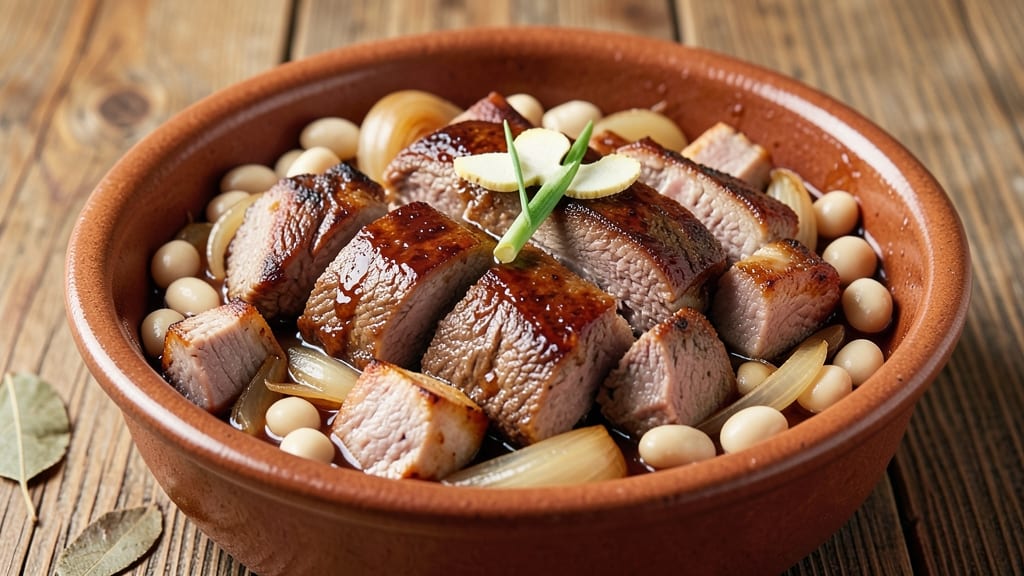
This beef pochero with pork and beans brings the soul-warming heartiness of Filipino comfort food to your table, where tender beef, smoky pork, and creamy beans simmer into a rich, flavorful stew. 💛 The secret lies in slow cooking—allowing the meat to become fork-tender while absorbing the deep, savory broth infused with garlic, ginger, and bay leaves.
I first discovered this dish in a bustling Manila kitchen, where it was served with steamed rice and crusty bread to soak up every last drop.
The beauty of pochero is its simplicity—just a few key ingredients work together to create a dish that feels both humble and luxurious. You’ll start by browning the beef and pork for a deep, caramelized flavor, then simmer everything in a single pot until the meat falls apart.
The beans soften just enough to thicken the broth slightly, creating a velvety texture that makes every bite satisfying. This recipe delivers restaurant-quality results without the fuss of complicated techniques.
By the time you’re done, you’ll have a steaming pot of slow-simmered beef and pork, where the meat is so tender it melts in your mouth and the broth is rich with layered flavors. The aroma alone—garlicky, smoky, and slightly sweet—will have everyone gathering around the table.
Serve it with steamed white rice and warm, crusty bread to soak up the delicious broth, or enjoy it as-is for a hearty, one-pot meal that feels like a hug in a bowl.
What makes this dish truly special is its versatility—it’s comforting enough for a weeknight dinner but impressive enough for guests. The flavors only deepen as it sits, so it’s perfect for making ahead and reheating.
Whether you’re recreating a taste of the Philippines or simply craving a comforting, slow-cooked meal, this beef pochero with pork and beans is a game-changer for your recipe collection.
Ingredients for beef pochero recipe with pork and beans
Six hearty ingredients transform into a soul-warming Filipino stew that melts in your mouth.
| Ingredient | Amount | Notes |
|---|---|---|
| Beef Chuck Roast 🥩 | 2 lb | Cut into 1.5-inch cubes |
| Pork Shoulder 🐖 | 1 ½ lb | Cut into 1.5-inch chunks |
| Large Onions 🧅 | 3 whole | Yellow or red, sliced |
| Garlic Cloves 🧄 | 8 cloves | Minced for depth |
| Fresh Ginger 🌿 | ½ cup | Finely grated, peeled |
| Bay Leaves 🌿 | 4 whole | Dried, for aromatic base |
| Canned Tomato Sauce 🍅 | 1 ½ cups | San Marzano preferred |
| Tomatoes 🍅 | 4 whole | Roma or vine-ripened |
| Canned Chickpeas 🌱 | 1 can | 15 oz, drained and rinsed |
| Yellow Onion 🧅 | 1 whole | Diced for sautéing |
| Olive Oil 🫒 | ½ cup | Extra-virgin for richness |
| Salt 🧂 | 1 ½ tbsp | Kosher or sea salt |
| Black Peppercorns 🌶️ | 1 tsp | Freshly cracked |
| Soy Sauce 🥄 | 2 tbsp | For umami depth |
| Sugar 🍚 | 1 tbsp | Balances acidity |
The beef and pork are the stars here—chuck roast for beef (it stays tender) and pork shoulder for pork (it stays juicy). Grab them at Costco or your local butcher shop if you want the best quality. Look for good marbling—it means more flavor. The ginger and garlic? Fresh is non-negotiable—dried just won’t cut it. I always buy extra ginger because it keeps for weeks in the freezer. For the tomatoes, San Marzano cans are worth the splurge—they’re sweeter and less acidic, which balances the dish perfectly.
No fresh ginger? Powdered works at half the amount, but it’s not the same. Running low on pork? Substitute chicken thighs—they hold up well to the long cooking time. The soy sauce can be swapped for coconut aminos if you’re avoiding gluten. For the tomatoes, if you can’t find San Marzano, any good-quality canned tomatoes will do—just make sure they’re whole and not crushed. The chickpeas add creaminess, but white beans or lima beans work too if that’s what you’ve got. The bay leaves? Tear them before adding so the flavors infuse better.
This stew tastes even better the next day—make extra and freeze portions for up to 3 months. Store leftovers in the fridge for 5 days in an airtight container. The broth thickens as it cools, so add a splash of water or broth when reheating. Serve with steamed rice and crusty bread—trust me, you’ll want every last drop of that rich, savory broth. The flavors meld beautifully overnight, so plan ahead if you’re making this for a gathering.
Why You'll Love This Recipe
- One-Pot Magic: I swear by this when I’m too tired to dirty more than one pot. Toss everything—beef, pork, onions, garlic—into a deep pot with the beans, cover with water, and let it simmer. The onions caramelize right in the broth, and by the time the meat is fork-tender, my kitchen looks like I didn’t even cook.
- Deep, Savory Soul: That ginger? It’s the secret weapon. Freshly grated, it cuts through the richness of the beef and pork, while the onions and garlic build layers of warmth that stick with you. It’s not just a stew—it’s the kind of dish that makes you slow down and savor every bite, even on a busy night.
- Leftovers That Beg for More: Between us, this recipe insists on being made in bulk. The flavors only get better after a day or two in the fridge, and reheating it? Just add a splash of water and a minute on the stove. My freezer is full of it because I can’t resist packing it for lunches—especially when I forget to eat leftovers and have to scramble for dinner the next night.
- Budget-Friendly Feast: I’m not kidding when I say this feeds six for under $20. Chuck roast and pork shoulder stretch forever, and the onions and garlic add depth without breaking the bank. Honestly, it’s the kind of meal that makes me feel like I’m treating my family to something special, even when I’m just stretching a paycheck. Plus, the beans? They turn this into a protein-packed powerhouse.
Step-by-step instructions for Filipino beef pochero
This rich, slow-simmered stew delivers deep flavors through patience and layering.
🔥 Step 1: Sear the Meats for Deep Flavor
Heat the 0.5 cup olive oil in a large Dutch oven over medium-high heat. Working in batches, add the 2 lb beef chuck roast cut into 1.5-inch cubes and the 1.5 lb pork shoulder cut into 1.5-inch chunks. Sear for 4-5 minutes per side until deep golden brown—this builds a flavorful crust that won't dissolve during simmering.
Remove the meats and set aside. If your pan gets too crowded, work in two batches. The key here is high heat for that perfect sear without burning the meat. I press down gently on the pieces during the first minute—this prevents them from curling and ensures even contact with the pan.
👨🍳 Step 2: Build the Aromatic Base
In the same Dutch oven, add the 1 whole yellow onion diced and cook for 5 minutes until softened. Add the 8 cloves garlic cloves minced and the 0.5 cup fresh ginger grated, cooking for 1 minute until fragrant—this is where the magic happens. You'll smell that pungent, earthy aroma that forms the foundation of the dish.
Stir in the 3 whole large onions sliced, 4 whole bay leaves, 1.5 tbsp salt, and 1 tsp black peppercorns cracked. Cook for another 3 minutes until the onions begin to caramelize slightly at the edges. This step develops the sweetness that balances the rich meats later.
🍳 Step 3: Simmer with Tomatoes and Chickpeas
Pour in the 1.5 cups canned tomato sauce and add the 4 whole tomatoes halved. Stir well to combine, then return the seared meats to the pot. Add 2 cups water (enough to barely cover the meats), bring to a boil, then reduce heat to low and cover partially.
Simmer for 1.5 hours until the meats are tender but not falling apart. Here's the thing—don't peek or stir too often. Every time you lift the lid, you lose heat and moisture. After 1 hour, add the 1 can chickpeas drained and rinsed, 2 tbsp soy sauce, and 1 tbsp sugar. The chickpeas add texture and soak up all the rich flavors.
⏰ Step 4: Finish with Rich Tomato Depth
Uncover the pot and increase heat to medium-high. Let the liquid reduce by about one-third for 10-15 minutes until it reaches a thick, velvety consistency. The sauce should coat the back of a spoon and cling to the meats. If it reduces too quickly, add ¼ cup water at a time to maintain balance.
Taste and adjust seasoning—you might need a pinch more salt or sugar to balance the acidity from the tomatoes. The final sauce should be rich, slightly sweet, and deeply savory with layers of umami from the soy sauce and meat. Serve hot with steamed rice to soak up every delicious drop.
Pro Tips For Making Beef Pochero Recipe With Pork And Beans
- Sear Both Meats First: I learned this the hard way—skipping the sear means flavor hiding in the broth instead of bursting out. Get your Dutch oven screaming hot, pat both the beef chuck and pork shoulder very dry, then work in batches (yes, even if you're impatient like me). The crust locks in juices and builds depth that slow cooking alone can't match.
- Slice Ginger Thin: Sounds weird, but it works: julienne that ginger into paper-thin strips instead of chopping it. It infuses faster, dissolves cleanly into the broth, and won’t leave you picking out tough chunks later. (Pro move: microwave it for 30 seconds first to soften—your knife will thank you.)
- Don’t Rush the Onions: After burning three batches, I finally figured out: low and slow is non-negotiable for onions here. They’re the backbone of the flavor, so cook them in the same pot with the aromatics until they’re deep golden—almost caramelized—before adding liquids. Crowd the pan? They’ll steam instead of sweeten.
- Add Beans Last: I skip this when I’m lazy, but the dish is noticeably better when I don’t. Hold off on tossing in the beans until the very end—just 10 minutes of simmering. They’ll absorb the rich broth without turning to mush, and their texture stays perfect. (Bonus: save a cup of broth to soak them first if they’re dry.)
Common mistakes when making great beef pochero recipe with pork and beans
Overcrowding the Pot
I’ve made this mistake more times than I’d admit—trying to rush the searing by cramming all the meat into the pot at once. When you overcrowd, the meat steams instead of searing, and you end up with bland, pale chunks that won’t develop that rich, caramelized crust.
The fix? Work in batches—I usually sear half the beef first, then set it aside before adding the rest. A 12-inch cast iron skillet or Dutch oven is ideal for this step. 🔥
Skipping the Sear
Some recipes suggest you can skip searing the meat entirely, but I strongly disagree. That step is what builds the deep, meaty flavor that makes this dish sing. If you’re short on time, at least pat the meat dry with paper towels first—this helps it brown better.
I’ve found that even a quick 3-minute sear per side makes a noticeable difference in the final result.
Using Too Much Liquid
The broth should barely cover the meat—adding too much water dilutes the flavors and makes the dish watery. I’ve seen recipes that call for 4 cups of water, but that’s overkill.
Stick to about 2 cups (enough to just cover the meat) and let the natural juices from the meat and vegetables build the sauce. If it gets too thin during cooking, you can always reduce it later.
Adding Chickpeas Too Early
Chickpeas are delicate and can turn mushy if added too soon. I’ve ruined a few batches by tossing them in at the start—resulting in a sad, grainy texture. Wait until the meat has cooked for about 1 hour before adding them.
This ensures they absorb the rich flavors without falling apart. If you’re worried about them breaking down, add them in the last 30 minutes of cooking.
Ignoring the Resting Time
This one’s a game-changer: letting the pochero rest for 15-20 minutes after cooking allows the flavors to meld and the juices to redistribute. I’ve served it straight from the pot too many times, only to have the meat release its juices onto the plate instead of staying tender.
Cover the pot with a lid and let it sit off the heat—you’ll notice the difference in texture and flavor. 💫
Over-Salting the Broth
It’s easy to go heavy on the salt, especially when you’re tasting as you go. But remember, the soy sauce and cured meats already add a lot of saltiness. Start with the 1.5 tbsp kosher salt called for in the recipe, then taste the broth before adding more.
If you’re unsure, add a pinch at a time—you can always adjust later, but you can’t remove excess salt.
Nutrition facts
Frequently asked questions
What makes this beef and pork stew different from regular beef stew?
This Filipino beef pochero stands out with its aromatic blend of garlic, ginger, and bay leaves, plus the addition of chickpeas for creaminess. Unlike traditional beef stews, it uses a longer simmering time (2+ hours) and includes pork shoulder for extra richness. The sauce reduces to a velvety consistency, making it more like a thick stew than a broth-based dish.
Can I make this recipe without a Dutch oven?
While a Dutch oven is ideal for even cooking, you can use a large pot with a tight-fitting lid. Just be sure to use medium-low heat to prevent boiling over. A heavy-bottomed pot helps maintain steady temperature, which is crucial for tender meat. If your pot isn't deep enough, reduce the water slightly to prevent spillage during simmering.
How do I know when the beef is fully tender?
The beef should be fork-tender after 1.5 hours of simmering. Test a piece by inserting a fork—it should slide in easily with no resistance. If it's still slightly firm, cook another 30 minutes. For extra tenderness, try adding ½ cup water and covering tightly for an additional 20 minutes. The meat will absorb the liquid and become melt-in-your-mouth perfect.
Can I prepare this dish ahead of time?
This stew tastes even better the next day! Let it cool completely, then store in an airtight container in the fridge for up to 5 days. For longer storage, freeze portions for up to 3 months. Reheat gently on the stove with a splash of water or broth to restore moisture. The flavors deepen as it sits, making it perfect for meal prep or holiday gatherings.
What's the best way to serve this dish?
Serve this hearty stew with steamed white rice to soak up the rich sauce, and warm crusty bread for dipping. For extra flair, garnish with fresh cilantro or sliced green onions. In the Philippines, it's often paired with a simple green salad to balance the richness. Leftovers make great sandwiches the next day—just pile high with rice and enjoy!