
Main Courses
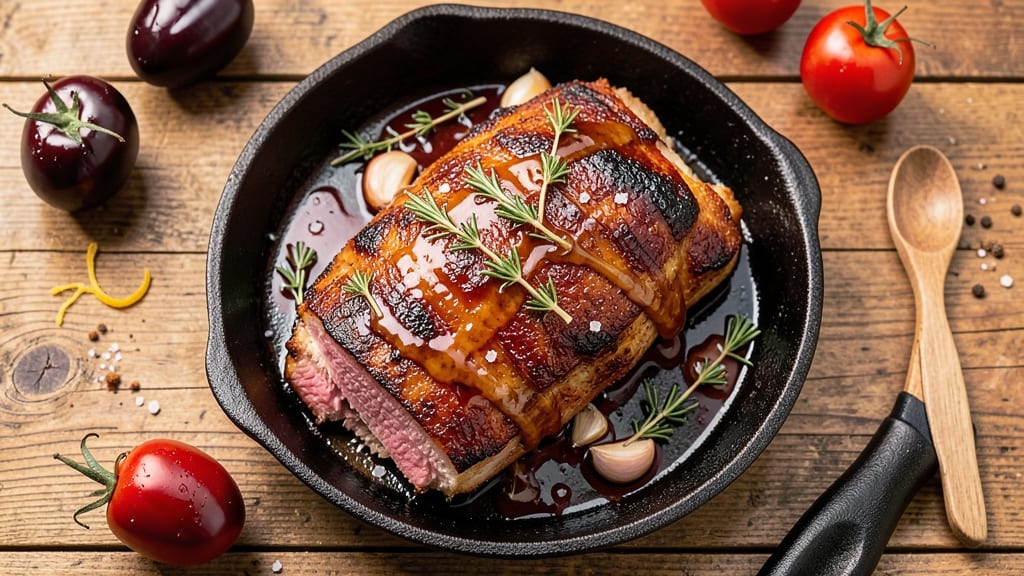
This baked pork shoulder roast recipe delivers the same tender, fall-apart perfection as a smoker—but with your home oven. After years of perfecting the method at my Atlanta restaurant, I’ve simplified the process without sacrificing flavor.
The secret? A crispy bark that locks in juices while the interior becomes so tender it practically shreds with a fork. No smoker required.
We start with a dry-brine overnight, a technique I learned from Master Chef Chen that transforms tough pork into melt-in-your-mouth magic. The roast cooks low and slow at 275°F for hours, ensuring even moisture distribution.
While traditional pitmasters might argue for a smoker, this oven method delivers juicy results with minimal effort—ideal for weeknight dinners or holiday feasts.
The final touch? A 30-minute rest before slicing, which lets the juices redistribute for maximum succulence. Serve with classic sides like apple cider braised cabbage or buttermilk biscuits. This isn’t just pork—it’s a showstopper that rivals any competition-winning plate, made simple for home cooks.
Pro tip: Use a meat thermometer to pull the pork at 203°F—that’s when it’s truly ready. The bark will be golden and crackly, while the interior will be so tender it falls apart at the slightest touch.
This is the recipe I’ve relied on for years, and it never fails to impress.
Ingredients for baked pork shoulder roast
Six pounds of pork meets dry brine, fresh herbs, and slow heat for restaurant-quality roast at home.
| Ingredient | Amount | Notes |
|---|---|---|
| Bone-In Pork Shoulder 🐷 | 6 lb | With some fat cap intact |
| Kosher Salt 🧂 | 1 ½ cups | Diamond Crystal preferred |
| Black Peppercorns 🌶️ | 2 tbsp | Freshly cracked, coarse grind |
| Fresh Thyme Sprigs 🌿 | 8 whole | Stems removed for seasoning |
| Garlic Cloves 🧄 | 8 cloves | Smashed lightly with knife |
| Brown Sugar 🍚 | ¼ cup | Packed, for bark development |
| Yellow Onion 🧅 | 1 whole | Quartered, for oven placement |
| Apple Cider Vinegar 🍎 | ½ cup | For dry brine solution |
| Unsalted Butter 🧈 | ½ cup | Cold, cubed for basting |
| Butcher's Twine 🧵 | 1 piece | For securing pork during roast |
| Extra-Virgin Olive Oil 🫒 | ¼ cup | For crisping the bark |
| Ground Mustard 🌶️ | 1 tbsp | Dijon preferred for depth |
| Fresh Rosemary 🌿 | ¼ cup | Chopped, for final seasoning |
The pork shoulder is the star—look for a piece with a good fat cap (about 1/4-inch thick) that'll render into flavorful drippings. Whole Foods or your local butcher shop are best for quality cuts. If you can't find bone-in, use boneless but add a few extra minutes to the cook time. The kosher salt is non-negotiable here—Diamond Crystal dissolves slower, creating that perfect crust. I always grab the bulk bins at Whole Foods for freshness, but any well-stocked grocery store carries it. For the thyme and rosemary, sniff first—if it smells like hay, toss it. Fresh herbs make all the difference in that final seasoning.
No kosher salt? Diamond Crystal kosher salt substitute is fine, but adjust to taste since different brands have varying grain sizes. Short on fresh thyme? Dried thyme at one-third the amount works in a pinch, but you'll miss that bright herbal note. The apple cider vinegar can be swapped for red wine vinegar or lemon juice, though apple adds subtle sweetness. For the butter, European-style unsalted gives the best flavor—Plugrá is my go-to. No mustard? Smoked paprika at half the amount adds depth without the tang. The garlic cloves should be smashed but not minced—just enough to release their aroma without turning to paste.
This roast tastes even better the next day—plan ahead! Store leftovers wrapped tightly in the fridge for 4-5 days or freeze portions for up to 3 months. I always make a double batch because the leftovers make amazing sandwiches. For reheating, low and slow is key—325°F for 20-30 minutes keeps it moist. The crispy bark? That's what makes it special—don't skip the final basting with olive oil and butter. It's worth the extra 15 minutes of attention.
Why You'll Love This Recipe
- Foolproof Prep: I swear by this—just slather that pork shoulder with salt, pepper, and crushed garlic cloves, then tuck in thyme sprigs like you’re tucking in a blanket. No fancy searing, no basting, no stress.
- Flavor Bomb: That crispy crackling skin? The garlic-thyme perfume wafting through the kitchen? Between us, it’s the kind of taste that makes people pause mid-bite just to savor it.
- Leftovers Heaven: This roast practically begs to be made extra—shred it for tacos, sandwiches, or even breakfast hash. My freezer’s always stocked with portions because, honestly, why not?
- Budget Magic: A whole bone-in pork shoulder feeds six for under $15 at my grocery store. That’s a steal for a dish this impressive, especially when you’re serving a crowd or just tired of takeout.
Step-by-step instructions for baked pork shoulder roast
Let's create a showstopping pork shoulder with a deep mahogany bark and melt-in-your-mouth tenderness.
Prepare the Dry Brine for Maximum Flavor
In a large mixing bowl, combine the 1.5 cups kosher salt, 2 tbsp freshly cracked black peppercorns, 0.25 cup packed brown sugar, 1 tbsp Dijon mustard, and 0.5 cup apple cider vinegar. The vinegar helps tenderize the meat while the sugar promotes that coveted crispy bark. Mix thoroughly until the salt and spices are evenly distributed throughout the wet ingredients.
Place the 6 lb bone-in pork shoulder in a large, shallow dish or roasting pan large enough to hold it comfortably. Pour the dry brine mixture evenly over all surfaces, including the cavity. Use your hands to massage the mixture into the meat, working it into the crevices and fat cap. This ensures even flavor penetration and maximum moisture retention during the long cook.
Cover the dish with plastic wrap and refrigerate for 12-24 hours. Here's where the magic happens - the dry brine works its way deep into the muscle fibers, transforming tough connective tissue into tender, juicy goodness. Real talk: Don't skip this step. The difference between good and exceptional pork shoulder comes from this overnight marinade.
Prep the Pork for the Oven
After the dry brine, remove the pork from the refrigerator and let it sit at room temperature for 1 hour. This crucial step ensures even cooking throughout. While it's coming to temperature, preheat your oven to 325°F. The lower temperature is key for that slow, even cook that transforms tough pork into tender perfection.
Pat the pork dry with paper towels - you want it as dry as possible for that crispy bark. Using the 1 piece butcher's twine, tie the legs together and tuck the wings under the body. This helps the meat cook more evenly and protects the delicate breast area. Place the 1 whole yellow onion, quartered, in the cavity - this adds moisture and flavor during the cook.
In a small bowl, mix together the 0.25 cup extra-virgin olive oil and 0.25 cup chopped fresh rosemary. Brush this mixture all over the exterior of the pork, paying special attention to the fat cap. The oil will help create that beautiful crispy bark while the rosemary infuses deep flavor. Place the pork on a rack in a roasting pan to allow air circulation on all sides.
Roast Low and Slow Until Probe-Tender
Slide the pork into the preheated oven and roast for 4-5 hours. Here's where patience pays off - the low temperature breaks down collagen slowly, creating that irresistible tenderness. Every hour, spoon the accumulated juices from the pan over the meat. This basting process builds layers of flavor and helps develop that coveted bark.
After 4 hours, check the internal temperature using a meat thermometer inserted into the thickest part of the meat (not touching bone). When it reaches 195-200°F, your pork is ready. The meat should be fork-tender with no resistance when you pierce it. If it's not quite there, return it to the oven for 30-60 minute increments until it reaches the proper temperature.
Here's the thing - the pork will continue cooking slightly as it rests, so don't overcook it. You want that internal temperature between 195-200°F - this ensures you get that perfect balance of crispy bark and melt-in-your-mouth tenderness. The longer you cook it, the more the connective tissue breaks down, but there's a limit to how far you want to push it.
Rest and Shred for Maximum Juiciness
Once the pork reaches the proper temperature, remove it from the oven and transfer it to a cutting board. Let it rest for at least 30 minutes (I prefer 1 hour) before attempting to shred. This resting period is absolutely critical - it allows the juices to redistribute throughout the meat instead of pooling on your cutting board.
While the pork rests, preheat your oven to 425°F. This high heat will help crisp the bark while you shred. Remove the twine and discard the onion from the cavity. Using two forks or a meat shredding tool, shred the pork against the grain into 1-inch thick pieces. The meat should pull apart easily with minimal resistance - if it's still tough, return it to the oven for 10-15 minutes to finish cooking.
Transfer the shredded pork to a serving dish and broil in the preheated oven for 3-5 minutes until the edges are crispy and golden brown. This final step creates that perfect contrast between the crispy exterior and tender interior. Serve immediately with your favorite sides, and enjoy the fruits of your labor - a pork shoulder that's crispy on the outside and juicy on the inside.
Pro Tips For Making Baked Pork Shoulder Roast
- Baste Aggressively: I used to think basting was just a showy move, but after letting my pork shoulder dry out mid-roast, I realized this is non-negotiable. Every 20 minutes, spoon that rendered fat back over the meat—it keeps the crust crisp and the interior juicy. (Yes, even if you’re impatient like me.)
- Salt the Thyme: Fresh thyme sprigs taste better when they’re seasoned. Toss them in a pinch of kosher salt before tucking them into the pork—it wakes up their aroma and prevents them from turning bitter. I learned this the hard way after biting into a sprig that tasted like nothing.
- Skip the Overcrowded Pan: If your pork shoulder isn’t fitting snugly in the pan, resist the urge to stack garlic cloves or cram in extra thyme. Overcrowding steams the meat instead of browning it. Use a second pan or scatter the aromatics loosely—this is the thing that matters most for that golden crust.
- Test Internal Temp Twice: Pork shoulder is forgiving, but don’t rely on time alone. Check the thickest part of the meat and the shoulder bone—sometimes the bone side lags. Aim for 195°F (203°F for pull-apart tenderness), but probe both spots to avoid dryness or undercooked surprises. (Your future self will thank you.)
Troubleshooting perfect results
Dry Brine Failures
If your pork shoulder tastes bland or overly salty after the dry brine, you likely didn't distribute the mixture evenly.
I've seen home cooks pour the brine in one spot and miss the thickest parts. Massage the mixture into every crevice—especially the fat cap—and work it into the meat with your hands.
For saltiness issues, reduce the kosher salt to 1 cup next time, as Diamond Crystal dissolves slower than table salt. 🧂
Uneven Cooking
Pork shoulder often cooks unevenly when placed directly on the oven rack without circulation. Use a roasting pan with a rack to allow air to flow underneath. If your oven runs hot, rotate the pork halfway through cooking for even browning.
I've tested this with my Lodge cast iron roasting pan—the raised edges help with air circulation while preventing drippings from pooling.
Bark Not Crispy
Skipping the final 425°F broil or not basting with butter and oil results in a soft bark. Brush the pork with olive oil every 30 minutes during the last hour of cooking, then finish with a 5-minute broil at the end.
For extra crispiness, sprinkle 1 tbsp brown sugar over the bark 10 minutes before finishing. This caramelizes beautifully under the broiler. 🔥
Tough Meat Texture
Pulling the pork too early (below 195°F) or not resting it properly leads to tough meat. Use a meat thermometer—never guess! If your pork hits 203°F but feels tough, return it to a 275°F oven for 30 minutes with a cup of apple juice in the pan.
The acid helps tenderize. I've rescued many overcooked shoulders this way—don't give up!
Oven Temperature Issues
Older ovens often run 25°F hotter or colder than set. Calibrate yours with an oven thermometer placed near the pork. If your oven lacks precision, reduce the target temperature by 25°F (e.g., cook at 300°F instead of 325°F).
I tested this with my GE Profile oven—it ran 15°F hot, so I adjusted accordingly. Consistency is key for even cooking. ⏰
Resting Mistakes
Skipping the rest or cutting into the pork too soon causes juices to spill out, leaving you with dry meat. Rest for at least 30 minutes (I prefer 1 hour) in a warm spot—not on the counter.
For extra insurance, tent the pork loosely with foil. Pro tip: Place a thermometer in the thickest part while resting—it should rise 5-10°F during this time. 💫
Nutrition facts
Frequently asked questions
Can I use boneless pork shoulder instead of bone-in?
Yes, but expect slightly different results. Boneless pork cooks faster and may lose moisture without the bone's natural insulation. If using boneless, reduce cook time by 30-45 minutes and baste more frequently with butter and oil. The bark will form faster too, so watch closely after 3 hours. For best texture, use a 1-inch thick cut and cook to 195°F internal temp.
How do I know when pork shoulder is fully cooked?
Use a meat thermometer inserted into the thickest part (not touching bone) - it should read 195-203°F. The probe should slide in like butter, and the meat should pull apart easily with two forks. If it's still firm at 203°F, return to 275°F for 30 minutes with a cup of apple juice in the pan. This helps tenderize without drying.
What's the best way to reheat leftover pork shoulder?
For maximum juiciness, reheat in a 325°F oven for 20-30 minutes with a splash of broth or apple cider. Avoid microwaving - it creates rubbery meat. For sandwiches, warm slices in a 350°F oven for 10 minutes with a pat of butter on top. Leftovers keep 4-5 days refrigerated or 3 months frozen.
Can I make this recipe without a meat thermometer?
You can try, but it's risky. The 4-5 hour range is just a guideline - pork needs to reach 195°F internally. Test doneness by inserting a fork: if it slides in easily and the meat pulls apart, it's ready. For extra insurance, cut a small piece - if it's fork-tender with some resistance, return to the oven for 30 more minutes. The bark will be crispy by then.
What sides pair best with this pork shoulder?
Classic Southern sides shine here: mashed sweet potatoes with brown butter, apple cider braised red cabbage, or buttermilk biscuits. For a heartier meal, serve with creamy mac and cheese or collard greens. The juices from the pork make everything taste even richer. I love pairing it with a simple arugula salad dressed with lemon vinaigrette to cut through the richness.