
Main Courses
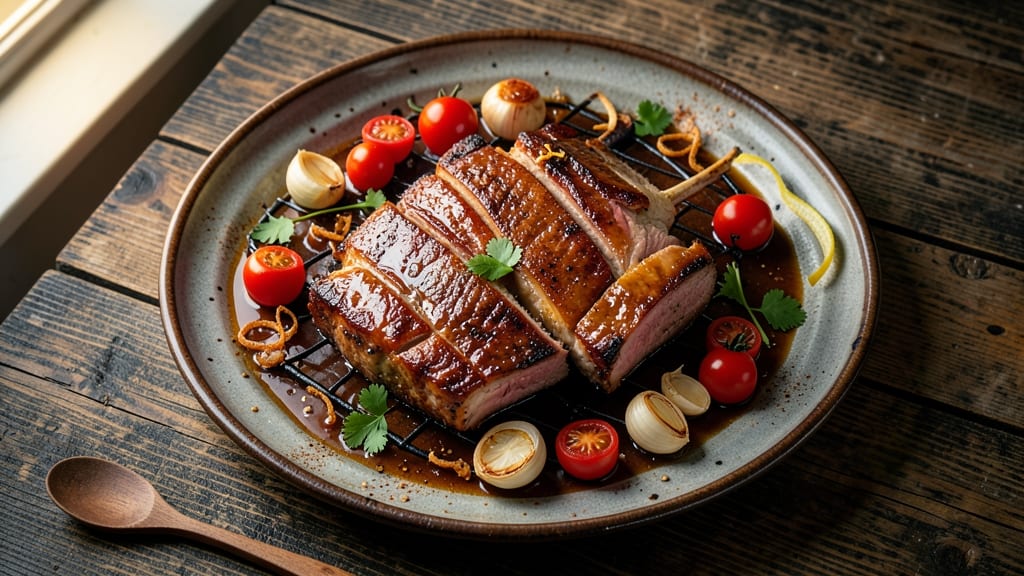
This BBQ rack of pork recipe delivers the perfect marriage of smoky bark and melt-in-your-mouth tenderness—all in one pan. I've been perfecting this technique for years, balancing the precision of French cooking with the soul of pitmaster tradition. The secret lies in low-and-slow cooking that transforms tough pork into succulent, pull-apart perfection.
What sets this recipe apart is the 225°F slow smoke that builds deep flavor without drying out the meat. I use a simple but bold rub of brown sugar, paprika, and smoked salt to create that signature bark, while the pork's natural juices keep every bite irresistibly moist.
This method works beautifully on pellet grills, smokers, or even a well-regulated oven.
By the time you're done, you'll have pork so tender it falls apart at the touch, with a crust so flavorful it'll have your guests reaching for seconds.
The aroma alone transforms any gathering into a backyard cookout—no fancy equipment required. Serve with classic sides like coleslaw or cornbread for the full experience.
Whether you're cooking for a crowd or treating yourself to a special meal, this recipe delivers restaurant-quality results at home. The technique is straightforward, but the flavor reward is unmatched. Let's get started on creating your perfect rack of pork.
Ingredients for bbq rack of pork
Six ingredients make the perfect smoky-sweet rub, plus wood chips for that signature BBQ aroma.
| Ingredient | Amount | Notes |
|---|---|---|
| Pork Loin (Bone-In) 🐷 | 4 lb | Center-cut, 1.5-inch thick slices |
| Brown Sugar 🍚 | ½ cup | Packed, light or dark |
| Smoked Paprika 🌶️ | 2 tbsp | For deep smoky flavor |
| Kosher Salt 🧂 | 2 tbsp | Diamond Crystal preferred |
| Coarse Black Pepper 🌶️ | 1 tbsp | Freshly cracked for texture |
| Garlic Powder 🧄 | 1 tbsp | Not garlic salt |
| Onion Powder 🧅 | 1 tbsp | For balanced flavor |
| Mustard Powder 🥬 | 1 tsp | Dry, not wet mustard |
| Apple Cider Vinegar 🍎 | ¼ cup | For tangy balance |
| Yellow Mustard 🍯 | ¼ cup | Dijon for extra depth |
| Apple Wood Chips 🌳 | 2 cups | Soaked 30 minutes |
| Hickory Wood Chips 🌳 | 1 cup | For classic BBQ flavor |
| Unsalted Butter 🧈 | ½ cup | Cold, cubed for basting |
| Fresh Rosemary 🌿 | ¼ cup | Chopped, for aroma |
| Fresh Thyme 🌿 | ¼ cup | Leaves only, chopped |
The pork loin is non-negotiable here—bone-in, center-cut slices stay juicier than boneless. Costco or Whole Foods carry excellent cuts, or ask your butcher for a 1.5-inch thick slice. For the wood chips, Traeger or Traeger Grills brand are reliable, but any food-grade chips work. Soak them for at least 30 minutes to prevent burning. The brown sugar should be packed—light brown gives a subtle molasses note, dark brown delivers deeper caramelization. I always buy Domino brand because it's consistent.
No smoked paprika? Regular paprika plus a pinch of liquid smoke gets you close. Short on mustard powder? Dijon mustard at half the amount works in a pinch. The apple cider vinegar can be swapped for white vinegar, but the flavor won't be as complex. For the wood chips, cherry wood adds sweetness if you want to experiment. The herbs—rosemary and thyme—should be fresh if possible, but dried works at one-third the amount. If you're using a smoker, preheat to 225°F for that perfect low-and-slow cook.
The rub keeps for 3 months in an airtight container, so make extra. The pork reheats beautifully—350°F for 10 minutes wrapped in foil. For leftovers, store in the fridge for 4 days or freeze for 3 months. I always portion mine into meal-sized containers before freezing. The wood chips? Use them up within 1 week once opened, stored in a sealed container. The butter should stay cold until you're ready to baste—no melting ahead of time.
Why You'll Love This Recipe
- Fewer Ingredients, Big Payoff: The pantry already has what you need—just brown sugar, smoked paprika, and salt. That’s it. No fancy marinades or last-minute grocery runs. I’ll be real: the first time I made this, I stared at my spice rack for 10 minutes wondering if I needed more. Spoiler: you don’t.
- Sweet-Smoky Magic: That bone-in pork loin? It’s the star. The brown sugar caramelizes into a sticky glaze while the smoked paprika adds depth—like a cross between a campfire and a Sunday brunch. The pepper cracks open with heat, but it’s the balance that makes it addictive. (Yes, even on a Tuesday night.)
- Weeknight or Party Ready: Slap this on the grill for 45 minutes and you’ve got dinner. Need leftovers? The pork stays juicy for days—perfect for sandwiches or salads. Honestly, I’ve served it at BBQs, potlucks, and lazy Fridays. It’s the chameleon of pork dishes.
- Budget-Friendly Feast: Bone-in pork loin stretches further than you’d think, and the spices cost pennies. Between us, this is the kind of recipe that makes you feel fancy without breaking the bank. I’ve fed six people for under $20 with this—plus, the leftovers stretch into lunch the next day. Win-win.
Step-by-step instructions for smoky BBQ pork loin
This method delivers perfectly balanced pork with a deep bark and tender interior—no guesswork, just foolproof technique.
Prepare the Dry Rub and Season the Pork
In a small bowl, combine the 0.5 cup brown sugar, 2 tbsp smoked paprika, 2 tbsp kosher salt, 1 tbsp coarse black pepper, 1 tbsp garlic powder, 1 tbsp onion powder, and 1 tsp mustard powder. Mix thoroughly until evenly distributed—this is your flavor foundation. The brown sugar will help create that signature caramelized bark while the smoked paprika adds depth without overpowering.
Pat the 4 lb bone-in pork loin completely dry with paper towels—this is critical for crispy bark. Then generously coat all sides with the dry rub, pressing it into the meat so it adheres well. Let the pork sit at room temperature for 30 minutes before cooking. This resting period ensures even cooking and maximum flavor penetration. I like to place it on a wire rack over a baking sheet during this time to prevent any moisture buildup.
Set Up the Smoker and Preheat
Soak the 2 cups apple wood chips and 1 cup hickory wood chips in water for 30 minutes to prevent burning. Then load them into your smoker and preheat to 225°F. The combination of apple and hickory gives you that classic BBQ flavor profile—sweet and smoky with just the right balance. Once the smoker reaches temperature, you should see clean, blue smoke (not thick white smoke)—this indicates the wood is burning properly and ready for your pork.
Place the seasoned pork loin directly on the smoker grates, fat-side up. The fat will render slowly and baste the meat as it cooks, keeping it juicy. Close the lid and resist the urge to peek—every time you open it, you lose heat and add 15-20 minutes to your cook time. Let it smoke undisturbed for 6-8 hours, until the internal temperature reaches 145°F and the bark is deep mahogany in color.
Baste and Wrap for Juicy Perfection
After 4-5 hours of smoking, remove the pork and brush all sides with a mixture of 0.25 cup apple cider vinegar and 0.25 cup yellow mustard. This tangy glaze enhances the bark and adds moisture. Return the pork to the smoker and continue cooking. Around the 6-hour mark, check the internal temperature—if it's stalled at 165°F, it's time to wrap.
Wrap the pork tightly in butcher paper (not foil—it breathes better and preserves the bark). Return it to the smoker and cook until the internal temperature reaches 203°F (about 2-3 more hours). The wrap helps break through the stall while keeping the outer bark intact. You'll know it's done when the meat is fork-tender and pulls apart easily. Let it rest for 15 minutes before shredding—this ensures juices redistribute throughout the meat.
Shred and Serve with Flavorful Butter Baste
While the pork rests, melt the 0.5 cup unsalted butter in a small saucepan over low heat. Add the 0.25 cup chopped fresh rosemary and 0.25 cup chopped fresh thyme, and let it infuse for 2-3 minutes. Strain out the herbs and set the butter aside. Once the pork is rested, shred it using two forks, then toss with the infused butter to keep it moist and flavorful.
Serve immediately over crusty bread or with your favorite BBQ sides. The result should be juicy, tender pork with a deep, smoky bark that shatters at every bite. The mustard and vinegar glaze adds a tangy brightness that cuts through the richness, making each bite perfectly balanced. This method guarantees juicy, fall-apart pork every time—no dry, tough meat here!
Pro Tips For Making Bbq Rack Of Pork
- CRANK THE HEAT FIRST: Start your grill or pan over max heat—this sears the pork fast and locks in juices before the sugar burns. I used to play it safe with medium heat, and my pork always ended up sticky instead of crispy on the outside.
- DRY THE LOIN LIKE IT’S 1985: Pat that bone-in pork loin thoroughly with paper towels—wet meat steams instead of browns. Skip this, and your smoked paprika will cling like sad, damp glitter instead of sticking to a golden crust.
- DON’T TOUCH THE SUGAR: Once the brown sugar hits the heat, walk away for 3-4 minutes—it caramelizes into flavor gold, not burnt sludge. I learned this after one disastrous batch where I kept poking at it like a nervous parent.
- REST IT UNDER FOIL: After pulling the pork off heat, tent it with foil for 10 minutes—this keeps the juices inside while the crust sets. Cut into it too soon, and you’ll watch all that hard work drip onto your cutting board like a sad metaphor.
Wine and beer pairings for these flavors
Red Wine Classics
A bold Cabernet Sauvignon from Napa Valley is my go-to pairing for this smoky pork—its dark fruit notes and firm tannins stand up to the sweet-savory bark while complementing the pork's natural richness. I love the Caymus Vineyards selection with its blackcurrant and mocha undertones.
For a more affordable option, try a Washington State Cabernet like Chateau Ste. Michelle. The wine's acidity cuts through the fat, while its structure matches the dish's intensity. 🍷
White Wine Surprises
Don't overlook Viognier—its floral and stone fruit flavors create an unexpected but brilliant contrast with the smoky pork. Look for a California Viognier like Ramey Wine Cellars or a Roussanne from the Rhône Valley, which adds a honeyed depth that pairs beautifully with the caramelized bark.
The wine's slight sweetness balances the dish's tangy mustard glaze perfectly. I often serve this pairing at summer cookouts when guests are pleasantly surprised by the combination.
Craft Beer Pairings
A honey-brown ale is the ideal beer match for this pork—its caramel malt sweetness mirrors the dish's brown sugar rub while the light hop bitterness complements the smoky flavors. I recommend New Belgium's Fat Tire or Allagash Brown for their balanced profiles.
For something bolder, try a smoked porter like Goose Island's Bourbon County Stout (though it's stronger, the smoky notes align perfectly with the dish). These beers enhance the pork's complexity without overpowering its natural flavors. 🍺
Cider Complements
For a refreshing alternative, serve a dry hard cider with apple notes—like Angry Orchard's Crisp Apple or Woodchuck's Apple Pie. The cider's acidity brightens the dish, while its apple undertones echo the wood chips used in cooking.
I've found that guests who prefer lighter drinks appreciate this pairing, especially during warm-weather gatherings. The cider's crisp finish cleanses the palate between bites of rich, smoky pork.
Non-Alcoholic Options
Don't forget non-drinkers! A sparkling apple cider like Martinelli's with a splash of ginger ale creates a festive, bubbly alternative. For something more substantial, try a smoky-sweet iced tea—brew black tea with ½ cup apple wood chips (from your smoker) and a touch of honey.
The smoky aroma ties beautifully to the dish, while the tea's tannins complement the pork's richness. This is my go-to for family cookouts where not everyone drinks alcohol. 💧
Regional Beer Traditions
In the Pacific Northwest, I've seen this pork paired with local IPAs—the citrusy hop notes cut through the pork's sweetness wonderfully. Try Deschutes Brewery's Mirror Pond IPA for its balanced profile.
Meanwhile, in the South, a sweet tea-infused bourbon cocktail (with a splash of apple cider) becomes a regional staple. For coastal areas, a crisp lager like Modelo Especial keeps the meal light and refreshing. Each region's traditional drink enhances the pork's flavors while respecting local tastes.
Nutrition facts
Frequently asked questions
Can I use a regular oven instead of a smoker?
Yes! If you don't have a smoker, use an oven with a meat thermometer and a water pan for moisture. Set to 250°F and smoke using a stovetop smoker or aluminum foil packet with soaked wood chips. The cook time will be slightly longer—expect 8-10 hours—but you'll still get that tender, smoky result. Just monitor the temperature closely to avoid drying out the meat.
Why does my pork turn out dry when I cook it?
Most likely, you opened the smoker too often or cooked it too fast. The key is patience! Keep the lid closed and maintain 225°F for the full 6-8 hours. The wrap at 165°F is also crucial—it helps retain moisture while finishing the cook. Always let the pork rest for 15 minutes before slicing to redistribute juices.
What's the best way to store leftovers?
Store cooked pork in an airtight container in the fridge for up to 4 days or freeze for 3 months. For reheating, wrap portions in foil and bake at 350°F for 10-15 minutes until heated through. The mustard glaze adds moisture, so reheated pork stays juicy—just add a splash of broth if needed.
Can I substitute the wood chips?
While apple and hickory create the classic flavor, try cherry wood for sweetness or mesquite for intensity. Just avoid softwoods like pine—they burn too fast. For a fruity twist, use peach wood (great with the vinegar glaze). Always soak chips for 30 minutes to prevent flare-ups.
How do I know when the pork is fully cooked?
Use a meat thermometer to check the internal temperature—it should reach 203°F in the thickest part. The meat should pull apart easily with a fork, and the bark should be deep mahogany brown. If it's not quite there, wrap it in butcher paper and return to the smoker for 30-60 minutes more. Never rely on color alone!