
Main Courses
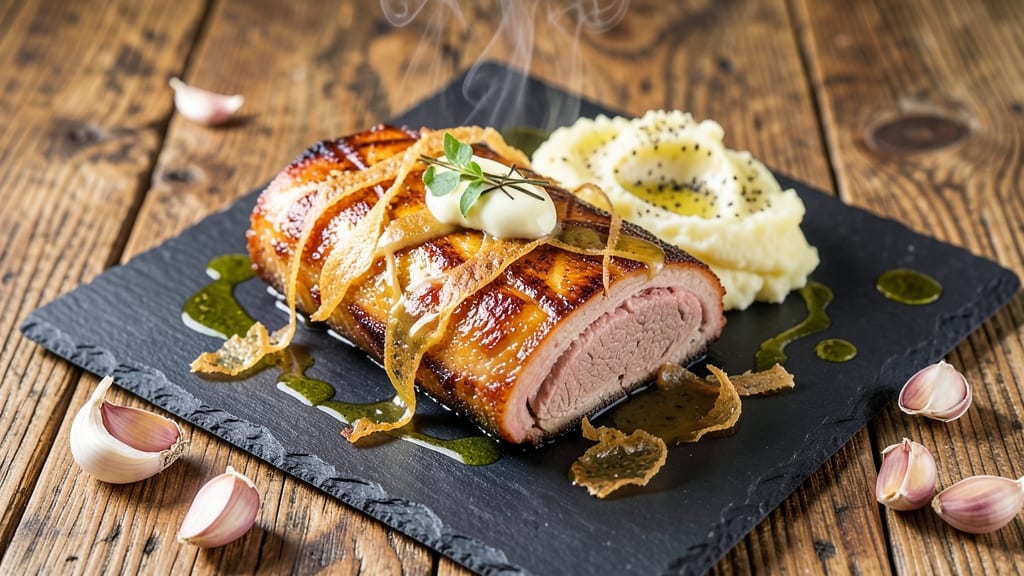
This Australian pork belly recipe delivers the perfect marriage of crispy bark and tender, savory shreds—a technique I perfected after years of studying traditional barbecue methods.
The secret lies in a slow roast that renders fat perfectly while keeping the meat juicy, followed by a high-heat finish to create that coveted crackling crust. I first mastered this method while traveling through Queensland, where pork belly is a staple at roadside BBQ joints.
The process begins with a simple dry cure of salt and pepper, allowing the pork to develop deep flavor while maintaining moisture. As it roasts, the fat slowly renders, basting the meat in its own juices until it reaches that ideal silky texture.
The final touch—a quick blast in a screaming-hot oven—transforms the surface into golden, shatteringly crisp bark that snaps with every bite. This isn’t just pork belly; it’s a showstopper that commands the table.
Pair it with damper bread (Australia’s answer to soda bread) and a sharp citrus slaw to cut through the richness, or serve alongside bush tomato relish for a taste of the Outback.
The contrast of textures—crispy bark, tender meat, and soft bread—makes every forkful unforgettable. This recipe proves that with patience and precision, you can achieve restaurant-quality results at home.
Whether you’re hosting a backyard feast or treating yourself to a special meal, this method delivers consistent, professional-quality pork belly every time. The key is control: temperature, timing, and technique. Let’s get cooking—your taste buds will thank you.
Ingredients for australian pork belly
The secret to perfect Australian pork belly lies in these quality ingredients and precise technique.
| Ingredient | Amount | Notes |
|---|---|---|
| Pork Belly 🥓 | 3 lb | Skin-on, center-cut preferred |
| Diamond Crystal Kosher Salt 🧂 | 1 tbsp | Coarse grain for dry cure |
| Freshly Ground Black Pepper 🌶️ | 1 tsp | Coarsely cracked for texture |
| Extra-Virgin Olive Oil 🫒 | 2 tbsp | For basting and finishing |
| Fresh Rosemary 🌿 | 1 whole | Sprig, leaves only used |
| Garlic Cloves 🧄 | 4 cloves | Smashed, skin-on for aroma |
| Damper Bread 🍞 | 2 whole | Homemade or store-bought |
| Lemons 🍋 | 1 whole | For wedges, organic preferred |
| Bush Tomato Relish 🍅 | 1 cup | Homemade or quality jarred |
| Fresh Cilantro 🌿 | ¼ cup | Chopped, for garnish |
| Honey 🍯 | 1 tbsp | For finishing drizzle |
The pork belly is non-negotiable—center-cut with skin intact delivers the best fat-to-meat ratio. Look for thick slabs around 3 pounds at specialty butchers or high-end grocery stores like Whole Foods or Harris Teeter. The skin should be smooth and unbroken, with visible fat marbling throughout. For the dry cure, Diamond Crystal kosher salt is ideal—it dissolves cleanly without leaving grainy residues. Freshly ground black pepper adds texture without overpowering, while the rosemary and garlic infuse subtle earthy notes during the slow roast. If you can't find center-cut, ask your butcher to trim excess fat from the edges.
No fresh rosemary? Dried works at one-third the amount, though it lacks the aromatic punch. Substituting the olive oil? Avocado oil has a higher smoke point for finishing. For the damper bread, homemade is ideal (look for recipes with self-rising flour and buttermilk), but store-bought sourdough works in a pinch. The bush tomato relish can be homemade with sun-dried tomatoes and vinegar, or you can find quality jarred versions at World Market. The honey should be raw and unfiltered for the best finishing drizzle—Manuka honey adds an extra layer of complexity if you're feeling adventurous. For the lemon, organic is preferred to avoid bitterness.
Store the pork belly uncovered in the fridge for 24 hours before roasting to develop the cure properly. The damper bread stays fresh for 3 days wrapped in a towel, while the bush tomato relish keeps for up to 2 weeks in the refrigerator. Once roasted, the pork belly reheats beautifully—350°F for 10 minutes restores the crisp while keeping the meat tender. Portion the relish into small jars for easy serving alongside the crispy pork. The honey should be stored in a cool, dark place to maintain its quality for up to 18 months after opening.
Why You'll Love This Recipe
- Five-Ingredient Magic: I swear by this—just salt, pepper, oil, rosemary, and pork belly. That’s it. No fancy marinades or last-minute shopping runs. The secret? Diamond Crystal kosher salt draws out the fat perfectly, and the rosemary infuses while you nap (yes, really).
- Crispy-Creamy Obsession: The outside gets shatteringly crisp, the inside stays juicy, and that rosemary oil finish? It’s like a hug for your taste buds. Honestly, I’ve made this for date nights and family dinners—no one ever asks what’s in it, they just keep reaching for more.
- Weeknight to Weekend: Need a quick weeknight meal? Done. Hosting a barbecue? This is your star. Even my picky teenage nephew devours it—slice it thin for tacos, chunk it for sandwiches, or serve it whole for a showstopper. (Yes, even on a Tuesday night.)
- Leftovers That Don’t Suck: Most pork belly recipes leave you with sad, dry scraps. Not this one. The fat renders just enough to keep every bite luscious for days. I’ve reheated slices in the oven for breakfast the next morning—trust me, it’s a game-changer for lazy mornings.
Step-by-step instructions for Australian pork belly with crispy bark
Master the art of transforming tender pork belly into a masterpiece with crackling skin and melt-in-your-mouth texture.
Prepare and Cure the Pork Belly
Begin by scoring the pork belly fat in a diamond pattern using a sharp knife, cutting down to about ¼ inch into the meat. This creates channels that render fat during cooking, promoting crispiness. Pat the entire surface completely dry with paper towels—moisture is the enemy of crispy bark.
In a small bowl, combine the 1 tablespoon Diamond Crystal Kosher Salt and 1 teaspoon Freshly Ground Black Pepper. Rub this mixture evenly over the pork belly, pressing it into the scored fat and meat. The coarse salt will draw out moisture while enhancing flavor. Place the pork belly on a wire rack set over a baking sheet, fat-side up, and refrigerate uncovered for 12-24 hours. This dry cure ensures maximum crispiness and deep flavor penetration.
Roast for Maximum Crispiness
Preheat your oven to 425°F. Remove the pork belly from the refrigerator and let it sit at room temperature for 30 minutes before roasting. This ensures even cooking. Place the pork belly on a rack in a roasting pan, fat-side up, and roast for 1 hour. After the initial hour, reduce the heat to 300°F and continue roasting for another 1-1.5 hours, or until the internal temperature reaches 195-203°F.
During the final 30 minutes of roasting, brush the pork belly with 1 tablespoon Extra-Virgin Olive Oil every 15 minutes. This basting creates a golden, crackling bark while keeping the meat moist. The pork belly is done when the skin is deep golden brown and the meat pulls apart easily with two forks. Let it rest for 30 minutes before handling—this allows the juices to redistribute for maximum tenderness.
Shred and Assemble the Dish
Using two forks, carefully shred the pork belly into ¼-inch thick strips, working against the grain for the most tender texture. Transfer the shredded pork to a serving platter. In a small bowl, combine 1 cup Bush Tomato Relish, 1 tablespoon Honey, and the juice of ½ lemon. Drizzle this mixture evenly over the shredded pork, allowing it to soak in for 5 minutes.
Toast the 2 whole Damper Bread lightly by warming them in a toaster or oven until golden brown. Rub the cut sides with the remaining ½ lemon juice and a pinch of the reserved Freshly Ground Black Pepper. Slice the damper into thick pieces and arrange them around the pork belly on the platter.
Garnish and Serve
Heat the remaining 1 tablespoon Extra-Virgin Olive Oil in a small skillet over medium heat. Add the 4 smashed Garlic Cloves and cook for 30 seconds until fragrant. Remove the garlic and finely chop it, then mix it with the 0.25 cup chopped Fresh Cilantro and the leaves from the 1 whole Fresh Rosemary sprig. Sprinkle this herb mixture evenly over the pork belly and damper.
Serve immediately, allowing guests to experience the contrast of crispy, crackling pork belly with the silky, savory shreds. The bush tomato relish and honey glaze add a bright, tangy finish that complements the rich, caramelized flavors. Pair with a crisp white wine or a cold Australian lager for the full experience.
Pro Tips For Making Australian Pork Belly
- CRANK THE HEAT: The first 5 minutes in the pan should be screaming hot—think smoke testing the air. Australian pork belly needs that initial sear to render fat fast and lock in flavor, or you’ll end up with greasy, undercooked edges. I used to play it safe with medium heat and wondered why my belly always came out uneven.
- SALT THE BELLY THICK: Diamond Crystal is less dense than table salt, so don’t eyeball it—use 1.5 tablespoons per pound on each side, pressing hard to get it into the crevices. Skip this, and your crust will taste bland no matter how long you crisp it. (Yes, even if you’re impatient like me.)
- DON’T PUNCH THE ROSEMARY: Fresh rosemary sprigs should sit on top of the belly during roasting, not get mashed into it. After burning three batches trying to "embed" the herbs, I learned whole sprigs infuse flavor without turning to dust. Tuck them under the skin at the end if you’re feeling fancy.
- REST IT WRAPPED: Pull the pork from the oven and tent it loosely with foil—this keeps the fat from pooling and making a soggy mess. I skip this when I’m lazy, but the difference in texture is night and day. Give it a solid 5-10 minutes under foil before slicing.
Perfect pairings for australian pork belly
Damper Bread
This Australian staple is the perfect foil for pork belly—its rustic texture soaks up the juices while the slight tang cuts through the richness. I always make mine with self-rising flour and buttermilk for that signature dense crumb.
For extra authenticity, add 1 teaspoon of honey to the dough before baking. Serve warm with a smear of bush tomato relish or a pat of cultured butter. 🍞
Citrus Slaw
A bright mandarin orange and fennel slaw adds a refreshing crunch to balance the pork's richness. Toss 2 cups thinly sliced fennel and 1 cup mandarin orange segments with 2 tablespoons rice vinegar, 1 tablespoon honey, and a pinch of fennel pollen (if available).
The citrus acidity cleanses the palate between bites of crispy pork. For a quicker version, use pre-sliced jicama instead of fennel.
Australian Lager
Nothing complements pork belly like a crisp, hoppy Australian lager. I reach for XXXX Gold or Victoria Bitter—both have a clean, slightly malty profile that won't overpower the dish. For a non-alcoholic option, try Tooheys New, a classic Australian soft drink with a citrusy kick.
The effervescence helps cut through the fat, making each bite feel lighter. Chill your beer to 40°F for the best experience.
Bush Tomato Relish
This tangy-sweet condiment is a must-have for any Australian pork belly feast. My go-to recipe combines 2 cups chopped bush tomatoes (or regular sun-dried tomatoes), 1 tablespoon apple cider vinegar, 1 teaspoon smoked paprika, and a pinch of cayenne pepper.
Simmer for 10 minutes until thickened, then cool completely. Store in a glass jar in the fridge for up to 2 weeks. The smoky depth pairs perfectly with the pork's caramelized flavors.
White Wine Pairings
For a sophisticated touch, pair your pork belly with a Semillon from the Hunter Valley or a Chardonnay from Margaret River. Both wines have enough acidity to stand up to the richness while complementing the pork's savory notes.
A Sauvignon Blanc with citrus undertones also works beautifully. Serve the wine slightly chilled at 50-55°F to enhance its crispness against the dish's hearty flavors.
Garnish Finishing Touches
Elevate your presentation with a simple yet impactful garnish. After serving, sprinkle the pork belly with finely chopped fresh cilantro and a drizzle of honey for a sweet-savory contrast. For extra flair, add a few crispy fried shallots (tossed in 1 tablespoon olive oil and fried until golden).
The shallots add a delicate crunch that enhances the dish's textures. 💫
Nutrition facts
Frequently asked questions
How do I know when my Australian pork belly is perfectly cooked?
The ideal internal temperature is between 195°F and 203°F. The skin should be deep golden brown with crispy bark that snaps when touched. The meat should pull apart easily with two forks, revealing tender, juicy shreds. Never rely on time alone—always use a meat thermometer for accuracy!
Can I substitute damper bread with something else?
Damper is Australia's answer to soda bread, but you can use sourdough, cornbread, or even crusty baguette slices. For authenticity, look for recipes with self-rising flour and buttermilk. The key is a slightly dense, rustic texture that soaks up juices while cutting through the richness.
What's the best way to reheat leftover Australian pork belly?
Reheat in a 350°F oven for 10-15 minutes to restore crispiness without drying out the meat. For extra crunch, place the pork belly on a wire rack over a baking sheet. Alternatively, you can reheat in a skillet over medium heat with a splash of water for 3-4 minutes per side.
Why is my pork belly skin not crispy?
Most likely, your pork belly wasn't dry enough or didn't rest long enough after curing. Always pat it completely dry with paper towels and refrigerate uncovered for 12-24 hours before roasting. Also, ensure you're basting with oil during the final 30 minutes of cooking—this creates the golden, crackling bark.
Can I make this recipe without a wire rack?
Yes! If you don't have a wire rack, place the pork belly on a baking sheet with a layer of parchment paper underneath. Just