
Main Courses
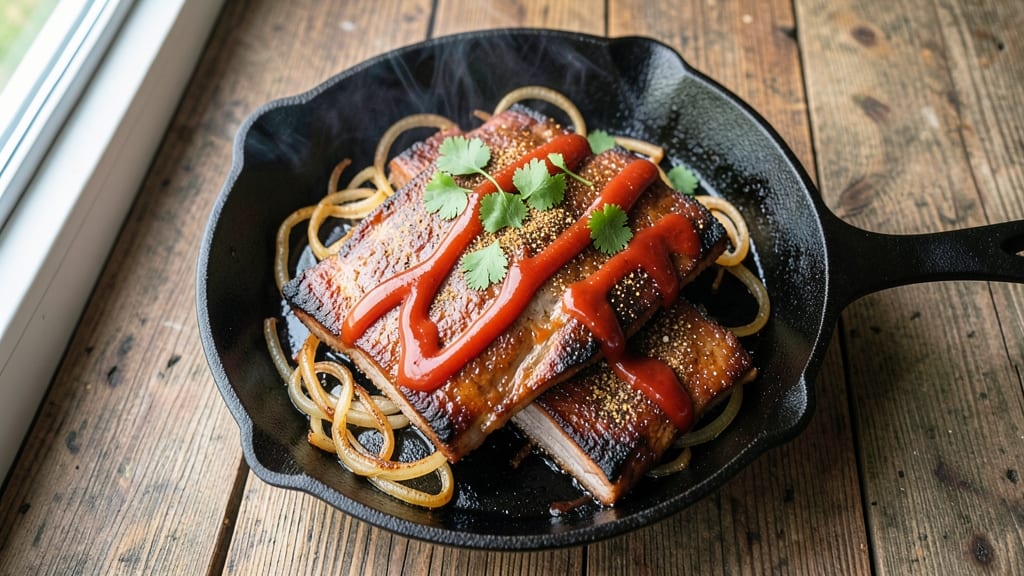
This BBQ pork spareribs recipe delivers the kind of fall-off-the-bone tenderness and smoky-sweet glaze that makes every bite worth the wait. I perfected it after years of experimenting with rubs and cooking methods, blending my French technique training with the soul of American pitmaster tradition.
The secret? A slow cook that builds bark while keeping the meat tender, finished with a glaze that's sticky, sweet, and just spicy enough to linger.
What sets these spareribs apart is the 3-2-1 method—three hours of smoking, two hours of wrapping in foil, and one hour of open flame to develop that perfect crust. The rub I use is a mix of brown sugar, paprika, and smoked paprika, which caramelizes beautifully while adding depth.
This isn't just another BBQ recipe; it's a restaurant-quality dish that transforms a simple cut of pork into something unforgettable.
The result is ribs that are crispy on the outside, tender on the inside, and coated in a glaze that's sweet, tangy, and just slightly spicy. The bark is thick enough to hold up to every bite, while the meat underneath melts like butter.
This is the kind of dish that turns weeknight dinners into special occasions, and the aroma alone will have everyone gathering around the table.
Serve these spareribs with classic sides like creamy coleslaw or buttery cornbread to soak up every last drop of that smoky glaze. The leftovers? Even better the next day, if you can resist eating them all at once. Let's get cooking—your taste buds will thank you.
Ingredients for bbq pork spareribs
Six ingredients for the rub, six for the glaze, plus the star: pork spareribs that melt in your mouth.
| Ingredient | Amount | Notes |
|---|---|---|
| Pork Spareribs 🍖 | 4 lb | Bone-in, trimmed of excess fat |
| Brown Sugar 🍚 | ½ cup | Packed, light or dark |
| Smoked Paprika 🌶️ | 2 tbsp | For deep smoky flavor |
| Paprika 🌶️ | 1 tbsp | Sweet or hot variety |
| Kosher Salt 🧂 | 1 ½ tbsp | Diamond Crystal preferred |
| Black Pepper 🌶️ | 1 tsp | Freshly ground preferred |
| Garlic Powder 🧄 | 1 tsp | Freshly ground if possible |
| Onion Powder 🧅 | 1 tsp | For depth of flavor |
| Yellow Mustard 🍯 | 2 tbsp | For glaze adhesion |
| Apple Cider Vinegar 🍎 | ¼ cup | For tangy balance |
| Honey 🍯 | ½ cup | Wildflower preferred |
| Worcestershire Sauce 🧂 | 2 tbsp | Vegetarian if needed |
| Wood Chips 🌳 | 2 cups | Hickory or apple preferred |
| Aluminum Foil 📄 | 1 sheet | Heavy-duty preferred |
The spareribs are non-negotiable—bone-in is key for that fall-off-the-bone texture. Costco or your local butcher will have them pre-cut, but if you're buying a whole packer, trim the membrane off first (it's that silvery skin on the bone side). Look for ribs with good marbling—they'll stay juicier during the long cook. I always grab hickory wood chips for that classic BBQ smoke, but apple works too if you want something fruitier. The rub ingredients? Brown sugar is the secret to that caramelized bark, so don't skimp—pack it tightly into the cup.
No smoked paprika? Regular paprika plus a pinch of liquid smoke gets you close, though nothing beats the real thing. The glaze needs that apple cider vinegar for tang—substitute lemon juice in a pinch, but it won't be quite the same. Vegetarian Worcestershire is a must if you're avoiding anchovies, and trust me, it's just as good. For the honey, clover works too, but wildflower has more complexity. The mustard might seem odd, but it helps the glaze stick to the ribs like glue. If you're short on time, pre-mix the dry rub and store it in an airtight container—it keeps for months.
These ribs are a 3-day project—plan ahead. The dry rub can sit on the ribs in the fridge overnight (covered), and the glaze keeps for 1 week in the fridge. Wrapped ribs reheat beautifully—just warm them in their foil packet in the oven at 300°F for 20 minutes. Leftovers? Even better the next day—the flavors meld and deepen. I always make extra glaze to drizzle on cornbread or toss with coleslaw. Store ribs in the fridge for 4 days or freeze for 3 months—just thaw overnight in the fridge before reheating.
Why You'll Love This Recipe
- One-Pan Magic: I swear by this for lazy Sundays—just ribs, spices, and a sheet pan. No fancy equipment, no stress, and that sticky-sweet caramel from the brown sugar does all the work while you sip your coffee.
- Smoky-Sweet Obsession: The smoked paprika and kosher salt give these ribs a deep, smoky backbone, while the brown sugar melts into a glossy crust that’s dangerously hard to stop eating. (Yes, I’ve been known to finish the whole tray.)
- Tailgate or Tuesday: These ribs work for game day crowds or a solo night in—just adjust the batch size. My college roommate still texts me for the recipe when his team’s playing, but I also make half a rack for my own "meat and potatoes" dinners.
- Budget Feast: A pound of spareribs feeds four (or two very hungry people), and the spices cost pennies. Leftovers? Even better—they reheat like a dream, and the flavor only gets richer overnight. (I’ve lived off them for three days straight.)
Step-by-step instructions for BBQ pork spareribs
Here's how to transform tough pork ribs into tender, fall-apart perfection with that perfect smoky-sweet glaze.
Prepare the Dry Rub and Prep the Ribs
In a medium bowl, combine the 0.5 cup brown sugar, 2 tablespoons smoked paprika, 1 tablespoon paprika, 1.5 tablespoons kosher salt, 1 teaspoon black pepper, 1 teaspoon garlic powder, and 1 teaspoon onion powder. Mix thoroughly until all the spices are evenly coated with the sugar. This creates a balanced blend of smoky, sweet, and savory flavors that will cling beautifully to the ribs.
While the rub is mixing, rinse the 4 lb pork spareribs under cold water and pat them completely dry with paper towels. This step is crucial—any moisture on the ribs will prevent the rub from sticking properly. Once dry, place the ribs on a large baking sheet or tray, bone-side up. Using your hands, generously coat each rib with the dry rub, pressing it into the meat so it adheres well. This ensures maximum flavor penetration and a perfect crust during cooking. Let the ribs sit at room temperature for 30 minutes before smoking to help the rub cling even better.
Set Up the Smoker and Cook Low and Slow
Fill your smoker with the 2 cups wood chips (hickory or apple work best) and preheat to 225°F. I like to use a water pan in the smoker to help maintain moisture and prevent the ribs from drying out during the long cook. Once the smoker reaches the target temperature and you see clean, blue smoke (not thick white smoke), you're ready to start cooking.
Place the ribs bone-side down on the smoker grates. This position allows the meat to cook evenly and helps render the fat. Close the lid and resist the urge to peek—every time you open the lid, you lose heat and extend the cooking time. Smoke the ribs for 2.5 to 3 hours, or until the internal temperature reaches 190-195°F. At this point, the ribs should be tender enough to pull apart easily with tongs, but they'll still need a bit more time to develop that perfect bark and absorb the glaze.
Wrap and Finish the Ribs
Once the ribs reach 190-195°F, it's time to wrap them in foil. This technique, known as the "Texas crutch," helps break down the collagen and tenderize the meat while maintaining that beautiful bark. Tear off a large piece of the 1 sheet aluminum foil and place the ribs on it, bone-side up. Drizzle the ribs with 2 tablespoons yellow mustard, which acts as a binder for the glaze and adds a subtle tangy flavor.
Mix together 0.25 cup apple cider vinegar, 0.5 cup honey, and 2 tablespoons Worcestershire sauce in a small bowl. Pour this mixture evenly over the ribs, making sure it coats all surfaces. Fold the foil tightly around the ribs, sealing them completely to trap the steam. Return the wrapped ribs to the smoker and continue cooking for another 1 to 1.5 hours, or until the internal temperature reaches 203°F. This final stage ensures the ribs are fork-tender and fully infused with the sweet and tangy glaze.
Glaze and Serve
Remove the ribs from the smoker and carefully open the foil. The ribs should be glistening and coated with a sticky, caramelized glaze. To enhance the bark, place the ribs back on the smoker grates, bone-side up, and smoke them uncovered for 15 to 20 minutes at 250°F. This step caramelizes the glaze and gives the ribs that beautiful, glossy finish.
Once the ribs are fully glazed and the bark is deep and shiny, transfer them to a cutting board and let them rest for 10 minutes before serving. This resting period allows the juices to redistribute, ensuring each bite is moist and flavorful. Cut the ribs between the bones and serve with extra glaze drizzled on top. These ribs are perfect for feeding a crowd—each serving delivers that perfect balance of smoky, sweet, and tangy flavors with a satisfying crunch from the bark.
Pro Tips For Making Bbq Pork Spareribs
- Trim the Fat First: I learned this the hard way—skipping the fat trim means uneven cooking and a greasy mess. Use kitchen shears to cut along the bone, removing the thick silver skin and any excess fat. The ribs will brown better and absorb that smoked paprika crust like a dream.
- Start Hot, Then Slow: High heat for the first 10 minutes sears the ribs and locks in flavor—seriously, crank it up. After that, drop to 250°F (120°C) and let them cook low and slow. Rushing the low-and-slow phase leaves them tough, and nobody wants that.
- Salt the Ribs Overnight: More salt than you think, especially if you’re impatient like me. Generously coat the ribs with kosher salt and let them sit in the fridge for at least 6 hours (or overnight). This breaks down the fibers and makes them tender without drying them out.
- Skip the Crowding in the Pan: Does it look weird? Yes. Does it work? Every single time. Give those ribs space to brown—don’t stack them. Overcrowding steams them instead of searing, and you’ll end up with soggy, flavorless ribs. Cook in batches if you have to.
Pro cooking tips for great bbq pork spareribs
Smoke Temperature Control
Keeping your smoker at a steady 225°F is non-negotiable for tender ribs. I use a ThermoWorks Smoke thermometer with dual probes—one for the smoker air and one for the ribs—to avoid guesswork.
If your temperature fluctuates more than ±10°F, check your wood chips and airflow. A 1-inch gap between the wood and heat source keeps smoke steady. 🌡️
The 3-2-1 Method
This is my signature approach: 3 hours of smoking, 2 hours wrapped in foil, and 1 hour of open flame. The first phase builds bark, the second tenderizes, and the final hour caramelizes the glaze.
I swear by the Texas crutch—wrapping ribs at 190-195°F with mustard and glaze ensures they don’t dry out while developing that perfect texture.
Mustard Magic
Don’t skip the 2 tbsp yellow mustard when wrapping! It acts as a glaze binder and adds subtle tang. I use Duke’s Original for consistency, but any good-quality mustard works.
Spread it evenly before sealing in foil—this step makes the difference between ribs that stick together and ones that fall apart. 💡
Wood Chip Wisdom
Hickory gives classic BBQ smoke, but apple wood chips add a fruity sweetness that pairs perfectly with the glaze. Soak them in water for 30 minutes before using to prevent flare-ups. I mix 1 cup hickory and 1 cup apple for depth. Avoid oak—it’s too harsh for pork ribs.
Glaze Consistency
Your glaze should coat the back of a spoon but not drip like syrup. If it’s too thin, simmer it uncovered for 5 minutes to reduce. For extra shine, add 1 tsp cornstarch mixed with 1 tbsp water and stir in.
I test mine by brushing it on a small section of rib—if it beads up, it’s ready for the smoker.
Resting Ritual
Never skip the 10-minute rest before serving! This lets juices redistribute, preventing dry ribs. I place them on a wire rack over a tray to catch drippings. For a restaurant touch, tent them loosely with foil during resting. The first bite after resting? That’s when you’ll know it’s perfect. 🍖
Nutrition facts
Frequently asked questions
Why do you wrap the ribs in foil during cooking?
The foil wrapping (the "Texas crutch") creates steam that tenderizes the meat by breaking down collagen faster. This keeps the ribs moist while still allowing the bark to develop in the final uncovered phase. Skipping this step can leave ribs tough and dry.
Can I cook these ribs in an oven instead of a smoker?
Yes! Use a meat thermometer to maintain 225°F with an oven-safe pan and aluminum foil. Place a water pan on the lower rack for moisture. The cooking times will be similar, but check the internal temp rather than time. For bark, finish with 250°F for 15 minutes uncovered.
What's the best way to store leftover ribs?
Store ribs in an airtight container with extra glaze for 4 days in the fridge. For longer storage, freeze them for up to 3 months. Thaw overnight in the fridge before reheating. Wrap tightly in foil and warm at 300°F for 20 minutes to restore tenderness.
How do I adjust the spice level for kids or sensitive eaters?
Reduce the smoked paprika to 1 tablespoon and omit the cayenne. For extra mildness, mix 1 tsp honey with the glaze before applying. The mustard and vinegar provide enough tang without heat. Always taste-test the rub before applying it to the ribs.
What if my ribs don't get tender enough?
Check your internal temperature—ribs need to reach 203°F for perfect tenderness. If they're still tough, extend the wrapped time by 30 minutes and check again. For extra moisture, add 1/4 cup apple juice to the foil packet before sealing. Never overcook past 210°F or they'll dry out.