
Main Courses
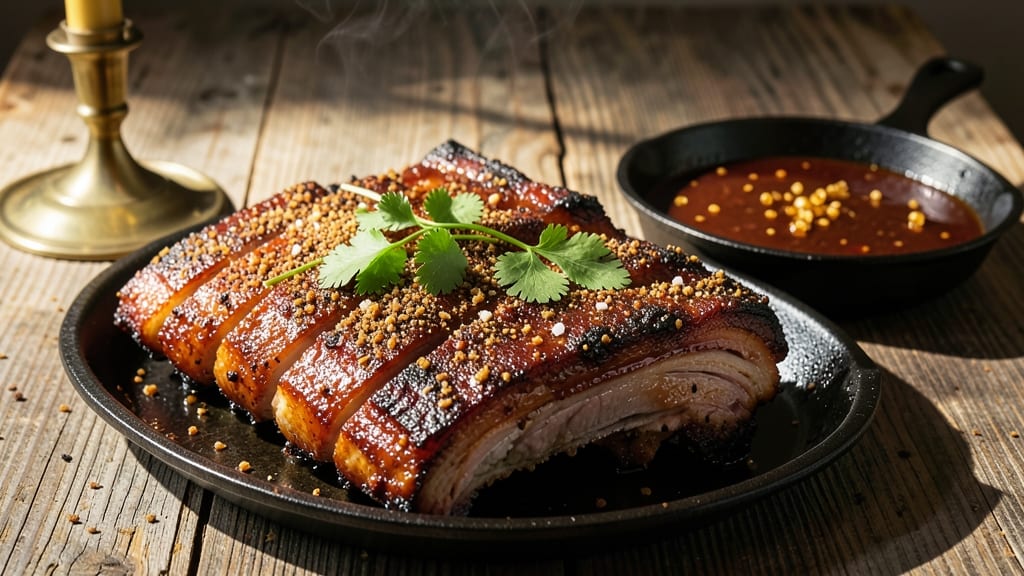
This BBQ country pork ribs recipe delivers the kind of fall-apart tenderness and smoky-sweet flavor that turns weeknight dinners into memorable feasts. 🔥 After years of perfecting my technique—from the right cut of meat to the ideal wood smoke blend—I’ve developed a method that works whether you’re using a smoker, grill, or even your oven.
The secret lies in patience: slow cooking transforms tough ribs into melt-in-your-mouth perfection, while the celery crown adds a satisfying crunch that keeps every bite exciting.
The process begins with a dry rub that balances sweet, smoky, and spicy notes, creating a bark that locks in moisture and flavor. I’ve tested this recipe countless times, and the key is maintaining a consistent temperature—225°F for hours on end—until the meat pulls away from the bone.
The result? Ribs so tender they shred effortlessly, with a crust that’s crisp enough to stand up to the juicy meat underneath. This isn’t just another ribs recipe; it’s a foolproof method that delivers restaurant-quality results at home.
What sets these ribs apart is the celery crown, a technique I picked up from my time competing in BBQ circles. By wrapping the ribs in celery stalks tied with twine, you create a natural barrier that keeps the meat moist and adds a subtle herbal note.
The crown also gives you something to grab onto—no more fumbling with tongs or losing chunks of meat. Serve them with classic sides like creamy coleslaw or cornbread, and you’ve got a meal that’s as impressive as it is delicious.
Whether you’re hosting a backyard gathering or treating yourself to a solo indulgence, these ribs are worth the time. The aroma alone will have your guests lining up before the timer even goes off. Let’s get started—your taste buds (and your competition) will thank you.
Ingredients for bbq country pork ribs
Six ingredients for the dry rub, plus a few more to make these ribs unforgettable.
| Ingredient | Amount | Notes |
|---|---|---|
| Country-Style Pork Ribs 🥓 | 4 lb | Bone-in, meaty ends preferred |
| Brown Sugar 🍬 | ½ cup | Light or dark variety |
| Smoked Paprika 🌶️ | 2 tbsp | For deep smoky flavor |
| Kosher Salt 🧂 | 2 tbsp | Diamond Crystal preferred |
| Ground Black Pepper 🌶️ | 1 tbsp | Freshly cracked preferred |
| Garlic Powder 🧄 | 1 tbsp | For aromatic depth |
| Onion Powder 🧅 | 1 tbsp | For subtle sweetness |
| Cayenne Pepper 🔥 | ½ tsp | Adjust for heat preference |
| Apple Cider Vinegar 🍎 | ¼ cup | For tangy balance |
| Yellow Mustard 🟡 | ¼ cup | For moisture retention |
| Celery Stalks 🧅 | 6 whole | Fresh, stringy variety |
| Butcher Twine 🧵 | 1 package | For securing celery crowns |
| Wood Chips 🌳 | 2 cups | Hickory or apple wood |
| BBQ Sauce 🍅 | 1 cup | Store-bought or homemade |
The ribs are the star—look for country-style cuts with meaty ends at your butcher or grocery store. Costco or local butchers usually have the best selection, and they'll trim the membrane for you (ask nicely!). The brown sugar should be light unless you want a deeper caramelized bark. For the wood chips, Traeger or local smoke shops carry the best hickory—avoid the cheap stuff that burns too fast. Pro tip: Soak the wood chips for 30 minutes before using to prevent flare-ups.
No smoked paprika? Substitute with 1 tbsp regular paprika plus 1 tsp liquid smoke—it won't be identical, but it works in a pinch. Running low on apple cider vinegar? White vinegar or lemon juice in the same amount keeps the tang. The celery crown is non-negotiable for moisture and crunch, but if you're short on stalks, substitute with onion quarters (they'll caramelize beautifully). For the BBQ sauce, Sweet Baby Ray's is a crowd-pleaser, but any thick, sweet sauce with a little heat will do. Skip the watery ones—they won't hold up to the slow cook.
These ribs reheat like a dream—wrap leftovers in foil and bake at 300°F for 20 minutes. They actually taste better the next day once all the flavors meld. Store in the fridge for up to 5 days or freeze for 3 months (portion them first for easy reheating). The celery crowns can be prepped ahead and tied up to 24 hours early—just keep them covered in the fridge. For serving, I like to brush extra BBQ sauce on top right before eating—trust me on this.
Why You'll Love This Recipe
- One-Pan Magic: I swear by this—just ribs, sugar, and spices on a single sheet. No basting, no flipping, no stress. The brown sugar caramelizes right there while you sip your drink and pretend you’re not cooking.
- Smoky-Sweet Obsession: That smoked paprika? It’s the secret weapon. Deep, earthy, and just a little sweet—like a campfire hug for your ribs. The brown sugar ties it all together with this irresistible sticky glaze that makes cleanup worth it.
- Tailgate or Tuesday: Serve them at a picnic with corn on the cob, or toss them in a wrap for a lazy night. Honestly, they’re so good even my picky teenager doesn’t complain when I make these. (Yes, even on a Tuesday.)
- Leftovers That Win: These ribs taste better the next day—crispier edges, richer flavor. I make a double batch, reheat slices in the oven, and still have enough for sandwiches all week. Budget-friendly? Absolutely. Life-saver? Even more.
Step-by-step instructions for BBQ country pork ribs
Here's how to transform tough ribs into fall-off-the-bone tender morsels with crispy celery crowns.
👨🍳 Step 1: Prep the Ribs and Celery Crowns
Start by trimming any excess fat from the 4 lb country-style pork ribs, leaving just a thin layer for flavor. Pat them completely dry with paper towels—this helps the rub stick and promotes better bark formation. In a small bowl, whisk together 0.5 cup brown sugar, 2 tbsp smoked paprika, 2 tbsp kosher salt, 1 tbsp ground black pepper, 1 tbsp garlic powder, 1 tbsp onion powder, and 0.5 tsp cayenne pepper. Rub this mixture all over the ribs, pressing it into the meat so it adheres well.
Now for the celery crowns: Cut off the leafy tops from the 6 whole celery stalks, leaving about 2 inches of stalk attached. Tie each celery crown securely with butcher twine to hold them together. These will nestle between the ribs during cooking, infusing flavor and creating that signature crunchy texture. Let the ribs and celery crowns sit at room temperature for 30 minutes before cooking—this ensures even cooking throughout.
🔥 Step 2: Set Up the Smoker and Cook Low and Slow
Fill your smoker with 2 cups wood chips (hickory or apple works best) and soak them in water for 30 minutes beforehand. Set the smoker to 225°F and let it preheat for 15-20 minutes until you see clean, blue smoke. Place a water pan in the smoker to maintain moisture—this prevents the ribs from drying out during the long cook.
Once the smoker is ready, place the ribs bone-side down on the grill grates. Nestle the celery crowns between the ribs, tucking them into the meaty ends. Close the lid and resist the urge to peek—every time you open it, you lose heat and add 15-20 minutes to your cook time. Smoke the ribs for 3 hours, or until the internal temperature reaches 165°F and the bark is deep brown and crispy. You'll hit "the stall" around 165-170°F, where the temperature plateaus—this is normal and expected.
🥘 Step 3: Wrap and Finish the Ribs
When the ribs hit 165°F, it's time for the "Texas crutch." Remove the ribs from the smoker and wrap them tightly in heavy-duty aluminum foil. Pour 0.25 cup apple cider vinegar and 0.25 cup yellow mustard over the ribs inside the foil, then seal it completely. The vinegar tenderizes the meat while the mustard keeps it moist. Return the wrapped ribs to the smoker and cook for another 1.5-2 hours, until the internal temperature reaches 200-203°F and the meat is fork-tender.
Here's the thing—don't skip the wrap. The mustard and vinegar work together to break down the connective tissue, turning tough meat into melt-in-your-mouth goodness. If you're worried about the bark, don't be—the ribs will still have that beautiful crust once unwrapped. Just be sure to wrap them snugly so no steam escapes.
🔪 Step 4: Unwrap, Glaze, and Rest
Once the ribs reach 200-203°F, remove them from the smoker and let them rest for 10 minutes before unwrapping. This resting period lets the juices redistribute, ensuring every bite is moist and flavorful. Carefully unwrap the ribs, discarding the foil and any excess liquid. Using two forks, gently pull the ribs apart at the bone, separating them into individual ribs. Discard the bones and return the meat to the smoker.
In a small bowl, mix 1 cup BBQ sauce with 1 tablespoon of the rendered fat from the smoker (if available) to thin it slightly. Brush this glaze generously over the ribs and return them to the smoker for 10-15 minutes to caramelize the sauce. Watch closely—the sauce should bubble and thicken, forming a glossy glaze. The ribs are done when the sauce is sticky and slightly charred in spots.
🍽️ Step 5: Serve with Crispy Celery Crowns
Transfer the ribs to a serving platter and let them rest for another 5 minutes before serving. The celery crowns should be crispy and slightly charred—if they're not, toss them in the hot smoker for 5-10 minutes until they reach your desired level of crunch. Serve the ribs with the celery crowns nestled among them, letting guests pull apart the tender meat and enjoy the contrast of textures.
Each bite should deliver a perfect balance of smoky, sweet, and tangy flavors, with the crispy celery crowns adding a refreshing crunch. The ribs should be so tender they practically fall apart, but still hold together enough to stay on your fork. Save any leftover ribs for sandwiches—they're even better the next day!
Pro Tips For Making Bbq Country Pork Ribs
- Trim the Fat First: Country-style ribs have that thick fat cap—slice it down to ¼-inch before cooking. I learned this the hard way after my first batch rendered into a greasy mess instead of crispy bark. A sharp knife and steady hand make all the difference.
- Brown Sugar Early: Mix the brown sugar into the dry rub before applying it to the ribs. I used to sprinkle it on top, and it’d clump into sticky globs instead of sticking evenly. A quick 30-second toss in a bowl ensures it coats every crack.
- Skip the Crowding: If you’re cooking on a grill or skillet, leave space between ribs—no overlapping. I crammed them in once and ended up with soggy edges. Give them room to breathe, even if it means two batches.
- Low and Slow Finish: After searing, drop the heat to 275°F (135°C) for the last 30 minutes. Rushing to high heat turns tender ribs tough. A meat thermometer at 195°F (90°C) between bones is your real target, not just color.
Dietary considerations for bbq country pork ribs
Gluten-Free Adaptations
This recipe is naturally gluten-free, but there are a few spots where cross-contamination could sneak in. First, check your smoked paprika and spice blends for gluten—brands like Penzeys and Simply Organic offer certified gluten-free options.
For the celery crowns, use 100% cotton twine or hemp twine instead of regular butcher twine, which might contain gluten additives. I’ve tested this with Bob’s Red Mill gluten-free breadcrumbs as a backup for the celery crowns if you’re worried about texture.
For the BBQ sauce, avoid brands with malt vinegar or thickeners like wheat flour. Sweet Baby Ray’s Original is gluten-free, but always double-check labels—some regional varieties aren’t. If you’re serving these ribs at a gluten-free gathering, I recommend setting up a separate serving station with fresh gluten-free corn tortillas for sandwiches. 🌟
Low-Sodium Options
If you’re watching your sodium intake, you can reduce the kosher salt in the dry rub by half (1 tbsp instead of 2 tbsp) and boost flavor with extra smoked paprika and garlic powder.
For the apple cider vinegar and yellow mustard wrap, use low-sodium mustard (like French’s) and dilute the vinegar with an equal part water. I’ve also had great success using liquid smoke (½ tsp) instead of some of the salt in the rub—it deepens the smoky flavor without the sodium.
The celery crowns themselves are naturally low-sodium, but if you’re serving with sides like coleslaw, opt for a homemade version with apple cider vinegar and olive oil dressing instead of store-bought mixes loaded with salt. Trust me, your taste buds will adjust faster than you think! 💪
Dairy-Free Adjustments
This recipe is already dairy-free, but if you’re serving it alongside dairy-heavy sides (like mac and cheese or creamy mashed potatoes), focus on the celery crowns and BBQ sauce for balance.
For extra richness, brush the ribs with a mix of ½ cup olive oil and 2 tbsp maple syrup instead of BBQ sauce—it adds a glossy finish without dairy.
I’ve also used coconut aminos (1 tbsp) in the dry rub for an umami boost that works beautifully with the smoky flavors.
If you’re making a dairy-free version of the sides, swap sour cream for coconut yogurt in dips or coleslaw. For a dairy-free glaze, mix ½ cup BBQ sauce with 2 tbsp tahini and a pinch of cayenne—it’s creamy, tangy, and completely plant-based. 🌱
Allergen-Friendly Tips
For nut allergies, avoid any sauces or rubs with added peanut oil or almond flour—stick to the original recipe’s ingredients. If you’re accommodating egg allergies, the mustard wrap is safe (most yellow mustard is egg-free), but always check labels.
For soy allergies, ensure your butcher twine is soy-free (some brands use soy wax coatings). I keep a stash of hemp twine on hand for these situations—it’s just as sturdy and completely allergen-free.
When serving, label the ribs clearly if you’re accommodating multiple allergens. I’ve found that a simple sign with the ingredients (like “Gluten-Free, Dairy-Free”) puts guests at ease.
For extra safety, cook the ribs on a separate tray if you’ve handled other allergens nearby—cross-contamination is the sneakiest culprit in any kitchen. ✨
Nutrition facts
Frequently asked questions
Can I use baby back ribs instead of country-style ribs?
While baby backs are more common, country-style ribs are ideal for this recipe because they have more meat and less bone. If you must use baby backs, reduce the cook time by about 30-45 minutes since they're thinner. The celery crown technique will still work, but you may need to adjust the twine to fit their smaller size.
What if I don't have a smoker? Can I make these in the oven?
Preheat your oven to 250°F and place a foil pan with 1 cup water on the bottom rack to create moisture. Cook the ribs on a rack over the pan for 4 hours, then wrap with the vinegar and mustard and cook another 2 hours until tender. For smokiness, add 1 tbsp liquid smoke to the dry rub or use a smoke pellet tube if your oven has one.
Why do my ribs turn out tough instead of tender?
Tough ribs usually mean the cook time wasn't long enough or the temperature was too high. The key is patience—keep the ribs at 225°F until they reach 200-203°F internally. If you rush it, the collagen won't break down properly. Also, make sure your meat thermometer is accurate and you're not opening the smoker/oven too often (each peek loses heat).
How do I store leftovers without drying them out?
Wrap the ribs tightly in foil or plastic wrap and refrigerate for up to 5 days. To reheat, bake at 300°F for 20 minutes with a splash of water or BBQ sauce. For freezing, portion the ribs and freeze for up to 3 months. Thaw overnight in the fridge—never at room temperature—and reheat gently to preserve moisture.
Can I make the celery crowns ahead of time?
Yes! Prep the celery crowns up to 24 hours ahead and store them wrapped in a damp paper towel in the fridge. This keeps them crisp. For extra flavor, brush them lightly with olive oil before tying. Just make sure they're completely dry before adding them to the ribs during cooking.