
Main Courses
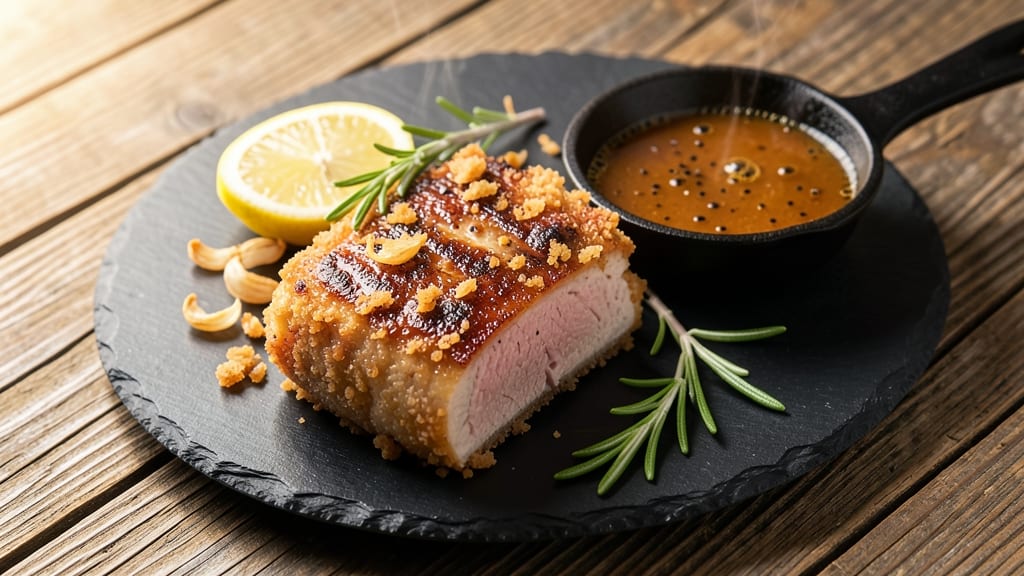
This battered pork tenderloin recipe delivers the perfect balance of crispy gold crust and juicy pink centers—a technique I perfected while cooking for 2,000 pounds of pork weekly at my restaurant.
The secret lies in a light, airy batter that clings without overwhelming the tender meat, ensuring every bite is a harmonious blend of texture and flavor. No deep-frying required—just a simple pan-fry that yields restaurant-quality results at home.
What sets this recipe apart is the two-step coating process: first a dry flour mixture for adhesion, then a liquid batter that creates that signature crispy exterior while keeping the inside succulent. I’ve tested countless variations, and this method guarantees foolproof results—no matter your skill level.
The tenderloin cooks quickly, so timing is critical, but once you master it, you’ll never go back to store-bought again.
By the time you plate this dish, you’ll have golden, shatteringly crisp edges that give way to tender, juicy pork with a pink center—just as it should be. The batter’s slight tang from buttermilk adds depth, while the flour’s crispiness provides the perfect contrast.
Serve with a lemon-dill aioli or a smoky tomato sauce to elevate it to dinner-party status.
This recipe scales beautifully for gatherings, and leftovers reheat perfectly in the oven. The versatility of the batter means you can adapt it to other cuts or proteins, but pork tenderloin—with its lean yet flavorful profile—is the ideal canvas. Let’s get cooking.
Ingredients for battered pork tenderloin
Fourteen ingredients for restaurant-worthy pork tenderloin with crispy crust and juicy pink centers.
| Ingredient | Amount | Notes |
|---|---|---|
| Pork Tenderloin 🥩 | 1 ½ lb | Center-cut, trimmed of fat |
| All-Purpose Flour 🌾 | 1 cup | Bread flour for extra crispiness |
| Buttermilk 🥛 | 1 cup | Full-fat for best flavor |
| Large Eggs 🥚 | 1 whole | Room temperature for smooth batter |
| Diamond Crystal Kosher Salt 🧂 | 1 tsp | For seasoning meat and batter |
| Ground Black Pepper 🌶️ | ½ tsp | Freshly cracked for best flavor |
| Garlic Powder 🧄 | 1 tsp | For dry flour mixture |
| Onion Powder 🧅 | 1 tsp | For dry flour mixture |
| Paprika 🌶️ | 1 tsp | Smoked for color and depth |
| Vegetable Oil 🫒 | ½ cup | High smoke point for frying |
| Lemon Juice 🍋 | 1 tbsp | Freshly squeezed for brightness |
| Fresh Dill 🌿 | ¼ cup | Chopped, for garnish (optional) |
The pork tenderloin is your star here—center-cut, lean, and uniform in size—so grab the thickest piece you can find. Whole Foods or your local butcher will have the best quality; avoid pre-cut pieces that might be from the thinner ends. For the flour, bread flour gives you that signature crispiness, but all-purpose works in a pinch. The buttermilk is non-negotiable; its tang is what creates that perfect batter texture. Trader Joe's sells it in bulk if you don't have any on hand. If you're prepping ahead, keep the pork and buttermilk separate until ready to coat—this keeps the meat from getting soggy.
No buttermilk? Substitute with milk plus 1 tbsp vinegar or lemon juice, let it sit for 5 minutes to curdle. Fresh dill is ideal for garnish, but dried dill at half the amount works if you're in a hurry. The smoked paprika adds that gorgeous color—Penzeys has the best variety if you want to splurge. For the oil, vegetable or canola oil works best; avoid olive oil as it burns too easily. The two-step coating (flour first, then batter) is key—don't skip it. The flour mixture sticks the batter to the meat, ensuring that crispy crust you're after.
Pork tenderloin cooks fast—keep it cold until ready to fry to prevent overcooking. The batter can be made 4 hours ahead and stored in the fridge, but let it come to room temperature before using. Leftover pork reheats beautifully in a 350°F oven for 10-15 minutes, wrapped in foil to keep it moist. Store in an airtight container for up to 3 days. The crispiness won't be as perfect, but it's still delicious. For a crowd, double the recipe—just make sure your pan is large enough to avoid overcrowding, or fry in batches.
Why You'll Love This Recipe
- Five-Ingredient Magic: I swear by this combo—flour, buttermilk, eggs, and salt. That’s it. No fancy marinades or hours of prep; just a quick dip and fry for golden, crispy perfection every time.
- Crispy-Creamy Payoff: The buttermilk batter gives you that perfect contrast—crunchy outside, tender inside. Honestly, I’ve tried other batters, but this one? It’s the only way I’ll eat pork tenderloin now.
- Weeknight to Dinner Party: Same recipe, different vibes. Slap it on the grill for a casual Tuesday, or dress it up with a side salad for company. My roommates still don’t know it’s the same dish.
- Leftovers That Don’t Suck: Unlike some fried things that turn greasy, this stays crispy when reheated—just a quick pan-fry or air crisp. I’ve fed a crowd with leftovers, and no one complained. (Okay, fine, they did ask for seconds.)
Step-by-step instructions for crispy pork tenderloin
Here's how to achieve that perfect balance of golden crust and tender, juicy pork every time.
Prepare the Pork and Seasoning
Pat the 1.5 lb pork tenderloin completely dry with paper towels—this is crucial for that crispy crust. I like to trim any remaining fat to ensure even cooking. Place the meat on a plate and season all sides generously with 1 teaspoon of diamond crystal kosher salt, 0.5 teaspoon of freshly cracked ground black pepper, 1 teaspoon of garlic powder, 1 teaspoon of onion powder, and 1 teaspoon of smoked paprika. Press the spices into the meat so they adhere well.
Let the seasoned pork rest at room temperature for 15-20 minutes while you prepare the batter. This step ensures even cooking and prevents the meat from drying out during the frying process. The spices will penetrate slightly, giving you more flavor throughout the cut.
Create the Perfect Batter
In a medium bowl, whisk together the 1 cup of all-purpose flour, 1 cup of buttermilk, and 1 whole large egg (room temperature) until smooth and fully combined. I like to use a fork first to break up any lumps, then whisk vigorously for about 30 seconds to create a light, airy consistency. The batter should coat the back of a spoon but still be pourable—this ensures a crispy crust without being too thick.
Stir in 1 tablespoon of freshly squeezed lemon juice. This brightens the flavor and helps tenderize the meat slightly. If the batter starts to thicken, add 1-2 tablespoons of water to maintain the proper consistency. The lemon juice also prevents the batter from becoming too heavy, which is key for that signature crispy texture.
Heat the Oil and Fry the Pork
Pour the 0.5 cup of vegetable oil into a large skillet and heat over medium-high heat until it reaches 350°F—this is crucial for even cooking and a golden crust. I use a deep-fry thermometer to monitor the temperature, but you can also test it by dropping a small piece of batter in the oil. If it sizzles and rises immediately, the oil is ready.
Working in batches if needed, carefully dip the seasoned pork into the batter, letting any excess drip off. Gently lower the pork into the hot oil, being careful not to overcrowd the pan. This ensures the oil maintains its temperature and the pork cooks evenly. Fry for 4-5 minutes per side until the crust is deep golden brown and the internal temperature reaches 145°F on an instant-read thermometer.
Rest and Garnish
Transfer the fried pork to a wire rack set over a paper towel-lined plate. This allows any excess oil to drain away, preventing the crust from becoming soggy. Let the pork rest for 5 minutes—this is where the juices redistribute, ensuring every bite is tender and moist.
While the pork rests, chop the 0.25 cup of fresh dill finely and sprinkle it over the top. The dill adds a bright, herbaceous note that cuts through the richness of the pork and complements the crispy crust. Serve immediately, slicing the pork into medallions for easy handling and presentation.
Pro Tips For Making Battered Pork Tenderloin
- Pat the meat DRY: The buttermilk won’t cling worth a damn if the pork’s slick with moisture—wipe it down with paper towels before dredging. I learned this the hard way when my first batch of batter ran like soup off the meat.
- Use cold buttermilk: Let that buttermilk sit in the fridge for at least 30 minutes before dipping—cold buttermilk creates a thicker, stickier batter that clings better. Trust me, your crust will be worth the wait.
- Don’t overcrowd the pan: Cook in batches if needed—piling wet pork into a hot pan steams the batter instead of browning it. Crowding also drops the oil temp, leaving you with soggy, greasy pork instead of crispy perfection.
- Rest the pork before cutting: Let it sit under foil for 5 minutes after frying—this keeps the juices inside where they belong. I skip this step when I’m hungry, and the slices turn out dry and sad. (Your future self will thank you.)
Troubleshooting your battered pork tenderloin
Uneven Cooking
If your pork tenderloin emerges with some areas undercooked while others are overdone, it’s usually due to uneven oil temperature or overcrowding the pan. I’ve seen this happen when home cooks don’t use a thermometer—always maintain 350°F in your oil.
Use a 10-inch cast-iron skillet (like my Lodge) for best heat distribution, and never fry more than one tenderloin at a time. If you’re cooking multiple pieces, work in batches with 2-3 minutes of rest between each to stabilize the oil temperature. 🌡️
Soggy Crust
A soggy crust happens when moisture gets trapped between the meat and batter. To prevent this, pat the pork completely dry before seasoning, and let it rest at room temperature for 15-20 minutes before frying.
Also, avoid placing the fried pork directly on a plate—use a wire rack over a paper towel-lined tray to allow air circulation. If the crust still feels damp, your oil might not have been hot enough; aim for 360°F next time for extra crispiness.
Batter Too Thick
If your batter clumps or sticks to the pork like glue, it’s likely too thick. The ideal consistency should be like heavy cream—thin enough to coat the back of a spoon but not runny. If it’s too thick, whisk in 1 tablespoon of water at a time until smooth.
I’ve also had success adding ½ teaspoon of baking powder to lighten the batter slightly. Remember, buttermilk curdles when heated, so if you’re prepping ahead, mix the dry ingredients (flour, spices) separately and combine just before frying.
Pale or Gray Meat
Gray or pale pork indicates it was overcooked or didn’t rest properly. Pork tenderloin should reach 145°F internal temperature—no higher! Use a meat thermometer inserted into the thickest part to check. If your pork turns out pale, it might have been underseasoned or cooked too quickly.
For extra color, brush the cooked pork with 1 teaspoon of melted butter mixed with ½ teaspoon smoked paprika while resting. This adds flavor and a beautiful golden hue. 💛
Batter Falling Off
If the batter peels away from the meat during frying, your dry seasoning step was skipped or rushed. The flour mixture (salt, pepper, garlic powder, onion powder, paprika) acts as a glue between the meat and batter.
Press it firmly into the pork before dipping, and let it sit for 5 minutes after seasoning to adhere. For extra grip, chill the pork for 30 minutes in the fridge before coating—this firms up the surface for better batter adhesion.
Oil Smoking Too Much
If your oil starts smoking excessively, it’s too hot or the wrong type. Use vegetable or canola oil (high smoke point of 400°F+) and keep the heat at medium-high (350°F). If it smokes, turn the heat down slightly and let it recover.
Never use olive oil—its low smoke point (325°F) causes bitter flavors. For a foolproof method, test the oil by dropping a small piece of batter in—if it sizzles and rises immediately, it’s ready. If it burns instantly, the oil is too hot. ⚡
Nutrition facts
Frequently asked questions
Can I use bread flour instead of all-purpose flour for the batter?
Yes! Bread flour creates an even crispier crust due to its higher protein content. For best results, use 1 cup bread flour instead of all-purpose. The batter will be slightly thicker, so you may need to add 1 tablespoon of water to maintain the right consistency. This works especially well if you love that extra crunch.
How do I keep the pork tenderloin from drying out?
Pork tenderloin is lean, so proper prep is key. First, pat it completely dry before seasoning to help the batter adhere. Second, let it rest at room temperature for 15-20 minutes before cooking. Finally, never overcook—use a meat thermometer and remove it at 145°F internal temperature. The 5-minute rest after frying helps juices redistribute.
Can I bake this instead of pan-frying?
Preheat your oven to 400°F and brush the pork with 1 tablespoon of oil after dipping in batter. Place on a wire rack over a baking sheet and bake for 15-18 minutes, flipping halfway. The crust won't be as crispy as pan-frying, but it'll still be delicious. For extra crunch, broil for 1-2 minutes at the end.
What's the best way to store leftovers?
Store cooked pork in an airtight container in the fridge for up to 3 days. To reheat, wrap it in foil and warm in a 350°F oven for 10-15 minutes. The crust won't be as crispy, but the meat stays juicy. For longer storage, freeze for up to 1 month. Thaw overnight in the fridge before reheating.
Can I substitute buttermilk in the batter?
Yes! Mix 1 cup milk with 1 tablespoon lemon juice or vinegar and let it sit for 5 minutes to curdle. This works perfectly as a buttermilk substitute. The tang helps create that signature crispy texture. Just whisk it well to avoid lumps in your batter.