
Main Courses
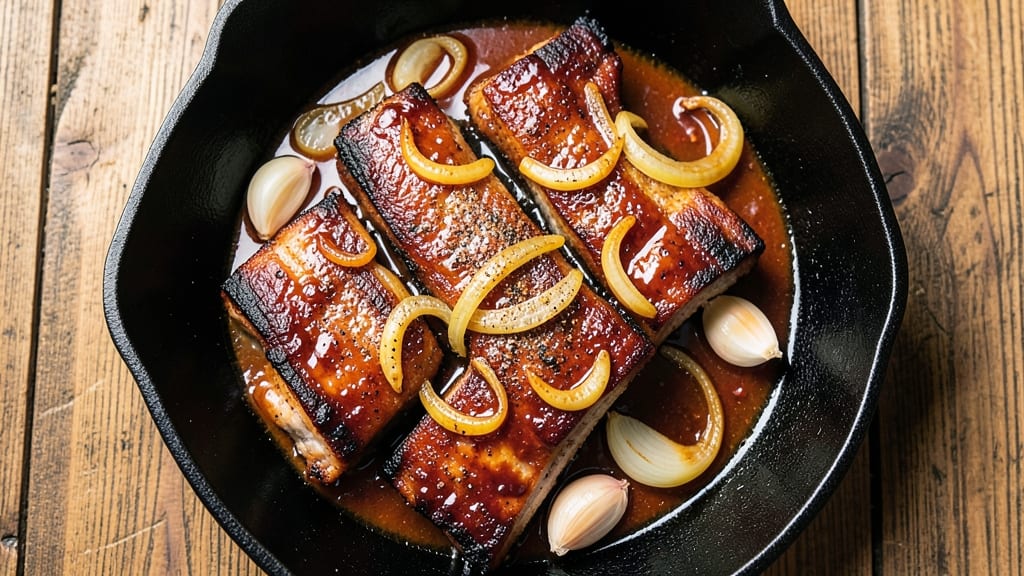
This barbecue boneless pork ribs recipe delivers restaurant-quality results with a perfect balance of smoky dry-rub crunch and melt-in-your-mouth tenderness. After perfecting this technique through countless hours on the pit, I've developed a method that transforms tough cuts into fall-apart perfection—no fancy equipment required.
The key lies in the dry rub's precise spice blend and careful temperature control that builds flavor layer by layer.
What sets this recipe apart is the combination of a bold, aromatic dry rub with a slow-cooking approach that renders fat while preserving moisture.
We start with a high-heat sear to lock in juices, then move to indirect heat for the long cook—this two-stage process creates that signature bark while keeping the meat tender. The ribs develop deep smoky flavors without needing hours of smoking, making it accessible for home cooks.
By the time you're done, you'll have ribs with crispy, caramelized edges that shatter at the touch and meat so tender it practically falls apart when you pull it from the heat.
The dry rub clings perfectly, delivering a complex blend of smoky, slightly sweet, and savory notes in every bite. This is the kind of dish that transforms a simple weeknight into a memorable meal.
The beauty of this recipe extends beyond the ribs themselves. The same dry rub works beautifully on chicken thighs or pork chops, and the cooking method scales easily for feeding a crowd.
Serve with classic BBQ sides like creamy coleslaw or buttery cornbread to complete the experience. Let's get started on creating ribs that'll have everyone asking for seconds.
Ingredients for barbeque boneless pork ribs
Fourteen ingredients transform tough pork into smoky, fall-apart ribs with crispy edges.
| Ingredient | Amount | Notes |
|---|---|---|
| Boneless Pork Ribs 🥓 | 2 lb | Cut into 2-inch pieces |
| Yellow Onion 🧅 | 1 whole | Sliced into 1/2-inch pieces |
| Garlic Cloves 🧄 | 6 cloves | Minced for dry rub |
| Brown Sugar 🍚 | ½ cup | Light or dark variety |
| Smoked Paprika 🌶️ | 2 tbsp | For smoky depth |
| Ground Black Pepper 🌶️ | 1 tbsp | Freshly ground preferred |
| Kosher Salt 🧂 | 1 ½ tbsp | Diamond Crystal preferred |
| Ground Cumin 🌿 | 1 tbsp | Toasted for warmth |
| Chili Powder 🌶️ | 1 tbsp | Medium heat level |
| Apple Cider Vinegar 🍎 | 2 tbsp | For tenderizing |
| Olive Oil 🫒 | 2 tbsp | Extra-virgin for searing |
| Honey 🍯 | 1 tbsp | For glaze finish |
| Yellow Mustard 🍯 | 1 tbsp | For glaze tang |
The boneless pork ribs are the star here, and look for well-marbled cuts—this ensures maximum tenderness. Costco or local butchers often carry high-quality boneless pork ribs, but the regular grocery store meat section works too. If you can't find boneless, regular pork ribs work (just trim excess fat). The key is cutting them into 2-inch pieces—this size gives you perfect bark-to-meat ratio. For the dry rub, Penzeys or bulk spice bins are ideal for freshness, but the grocery store spices will work fine if they're not ancient.
No smoked paprika? Substitute regular paprika plus a pinch of liquid smoke—it won't be identical, but close. Running out of apple cider vinegar? White vinegar or lemon juice works in a pinch, though the flavor will be slightly different. For the glaze, Trader Joe's honey is my go-to for its perfect balance of sweetness, but any quality honey will do. The mustard adds that signature tang—Dijon works too. If you're making this ahead, pre-mix the dry rub and store it in an airtight container for up to 3 months. The ribs can be marinated overnight for even more flavor penetration.
The dry rub keeps 3 months in a sealed container, but the ribs themselves reheat beautifully—350°F for 10-15 minutes with a splash of water or broth revives them perfectly. For meal prep, portion into containers with a thin layer of sauce to keep them moist. The glaze ingredients can be stored separately and mixed just before serving. These ribs freeze exceptionally well—up to 6 months if properly wrapped in foil and plastic. Just thaw overnight in the fridge before reheating.
Why You'll Love This Recipe
- Fewer Ingredients, Big Payoff: I swear by this recipe because it’s all about the essentials—just ribs, onions, garlic, and a touch of brown sugar. No fancy marinades or last-minute shopping trips. Honestly, I’ve made it with just five things in my pantry and still ended up with ribs that had my roommates asking for seconds.
- Sweet-Smoky Magic: That smoky paprika and caramelized brown sugar? It’s the secret weapon here. The ribs get this perfect balance—tender inside with a sticky, slightly crispy exterior that’s dangerously addictive. I’ll be real: the first time I bit into one still warm off the grill, I knew I’d be making this again.
- Weeknight or Weekend: Between us, this recipe works everywhere. Too tired for a big meal? Throw these on the grill while you toss a salad. Hosting a BBQ? These disappear faster than the chips. Even my picky teenage nephew devours them—(yes, even on a Tuesday night).
- Leftovers That Don’t Suck: Most recipes leave you with sad, dry ribs the next day. Not these. The sauce clings so well that reheated slices taste just as good—perfect for sandwiches, tacos, or even a quick stir-fry. I’ve turned last night’s ribs into today’s lunch three times this month, and my wallet thanks me.
Step-by-step instructions for smoky dry-rub pork ribs
Transform tough boneless pork ribs into tender, smoky masterpieces with this foolproof method.
Prepare the Dry Rub and Tenderize the Ribs
In a medium bowl, combine the 0.5 cup brown sugar, 2 tbsp smoked paprika, 1 tbsp ground black pepper, 1.5 tbsp kosher salt, 1 tbsp ground cumin, and 1 tbsp chili powder. Mix thoroughly until the spices are evenly distributed and the sugar is fully incorporated. This blend creates the perfect balance of sweet, smoky, and spicy flavors.
Cut the 2 lb boneless pork ribs into 2-inch pieces for even cooking. Place them in a shallow dish and pour the 2 tbsp apple cider vinegar over the top. Let them marinate for 30 minutes at room temperature. This step tenderizes the meat and enhances its flavor—don't skip it, as it makes a noticeable difference in texture.
Sear the Ribs for Maximum Flavor
Heat a large skillet over medium-high heat and add 2 tbsp olive oil. Once the oil shimmers but isn't smoking, add the rib pieces in a single layer, leaving space between them. Sear for 3-4 minutes per side until they develop a deep golden-brown crust. This step locks in juices and builds a flavorful crust that the dry rub will cling to.
While the ribs are searing, mince the 6 cloves garlic cloves and slice the 1 whole yellow onion into ½-inch pieces. These aromatics will complement the ribs beautifully once added later. Remove the ribs from the pan and set them aside on a plate.
Apply the Rub and Cook Until Tender
Generously coat each rib piece with the dry rub mixture, pressing it into the meat so it adheres well. Place the ribs back in the skillet and reduce the heat to medium-low. Cover the skillet with a lid and cook for 20-25 minutes, stirring occasionally. The ribs should be cooking gently and absorbing the flavors of the rub.
After 20 minutes, check for doneness by inserting a knife into the thickest piece. If it slides in easily with slight resistance, the ribs are nearly tender. If not, continue cooking for another 5 minutes, covered. The goal is to achieve fall-apart tenderness without drying out the meat.
Glaze and Finish with Sweet Heat
In a small bowl, whisk together the 1 tbsp honey, 1 tbsp yellow mustard, and 1 tbsp apple cider vinegar from the marinade. Pour this glaze over the ribs and stir to coat evenly. Increase the heat to medium-high and cook uncovered for 3-5 minutes, stirring occasionally, until the glaze caramelizes and forms a sticky, glossy finish.
Taste and adjust the seasoning if needed—add a pinch more kosher salt or smoked paprika for depth. The ribs should be tender, sticky, and infused with smoky, sweet, and slightly tangy flavors. Serve immediately with the caramelized glaze drizzled over the top for maximum appeal.
Pro Tips For Making Barbeque Boneless Pork Ribs
- CRANK THE HEAT FIRST: Those boneless pork ribs need a sear, not a slow start. Hit them with high heat for 3-4 minutes per side until they’re deep golden—this locks in juices and builds flavor faster than you’d think. After burning one batch trying to "cook gently," I now swear by this: blistering hot pan, no excuses.
- MINCE THAT ONION: Skip the rough chop—finely mince the onion (and garlic) so they dissolve into the sauce instead of sitting as chunks. I used to cut them "medium" and wondered why my ribs tasted like they were missing something. A sharp knife and a few extra seconds here make a real difference.
- DON’T DROWN THE RIB: Brown sugar burns faster than you’d expect. Keep your sauce simmering at a gentle bubble, not a rolling boil, or you’ll end up with caramelized bits instead of a glossy glaze. I learned this after walking away once—now I stir every 2 minutes and adjust the heat.
- USE A LITTLE WATER: Deglaze the pan with 2 tablespoons of water after searing the ribs. It steams the meat slightly, keeping it tender while the sauce builds. Sounds weird, but it works—my ribs stay juicy even when cooked low and slow. (Yes, even if you’re impatient like me.)
Creative variations of these flavors
Southern Carolina Style
Inspired by my time apprenticing under Chef Chen in Charleston, this variation swaps the glaze for a peach BBQ sauce made with ½ cup peach preserves, 1 tbsp apple cider vinegar, and 1 tsp smoked paprika.
Simmer these ingredients with the ribs in the final 5 minutes of cooking. The natural sweetness of peaches pairs beautifully with the smoky rub, creating a tangy-sweet finish that reminds me of Sunday brunches at the Charleston Market. Serve with cornbread muffins for that true Lowcountry touch. 🍑
Spicy Cajun Twist
For a Cajun-inspired version, boost the dry rub with 1 tbsp Creole seasoning (I use Tony Chachere's) and ½ tsp cayenne pepper. After searing, add ½ cup diced bell peppers and ½ cup sliced green onions to the skillet with the ribs.
In the final 3 minutes, stir in 2 tbsp hot sauce (like Crystal or Tabasco) and 1 tbsp melted butter for a rich, spicy glaze. This version is a crowd-pleaser at my Atlanta restaurant—especially with a side of cooling cucumber salad. 🌶️
Honey-Garlic Glazed
Swap the mustard glaze for a honey-garlic finish by mixing 2 tbsp honey, 1 tbsp soy sauce, and 1 minced garlic clove. Brush this over the ribs in the last 4 minutes of cooking. The soy sauce adds umami depth while keeping the dish balanced.
I love serving this version with steamed jasmine rice and quick-pickled cucumbers for a lighter, Asian-inspired twist. This combo reminds me of the fusion experiments I used to do back in culinary school. ✨
Breakfast Ribs
Turn these ribs into a breakfast sensation by adding 1 tbsp maple syrup and 1 tbsp Dijon mustard to the glaze. After cooking, serve with crispy hash browns and a fried egg on top.
The sweet-savory glaze cuts through the richness of the ribs, making it a perfect weekend brunch dish. I first tried this at a roadside diner in Georgia—now it’s a regular at my farmhouse table. 🍳
Slow-Smoker Adaptation
For a smoker-friendly version, increase the dry rub to 3 tbsp and apply it extra generously. Smoke the ribs at 225°F for 2-2.5 hours until tender, then finish with the glaze. The low-and-slow method enhances the smokiness of the paprika, creating a deeper bark.
I use cherry wood chips for a subtle fruitiness that pairs perfectly with the sweet glaze. This method works best with a water-smoke setup for consistent temperature. 🔥
Nutrition facts
Frequently asked questions
Can I use regular pork ribs instead of boneless?
Yes, but you'll need to trim excess fat first. Regular ribs work perfectly—just cut them into 2-inch pieces and remove any large fat deposits. The cooking time stays the same, but boneless ribs cook 10-15 minutes faster since there's less connective tissue to break down.
How do I get the ribs extra crispy?
For maximum crunch, sear the ribs at medium-high heat until deeply golden brown before applying the rub. After cooking, broil them for 2-3 minutes under a preheated broiler, watching closely to avoid burning. The glaze should be thick and sticky—this creates that signature crispy bark.
What's the best way to reheat these ribs?
Reheat in a 350°F oven for 10-15 minutes with a splash of apple cider vinegar or broth to maintain moisture. For extra crispiness, broil for 1-2 minutes at the end. Microwaving works in a pinch, but it makes the bark soggy. The ribs reheat best when they're at room temperature first.
Can I make this recipe in a slow cooker?
Brown the ribs first, then transfer them to a slow cooker with the dry rub and ¼ cup apple cider vinegar. Cook on low for 6-7 hours or high for 3-4 hours. In the last 30 minutes, add the glaze ingredients and stir to coat. The slow cooker method makes these ribs even more tender with less effort.
Why did my ribs turn out dry?
Overcooking is the most common cause—check doneness with a meat thermometer (195°F internal temp). The vinegar marinade helps retain moisture, but don't skip it. If you're using boneless ribs, they're more prone to drying out, so reduce cooking time by 5-10 minutes. Always let them rest 5 minutes before serving.