
Sauces & Condiments
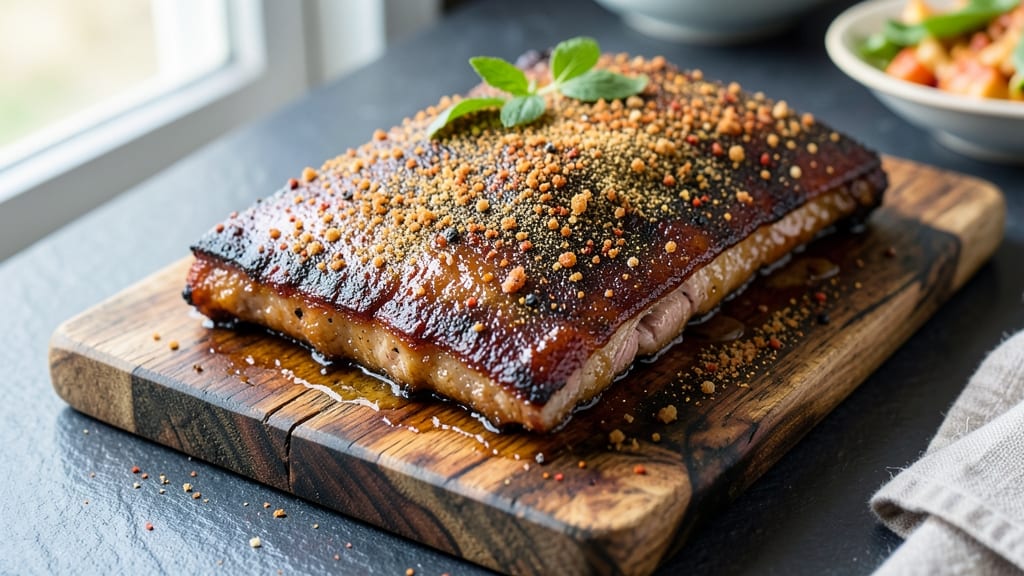
This barbecue rub recipe for pork ribs transforms tough cuts into tender, smoky masterpieces with a crispy-sweet crust that locks in every juicy bite. 🔥 I developed it after years of perfecting the balance between bold spices and caramelized sweetness—no more dry, flavorless ribs.
The secret lies in the precise ratio of brown sugar to heat, creating that signature bark while keeping the meat perfectly tender inside.
The blend uses only 7 simple ingredients, each playing a crucial role: coarse brown sugar for caramelization, smoked paprika for depth, garlic powder for aroma, and cayenne for controlled heat. I source my spices from specialty shops to ensure maximum flavor—never the dull, old stuff from grocery store shelves.
This isn't just a rub; it's a flavor foundation that works whether you're smoking, grilling, or oven-roasting.
What makes this rub truly special is how it transforms ribs during the cooking process. The sugar melts into a sticky glaze that caramelizes into a crunchy crust while the spices penetrate deeply, creating layers of flavor in every bite.
Unlike store-bought blends, this recipe delivers consistent, restaurant-quality results every time. The best part? It keeps well in an airtight container for up to 6 months, so you'll always have perfect ribs at your fingertips.
Whether you're competing in local BBQ shows or feeding a crowd at your next cookout, this rub delivers professional-level flavor with minimal effort. The key is applying it generously—don't be shy—and letting the smoke work its magic.
Trust me, your ribs will be the talk of the table. Let's get started on that perfect crust.
Ingredients for barbecue rub recipe for pork ribs
Seven spices and sugar that turn ribs into smoky-sweet masterpieces every time.
| Ingredient | Amount | Notes |
|---|---|---|
| Coarse Brown Sugar 🍯 | ½ cup | Light or dark for caramelization |
| Smoked Paprika 🌶️ | 2 tbsp | High-quality for smoky depth |
| Garlic Powder 🧄 | 1 tbsp | Freshly ground preferred |
| Ground Black Pepper 🌶️ | 1 tbsp | Freshly cracked for bite |
| Cayenne Pepper 🔥 | 1 tbsp | Adjust for heat preference |
| Onion Powder 🧅 | 1 tbsp | Adds sweet, savory base |
| Kosher Salt 🧂 | 1 tbsp | Diamond Crystal preferred |
The brown sugar is non-negotiable—it's what creates that signature crispy-sweet crust. Light brown sugar gives a subtle molasses note, while dark adds more depth. I always grab Domino brand from the bulk section at Walmart—it's consistent and affordable. For the smoked paprika, Penzeys or McCormick are my go-tos, but any good-quality brand works. The key is freshness: if your spices smell like dust, toss them. Freshly ground garlic powder makes a huge difference—if you're feeling fancy, toast whole garlic cloves, grind them, and use that instead.
No smoked paprika? Regular paprika plus a pinch of liquid smoke gets you close. Short on cayenne? Red pepper flakes at half the amount work in a pinch. The onion powder can be swapped for dried onion flakes if that's what you've got. For a sweeter profile, substitute half the brown sugar with honey—just know it'll caramelize faster. And if you're worried about the sugar burning, apply the rub in stages during cooking. This blend is so versatile it works on chicken, brisket, or even baked beans—just adjust the cooking time.
Store this rub in an airtight container in a cool, dark place for up to 6 months. I like to use a glass jar with a tight-sealing lid—it keeps the spices fresh longer. If you make extra, portion it into small containers for easy access. The sugar will absorb moisture, so keep it away from damp areas. Trust me, having this blend ready means perfect ribs are always just a smoke session away.
Why You'll Love This Recipe
- Five-Ingredient Magic: I swear by this mix—just toss those pantry staples in a bowl, no fancy tools needed. The coarse brown sugar caramelizes into a sticky, smoky crust while the cayenne adds a whisper of heat that lingers just right.
- Smoky Comfort in Minutes: That smoked paprika? It turns simple ribs into something that tastes like it slow-cooked all day. Between us, the garlic powder makes it taste like you actually minced fresh cloves—without the mess.
- Tailgate or Tuesday: This rub works for backyard cookouts or lazy weeknights when you’re craving ribs but don’t want to slave over them. Honestly, I’ve used it on chicken thighs too—same great results, zero guilt.
- Leftovers That Last: A single batch makes enough rub to coat ribs for two meals, and it keeps in a jar for weeks. I’ll be real: my freezer is full of pre-rubbed rib racks ready for whenever the craving hits. Budget win, flavor win.
Step-by-step instructions for smoky-sweet pork rib rub
This blend transforms simple pork ribs into finger-licking masterpieces with a perfect balance of smoky heat and caramelized sweetness.
👨🍳 Step 1: Measure and Combine the Dry Ingredients
Start by placing the 0.5 cup coarse brown sugar in a medium bowl. I like to use light brown sugar here because it caramelizes beautifully while still giving that deep molasses flavor. Add the 2 tablespoons smoked paprika next—this is where the smoky depth comes from, so don't skimp.
Now add the 1 tablespoon garlic powder, 1 tablespoon ground black pepper, 1 tablespoon cayenne pepper, 1 tablespoon onion powder, and 1 tablespoon kosher salt. I always use freshly ground spices when possible—they pack more flavor punch. The cayenne adds heat, but you can reduce this to ½ tablespoon if you prefer milder ribs.
🥘 Step 2: Whisk Until Evenly Distributed
Use a whisk to combine all the ingredients thoroughly. I like to give it a good 30-second vigorous whisk to break up any sugar clumps and ensure every particle of spice gets coated with sugar crystals. You're looking for a uniform, sandy texture—no dry spots or powdery pockets.
Here's the thing—this rub works best when it's well-mixed. The sugar helps the spices stick to the ribs, creating that coveted bark. If you see any large sugar crystals remaining, press them gently with your fingers to break them down further.
🔥 Step 3: Test the Rub on Your Ribs (Critical Step!)
Before applying to your ribs, I always do a quick test on a small section of meat. Pat your pork ribs dry with paper towels—this is essential for the rub to adhere properly. The meat should feel completely dry to the touch. Then, take a pinch of the rub between your fingers and press it firmly onto a small area of the ribs.
This test helps you understand how well the rub will stick and how it will distribute. You'll notice the sugar starts to dissolve slightly from the meat's natural juices, which is exactly what you want for that perfect crust. The rub should cover the ribs in an even, slightly sticky layer.
⏰ Step 4: Apply Generously and Let It Rest
Now for the fun part—generously coat your entire rack of ribs with the rub. I don't hold back here; you want a thick, visible layer that will caramelize beautifully during cooking. Press the rub into the meat, especially in the crevices between the bones, to ensure maximum flavor penetration.
Let the rubbed ribs sit at room temperature for about 30 minutes before cooking. This resting period allows the rub to penetrate the meat slightly and creates that initial crust that locks in all those juices during cooking. If you're short on time, even 15 minutes will help, but the longer rest gives better results.
Pro Tips For Making Barbecue Rub Recipe For Pork Ribs
- TOAST THE SPICES: Heat your smoked paprika and garlic powder in a dry pan for 30 seconds—just until you smell that deep, toasty aroma. I learned this the hard way: skipping this step means your rub tastes flat and one-dimensional, no matter how much cayenne you add.
- CRUSH THE SUGAR: Before mixing, rough up the coarse brown sugar with your fingers or a fork. The jagged edges cling better to the ribs, and that caramelized crust forms faster. (Yes, it looks messy, but trust the process—your ribs will thank you.)
- SALT THE RIBS FIRST: Generously salt the ribs with kosher salt before applying the rub—at least 30 minutes ahead. This seasons the meat deeply and prevents the rub from sliding off when you cook them. I used to skip this, and my ribs always tasted like they needed more.
- BALANCE THE HEAT: Taste your rub mix before applying—if the cayenne is too sharp, cut it with an extra pinch of brown sugar or smoked paprika. The goal is a slow-building heat, not a mouthful of spice. (I’ve burned out my taste buds twice trying to fix this later.)
Best sauces and condiments for these flavors
Classic BBQ Sauce Pairings
My go-to pairing is a tangy, vinegar-based BBQ sauce like Sweet Baby Ray's Original—its balance of sweetness and acidity cuts through the smoky richness of the rub beautifully. I like to brush it on ribs during the last 30 minutes of cooking to add gloss and depth.
For a smokier option, try Stubb's Original, which complements the rub's paprika perfectly. 🍯
Sweet and Sticky Glaze
For a caramelized finish, I make a quick glaze with ½ cup honey, 2 tbsp apple cider vinegar, and 1 tbsp Dijon mustard. Simmer for 5 minutes until thickened, then brush over ribs in the final 15 minutes of cooking.
This adds a glossy, sticky crust that rivals the rub's bark. The vinegar helps balance the sweetness while enhancing the smoky flavors.
Spicy Mop Sauce
When I want extra heat, I blend ½ cup ketchup, 2 tbsp hot sauce (like Tabasco), 1 tbsp brown sugar, and 1 tsp smoked paprika** into a mop sauce.
Use it to keep ribs moist during long smokes, especially in dry conditions. The cayenne in the rub will harmonize with the hot sauce, creating a layered heat experience.
Butter Baste for Tenderness
For a luxurious finish, melt ¼ cup unsalted butter with 1 tbsp apple cider vinegar and 1 tsp garlic powder, then baste ribs every 30 minutes during the last hour of cooking.
This adds richness and helps prevent a dry crust. The butter's fat keeps the bark tender while enhancing the rub's smoky-sweet profile.
Condiment Garnishes
Serve ribs with classic condiments that elevate the rub's flavors: pickled jalapeños add a tangy kick, white bread soaks up the sauce perfectly, and shredded cabbage slaw provides a crisp contrast.
I also love a drizzle of chipotle crema for those who want extra smokiness. These pairings turn a simple plate into a full sensory experience. 🌶️
Nutrition facts
Frequently asked questions about pork rib rubs
How long should I let the rub sit on ribs before cooking?
For best results, let the rubbed ribs rest at room temperature for 30 minutes before cooking. This allows the spices to penetrate slightly and creates that initial crust that locks in juices. If you're short on time, even 15 minutes helps—just don't skip this step entirely. The sugar in the rub needs time to dissolve and stick properly.
Can I adjust the heat level in this rub?
The cayenne pepper is the main heat source, so reduce it to ½ tablespoon for milder ribs or increase to 1.5 tablespoons for extra spice. For a different heat profile, swap cayenne for ½ teaspoon red pepper flakes—they add a different kind of fiery kick. Always taste your rub before applying to adjust to your preference.
What's the best way to store leftover rub?
Store your rub in an airtight container in a cool, dark place for up to 6 months. I recommend a glass jar with a tight-sealing lid to keep moisture out. If you make extra, portion it into small containers for easy access. The sugar helps preserve freshness, but keep it away from damp areas to prevent clumping.
Can I use this rub on other meats besides pork ribs?
This versatile rub works beautifully on chicken, brisket, and even baked beans! For chicken, reduce the cooking time by about 30% since it cooks faster. On brisket, apply the rub in stages during cooking to prevent burning. The sugar content makes it particularly good for meats that benefit from caramelization. Just adjust seasoning amounts if using on larger cuts.
Why did my rub burn before the ribs were done?
This usually happens when the sugar caramelizes too quickly. To prevent it, apply the rub in stages during cooking or use a meat thermometer to monitor internal temperature. Keep ribs at 225°F for low-and-slow cooking, and avoid high heat until the last 30 minutes. A light spritz of apple cider vinegar can also help slow caramelization if needed.