
Main Courses
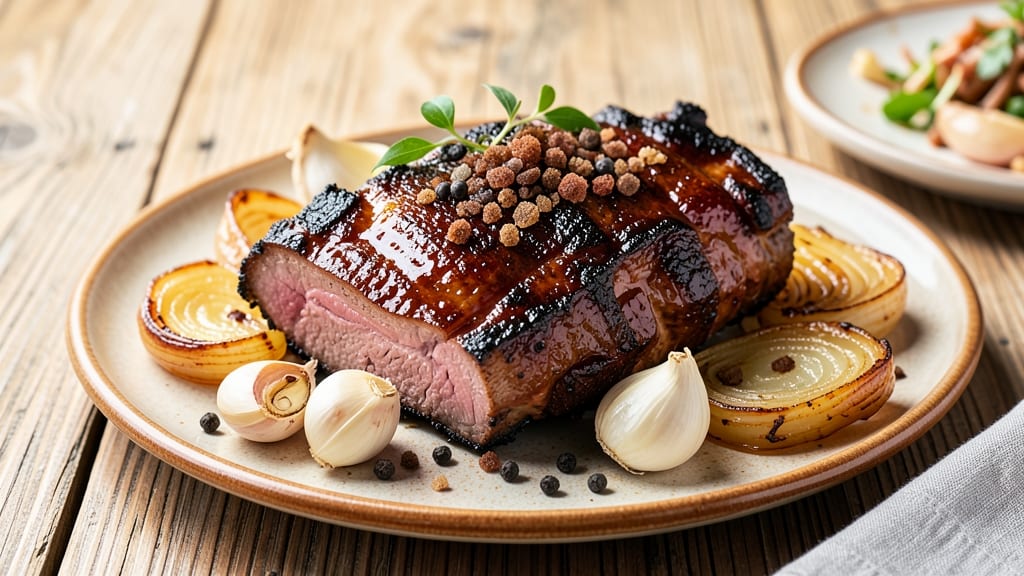
The barbecue pork rib roast delivers that perfect balance of smoky bark and juicy pink centers—something I’ve spent years perfecting over charcoal and in the oven. 🔥 This technique transforms tough cuts into melt-in-your-mouth perfection, whether you’re working with a traditional smoker or your home oven.
The secret lies in the slow cook, where patience pays off with layers of flavor that’ll have everyone asking for seconds.
What sets this recipe apart is the two-stage seasoning—a dry rub for depth followed by a glaze that caramelizes into a sticky, flavorful crust.
I’ve tested this method with both bone-in and boneless ribs, and the results are consistently tender, with a crust that’s crisp enough to hold up to a fork. The key is controlling the heat: low and slow for hours ensures the meat stays moist while developing that signature bark.
By the time you’re done, you’ll have a roast that’s juicy at the core and smoky on the outside, ready to be sliced against the grain for maximum tenderness. Serve with a tangy barbecue sauce for dipping or a simple green salad to cut through the richness.
This isn’t just a dish—it’s a centerpiece that turns any meal into a celebration.
The best part? This method works whether you’re using a smoker, oven, or even a grill—just adjust the timing. Let’s get cooking! The results are worth every minute of wait.
Ingredients for barbecue pork rib roast
Six ingredients transform tough pork ribs into melt-in-your-mouth perfection with smoky bark and juicy pink centers.
| Ingredient | Amount | Notes |
|---|---|---|
| Pork Rib Roast 🍖 | 4 lb | Bone-in preferred for flavor |
| Yellow Onion 🧅 | 1 whole | Large, sliced into wedges |
| Garlic Cloves 🧄 | 8 cloves | Peeled, minced for rub |
| Brown Sugar 🍚 | ½ cup | Packed, light brown preferred |
| Smoked Paprika 🌶️ | 2 tbsp | For deep smoky flavor |
| Ground Black Pepper 🌶️ | 1 tbsp | Freshly cracked for bite |
| Kosher Salt 🧂 | 2 tbsp | Diamond Crystal preferred |
| Dry Mustard 🌶️ | 1 tbsp | For tangy depth |
| Apple Cider Vinegar 🍎 | ¼ cup | For glaze acidity |
| Honey 🍯 | ¼ cup | Wildflower preferred |
| Unsalted Butter 🧈 | ¼ cup | Cold, cubed for glaze |
| Wood Chips 🌳 | 1 cup | Hickory or cherry preferred |
| Barbecue Sauce 🍅 | ½ cup | For serving, optional |
The pork rib roast is where it all begins—bone-in cuts deliver the best flavor, but boneless works too if you're in a hurry. Costco or local butchers usually have the best prices for whole ribs. Look for good marbling (that white fat streaked through the meat) and avoid anything with a sour smell. I like to prep the ribs the night before by trimming excess fat and scoring the surface in a crosshatch pattern—don't skip this step, it helps the rub penetrate deeper. For the wood chips, hickory or cherry gives that classic barbecue aroma, but fruit woods like apple add a subtle sweetness if you're feeling experimental.
No smoked paprika? Regular paprika plus a pinch of liquid smoke gets you close, though it won't be quite the same. Running short on honey? Maple syrup works 1:1, but it's heavier. The apple cider vinegar is non-negotiable for the glaze—it cuts through the richness and helps the bark set properly. For the dry rub, Trader Joe's or bulk spice sections have great options, but if you're using pre-made rubs, cut the salt in half since most already contain it. The butter in the glaze needs to be cold—take it straight from the fridge and cube it before mixing. Pro tip: if your ribs are large, double the glaze ingredients—it's worth the extra effort for that sticky, caramelized crust.
This isn't a recipe you want to rush. The ribs need at least 3 hours low and slow, but I usually plan for 4-5 hours to be safe. Keep them wrapped in foil with the wood chips and a splash of apple juice for the first 2 hours to render fat, then unwrapped for the final hour to develop that bark. Reheat leftovers in a 300°F oven for 20 minutes—they taste even better the next day. Store cooked ribs in the fridge for up to 4 days or freeze for 3 months. I always make extra because it disappears fast—great for sandwiches or tacos the next day.
Why You'll Love This Recipe
- One-Pan Magic: I swear by this recipe when I’m too tired to scrub pots—just toss the rib roast, onions, and garlic on a sheet pan, slather on that smoky paprika-brown sugar mix, and let the oven do the work. No flipping, no basting, no stress.
- Sweet-Smoky Bomb: That caramelized brown sugar clinging to the ribs? Absolute perfection. The smoked paprika gives it this deep, rustic warmth, while the onions melt into a sticky glaze that makes every bite taste like a backyard BBQ—even if you’re cooking indoors.
- Leftovers for Days: I make this on Sunday and eat it all week—sandwiches, salads, even fried rice. The meat stays tender, the sauce clings, and honestly? It’s better the second day because the flavors meld even more.
- Budget Crowd-Pleaser: A whole rib roast feeds six for less than $15, and the ingredients are pantry staples. Between us, this is how I feed my book club without breaking the bank—plus, everyone leaves happy, and I leave with leftovers. Win-win.
Step-by-step instructions for smoky barbecue rib roast
Here's how to transform that pork rib roast into tender, smoky perfection with a crackling bark.
🔥 Step 1: Prepare the Dry Rub and Season the Roast
In a medium bowl, combine the 0.5 cup brown sugar, 2 tbsp smoked paprika, 1 tbsp ground black pepper, 2 tbsp kosher salt, and 1 tbsp dry mustard. Mix until the sugar is evenly coated and the spices are fully incorporated. Here's the thing—don't skip the mustard, even if it seems weird. It adds that subtle tang that makes the rub sing.
Pat the 4 lb pork rib roast completely dry with paper towels. You want it bone-dry for maximum bark formation. Generously coat the roast with the rub mixture, pressing it into all the crevices and cracks. Let it sit at room temperature for 30 minutes while you prepare your smoker. This resting time lets the rub penetrate the meat and develop deeper flavor.
🔥 Step 2: Set Up Your Smoker for Low-and-Slow Cooking
Fill your smoker with the 1 cup wood chips—I prefer hickory for that classic barbecue flavor. Light them according to your smoker's instructions and let the temperature stabilize at 225°F. You'll know it's ready when you see clean, blue smoke (not thick white steam). This low temperature is crucial—it breaks down the tough collagen in the pork slowly, resulting in that melt-in-your-mouth tenderness.
While the smoker heats up, slice the 1 whole yellow onion into wedges and place them in a small bowl. You'll add these later to infuse the smoke with sweet onion flavor. Once your smoker reaches temperature, place the seasoned roast fat-side up on the grill grates. The fat will render slowly and baste the meat as it cooks, creating that perfect balance of moisture and crust.
🍳 Step 3: Smoke Until Probe-Tender (The Long Game)
Smoke the roast undisturbed for 4-5 hours, maintaining that 225°F temperature. This is where patience pays off—resist the urge to peek or move the roast. Every time you open the lid, you lose heat and moisture. You'll hit "the stall" around 165°F internal temperature, where the meat's moisture evaporates and the temperature plateaus. Don't panic; this is normal and expected.
Around the 4-hour mark, check the internal temperature with a meat thermometer. When it reaches 195-200°F, it's time to wrap the roast. I use heavy-duty aluminum foil here—wrap it tightly, sealing all edges to trap steam. This technique, called the "Texas crutch," helps push the meat through the stall and toward that perfect pink center.
🥘 Step 4: Prepare the Glaze and Finish Cooking
While the roast is wrapped, prepare the glaze by combining the 0.25 cup apple cider vinegar, 0.25 cup honey, and 0.25 cup cold unsalted butter in a small saucepan. Bring to a gentle simmer over medium-low heat and cook for 3-4 minutes until slightly thickened. Watch carefully—you don't want it to boil or the butter will separate.
Return the wrapped roast to the smoker and continue cooking until the internal temperature reaches 203°F (about 1-2 more hours). This final temperature ensures the meat is fork-tender with that signature pink center. When ready, remove the roast from the smoker and let it rest for 15 minutes before glazing. This resting period is crucial for juices to redistribute—don't skip it, even if it's tempting.
🍽️ Step 5: Glaze and Serve with Confidence
Unwrap the roast and brush the glaze mixture generously over all surfaces, including the fat cap. Return it to the smoker for 10-15 minutes to caramelize the glaze and create that beautiful sheen. The glaze should be sticky and glossy when done—this indicates proper caramelization.
Slice the roast against the grain into ½-inch thick portions. Serve immediately with the optional 0.5 cup barbecue sauce on the side for dipping. Each slice should have a dark, crackling bark on the outside and that perfect pink, juicy center. The onion wedges you smoked earlier make a great side—toss them in a little extra glaze before serving.
Pro Tips For Making Barbecue Pork Rib Roast
- SEAR THE ROAST FIRST: Hit the rib roast with a screaming-hot pan—no oil needed, just the natural fats—until it’s deep brown in spots. I used to skip this because it seemed like extra work, but that crust is what holds the barbecue flavors. Five minutes per side, no rush, and resist the urge to move it around.
- SWEAT ONIONS LOW: Chop the yellow onion into ¼-inch slices and cook them slow over medium-low heat until they’re translucent, not browned. I learned this the hard way—burnt onions make the sauce bitter. Add a pinch of salt and let them sit for 8-10 minutes, stirring occasionally, so they actually soften.
- DON’T SKIP THE GARLIC MINCE: Smash those garlic cloves with the flat side of your knife before mincing—it releases more flavor. I was skeptical until I tried it, and now I double-check every time. Freshly minced garlic in the rub or sauce makes a real difference, especially when paired with smoked paprika.
- REST THE MEAT UNDER FOIL: After pulling the roast from the oven or grill, tent it loosely with foil and let it sit for 15 minutes. I know, I know—you want to slice it immediately—but cutting into it too soon turns juicy meat into dry, sad shreds. Trust the process, even if you’re impatient like me.
Perfect pairings for these flavors
Smoky Sides
Smoked onions take center stage as the perfect foil for your pork rib roast. After smoking alongside the meat, toss those sweet, caramelized wedges with a splash of the same glaze you used on the roast.
The contrast between the smoky onions and the rich pork creates a flavor harmony that’s impossible to resist. I like to serve them on a bed of crispy potato salad—the cool, creamy potatoes balance the heat perfectly. 🌶️
Classic Sauce Pairings
While the roast itself has a built-in glaze, offering a traditional barbecue sauce on the side lets guests customize their experience. I recommend a tangy, slightly sweet sauce like Sweet Baby Ray's Original or a homemade version with apple cider vinegar and a touch of molasses.
For a smoky kick, add 1 tbsp of the leftover glaze to the sauce before serving. The sauce should complement, not overpower—the roast’s natural flavors should shine.
Fresh Contrasts
A vibrant shaved fennel and orange salad cuts through the richness of the pork with its bright citrus notes and crisp texture. Toss 2 cups shaved fennel with 1 orange segmented, ¼ cup olive oil, and 1 tbsp fresh thyme.
The anise flavor in fennel pairs surprisingly well with the smoky pork, while the orange adds a refreshing acidity. Serve chilled to let the coolness contrast the warm roast.
Bread and Butter
No barbecue meal is complete without crusty bread to soak up those juices. I love a homemade sourdough or a brioche roll brushed with garlic butter. For extra flair, sprinkle the bread with crushed red pepper flakes before serving.
The buttery richness of the bread balances the smoky, spicy flavors of the roast, making every bite a perfect harmony. 🍞
Dessert Harmony
End the meal with a dessert that carries the smoky theme into something sweet. A smoked bourbon pecan pie or honey-glazed peaches with a hint of hickory smoke tie the meal together beautifully.
For a simpler option, serve vanilla ice cream with a drizzle of the leftover glaze—it’s surprisingly delicious and lets the smoky-sweet flavors linger on your palate.
Drink Pairings
For beverages, a light lager like Peroni or a crisp Riesling cleanses the palate between bites. The effervescence of the lager cuts through the richness, while the acidity of the Riesling balances the smoky flavors.
If you’re serving bourbon pecan pie for dessert, a glass of bourbon neat or a smoked old-fashioned cocktail with a charred orange peel completes the experience. 🍷
Nutrition facts
Frequently asked questions
Can I use boneless pork ribs instead of bone-in for this recipe?
Yes, but you'll lose some flavor depth. Bone-in ribs develop more tenderness and smoky flavor from the marrow. If using boneless, reduce cook time by 30-45 minutes and monitor closely to avoid drying out. The glaze and rub will still work beautifully—just expect slightly less moisture retention.
What's the best way to handle the \"stall\" when smoking ribs?
The stall happens around 165°F when moisture evaporates. Wrap the ribs in foil with ½ cup apple juice and wood chips to maintain heat. This \"Texas crutch\" method keeps them moist while pushing through the stall. Most smokers recover in 1-2 hours after wrapping.
Can I make this in an oven instead of a smoker?
Preheat oven to 225°F and use a water pan on the lower rack for moisture. Smoke flavor comes from wood chips—soak ½ cup hickory chips in water for 30 minutes, drain, and place in a foil packet on the oven rack. Cook ribs for 5-6 hours total, wrapping at 195°F like the smoker method.
How do I know when the ribs are perfectly done?
Use a meat thermometer—203°F internal temp guarantees tender, juicy ribs with pink centers. The probe should slide in like butter. Look for a dark, crackling bark and slightly jiggly movement when lifted. If the bark cracks easily, it's ready for glazing.
What's the secret to getting that perfect bark?
Three keys: bone-dry meat (pat thoroughly), low-and-slow cooking (225°F), and unwrapped final hour. The sugar in the rub caramelizes into that signature crust. For extra crispness, broil for 2-3 minutes after glazing—just watch closely to avoid burning!