
Main Courses
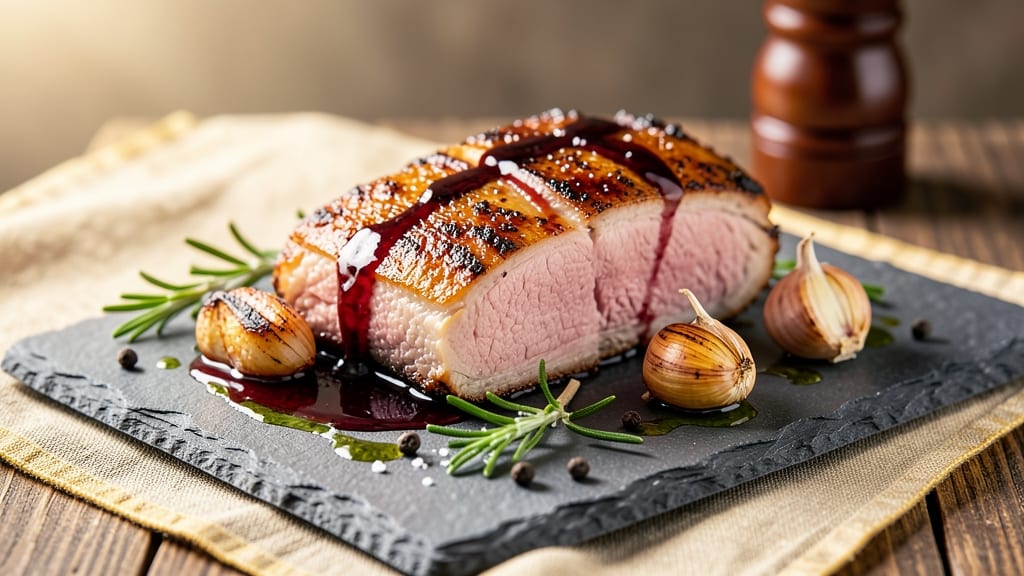
This balsamic roasted pork loin recipe delivers the perfect balance of juicy meat and tangy caramelized crust—a technique I perfected after years of testing in my Atlanta kitchen. The balsamic glaze transforms ordinary pork into something extraordinary, with deep flavors that impress even the most discerning guests.
What makes this recipe special is how the acidity of the balsamic tenderizes the meat while creating that signature glossy, sticky exterior.
We start with a simple yet effective seasoning blend—just salt, pepper, and garlic—that lets the pork’s natural flavor shine while the balsamic works its magic. The key is roasting the pork until it reaches 145°F internally, ensuring a tender, fall-apart texture.
This isn’t just another pork recipe; it’s a showstopper that pairs beautifully with roasted vegetables or a fresh herb salad, making it ideal for both weeknight dinners and special occasions.
The result is a pork loin with a rich, glossy crust that’s sweet, tangy, and slightly smoky, while the inside remains moist and flavorful. The balsamic glaze adds depth without overpowering the meat, creating a harmonious balance that’s both comforting and refined.
Whether you’re serving it at a family gathering or treating yourself to a special meal, this recipe delivers restaurant-quality results with minimal effort.
For an extra touch, I recommend brushing the pork with additional balsamic glaze during the last 10 minutes of roasting to intensify the flavor. This simple step elevates the dish to new heights, ensuring every bite is as delicious as the first. Let’s get cooking—your taste buds will thank you.
Ingredients for balsamic roasted pork loin
Juicy pork loin meets tangy balsamic magic—just 13 ingredients for restaurant-quality results.
| Ingredient | Amount | Notes |
|---|---|---|
| Bone-In Pork Loin 🐖 | 2 lb | Center-cut, 1.5-inch thick |
| Balsamic Vinegar 🍷 | ½ cup | High-quality aged variety |
| Olive Oil 🫒 | 2 tbsp | Extra-virgin for richness |
| Garlic Cloves 🧄 | 4 cloves | Minced for seasoning blend |
| Kosher Salt 🧂 | 1 ½ tsp | Diamond Crystal preferred |
| Freshly Ground Black Pepper 🌶️ | ½ tsp | Coarse grind preferred |
| Brown Sugar 🍚 | 2 tbsp | Light or dark variety |
| Mustard Powder 🍯 | 1 tsp | Dijon-style preferred |
| Fresh Rosemary 🌿 | ¼ cup | Finely chopped, stems removed |
| Fresh Thyme 🌿 | ⅛ cup | Leaves only, finely chopped |
| Honey 🍯 | 2 tbsp | Wildflower preferred |
| Fresh Thyme Sprigs 🌿 | 4 whole | For garnish |
| Fresh Rosemary Sprigs 🌿 | 2 whole | For garnish |
The pork loin is where it all begins. Bone-in, center-cut ensures maximum flavor and moisture—skip the leaner cuts. Look for a roast with good marbling at Whole Foods or your local butcher; the marbling translates to juicier meat. If you can't find bone-in, a boneless loin works too, but add a few extra minutes to the roasting time. The thickness matters too—1.5-inch thick gives you that perfect balance between crust and juicy center. For the balsamic, aged varieties (like those from Italian markets) add depth that regular balsamic vinegar can't match—worth the splurge if you're serving company.
No aged balsamic? Regular balsamic vinegar plus 1 tbsp of brown sugar mimics the depth. Fresh rosemary and thyme are ideal, but dried works at one-third the amount if you're in a pinch. The honey adds just the right touch of sweetness—avoid clover honey if you can; wildflower has more complexity. Mustard powder might sound odd, but it cuts through the richness and adds a subtle tang. For the garlic, minced is best, but a garlic press works in a hurry. The key is letting the pork rest after roasting—15 minutes minimum—so all those juices redistribute. Trust me on this.
This roast reheats beautifully—just warm it in the oven with a splash of water for 10-15 minutes at 325°F. The glaze keeps for 1 week in the fridge, so make extra. Store the pork in airtight containers with the glaze spooned over the top—keeps it moist and flavorful. For leftovers, slice against the grain for the most tender bites. The herbs? Tuck them into the meat before serving—fresh thyme and rosemary add a pop of color and aroma that makes the dish feel special.
Why You'll Love This Recipe
- One-Pan Magic: I swear by this recipe for lazy nights—just toss the pork, garlic, and balsamic on a sheet pan, then let the oven do the work. No chopping, no flipping, no stress.
- Crispy-Creamy Perfection: That bone-in pork gets so tender it falls off, while the edges stay gloriously crispy from the caramelized balsamic glaze. The garlic? It melts into every bite like a hug.
- Weeknight Hero: Between us, this is my go-to when I need something impressive but effortless—whether it’s feeding the family or surprising guests. Slice it thin, serve with crusty bread, and watch it disappear.
- Leftovers That Don’t Suck: Honestly, I make this on Sundays just for the leftovers. The pork reheats beautifully in sandwiches, salads, or even fried rice. (Yes, even on a Tuesday night.)
Step-by-step instructions for balsamic roasted pork loin
Here's how to create a perfectly balanced roast with a caramelized balsamic crust and tender interior.
Prepare the Pork Loin and Seasoning Blend
Remove the pork loin from the refrigerator and let it sit at room temperature for 30 minutes while you prepare the seasoning. This ensures even cooking throughout. Pat the pork dry with paper towels—this step is crucial for developing that beautiful caramelized crust.
In a small bowl, combine the 1.5 teaspoons kosher salt, 0.5 teaspoon freshly ground black pepper, 2 tablespoons brown sugar, 1 teaspoon mustard powder, 0.25 cup finely chopped fresh rosemary, and 0.125 cup finely chopped fresh thyme. Mix well to create a cohesive paste. The brown sugar and mustard powder will help create that signature caramelized crust while adding depth of flavor.
Create the Balsamic Glaze and Rub the Pork
In a small saucepan, combine the 0.5 cup balsamic vinegar and 2 tablespoons honey. Bring to a gentle simmer over medium heat and reduce by half—this should take about 5-7 minutes. You're looking for a thick, syrupy consistency that coats the back of a spoon. This glaze will become your pork's signature caramelized crust.
While the glaze reduces, rub the seasoning blend all over the pork loin, pressing it into the meat so it adheres well. Then, using a pastry brush, coat the pork evenly with the 2 tablespoons olive oil. This creates a barrier that helps the glaze stick and promotes even browning. Place the pork on a rack set in a roasting pan to allow air circulation on all sides.
Roast the Pork to Perfect Doneness
Preheat your oven to 375°F. Once preheated, place the pork loin in the oven and roast for 1 hour and 15 minutes. About 30 minutes into cooking, brush the pork with the reduced balsamic glaze. This creates the signature caramelized crust while keeping the interior juicy.
After the initial roasting time, increase the oven temperature to 425°F and continue roasting for an additional 10-15 minutes until the internal temperature reaches 145°F for medium-rare or 150°F for medium. The pork should have a deep caramelized crust and golden-brown edges. A meat thermometer is essential here—it's the only reliable way to ensure perfect doneness.
Rest and Serve with Garnish
Transfer the pork to a cutting board and tent loosely with aluminum foil. Let it rest for 15-20 minutes before slicing. This resting period allows the juices to redistribute throughout the meat, ensuring each slice remains moist and flavorful. The pork should be slightly pink in the center if you prefer medium-rare.
While the pork rests, drizzle any remaining balsamic glaze from the roasting pan over the top. Garnish with the 4 whole fresh thyme sprigs and 2 whole fresh rosemary sprigs for a beautiful presentation. Slice the pork against the grain into ½-inch thick slices and serve immediately with pan juices spooned over the top.
Pro Tips For Making Balsamic Roasted Pork Loin
- SEAR THE SKIN FIRST: After salting the pork loin, hit it with a hot pan—no oil needed—until the skin turns golden. I learned this the hard way: skipping the sear makes the balsamic glaze cling like syrup instead of crisping into a caramelized crust. (Yes, even if you’re impatient like me.)
- USE THICK BALSAMIC: Thin balsamic vinegar won’t cut it here—grab a reduction or aged balsamic glaze. Pour it over the pork after roasting, not before, so it doesn’t turn to ash. I used to dump it in early and wondered why my dish tasted like vinegar punch.
- DON’T CUT THE FAT CAP: That white layer of fat on the loin? Leave it. It renders down during roasting and keeps the meat juicy. I trimmed it once out of habit, and the result was dry—like overcooked chicken. (Your knife will thank you for resisting.)
- REST IT UNDER FOIL: After pulling the pork from the oven, tent it loosely with foil and let it sit for 5-10 minutes. This traps heat and lets the juices redistribute—no one wants a slice that oozes like a sad meatball. (Your future self will thank you.)
Dietary considerations for this dish
Gluten-Free Adaptations
The original recipe is naturally gluten-free, but always double-check your balsamic vinegar and brown sugar labels to ensure no cross-contamination. I prefer Bobby's Gluten-Free Balsamic for its rich flavor and certified gluten-free status. The seasoning blend remains safe as long as you use pure mustard powder without additives.
For extra security, toast your spices in a dry pan for 2 minutes to eliminate any potential gluten traces. 🌟
Low-Carb Options
To make this pork loin keto-friendly, skip the brown sugar in the seasoning and replace it with 1 teaspoon erythritol or monk fruit sweetener. The honey in the glaze can be swapped for sugar-free maple syrup (like Lakanto), which adds sweetness without carbs.
The balsamic vinegar remains carb-free, and the pork itself is naturally low-carb. Just be mindful of any hidden sugars in your olive oil—stick to brands like California Olive Ranch for purity.
Dairy-Free Considerations
This recipe is already dairy-free, but if you're concerned about potential cross-contamination, use a clean cutting board and knife for the pork. The rosemary and thyme should be fresh and pesticide-free (I recommend Whole Foods organic for peace of mind).
The glaze contains no dairy, and the seasoning blend is completely safe. For extra flavor without dairy, add 1 teaspoon smoked paprika to the seasoning—it enhances the balsamic notes beautifully.
Allergen-Friendly Tips
For nut allergies, ensure your honey is processed in a nut-free facility (like Madhava organic honey). If you're avoiding mustard, omit the mustard powder entirely—the recipe still works with just the salt, pepper, and herbs.
For soy allergies, check your balsamic vinegar label, as some brands may contain soy-based stabilizers. I always keep a soy-free balsamic on hand, like Balsamic Glaze by Colavita, for these situations.
Vegetarian Substitutes
While pork loin isn't vegetarian, you can create a similar balsamic-glazed experience with portobello mushrooms or firm tofu.
For mushrooms, marinate 4 large portobellos in 2 tbsp balsamic vinegar, 1 tbsp olive oil, and 1 tsp garlic powder for 30 minutes, then roast at 400°F for 20 minutes.
For tofu, press and bake 1 block extra-firm tofu with the same seasoning blend, then glaze with reduced balsamic. The texture won't match pork, but the flavors shine!
Nutrition facts
Frequently asked questions
Why does the recipe call for bone-in pork loin?
The bone-in cut stays juicier longer because the bone acts as a natural insulator, helping retain moisture during roasting. Plus, the bone adds depth of flavor that boneless cuts often lack. If you must use boneless, just increase the roasting time by 10-15 minutes to compensate.
Can I make this recipe in a slow cooker?
Not ideal for the caramelized crust, but you can adapt it! Sear the pork first, then cook on low for 4-5 hours with 0.25 cup balsamic vinegar and 1 tbsp honey in the bottom of the slow cooker. The flavors will blend, though the texture will be more tender than roasted. Save the glaze for serving.
What if my balsamic glaze isn't reducing properly?
If the glaze isn't thickening, you likely have too much liquid. Simmer uncovered on medium-low heat for 10-15 extra minutes—don't walk away! For faster results, reduce the initial balsamic to 0.3 cup instead of 0.5. If it still doesn't work, add 1 tsp cornstarch mixed with 1 tbsp water to thicken.
How do I reheat leftovers without drying them out?
Wrap slices tightly in foil with a splash of water, then reheat at 300°F for 10-12 minutes. For extra moisture, brush with a mix of 1 tbsp balsamic vinegar and 1 tsp honey. Never microwave—it turns pork rubbery. The glaze can be reheated separately on the stove.
What's the best way to serve this pork for a large gathering?
Slice against the grain and arrange on a platter with the pan juices spooned over. Garnish with fresh thyme sprigs and serve with:
- Garlic mashed potatoes (absorbs the juices)
- Roasted Brussels sprouts (with bacon)
- Crusty bread (for soaking up the glaze) For presentation, use a wooden board or slate platter to highlight the caramelized crust.