
Main Courses
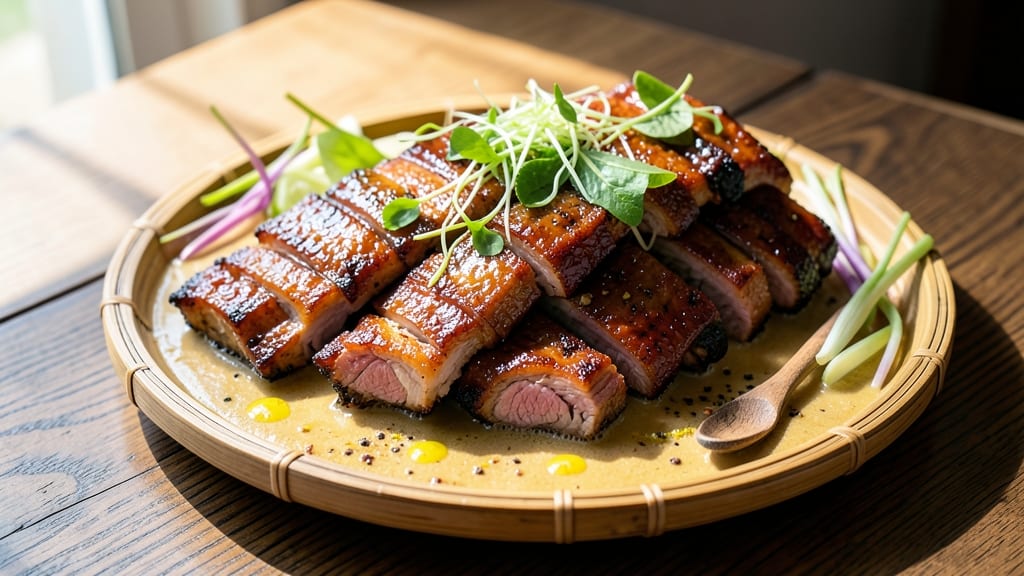
This Balinese pork ribs recipe transports you to the aromatic streets of Ubud with every bite—where coconut milk, lemongrass, and turmeric create a glaze so rich it practically melts into your bones. 🌟 After perfecting this dish during a trip to Bali, I knew it deserved a place in every home cook's repertoire, blending slow-cooked tenderness with a caramelized crust that's impossible to resist.
The secret lies in marinating the ribs overnight, allowing the spices to penetrate deeply while the coconut milk tenderizes the meat effortlessly.
What sets these ribs apart is the balance of flavors: the bright citrus of lemongrass and lime, the earthy warmth of turmeric and galangal, and the creamy sweetness of coconut milk that caramelizes into a sticky, irresistible glaze.
Unlike traditional BBQ, this method relies on a gentle simmer rather than high heat, preserving the meat's natural juices while developing layers of complexity. The ribs emerge fork-tender with a glossy sheen that begs to be licked clean from the bone.
Serve these ribs with steamed jasmine rice to soak up every last drop of that fragrant glaze, or pair them with a spicy sambal for a perfect balance of heat and sweetness.
The aroma alone—warm spices mingling with coconut—will have your kitchen smelling like a Balinese warung, while the presentation feels equally impressive, whether you're feeding a crowd or treating yourself to a special night in.
This recipe is designed to be your new go-to for weekend projects or dinner parties, where the slow cooking transforms tough cuts into melt-in-your-mouth perfection. The process is straightforward but requires patience, making it a rewarding challenge for home cooks eager to master the art of slow-braised pork.
Trust me, once you taste the difference between store-bought ribs and these, there's no going back.
Ingredients for balinese pork ribs
Six aromatic ingredients transform tough ribs into melt-in-your-mouth perfection with coconut and lemongrass.
| Ingredient | Amount | Notes |
|---|---|---|
| Pork Ribs 🍖 | 4 lb | Baby back or spare ribs, meaty bones |
| Coconut Milk 🥥 | 2 cans | Full-fat, 13.5 oz each (not light) |
| Lemongrass Stalks 🌿 | 6 whole | Bruised and cut into 2-inch pieces |
| Galangal 🍎 | 1 piece | About 3 inches, peeled and sliced |
| Turmeric Powder 🌶️ | 1 tbsp | Fresh root preferred but powder works |
| Ginger 🧅 | 2 tbsp | Fresh, grated (about 1-inch piece) |
| Garlic Cloves 🧄 | 8 cloves | Minced, about 2 tbsp total |
| Lime Juice 🍋 | ¼ cup | Freshly squeezed, about 2 limes |
| Fish Sauce 🍶 | 2 tbsp | Red Boat preferred for quality |
| Brown Sugar 🍚 | ½ cup | Light or dark, packed |
| Jasmine Rice 🍚 | 2 cups | Uncooked, for serving |
| Sambal Oelek 🔥 | 1 tbsp | Adjust for heat preference |
| Olive Oil 🫒 | 2 tbsp | For searing ribs |
| Salt 🧂 | 1 ½ tsp | Kosher or sea salt |
| Black Pepper 🌶️ | 1 tsp | Freshly ground |
The ribs should be meaty with bones—Costco or Whole Foods carry the best quality cuts. Look for bright red color and good marbling. Lemongrass is the heart of this dish; Asian markets usually have fresh stalks, but substitute with 1 tbsp lemongrass paste in a pinch. Galangal, that citrusy rhizome, is key for authentic flavor—find it in the international aisle or at a specialty grocer. If you can't, swap for extra ginger (about 1 extra tbsp). The coconut milk must be full-fat—no light versions here, as they won't caramelize properly.
No fish sauce? Soy sauce works in a bind, though it lacks depth. Running short on galangal? Double the ginger for a similar zing. Sambal Oelek is non-negotiable for heat lovers—Trader Joe's carries it, or any Asian market will have it. For a sweeter glaze, add 1 extra tbsp of brown sugar. The ribs can be prepped the night before; just store the marinade separately until ready to cook. If you're feeling fancy, wrap the ribs in banana leaves (available at Asian markets) for extra aroma during cooking.
These ribs reheat beautifully—350°F for 15 minutes in the oven with extra sauce. They keep for 4 days in the fridge, though the flavor deepens overnight. Freeze for 3 months by portioning into airtight containers. The glaze thickens when chilled, so reheat gently with a splash of water. Serve with steamed jasmine rice and extra sambal on the side for those who crave heat.
Why You'll Love This Recipe
- One-Pot Magic: I swear by this—just ribs, coconut milk, and a handful of stalks and roots simmering together. No chopping mountains of veggies or juggling multiple pans; the galangal and lemongrass do all the heavy lifting while you sip your coffee.
- Umami Bomb: That first bite? The turmeric gives it a golden glow, but the real star is the slow-braised richness—coconut milk clinging to tender ribs like a hug. Honestly, the kind of flavor that makes you pause mid-bite just to savor it.
- Weeknight to Weekend: Make it on a Tuesday when you’re too tired to think, then serve it at your next potluck like you’re a pro. The leftovers reheat beautifully, and the sauce thickens just enough to feel special without extra effort.
- Budget-Friendly Feast: Pork ribs stretch farther than you’d think when bathed in coconut milk, and galangal (if you can’t find it fresh) works just as well dried. Here’s what sold me—it’s the kind of meal that feels indulgent but won’t break the bank.
Step-by-step instructions for Balinese pork ribs
Let's bring these fragrant ribs to life with a perfect balance of smoky, sweet, and spicy flavors.
🔥 Step 1: Sear the Pork Ribs for Maximum Flavor
Heat a large oven-safe skillet over medium-high heat and add the 2 tablespoons olive oil. Once shimmering, carefully arrange the 4 lb pork ribs in a single layer, meaty side down. Let them sear undisturbed for 8-10 minutes until deeply golden brown and crispy in spots.
Here's the thing—this initial sear locks in juices and creates that beautiful caramelized crust we want. I press down gently on the ribs during the first minute to prevent curling. Flip them once and sear the other side for another 6-8 minutes. If the ribs start smoking too much, reduce heat slightly but don't rush—patience here makes all the difference.
👨🍳 Step 2: Build the Aromatic Base
While the ribs are searing, prepare the aromatic paste by combining the 6 lemongrass stalks (bruised and cut), 1 piece galangal (peeled and sliced), 2 tablespoons ginger, 8 garlic cloves (minced), 1 tablespoon turmeric powder, 1.5 teaspoons salt, and 1 teaspoon black pepper in a food processor. Pulse until finely chopped but not pasty—you want texture here.
Once the ribs are browned, remove them from the skillet and set aside. Add the aromatic paste to the same skillet and cook over medium heat for 3-4 minutes until fragrant. You'll smell that wonderful citrusy, spicy aroma—this is where the magic starts. Add the 2 tablespoons fish sauce and 0.5 cup brown sugar, stirring to combine.
🍳 Step 3: Simmer in Coconut Milk and Glaze
Pour in both cans coconut milk, scraping up any browned bits from the bottom. Return the ribs to the skillet, meaty side up, and bring everything to a gentle simmer. Cover partially and cook for 1 hour at 325°F in a preheated oven, or until the ribs are tender and the sauce has thickened.
Here's what to watch for: the sauce should reduce to a glossy, syrupy consistency that coats the ribs beautifully. If it looks too thin, uncover and simmer on the stovetop for another 10-15 minutes to thicken. Stir in the 0.25 cup lime juice and 1 tablespoon sambal oelek during the last 10 minutes of cooking—this brightens the flavors and adds that signature Balinese kick.
⏰ Step 4: Finish with Caramelized Glaze
Remove the ribs from the oven and transfer them to a serving platter. Increase the oven temperature to broil and place the skillet under the broiler for 3-5 minutes, watching closely. You want the sauce to caramelize and form a glossy glaze on the ribs—this is the moment that matters.
For the best results, I like to use a kitchen torch for the final step if available. Hold the flame about 4-6 inches away and carefully torch the ribs until you see those beautiful caramelized spots. This adds that restaurant-quality finish. The ribs should be tender enough to pull apart easily with tongs, with a glossy, sticky glaze that clings perfectly.
🍚 Step 5: Serve with Jasmine Rice
While the ribs are finishing, cook the 2 cups jasmine rice according to package instructions. I like to use a rice cooker for perfect, fluffy grains every time. Serve the ribs hot over the jasmine rice, spooning plenty of that fragrant coconut glaze over the top.
Here's a pro tip: let the ribs rest for 5 minutes before serving—this helps the juices redistribute and makes each bite even more flavorful. Garnish with additional lime wedges and fresh cilantro if you like, but don't overpower the beautiful flavors we've built. The aroma alone will have everyone gathering around the table!
Pro Tips For Making Balinese Pork Ribs
- BLANCH THE LEMONGRASS: Slit the stalks lengthwise and blanch them in boiling water for 30 seconds first—this softens them without turning the broth bitter. I used to skip this and ended up with chewy, overpowering lemongrass chunks that ruined the balance. Trust me, the texture and flavor pay off.
- SIMMER LOW AND COVERED: After the initial sear, reduce heat to a bare simmer and keep the pot covered for the first 45 minutes. This lets the ribs absorb the coconut milk and spices evenly without drying out. I learned this the hard way when my first batch turned out tough—turns out, patience is key here.
- GRATE THE GALANGAL FINE: Use a microplane or the smallest holes on a grater for the galangal—this releases its oils and aroma without turning the sauce gritty. I was lazy once and just chopped it, and the dish lacked that deep, peppery punch. A little extra effort makes a real difference.
- STRAIN THE COCONUT MILK: Line a fine-mesh sieve with cheesecloth and strain the coconut milk before adding it to the pot. This removes any sediment that can make the sauce taste off or curdle. It’s an extra 2 minutes, but your sauce will be silky smooth—no excuses.
Pro cooking tips for perfect results
Marinate Overnight
This isn't just a suggestion—it's non-negotiable for tender, flavor-packed ribs.
I start by combining 1 can coconut milk, 2 tbsp fish sauce, 0.25 cup lime juice, 1 tbsp turmeric, 2 tbsp ginger, 2 tbsp minced garlic, and 1 tbsp sambal oelek in a large zip-top bag.
Add the ribs, seal tightly, and refrigerate for 12-24 hours. The acidity in the lime and fish sauce breaks down collagen, while the spices infuse deeply. Pro tip: Massage the marinade into the ribs every few hours if you remember. 💫
Sear Like a Pro
Don't skip this step—it's what creates that restaurant-quality crust. Heat your oven-safe skillet over medium-high heat until it's screaming hot, then add 2 tbsp olive oil. Arrange the ribs in a single layer, meat-side down, and let them sear undisturbed for 8-10 minutes.
Here's my secret: Use a pair of tongs to press down gently on the ribs during the first minute to prevent curling. Flip once and sear the other side for 6-8 minutes. The ribs should be deeply golden with crispy edges—this is your flavor foundation.
Controlled Simmering
After searing, transfer the ribs to a 325°F oven with their aromatic marinade and coconut milk. The key here is patience—simmer gently for 1 hour with the lid slightly ajar. This allows the sauce to reduce while keeping the ribs moist.
I check every 15 minutes to ensure the sauce isn't reducing too quickly. If it does, transfer to the stovetop and simmer uncovered for 10 minutes to thicken. The glaze should coat the back of a spoon when you lift it.
Glaze Perfection
For that signature caramelized finish, broil the ribs for 3-5 minutes under the oven's broiler. Watch closely—the sauce should bubble and thicken into a glossy glaze. If you have a kitchen torch, this is where it shines.
Hold the flame 4-6 inches away and torch the ribs until you see those beautiful caramelized spots. This step elevates the dish from good to showstopping. The ribs should pull apart easily with tongs, revealing tender meat and a sticky, fragrant glaze. 🔥
Rest Before Serving
This is where many home cooks make their biggest mistake. Resist the urge to serve immediately—let the ribs rest for 5-10 minutes before plating. This allows the juices to redistribute, ensuring every bite is moist and flavorful.
I also recommend tenting the ribs loosely with foil during this time to keep them warm. Serve with jasmine rice and extra glaze spooned over the top. The aroma alone will have everyone at your table smelling like they're in a Balinese warung.
Equipment Must-Haves
You don't need a fancy setup, but a few key tools make this recipe foolproof. First, a heavy-duty oven-safe skillet—I swear by my Lodge cast iron—handles the searing and simmering like a champ. A meat thermometer ensures the ribs reach 203°F internal temperature for perfect tenderness.
For the glaze, a kitchen torch adds that professional touch, but a broiler works in a pinch. And don't forget a food processor for that aromatic paste—it saves time and ensures even distribution of flavors. 💡
Nutrition facts
Frequently asked questions
Can I substitute regular ribs for baby back ribs?
While baby back ribs are ideal for their tenderness, spare ribs work beautifully too. The key is to increase cooking time by 15-20 minutes since they have more connective tissue. Just monitor the internal temperature—203°F is perfect for both types. The coconut glaze will still caramelize wonderfully, though you might need an extra 10 minutes under the broiler for that crispy finish.
What if I can't find galangal or lemongrass?
No problem! For galangal, double the ginger (4 tbsp total) and add 1 tsp citrus zest (like lime or orange) to mimic its citrusy punch. For lemongrass, use 1 tbsp lemongrass paste> (found in Asian markets) or 2 tbsp lime zest + 1 tbsp lime juice. The dish will still taste amazing—just slightly different. The coconut and turmeric carry the flavor beautifully.
How do I make this recipe vegetarian?
Swap the pork ribs for mushroom crowns (thick portobello slices) or jackfruit (shredded and marinated). Use the same marinade and cooking method, but reduce oven time to 45 minutes since vegetables cook faster. For texture, add 1 cup cooked chickpeas to the skillet during the last 10 minutes of simmering. The coconut glaze will still cling perfectly!
Can I make this in a slow cooker?
Yes! Sear the ribs as directed, then transfer everything (including the aromatic paste) to a 6-quart slow cooker. Cook on LOW for 6-7 hours or HIGH for 4-5 hours. The ribs will be tender, but you'll need to finish them under the broiler for 5 minutes to create that caramelized glaze. The sauce might be thinner, so reduce it on the stovetop before serving.
What's the best way to reheat leftovers?
Reheat in a 350°F oven for 15-20 minutes with a splash of water or coconut milk to prevent drying. For extra flavor, brush with a little extra marinade before reheating. Microwaving works in a pinch (covered for 2 minutes), but the texture won't be as perfect. The ribs keep well for 4 days in the fridge—flavors actually deepen overnight!