
Main Courses
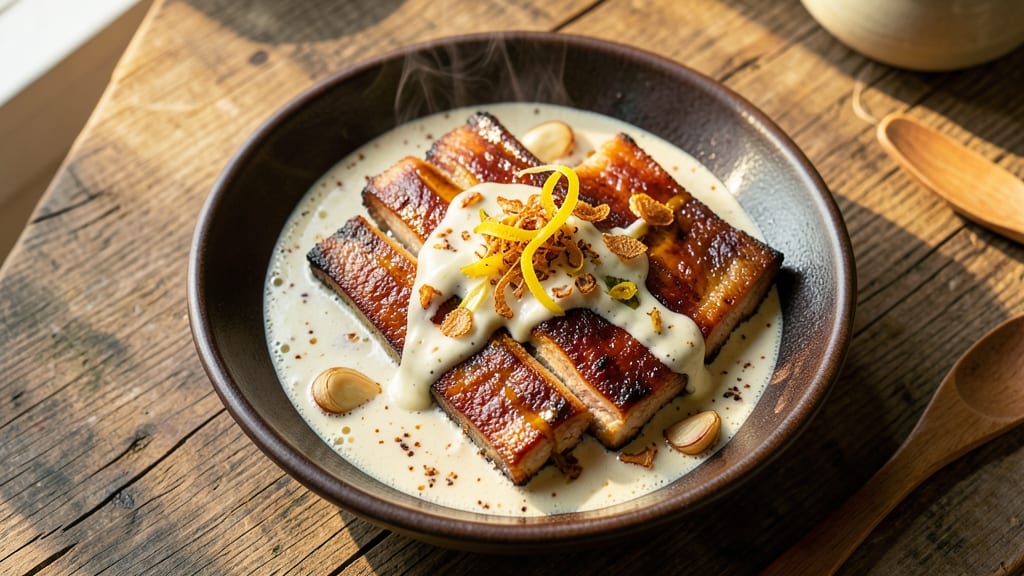
This Filipino-style braised pork ribs recipe delivers melt-in-your-mouth tenderness that comes from slow-cooking in rich coconut milk and aromatic spices. I first tasted this dish in Manila, where pork ribs simmered for hours until falling apart—now I’ve perfected the technique for home cooks.
The secret lies in balancing sweet soy sauce, tangy vinegar, and the bright citrus of calamansi, creating a sauce that’s both complex and deeply comforting.
The ribs begin with a marinade of garlic, ginger, and patis (Filipino fish sauce), which infuses flavor deep into the meat before braising. Coconut milk transforms the dish into something luxurious yet approachable, while bay leaves and black pepper add warmth.
What makes this recipe special is how it turns tough ribs into restaurant-quality tenderness—no dry, stringy texture here.
By the time you’re done, you’ll have ribs that practically dissolve at the touch of a fork, bathed in a glossy, fragrant sauce. Serve them over steamed rice with a side of pickled vegetables or a bowl of sinigang broth to complete the Filipino meal.
The aroma alone will bring your kitchen to life, and every bite delivers that perfect harmony of sweet, salty, and tangy flavors.
This method works equally well for pork spares or baby back ribs, and the leftovers reheat beautifully—making it ideal for meal prep. The key is patience; slow cooking is what transforms ordinary ribs into something extraordinary. Let’s get started on this dish that tastes like home.
Ingredients for braised pork ribs filipino
Rich coconut milk, tangy citrus, and aromatic spices—these are the stars of your Filipino braised pork ribs.
| Ingredient | Amount | Notes |
|---|---|---|
| Pork Ribs 🍖 | 2 ½ lb | Baby back or spare ribs, cut into 2-inch pieces |
| Coconut Milk 🥥 | 1 can | Full-fat, 13.5 oz can |
| Soy Sauce 🍶 | ½ cup | Dark soy sauce preferred |
| Calamansi Juice 🍋 | ¼ cup | Or substitute lime juice |
| Garlic Cloves 🧄 | 8 cloves | Minced, for marinade |
| Fresh Ginger 🌿 | 2 tbsp | Grated, for marinade |
| Patis (Filipino Fish Sauce) 🍶 | 2 tbsp | Or substitute soy sauce |
| Bay Leaves 🌿 | 2 whole | For braising |
| Black Peppercorns 🌶️ | 1 tsp | Coarsely crushed |
| White Vinegar 🍶 | ¼ cup | For tangy balance |
| Onion 🧅 | 1 whole | Large, sliced |
| Olive Oil 🫒 | 2 tbsp | For searing |
| Brown Sugar 🍚 | 2 tbsp | Lightly packed |
| Salt 🧂 | 1 ½ tsp | Kosher or sea salt |
The ribs are the foundation, so baby back or spare ribs work best—they're tender enough to braise beautifully. I always grab mine from Filipino markets or the meat section at Costco when they're on sale. Look for ribs with good marbling; they'll stay juicier during the long cook. For the coconut milk, full-fat is non-negotiable—it adds that luxurious creaminess. If you can't find calamansi, lime juice works, though it's not quite the same bright citrus punch. The patis (Filipino fish sauce) is what gives this dish its authentic umami depth—look for it in the Asian aisle or order online if your local store doesn't carry it.
No patis? Double the soy sauce and add a dash of anchovy paste (if you're okay with fish flavor). Fresh ginger and garlic are ideal, but jarred minced ginger saves time. The brown sugar might seem like an odd addition, but it cuts through the richness of the coconut milk beautifully. If you're worried about sweetness, start with just 1 tbsp and adjust to taste. The bay leaves add that earthy warmth—don't skip them. For the onion, I like to caramelize it first in the olive oil before adding the ribs, but you can throw it in raw if you're in a hurry. The vinegar is key for that tangy balance, so don't substitute with lemon juice—it's too mild.
This dish tastes even better the next day, so make extra if you can. Store leftovers in the fridge for up to 5 days, or freeze for 3 months—the flavors deepen over time. I like to portion mine into containers for easy reheating. When reheating, add a splash of water or coconut milk to keep the sauce from drying out. The ribs reheat beautifully, though they'll be slightly softer than when first made. If you're prepping ahead, you can marinate the ribs overnight—trust me, it makes a difference. The sauce reduces as it cooks, so if you're making this for a crowd, double the coconut milk and soy sauce.
Why You'll Love This Recipe
- One-Pot Magic: I swear by this recipe—just ribs, coconut milk, and a splash of soy sauce simmering together. No fancy gadgets, no last-minute shopping runs; the hardest part is peeling the garlic (and even that’s just a few cloves).
- Tangy Creamy Bliss: That calamansi juice? It’s the secret weapon—bright, citrusy, and just sweet enough to cut through the richness of the coconut milk. The result? A sauce that’s dangerously addictive, with ribs falling off the bone but still holding onto that perfect crisp.
- Leftovers That Shine: Between us, this dish begs to be made extra. The braised ribs reheat like a dream—just a quick warm on the stove or microwave—and taste just as good the next day. Honestly, I’ve had it cold in rice bowls, and it’s still solid.
- Budget-Friendly Feast: Pork ribs are often overlooked, but they’re my go-to for affordable meals. A few bones stretch into multiple servings, and the coconut milk adds luxury without breaking the bank. Plus, you’re using pantry staples—no weird ingredients to hunt down.
Step-by-step instructions for braised pork ribs Filipino recipe
This method delivers melt-in-your-mouth tenderness with rich coconut milk and bold Filipino flavors.
Marinate the Ribs for Maximum Flavor
In a large bowl, combine the 2.5 lb pork ribs, 0.5 cup soy sauce, 0.25 cup calamansi juice, 8 cloves minced garlic, 2 tbsp grated fresh ginger, 2 tbsp patis, 1.5 tsp salt, and 1 tsp coarsely crushed black peppercorns. Mix thoroughly until the ribs are completely coated in the marinade. I like to massage the marinade into the meat to ensure every crevice gets flavor.
Cover the bowl and refrigerate for at least 4 hours, or overnight if possible. This long marinating time breaks down the collagen in the ribs, making them incredibly tender. The calamansi juice adds a bright citrus note that balances the richness of the coconut milk later on. Don't skip this step—it's what transforms tough ribs into melt-in-your-mouth perfection.
Sear the Ribs for Deep Flavor
Heat a large Dutch oven or heavy pot over medium-high heat. Add the 2 tbsp olive oil and let it get hot but not smoking. Working in batches if needed, add the marinated ribs and sear for 3-4 minutes per side until they develop a deep golden brown crust. You want that beautiful Maillard reaction happening—this builds layers of flavor that the braising liquid will soak up.
As you sear, remove the ribs and set them aside. In the same pot, add the 1 whole sliced onion and cook for 2-3 minutes until softened. This step develops the onion's natural sweetness and adds another flavor dimension to your braise. Keep the onions in the pot—they'll become part of your sauce.
Build the Braising Liquid
Pour in the 1 can coconut milk, scraping up any browned bits from the bottom of the pot. Add the 2 tbsp brown sugar, 0.25 cup white vinegar, and 2 whole bay leaves. Bring the mixture to a gentle simmer over medium heat, then reduce heat to low. Here's where it gets interesting—the coconut milk will start to separate slightly, but that's normal and actually adds texture to the finished dish.
Return the seared ribs to the pot, arranging them in a single layer. The liquid should come about halfway up the ribs. If it's too shallow, add a splash of water to maintain moisture. The key here is patience—the ribs need time to become fork-tender. Cover the pot and let it simmer gently for 1 hour 30 minutes, turning the ribs occasionally to ensure even cooking.
Finish with Perfect Tenderness
After the initial braising time, check for doneness by inserting a fork into the thickest part of a rib. If it slides in easily with just slight resistance, your ribs are ready. If not, continue simmering uncovered for another 15-30 minutes, basting occasionally with the cooking liquid. The ribs should be fork-tender with just a hint of chewiness—this is the perfect texture we're aiming for.
Once tender, remove the ribs to a serving platter and tent loosely with foil. Let them rest for 10 minutes before serving. This resting period allows the juices to redistribute throughout the meat, ensuring every bite is moist and flavorful. The braising liquid should now be rich, slightly thickened, and infused with all the aromatics—save this for serving over rice or as a sauce for noodles.
Serve with Confidence
Discard the bay leaves and adjust the seasoning of the braising liquid if needed—add a splash more soy sauce for saltiness or a bit of vinegar for tang. The ribs should have a beautiful caramelized color from the searing, with a glossy sheen from the coconut milk braise. Serve the ribs with the braising sauce spooned over each portion, accompanied by steamed white rice to soak up all that delicious liquid.
Each bite should deliver tender, flavorful meat with a perfect balance of coconut richness, savory soy, and bright citrus notes. The ribs should pull apart easily with a fork, signaling their perfect tenderness. This dish makes 4 generous servings, so you'll have leftovers that taste even better the next day—just reheat gently with a splash of water to maintain moisture.
Pro Tips For Making Braised Pork Ribs Filipino
- Brown the Ribs First: Don’t skip the sear—pat those pork ribs dry and hit them with a hot pan for 3-4 minutes per side until deep golden. I used to rush this, and my braise always tasted flat. That crust locks in flavor when the coconut milk and soy sauce later melt into the pan.
- Use Full-Fat Coconut Milk: The creamy version isn’t just for texture—it’s for depth. Thin coconut milk (or even worse, coconut milk beverage) won’t give the same rich mouthfeel or fat to balance the acidity of calamansi. If you’re out, add 1 tablespoon of coconut cream per cup of milk, but don’t skip it entirely.
- Simmer, Don’t Boil: Keep the heat at a gentle simmer, not a rolling boil. I learned this after my ribs turned rubbery and the sauce separated like oil and water. A low simmer (small bubbles, occasional swirls) keeps the collagen melting slowly for tender meat and a glossy sauce.
- Strain the Garlic: Crush the garlic cloves but don’t chop them—strain out the pulp after frying. I was skeptical until I tried it: the strained garlic infuses the oil without the bitterness or gummy texture that chopped garlic leaves behind. Save those cloves for garnish if you’re feeling fancy.
Serving suggestions for this dish
Filipino Rice Pairing
Steamed jasmine rice is the traditional base for these ribs—its delicate floral aroma complements the rich coconut sauce beautifully. I recommend cooking 1.5 cups uncooked rice with 2.5 cups water in a rice cooker, then fluffing with a fork before serving.
For extra authenticity, try sinangag, crispy garlic fried rice—just sauté 2 cups cooked rice with 3 minced garlic cloves and 2 tbsp butter until golden. 🍚
Pickled Vegetable Contrast
Add a tangy crunch with achara (Filipino pickled vegetables). Thinly slice 1 carrot, 1 small daikon radish, and 1 green papaya, then soak in a mix of 1 cup vinegar, 1 tbsp sugar, and 1 tsp salt for at least 2 hours.
The bright acidity cuts through the richness of the ribs, balancing every bite. Store-bought achara from Asian markets works too!
Coconut Milk Sauce Upgrade
For a restaurant-worthy touch, finish the sauce with 1 tbsp toasted coconut flakes and 1 tsp chili flakes. The nutty crunch from the coconut and subtle heat elevate the dish instantly.
I also like to drizzle with fresh calamansi juice (or lime) right before serving to brighten the flavors. Save some sauce to spoon over each serving—it’s that good! 🥥
Side Dish Trio
Round out the meal with this classic trio: steamed rice, achara, and garlic sautéed string beans. Toss 1 lb green beans with 2 minced garlic cloves, 1 tbsp soy sauce, and 1 tsp sugar, then stir-fry for 3-4 minutes until crisp-tender.
The beans add freshness that balances the richness of the ribs perfectly.
Garnish Like a Pro
Finish each plate with chopped cilantro and toasted sesame seeds. The fresh herb adds brightness, while the sesame seeds give a nutty crunch. For a pop of color, scatter thinly sliced scallions around the plate. These simple garnishes make the dish look as impressive as it tastes! ✨
Nutrition facts
Frequently asked questions
Can I substitute regular fish sauce for patis?
While you can use regular fish sauce in a pinch, patis (Filipino fish sauce) has a distinct sweet-salty profile that makes this dish authentic. For the closest substitute, mix 1 tbsp fish sauce with 1 tsp sugar and 1 tsp soy sauce to mimic its depth. If you're avoiding fish entirely, double the soy sauce and add 1 tsp sugar to balance the flavors.
How do I make these ribs extra tender?
The secret lies in the marinade and braising time! Start by marinating the ribs for at least 4 hours (overnight is best) to break down collagen. Then, braise them covered on low heat for 1 hour 30 minutes, turning occasionally. For even more tenderness, add 1 cup water to the braising liquid to keep everything moist. The ribs should fall apart with a fork when done.
Can I use a slow cooker instead of a Dutch oven?
Transfer the seared ribs and braising liquid to a slow cooker and cook on low for 6-7 hours or high for 3-4 hours. The slow cooker maintains gentle heat, which is perfect for tenderizing the ribs. Just skip the searing step if your slow cooker isn't oven-safe, and sauté the onions directly in the pot before adding the ribs and liquid.
What if my coconut milk separates during cooking?
This is completely normal! The coconut milk will naturally separate as it heats, but it won’t affect the flavor or texture. Stir gently to recombine the layers if you prefer a smoother sauce. For a creamier finish, whisk in 1 tbsp cornstarch mixed with 2 tbsp water at the end of cooking. The sauce should thicken slightly, creating a glossy, restaurant-quality finish.
How do I reheat leftovers without drying them out?
Reheat gently in a skillet with 2 tbsp water or coconut milk over low heat for 5-7 minutes, stirring occasionally. Avoid microwaving, as it can make the ribs rubbery. For extra flavor, add a splash of soy sauce or a pinch of sugar to refresh the sauce. Leftovers taste even better the next day, so don’t hesitate to make extra!