
Main Courses
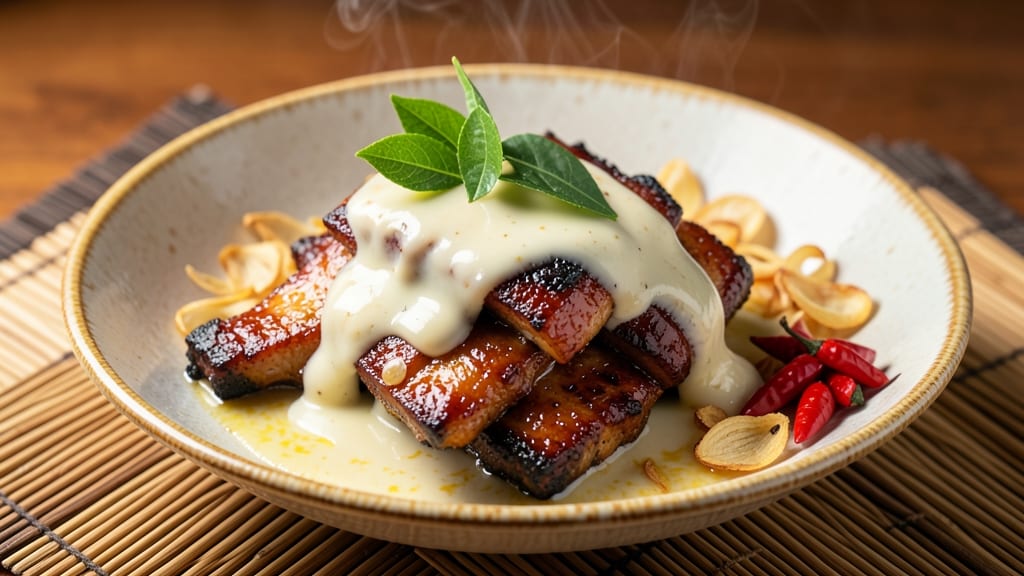
This Bali pork ribs recipe transports you to Indonesia's shores with its sweet-spiced coconut glaze and perfectly crispy edges—just like the ribs I perfected during my travels through Southeast Asia.
The secret lies in balancing traditional Balinese flavors like turmeric and lemongrass with the caramelized richness of coconut milk, creating a sauce that's both complex and deeply satisfying.
What makes these ribs special is their ability to deliver restaurant-quality results at home, with tender meat that practically melts in your mouth.
The process begins with a marinade that infuses the ribs with aromatic spices over several hours, ensuring every bite is packed with flavor. We'll then slow-cook them to develop that signature tenderness before finishing with a high-heat sear to achieve those coveted crispy edges.
The coconut glaze, reduced to a thick, sticky consistency, caramelizes beautifully during the final basting, creating a perfect balance of sweet, savory, and slightly spicy notes. This method transforms tough cuts into melt-in-your-mouth perfection.
What you'll end up with is a dish that's equally impressive served at a family gathering or as a weeknight dinner. The ribs develop a beautiful mahogany color with a glossy, caramelized glaze that clings to every piece, while the meat remains juicy and tender throughout.
The aroma alone—warm spices mingling with coconut and caramel—will have everyone gathering around your table. This recipe delivers on the promise of transporting you to Bali without ever leaving your kitchen.
Pair these ribs with steamed jasmine rice and a side of sambal for the full Balinese experience, or serve them over a bed of greens for a lighter option.
The leftovers reheat beautifully, making this an excellent meal prep choice for busy weeks. Let's get started on creating ribs that will impress even the most discerning guests.
Ingredients for bali pork ribs
These aromatic ingredients create Bali's signature sweet-spiced coconut glaze for ribs that transport you straight to Indonesia.
| Ingredient | Amount | Notes |
|---|---|---|
| Pork Ribs 🥓 | 3 lb | Baby back or spare ribs, cut into individual ribs |
| Coconut Milk 🥥 | 1 ½ cups | Full-fat canned for richness |
| Brown Sugar 🍯 | ½ cup | Packed, light or dark |
| Lemongrass 🌿 | 3 stems | White parts only, finely chopped |
| Ginger 🧄 | 1 ½ inch | Fresh, peeled, sliced thin |
| Galangal 🌿 | 1 ½ inch | Fresh, peeled, sliced thin |
| Turmeric Powder 🌶️ | 1 tbsp | Freshly ground for vibrant color |
| Garlic Cloves 🧄 | 6 cloves | Peeled, minced |
| Fish Sauce 🍶 | 2 tbsp | Red Boat preferred |
| Soy Sauce 🥢 | 2 tbsp | Kikkoman preferred |
| Lime Juice 🍋 | ¼ cup | Freshly squeezed |
| Vegetable Oil 🫒 | 2 tbsp | For searing ribs |
| Salt 🧂 | 1 ½ tbsp | Kosher or sea salt |
| Black Pepper 🌶️ | 1 tsp | Freshly ground |
| Cinnamon Sticks 🌿 | 2 whole | For aroma infusion |
The fresh galangal and lemongrass are game-changers here—find them at Asian markets or well-stocked grocery stores like H Mart. If you can't locate galangal, extra ginger at double the amount works in a pinch, though it won't be identical. For coconut milk, full-fat canned is non-negotiable—the richness is essential for that authentic caramelized glaze. The Red Boat fish sauce adds that umami depth that separates this from regular ribs. I always buy extra since it keeps for years in the pantry. Look for vibrant, fresh spices—if your turmeric smells musty or your lemongrass has brown spots, skip it.
No fresh galangal? Ginger plus a pinch of cardamom mimics some of its peppery bite, though it won't be perfect. Short on fish sauce? Soy sauce plus a splash of Worcestershire works, but you'll lose that authentic Balinese depth. The brown sugar can be swapped for coconut sugar for a more authentic flavor profile. For the ribs themselves, baby back ribs are ideal, but spare ribs work too—just add 15 extra minutes to the cooking time. The cinnamon sticks are optional but add a beautiful aroma during cooking—remove them before serving.
Marinated ribs keep 24 hours in the fridge, so make them ahead for maximum flavor infusion. The glaze can be prepped 1 day ahead and reheated gently before basting. Store leftover ribs in an airtight container with a thin layer of sauce for 4-5 days. They reheat beautifully—just warm in the oven at 300°F for 15 minutes with a splash of water to keep them moist. The glaze freezes well too, so make extra for future meals. These ribs are worth the effort—they're the star of any gathering, from weeknight dinners to holiday feasts.
Why You'll Love This Recipe
- One-Pot Magic: I swear by this recipe—just ribs, coconut milk, and a handful of pantry staples simmering together. No chopping, no fussing, and honestly? That first whiff of ginger and lemongrass hitting the stove is half the fun.
- Sweet-Savory Balance: Between the caramelized brown sugar and the bright, herby lemongrass, every bite is pure satisfaction. The coconut milk keeps it creamy without being heavy, and the ribs? Fall-off-the-bone tender.
- Budget Feast for Crowds: Pork ribs are affordable, and this recipe stretches them far. I’ve fed six people for under $20, and the leftovers? They disappear faster than I can say “second helping.”
Step-by-step instructions for Bali pork ribs with sweet-spiced coconut glaze
Here's how to create restaurant-quality ribs with tender meat and a glossy, aromatic glaze.
Prepare the Marinade and Sear the Ribs
In a blender, combine all 1.5 cups coconut milk, 0.5 cup brown sugar, 3 stems chopped lemongrass, 1.5 inch sliced ginger, 1.5 inch sliced galangal, 1 tbsp turmeric powder, 6 cloves minced garlic, 2 tbsp fish sauce, 2 tbsp soy sauce, 0.25 cup lime juice, 1.5 tbsp salt, 1 tsp black pepper, and 2 whole cinnamon sticks. Blend until completely smooth, scraping down the sides as needed.
Pat the 3 lb pork ribs dry with paper towels and season generously with additional salt and pepper. Heat 2 tbsp vegetable oil in a large oven-safe skillet over medium-high heat. Once shimmering, add the ribs in a single layer and sear for 4-5 minutes per side until deeply golden brown. The edges should develop a caramelized crust while the meat remains tender. Transfer the ribs to a plate and tent loosely with foil.
Simmer the Ribs in the Glaze
Pour the marinade mixture into the same skillet, scraping up any browned bits from the bottom. Return the ribs to the skillet, bone-side down, and bring the liquid to a gentle simmer over medium heat. The glaze should coat the ribs completely, creating a protective layer that will caramelize beautifully.
Cover the skillet and simmer for 1 hour, turning the ribs occasionally to ensure even coating. After 30 minutes, check the glaze - if it thickens too much, add 2-3 tablespoons of water to maintain a syrupy consistency. The ribs are ready when they're tender enough to pull apart easily with two forks and the glaze has reduced to a glossy, thick sauce.
Finish with Crispy Edges and Glossy Glaze
Preheat your oven to 375°F. Transfer the skillet with ribs and glaze to the oven and bake for 20-25 minutes, uncovered. This final step develops those coveted crispy edges while keeping the meat tender. Watch closely after 15 minutes - the glaze should be bubbling and the ribs should be deep golden brown.
Once the ribs are perfectly crisp and the glaze has thickened to a glossy finish, remove from the oven. Let the ribs rest for 10 minutes before serving. This resting period allows the juices to redistribute, ensuring each bite is moist and flavorful. Serve with steamed jasmine rice and fresh cucumber slices to balance the rich, spiced flavors.
Pro Tips For Making Bali Pork Ribs
- BLANCH THE RIBS FIRST: I learned this the hard way—skipping the 3-minute boil in salted water before braising means your ribs will release more fat into the coconut milk, making the sauce greasy. A quick blanch also helps tenderize them faster.
- GRATE THE LEMONGRASS FINE: Sounds tedious, but using a microplane instead of chopping it leaves behind bitter strings and ensures every bite gets that bright, citrusy punch. Yes, even if you’re impatient like me—this makes a real difference.
- DON’T BOIL THE COCONUT MILK DRY: After burning three batches, I finally figured out: simmer the coconut milk low and slow until it reduces by half, but never let it scorch. If it starts to smell nutty or brown too much, you’ve gone too far—start over.
- USE BROWN SUGAR PAST ITS PRIME: Old, hardened brown sugar caramelizes better than fresh, sticky stuff. Crush it into a powder first so it dissolves smoothly into the sauce—no clumps, no waiting for it to melt. (Your future self will thank you.)
Perfect pairings for this recipe
Balinese Rice Pairing
Steamed jasmine rice is the perfect canvas for these ribs, absorbing the coconut glaze beautifully. I use long-grain Thai jasmine rice from Trader Joe's, cooked with a splash of coconut milk in the water for extra fragrance.
For an authentic touch, add a pinch of salt and a cinnamon stick while cooking. The rice should be fluffy and slightly sticky—just like what you'd find at a Balinese warung. 🌾
Spicy Sambal Balance
A side of sambal matah cuts through the richness of the ribs with its fiery kick. I make my own using red chilies, shallots, garlic, and shrimp paste, but store-bought versions like Sambal Oelek work in a pinch.
Serve it on the side so guests can adjust their spice level. For a milder option, try sambal terasi with fermented shrimp for extra umami depth. 🌶️
Fresh Vegetable Contrast
Light, crisp vegetables balance the rich, spiced ribs perfectly. I love serving steamed bok choy with a sprinkle of sesame seeds or a fresh cucumber salad tossed with lime juice, rice vinegar, and chopped mint.
The cool, refreshing flavors cleanse the palate between bites. For extra color, add sliced bell peppers or steamed green beans with a sprinkle of toasted coconut flakes. 🥒
Beverage Pairings
For drinks, I recommend a coconut water straight from the shell to complement the dish's tropical flavors. For something stronger, a Balinese-style gin cocktail with lime juice, honey, and fresh mint works beautifully.
If you prefer beer, a light lager like Singha keeps the meal refreshing without overpowering the ribs. For wine lovers, a dry Riesling offers crisp acidity that pairs wonderfully with the coconut and spices. 🍹
Garnish for Presentation
Before serving, garnish the ribs with thinly sliced green onions and toasted coconut flakes for visual appeal. A drizzle of extra coconut glaze right before plating makes the dish look even more inviting.
For a final touch, sprinkle with crushed peanuts or sesame seeds to add texture contrast. The presentation should be as vibrant as the flavors. ✨
Nutrition facts
Frequently asked questions
What makes these Bali pork ribs different from regular BBQ ribs?
The key difference lies in the sweet-spiced coconut glaze and aromatic marinade featuring lemongrass, galangal, and turmeric—flavors you won't find in traditional BBQ. The glaze creates a sticky, caramelized crust while keeping the meat tender, unlike the smoky, tangy sauces of American BBQ. These ribs deliver a tropical, slightly sweet profile with complex layers of spice.
Can I substitute galangal if I can't find it?
Yes! Use extra ginger (double the amount) plus a pinch of cardamom for a similar peppery bite. For best results, toast the ginger first to deepen its flavor. Galangal adds a unique citrusy warmth, but this combo will still give you delicious ribs. If you're feeling adventurous, try kaffir lime leaves (2-3) for an authentic touch.
How do I know when the ribs are fully cooked?
Ribs are done when they're tender enough to pull apart easily with two forks and have a deep mahogany color. The glaze should be thick and glossy, not watery. For baby back ribs, aim for 2-2.5 hours total cooking time (including searing and simmering). Spare ribs may need 15-20 extra minutes. Always check internal temperature—195°F for fall-apart tenderness.
Can I make this recipe in a slow cooker?
After searing the ribs, transfer them to a slow cooker with the glaze and cook on low for 6-7 hours or high for 3-4 hours. Add 2-3 tablespoons of water if the glaze becomes too thick. Finish by broiling for 5 minutes to crisp the edges. The slow cooker method yields incredibly tender meat with a slightly thicker glaze. Perfect for busy days!
What's the best way to reheat leftover ribs?
Reheat in a 375°F oven for 15 minutes with a splash of water or extra glaze to keep them moist. For a crispy finish, broil for 2-3 minutes at the end. Avoid microwaving—it makes the glaze rubbery. Leftover ribs reheat beautifully and taste just as good as the first serving! Store in an airtight container for up to 5 days.