
Side Dishes
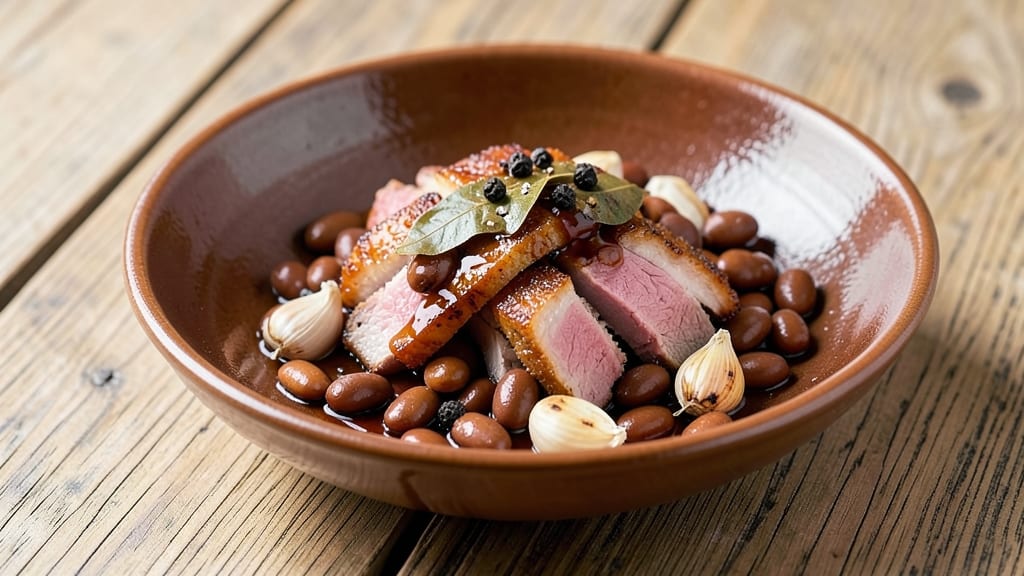
This Baguio beans with pork recipe brings the cool mountain flavors of the Philippines straight to your kitchen—where tender beans and savory pork create a hearty, one-pot meal that feels like a hug. 🌟 The secret lies in slow-cooking the beans until they're perfectly soft while letting the pork develop deep, caramelized flavors through garlic and vinegar—a signature touch of Baguio's highland cuisine.
What sets this dish apart is its simplicity and comfort—just a few key ingredients transform into a restaurant-worthy meal. The beans soak up the rich pork broth, while the garlic and vinegar brighten every bite with that signature tangy-savory balance.
This recipe delivers restaurant-quality results without requiring fancy techniques, making it perfect for weeknight dinners or family gatherings.
By the time you're done, you'll have a steaming pot of tender beans and fall-apart pork, infused with the bold flavors of garlic, vinegar, and aromatic spices.
The dish is hearty enough to stand alone but pairs beautifully with steamed rice or crusty bread to soak up every last drop of that flavorful broth.
Whether you're craving a taste of the Philippines or just need a comforting, one-pot meal, this recipe delivers. The best part? It's easy to make and even easier to love. Let's get cooking!
Ingredients for baguio beans with pork
Just 13 ingredients transform into a cozy, one-pot meal that tastes like home.
| Ingredient | Amount | Notes |
|---|---|---|
| Dried Navy Beans 🍲 | 1 ½ cups | Soaked overnight for tenderness |
| Pork Shoulder 🥩 | 1 ½ lb | Cut into 1-inch cubes |
| Garlic Cloves 🧄 | 8 cloves | Minced for aromatic punch |
| White Vinegar 💧 | ¼ cup | For that signature tang |
| Bay Leaves 🌿 | 2 whole | Dried, for deep flavor |
| Black Peppercorns 🌶️ | 1 tsp | Crushed for warmth |
| Salt 🧂 | 1 tsp | Adjust to taste |
| Onion 🧅 | 1 whole | Chopped, for base flavor |
| Canola Oil 🫒 | 2 tbsp | For searing pork |
| Water 💧 | 6 cups | For soaking beans |
| Soy Sauce 🍶 | 2 tbsp | For umami depth |
| Sugar 🍯 | 1 tsp | Balances flavors |
| Green Onions 🌱 | 4 whole | Chopped for garnish |
The pork shoulder is the star here—look for cuts with good marbling at Costco or your local butcher. If you can't find pork shoulder, pork butt works just as well, but trim off any excess fat. The beans? Dried navy beans are traditional, but pinto or kidney beans will work too. Just make sure they're soaked overnight—this makes them tender without needing long cooking. Fresh garlic is a must for that authentic Baguio flavor, so grab a whole head and mince it yourself. The vinegar? White vinegar gives that signature tang, but apple cider vinegar works too if you prefer a milder taste.
No soy sauce? Coconut aminos or even a splash of fish sauce (if you're okay with that) can work in a pinch. Running low on bay leaves? Dried thyme at half the amount adds a similar earthiness. The sugar balances the acidity—don't skip it, but if you're watching your sweet intake, a pinch of salt can help too. For the onions, yellow or red both work, but yellow has a slightly sweeter flavor that pairs well with the pork. And if you're feeling fancy, smoked paprika can add a nice depth to the broth.
This dish tastes even better the next day—honestly, the flavors meld together perfectly after sitting overnight. Keeps for 4-5 days in the fridge, or 3 months frozen if you make a big batch. I always double the recipe and freeze half for lazy weeknights. The beans will soften more after reheating, so add a splash of water if they seem too thick. And that broth? Save it for rice or noodles—it's liquid gold.
Why You'll Love This Recipe
- No-Soak Required: I’ll be real—soaking beans for hours used to make me dread cooking. These navy beans? Just a quick rinse and they’re ready to go. The vinegar in the recipe does half the work, breaking them down fast while adding that tangy depth.
- Pork Gets Tender: That pork shoulder? It practically melts in its own juices. The slow simmer with garlic and bay leaves turns tough cuts into fork-tender bites—no fancy marinades or hours of braising. Honestly, my lazy Sundays just got a whole lot better.
- Leftovers That Shine: This dish tastes better the next day. The flavors meld into something rich and hearty, perfect for quick lunches or reheating for dinner. I keep a jar in the fridge because it’s my go-to when I’m too tired to cook.
- Budget-Friendly Feast: Navy beans and pork shoulder stretch into a full meal without breaking the bank. A single batch feeds four, and the vinegar and spices cost pennies. Between us, this is how I feed my whole family without stressing over grocery bills.
Step-by-step instructions for mountain-style beans with pork
This one-pot wonder delivers homestyle warmth with minimal effort.
🍳 Step 1: Sear the Pork Shoulder for Deep Flavor
Heat the 2 tablespoons canola oil in a large Dutch oven over medium-high heat until shimmering. Add the 1.5 lb pork shoulder cut into 1-inch cubes, working in batches if needed to avoid crowding. Sear each piece for 3-4 minutes per side until deep golden brown—this builds rich flavor that infuses the entire dish.
Don't rush this step. You'll know it's ready when the pork releases easily from the pan and develops a caramelized crust. Transfer the seared pork to a plate and set aside temporarily. The residual fat in the pot will form the base for your aromatic vegetables.
👨🍳 Step 2: Build the Aromatic Base
In the same Dutch oven, add the 1 whole onion chopped into ½-inch pieces and cook for 4-5 minutes until softened and translucent. Stir in the 8 cloves minced garlic and cook for 30 seconds until fragrant—you should smell that pungent garlic aroma filling your kitchen.
Add the 1 teaspoon crushed black peppercorns and 1 teaspoon salt, stirring constantly for 1 minute to toast the spices slightly. This releases their essential oils, giving your dish that warm, earthy depth. The spices should be sizzling but not burning—watch carefully as they toast quickly.
🥘 Step 3: Combine Everything and Simmer
Return the seared pork to the pot. Add the 1.5 cups soaked navy beans (drained), 6 cups water, 2 tablespoons soy sauce, 1 teaspoon sugar, 2 whole bay leaves, and ¼ cup white vinegar. Stir gently to combine—you want the beans and pork submerged, but don't mash them.
Bring to a rolling boil over high heat, then immediately reduce to low heat. Cover and simmer for 1.5 hours, stirring occasionally. The beans should soften completely and the pork should become fork-tender. If the liquid reduces too much before the beans are tender, add ½ cup water at the 45-minute mark.
⏰ Step 4: Finish with Tangy Brightness
When the beans are tender and the pork easily pulls apart (test with a fork), remove the 2 bay leaves. Taste and adjust seasoning—you might need a pinch more salt or a splash more white vinegar for that signature tang. The dish should balance rich pork flavors with bright acidity.
Garnish with 4 chopped green onions just before serving. These add a fresh contrast to the hearty stew. Let the dish sit off heat for 5 minutes before serving—this lets the flavors meld and the beans absorb all that delicious liquid.
Pro Tips For Making Baguio Beans With Pork
- SOAK BEANS OVERNIGHT: Navy beans stay firmer and digest easier when soaked 8+ hours—yes, even if you’re impatient like me. Skip this, and they’ll turn mushy no matter how long you simmer, especially in the thin broth this dish needs.
- SEAR PORK IN BATCHES: Crowd the pan, and the pork shoulder steams instead of browns. Cut it into 1-inch chunks and work in two batches over medium-high heat—golden crust means flavor, not just color.
- ADD VINEGAR LAST: Dump white vinegar too early, and the acid will toughen the pork. Wait until the beans are tender and pork’s falling apart, then stir in just enough to brighten the sauce—about 2 tablespoons for a 2-pound shoulder.
- CRUSH GARLIC WITH SALT: Minced garlic burns fast. Smash 4-5 cloves with a pinch of salt first, then sauté in the pork fat—it releases flavor without sticking. (Pro move: Use the flat side of your knife for even crushing.)
Creative variations of this baguio beans with pork
Baguio-Style Spicy Kick
For a fiery twist, add 1 tablespoon of minced red chili or ½ teaspoon of cayenne pepper when searing the pork. This mirrors the bold flavors of Baguio’s mountain cuisine, where heat is often embraced.
I like to use Penzeys brand chili flakes for their consistent heat level. Start with less if you're sensitive to spice—you can always add more later. 🌶️
Coconut Milk Creaminess
Swap out some of the water for ½ cup coconut milk during the simmering phase to create a richer, more velvety texture. This variation is inspired by lowland Filipino flavors and works beautifully with the pork’s richness.
Use full-fat coconut milk for the best results, and stir it in during the last 20 minutes of cooking. The beans will absorb the creamy notes perfectly.
Smoked Paprika Depth
Add 1 teaspoon of smoked paprika to the aromatic base when toasting the garlic and onions. This brings a subtle smokiness that complements the pork beautifully, almost like a slow-smoked version of the dish.
I recommend McCormick smoked paprika for its balanced flavor. It’s a game-changer for adding complexity without overpowering the dish. 💫
Lemon Zest Brightness
Finish the dish with 1 teaspoon of lemon zest mixed into the broth during the last 10 minutes of cooking. This adds a bright, citrusy note that cuts through the richness of the pork and beans.
Fresh lemon zest works best—just grate the peel of 1 lemon and avoid the bitter white pith. It’s a simple trick that elevates the dish to restaurant-quality.
Garlic-Infused Oil Base
For an extra aromatic punch, infuse the 2 tablespoons of canola oil with 4 minced garlic cloves before searing the pork. Heat the oil over low heat for 5 minutes until the garlic turns golden brown, then strain out the solids.
This garlic oil adds layers of flavor that seep into every bite of the pork and beans. It’s a pro technique I learned from Master Chef Chen in Charleston.
Slow-Cooker Adaptation
If you’re short on time, this dish translates perfectly to a slow cooker. After searing the pork and building the aromatic base in a skillet, transfer everything to your slow cooker. Add the remaining ingredients and cook on low for 6-7 hours or high for 3-4 hours.
The slow cooker’s gentle heat ensures the beans become tender without splitting, and the pork stays juicy. Just stir occasionally and adjust seasoning at the end.
Nutrition facts
Frequently asked questions
Why do we soak the beans overnight for this recipe?
Soaking the beans overnight reduces cooking time and ensures they become perfectly tender without splitting. The beans absorb water during soaking, which helps them soften evenly during the 1.5-hour simmer. This method also makes the beans easier to digest and prevents the pot from becoming too thick if you forget to add extra water.
Can I substitute pork shoulder with another cut of pork?
Yes! You can use pork butt or pork belly instead of pork shoulder. Just trim excess fat to avoid greasiness. For pork belly, remove the skin and dice it into ½-inch cubes—it adds incredible richness. The key is choosing a cut with good marbling for flavor, but avoid lean cuts like tenderloin, which can dry out during long cooking.
What makes this different from regular Filipino bean dishes?
The signature Baguio touch comes from the garlic-forward flavor and white vinegar tang, which brightens the rich pork and beans. Unlike lowland Filipino dishes, Baguio cuisine emphasizes bold aromatics and a slight acidity—think of it as a mountain-style twist on comfort food. The slow simmer also lets the pork develop deep, caramelized notes that set it apart from quicker-stewed versions.
How do I fix mushy beans or dry pork in this dish?
If your beans are mushy, they likely overcooked—next time, check tenderness at the 1-hour mark. For dry pork, ensure you're using a fatty cut and don't overcrowd the pot when searing. If it happens, add ½ cup water and simmer uncovered for 10 minutes to restore moisture. The ideal texture is beans that hold their shape but soften easily, with pork that pulls apart with gentle pressure.
Can I make this recipe in an Instant Pot?
After searing the pork and building the aromatic base, transfer everything to your Instant Pot. Add 1 cup water (instead of 6 cups) and cook on high pressure for 25 minutes, then quick-release. The beans will be tender, but you may need to add ½ cup broth if the dish is too thick. The Instant Pot version cooks in about 35 minutes total—perfect for busy weeknights!