
Main Courses
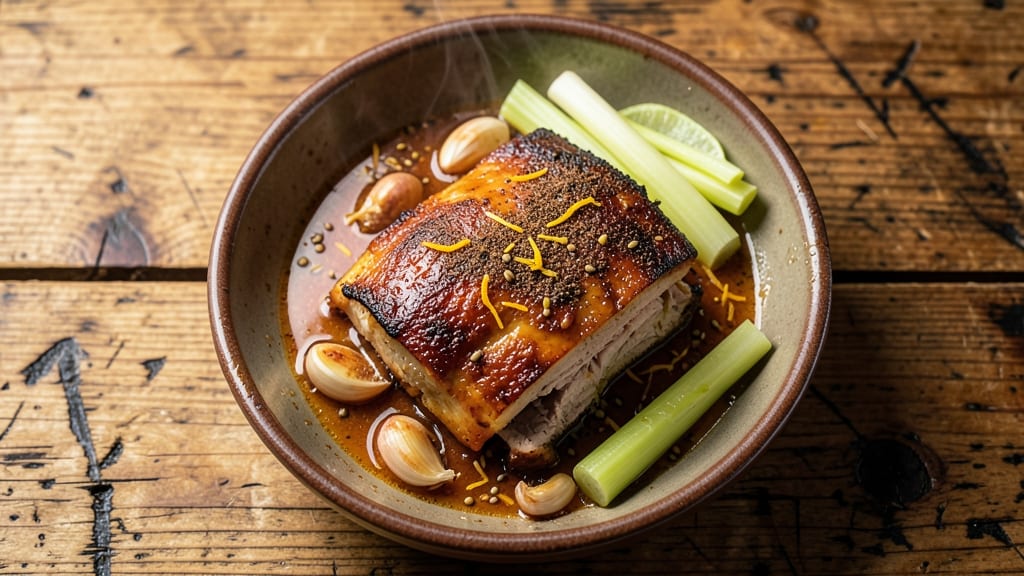
This authentic Puerto Rican pork shoulder delivers the tender, flavor-packed magic of island-style slow cooking. Growing up in Georgia, I fell in love with the way mojo marinade transforms tough cuts into melt-in-your-mouth perfection—now I'm sharing the exact technique that delivers restaurant-quality results at home.
The secret lies in balancing citrus, garlic, and spices while achieving that signature crispy celery crown that Puerto Rican cooks swear by.
The recipe begins with a bold mojo marinade—garlic, orange juice, and adobo seasoning—that infuses the pork overnight, ensuring deep flavor penetration. Slow-braising breaks down the meat until it practically falls apart, while the crispy celery crown adds a satisfying textural contrast.
This isn't just pork—it's a celebration of Puerto Rican home cooking, where every bite carries the warmth of family gatherings and island traditions.
What makes this dish truly special is how the flavors develop over time. The pork emerges fork-tender with a caramelized exterior, while the celery crown becomes golden and crispy—just like you'd find at a local parrilla.
The mojo marinade adds bright citrus notes that cut through the richness, creating a perfect balance that's both comforting and exciting. This is the kind of meal that turns weeknight dinners into special occasions.
Serve with traditional sides like arroz con gandules or tostones to complete the experience. The leftovers reheat beautifully, making this an ideal recipe for feeding a crowd or meal prepping for the week. Let's get cooking—your taste buds are about to go on a flavor journey straight to Puerto Rico.
Ingredients for authentic puerto rican pork shoulder
Six ingredients transform tough pork into island magic—crispy, tender, and bursting with citrus-spiced flavor.
| Ingredient | Amount | Notes |
|---|---|---|
| Pork Shoulder (Bone-In) 🥩 | 4 lb | Well-marbled, 2-3 inches thick |
| Fresh Orange Juice 🍊 | 1 ½ cups | From 2-3 oranges, freshly squeezed |
| Garlic Cloves 🧄 | 8 cloves | Peeled, lightly crushed |
| Adobo Seasoning 🌶️ | 2 tbsp | Authentic Puerto Rican blend |
| Olive Oil 🫒 | ½ cup | Extra-virgin, for marinade |
| Celery Stalks 🧅 | 3 whole | Thick, cut into 1-inch pieces |
| Green Bell Pepper 🌶️ | 1 whole | Cut into 1-inch pieces |
| Yellow Onion 🧅 | 1 whole | Cut into 1-inch chunks |
| Bay Leaves 🌿 | 2 whole | Dried, for braising |
| Ground Black Pepper 🌶️ | 1 tsp | Freshly cracked |
| Salt 🧂 | 1 ½ tbsp | Kosher or sea salt |
| Cumin Seeds 🌿 | 1 tsp | Toasted, for depth |
| Cinnamon Stick 🌿 | 1 whole | For aromatic infusion |
| Beef Broth 💧 | 2 cups | Low-sodium preferred |
The pork shoulder is non-negotiable here—bone-in, well-marbled cuts from Whole Foods or your local butcher deliver the best texture. Look for a piece with visible fat marbling, not lean cuts. For the mojo marinade, fresh orange juice is essential—bottled won't cut it. I always grab Valencia oranges from the Latin market if they're in season, but regular navel oranges work too. The garlic should be freshly crushed, not pre-minced, to prevent bitterness. Adobo seasoning? La Costeña is the gold standard, but any authentic Puerto Rican blend will do—just avoid generic 'taco seasoning' imposters.
No adobo seasoning? Mix 1 tbsp each of dried oregano, garlic powder, and smoked paprika as a pinch-hitter. Running low on orange juice? Substitute 1 cup grapefruit juice—it's tart enough to stand up to the pork. The celery crown trio (celery, bell pepper, onion) is traditional, but swap in jalapeño for heat if you're feeling adventurous. For the broth, low-sodium is key—we're building flavor, not salt bombs. Pro tip: Toast the cumin seeds in a dry pan for 30 seconds before adding to the marinade—it unlocks a whole new level of warmth. And that cinnamon stick? Don't skip it—it's the secret to that authentic island aroma.
Marinate the pork overnight in the fridge—24 hours minimum for maximum flavor penetration. The celery crown veggies can be prepped a day ahead and stored in a sealed container. This dish reheats like a dream—3-4 days in the fridge, or freeze portions for up to 3 months. For serving, I like to crisp the celery crown under the broiler for 2-3 minutes at the end—watch it like a hawk to avoid burning. Leftovers? Even better the next day as the flavors meld. The pork practically falls apart, so serve with tortillas or rice to soak up all that delicious mojo.
Why You'll Love This Recipe
- One-Pan Magic: I swear by this—just sear the pork, toss in the garlic and adobo, then let the oven do the work. No chopping, no flipping, no stress. The bone-in cut stays juicy, and the citrus cuts through the richness like a breeze.
- Citrus-Kissed Crisp: That fresh orange juice? It’s not just flavor—it’s the secret weapon. The edges get caramelized and slightly charred, while the inside stays tender, with a bright, tangy finish that makes every bite feel like a little vacation.
- Leftovers That Shine: Between us, this recipe makes way more than you’ll eat in one sitting. Shred it for mofongo the next day, toss it in rice, or pack it in wraps—it’s the kind of dish that gets better as the flavors meld. (Yes, even on a Tuesday night.)
- Budget Feast, Big Payoff: Pork shoulder is the unsung hero of affordable proteins, and this method turns it into something restaurant-worthy without breaking the bank. A few cloves of garlic, a splash of orange juice, and that jar of adobo—you’re basically making gourmet for pennies.
Step-by-step instructions for authentic Puerto Rican pork shoulder
Here's how to transform tough pork into melt-in-your-mouth tenderness with that signature mojo flavor.
Create the Mojo Marinade and Prep the Pork
In a large bowl, whisk together the 1.5 cups fresh orange juice, 0.5 cup olive oil, 2 tbsp adobo seasoning, 1.5 tbsp salt, 1 tsp ground black pepper, 1 tsp toasted cumin seeds, and 1 whole cinnamon stick. This vibrant marinade is the soul of Puerto Rican cooking—bright citrus cuts through the richness while the spices build deep flavor. Rub this mixture all over the 4 lb pork shoulder, coating every inch. Let it marinate uncovered in the refrigerator for at least 4 hours (overnight is even better). The acid in the orange juice will begin breaking down the muscle fibers, ensuring tender results.
While the pork marinates, cut the 3 whole celery stalks into 1-inch pieces, keeping the leaves attached to form those signature "celery crowns" that crisp up beautifully. Dice the 1 whole green bell pepper and 1 whole yellow onion into 1-inch chunks—these will become part of the aromatic base for your braise. The celery leaves will add a delicate, almost floral note when crisped, so don't trim them completely.
Sear the Pork for Maximum Flavor
Remove the pork from the marinade (reserve the marinade) and pat it dry with paper towels. Heat a Dutch oven over medium-high heat until a drop of water sizzles instantly. Add the pork shoulder fat-side down and sear undisturbed for 8-10 minutes until the fat renders and the skin develops a deep golden-brown crust. Flip and sear the other side for another 6-8 minutes. This step is crucial—it locks in juices and creates the Maillard reaction that builds that rich, caramelized flavor.
Here's the thing—don't rush this. You'll know it's ready when the pork releases easily from the pan. If it sticks, it's not ready yet. Once seared, remove the pork and set it aside on a plate. Pour any remaining marinade into the Dutch oven, scraping up all those flavorful browned bits from the bottom—this is called "fond," and it's pure flavor gold.
Build the Aromatic Braising Base
In the same Dutch oven, add 0.25 cup olive oil (just enough to coat the bottom) and heat over medium heat. Add the 8 cloves garlic cloves, 3 whole celery stalks (with leaves), 1 whole green bell pepper, and 1 whole yellow onion. Sauté for 8-10 minutes until the vegetables soften and the garlic turns golden. You want them to caramelize slightly—this adds sweetness that balances the acidity from the mojo marinade.
Add the 2 whole bay leaves and 1 whole cinnamon stick to the Dutch oven. Pour in the reserved mojo marinade and bring to a gentle simmer. Let it reduce by about one-third, which should take 5-7 minutes. This concentrated marinade will infuse the pork with maximum flavor during the long braise. If the mixture seems too thin, reduce it further by simmering uncovered for an extra 2-3 minutes.
Braise Until Fork-Tender
Return the seared pork shoulder to the Dutch oven, fat-side up. Add the 2 cups beef broth and bring everything to a gentle boil. Once boiling, reduce heat to low, cover tightly, and transfer to a 325°F oven. Here's where patience pays off—braise for 3-3.5 hours until the pork is fork-tender. You'll know it's ready when a sharp knife slides in easily and the meat pulls apart with minimal resistance.
About 30 minutes before the pork is done, remove the lid and increase the oven temperature to 375°F to crisp the celery crowns. The leaves should turn golden and crispy—this is what gives this dish its signature texture contrast. If the braising liquid reduces too much, add 2-3 tablespoons of water to keep the pork moist. The celery crowns should have that perfect balance of tender stems and crispy leaves—like a textural surprise in every bite.
Rest and Serve with Confidence
Once the pork reaches the perfect tenderness, remove it from the oven and transfer to a cutting board. Tent loosely with aluminum foil and let it rest for 20-30 minutes. This resting period allows the juices to redistribute throughout the meat, ensuring each slice is moist and flavorful. Skim any excess fat from the braising liquid, then pour it over the sliced pork before serving.
Slice the pork shoulder against the grain into ½-inch thick pieces. The meat should be so tender it practically falls apart, with a deep mahogany color from the slow braise. Serve with the crispy celery crowns on top, a ladle of the reduced mojo braising liquid, and warm rice or tostones. The contrast of crispy celery against the tender pork, balanced by the bright citrus and aromatic spices, is what makes this dish truly authentic and unforgettable.
Pro Tips For Making Authentic Puerto Rican Pork Shoulder
- SEAR THE SKIN FIRST: After patting the pork shoulder dry, hit it with a hot pan and olive oil until the skin turns golden—before adding any sauce or marinade. I learned this the hard way: skipping the sear means a bland, greasy crust instead of that crispy, flavor-packed layer Puerto Rican cooks swear by. (Yes, even if you’re impatient like me.)
- USE SALTED ORANGE JUICE: Skip the plain juice—mix your fresh orange juice with a pinch of salt (about ¼ teaspoon per cup). The salt cuts through the sweetness and mimics the tangy depth of store-bought jugo de naranja used in island kitchens. My grandmother swore by this, and she was right: it makes a real difference in the final bite.
- DON’T BASTE TOO SOON: Wait until the pork shoulder is actually cooking before you start basting with that garlic-adobo-orange mix. Early basting steams the meat instead of browning it, and you’ll end up with a sad, waterlogged shoulder. Start basting only after the pan’s hot and the pork has released its first golden crust—usually around the 10-minute mark.
- PULL IT AT 195°F: The USDA says 203°F, but Puerto Rican cooks know pork shoulder hits its sweet spot at 195°F—where the collagen melts into tender, pull-apart perfection without drying out. Use a meat thermometer, and resist the urge to go higher. (Your future self will thank you.)
Regional styles of this recipe
San Juan Style
In San Juan, this dish is often prepared for family gatherings and festivals, where the pork shoulder is slow-cooked with a generous splash of fresh orange juice and adobo seasoning.
The key here is to use a slow cooker or oven at 275°F for 6-7 hours—this low-and-slow approach ensures the meat becomes incredibly tender while keeping the juices locked in.
Locals often serve it with mofongo, a mashed plantain and pork rind dish, and a side of arroz con gandules (rice with pigeon peas). The mojo marinade is typically made with Valencia oranges for their sweet-tart balance, and the celery crowns are a must for that signature crunch. 🌴
Ponce Regional Touch
In Ponce, the western region of Puerto Rico, this dish takes on a slightly spicier profile. The locals add 1-2 tbsp of ají dulce or habanero paste to the mojo marinade for a subtle heat that lingers.
The pork is often cooked with guineo verde (green plantains) instead of celery crowns, giving it a sweeter, more tropical flavor. For an authentic Ponce twist, finish the dish with a drizzle of mojo criollo sauce—a blend of garlic, olive oil, and vinegar—just before serving.
The sauce adds a bright, tangy contrast to the rich pork. 🌶️
Mountainous Cordillera Style
In the mountainous Cordillera region, where temperatures are cooler, the pork shoulder is often braised with a mix of local herbs like orégano criollo and culantro, which add an earthy depth to the dish.
The marinade here might include a splash of pineapple juice instead of orange juice, giving it a unique tropical sweetness. The celery crowns are replaced with crispy plantain slices, which add a caramelized sweetness that pairs beautifully with the savory pork.
This version is lighter but still packed with bold flavors, perfect for the cooler climate. 🏔️
Island Celebration Variations
For special occasions like Three Kings Day or Christmas, Puerto Rican families often prepare a larger cut of pork shoulder, sometimes weighing 8-10 lbs, and slow-cook it for 8-10 hours to ensure it's fall-apart tender.
The mojo marinade is often infused with rum or coconut milk for added richness, and the dish is served with a variety of sides like tostones, sweet plantains, and avocado slices. The crispy celery crowns are a staple, but some families add crispy fried onions> for extra texture.
This version is all about abundance and sharing, reflecting the island's love for communal feasting. 🎉
Modern Urban Twist
In San Juan’s urban areas, modern chefs are putting their own spin on this classic dish. Some replace the traditional celery crowns with crispy Brussels sprouts or roasted cauliflower for a low-carb option, while others add a smoked paprika or chipotle rub> to the pork before searing.
For a fusion twist, some chefs serve the pork with quinoa or farro> instead of rice, and top it with a mango-avocado salsa> for a fresh, vibrant contrast. This version keeps the authentic flavors but makes them more adaptable to contemporary tastes. 🌆
Home Cook's Adaptations
If you're short on time, you can make a quicker version by using a pressure cooker>—cook the pork on high pressure for 90 minutes>, then let it naturally release for another 10 minutes.
For a smoky flavor, add 1 tbsp of smoked paprika> to the mojo marinade and cook the pork in a smoker at 225°F for 5-6 hours>. If you're serving a crowd, double the recipe and use a large stockpot or slow cooker**> to keep everything cohesive.
The key is to always keep the mojo marinade vibrant and the celery crowns crispy—these are the hallmarks of an authentic Puerto Rican pork shoulder. 💡
Nutrition facts
Frequently asked questions
Can I use boneless pork shoulder instead of bone-in?
You can, but bone-in delivers richer flavor and stays more moist during cooking. If using boneless, reduce the braising time by 30-45 minutes since it cooks faster. For extra tenderness, add 1 cup extra broth to prevent drying. The crispy celery crowns remain the same—just adjust oven time accordingly.
How do I make this dish spicier?
Add 1-2 tbsp of ají dulce paste or 1 habanero pepper (minced) to the mojo marinade. For heat lovers, sprinkle ½ tsp of cayenne over the seared pork before braising. Remember: Puerto Rican flavors balance heat with citrus—don't overdo it, or the bright orange notes will get drowned out!
What's the best way to reheat leftovers?
Slice the pork and reheat in a skillet with 1 tbsp olive oil over medium-low heat for 5-7 minutes, adding 2 tbsp broth to keep it moist. For crispy celery crowns, broil for 2-3 minutes at the end. Leftovers keep 4 days refrigerated or 3 months frozen—just thaw overnight in the fridge.
Can I substitute the celery crowns with something else?
Try green plantains (guineo verde) for a sweeter Caribbean twist, or Brussels sprouts for a modern touch. For authenticity, keep the celery leaves—they crisp beautifully and add delicate flavor. If using plantains, slice them ¼-inch thick and pan-fry until caramelized before adding to the braise.
Why does my pork turn out dry?
Overcooking is the #1 culprit—pork shoulder should pull apart easily but still be moist. Check doneness with a meat thermometer (195-205°F internal temp). If dry, try these fixes: Don't skip the rest time (20-30 mins), add ½ cup broth during braising, or cover tightly to trap steam. The mojo marinade's acidity helps retain moisture—never skip it!