
Main Courses
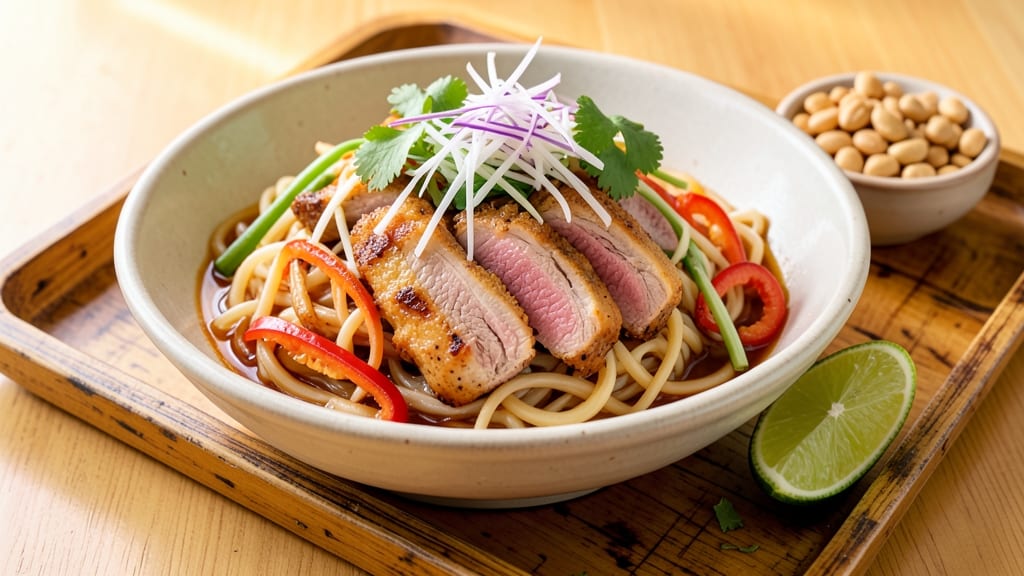
This authentic pork pad Thai recipe brings the vibrant streets of Bangkok to your kitchen with its signature tangy-tamarind sauce and crispy rice noodles. ✨ After years of perfecting the balance between sweet, sour, and umami, I've developed a method that delivers restaurant-quality results at home—no shortcuts, just tradition.
The secret lies in properly soaking the rice noodles and achieving that perfect wok hei, the smoky aroma that makes pad Thai unforgettable.
The dish begins with a tamarind-based sauce that's both complex and approachable, using ingredients like fish sauce, palm sugar, and lime juice to create that signature Thai flavor profile.
What sets this recipe apart is the attention to texture—crispy fried shallots and garlic add depth, while the pork is sliced thin and stir-fried to maintain tenderness. I've included tips for adjusting the sauce to your preferred sweetness level, ensuring every bowl is perfectly balanced.
By the time you're done, you'll have a plate of crispy rice noodles tossed with perfectly cooked pork, vibrant vegetables, and a glossy tamarind sauce that's tangy yet sweet. The dish is garnished with crushed peanuts, lime wedges, and fresh herbs, adding layers of texture and freshness with every bite.
This is the kind of meal that transports you to Thailand without leaving your kitchen.
Serve immediately with extra chili flakes on the side for those who like a kick, and pair with a cold Thai iced tea for the full experience. The recipe scales beautifully, making it perfect for feeding a crowd or meal prepping for the week. Let's get cooking!
Ingredients for authentic pork pad thai
These bold flavors and crispy textures bring Bangkok to your wok in no time.
| Ingredient | Amount | Notes |
|---|---|---|
| Rice Noodles (Pad Thai) 🍜 | 8 oz | Fresh or dried, 3-inch width |
| Pork Shoulder 🥩 | 1 lb | Thinly sliced, cut against grain |
| Tamarind Paste 🍯 | ¼ cup | Thick, unsweetened paste |
| Fish Sauce 🐟 | ¼ cup | Red Boat preferred |
| Palm Sugar 🍚 | ¼ cup | Or substitute brown sugar |
| Lime Juice 🍋 | ¼ cup | Freshly squeezed |
| Garlic Cloves 🧄 | 8 cloves | Minced, for sauce |
| Shallots 🧅 | 4 whole | Thinly sliced, for frying |
| Carrots 🥕 | 1 cup | Julienned, thin strips |
| Bean Sprouts 🌱 | 2 cups | Fresh, not canned |
| Crushed Peanuts 🥜 | ¼ cup | Toasted, for garnish |
| Fresh Thai Chili 🌶️ | 4 whole | Sliced, optional for heat |
| Fresh Basil Leaves 🌿 | ¼ cup | Thai basil preferred |
| Vegetable Oil 🫒 | ½ cup | High smoke point |
| Salt 🧂 | 1 tsp | Kosher or sea salt |
The rice noodles are the foundation—look for 3-inch-wide pad Thai noodles at Asian markets or the international aisle. Thai Kitchen brand is reliable if you can't find fresh. Soak them in warm water for about 15 minutes until pliable but still slightly firm—over-soaking makes them mushy. For the pork, ask your butcher to cut it paper-thin against the grain—this ensures tenderness. If you can't find palm sugar, light brown sugar works in a pinch, though it lacks that authentic depth. The tamarind paste? Mae Ploy is my go-to brand—it's thick and tangy without added sugar.
No fresh Thai basil? Regular basil plus a pinch of cinnamon gets you close, though the anise flavor is distinct. Swapping fish sauce? Soy sauce plus a splash of vinegar mimics the umami, but you'll lose that signature funk. The shallots and garlic need to be fried until crispy—don't rush this step. For extra crunch, fry them in batches. Carrots can be pre-shredded, but julienne peeler makes this job fast. Bean sprouts? Rinse them well if using pre-packaged—they're often dusted with dirt to keep them fresh. Want it spicier? Add Thai bird's eye chili to the sauce instead of garnishing.
This dish is all about freshness—make it the day you eat it. The sauce keeps for 5 days in the fridge, but the noodles soften over time. For meal prep, cook the noodles and pork separately, then toss with sauce right before serving. Garnishes like crushed peanuts and lime wedges should go on fresh—they lose crunch fast. Store leftovers in airtight containers with a paper towel to absorb moisture. Freezing isn't recommended—the noodles get gummy.
Why You'll Love This Recipe
- Same recipe, different vibes: I throw it together for lazy Tuesdays or dress it up with lime and crushed peanuts for a fancy-ish dinner. The noodles soften just right when reheated, so leftovers taste fresh.
- No-Fuss Assembly: I swear, this dish is that easy—just soak the noodles, sear the pork shoulder in one pan, then toss everything together. The hardest part? Remembering to buy tamarind paste (and even then, I forget half the time).
- Tangy-Sweet Magic: That tamarind paste and palm sugar combo? Chef’s kiss. It’s the perfect balance—sour enough to cut through the richness of the pork, but sweet enough to make you lick the plate. (Yes, I’ve done it.)
- Weeknight to Date Night: Same recipe, different vibes: I throw it together for lazy Tuesdays or dress it up with lime and crushed peanuts for a fancy-ish dinner. The noodles soften just right when reheated, so leftovers taste fresh.
Step-by-step instructions for authentic pork Pad Thai
Let's bring this classic Thai street food to life with tangy tamarind and perfectly crispy noodles.
🍳 Step 1: Prepare the Tangy Tamarind Sauce
In a small bowl, whisk together the 0.25 cup tamarind paste, 0.25 cup fish sauce, 0.25 cup palm sugar, and 0.25 cup lime juice until the sugar dissolves completely. This sauce is the heart of your Pad Thai—balance is key, so taste as you go. You want it to be sweet, salty, and tangy all at once. If it's too thick, add 1-2 tablespoons of water to loosen it. Set aside while you prep the rest of your ingredients.
Here's where the magic happens: the tamarind paste gives that signature sour kick that sets Pad Thai apart from other noodle dishes. I like to add a pinch of salt at this stage too—it helps round out all the flavors. Keep this sauce covered until you're ready to use it, so the aromas don't escape.
👨🍳 Step 2: Cook the Pork and Prepare Vegetables
Heat 0.25 cup vegetable oil in a large wok or skillet over medium-high heat. Add the 1 lb pork shoulder (already thinly sliced) and cook for 3-4 minutes until just cooked through and slightly caramelized. Remove the pork and set aside.
In the same pan, add a little more oil if needed, then stir-fry the 4 whole shallots and 8 cloves garlic cloves for 30 seconds until fragrant but not browned. Add the 1 cup julienned carrots and cook for 1 minute until they just begin to soften. Remove and set aside with the pork.
This is where you'll want to work efficiently—everything needs to be ready to go when you toss it all together. The pork should be cooked but still tender, not dried out. If you see it starting to brown too quickly, reduce the heat slightly and keep stirring.
🔥 Step 3: Cook the Rice Noodles to Perfect Crispiness
Bring a large pot of water to a boil and add the 8 oz rice noodles (Pad Thai). Cook for exactly 30 seconds—that's right, just 30 seconds! Drain immediately and rinse under cold water to stop the cooking process. The noodles should be pliable but still slightly firm.
Here's the secret to authentic crispy Pad Thai: you want those edges to stay slightly crispy when you toss everything together. The quick cook time ensures they don't get mushy. Spread the drained noodles on a clean kitchen towel and gently press down to remove excess water. This step is crucial—wet noodles will turn your dish into a soggy mess.
🥘 Step 4: Assemble and Toss Everything Together
Return the wok to medium-high heat and add the cooked noodles. Pour the tamarind sauce over the noodles and toss vigorously for 1-2 minutes until everything is well coated and heated through. Add the cooked pork, carrots, and shallots back to the wok and toss again.
Now for the fresh elements: add the 2 cups bean sprouts and toss for another 30 seconds until they're just heated through but still crisp. The bean sprouts should add a satisfying crunch to each bite. Remove from heat and let it sit for 1 minute—this resting period lets all the flavors meld together.
🍽️ Step 5: Garnish and Serve Immediately
Divide the Pad Thai among 4 plates and top each serving with 0.25 cup crushed peanuts, 0.25 cup fresh basil leaves, and 4 sliced fresh Thai chili (if using). The peanuts add a satisfying crunch, the basil brings freshness, and the chili gives a little heat to balance the sweet and sour flavors.
Serve immediately while everything is hot and the noodles are still holding their crispy edges. The aroma alone will make your kitchen smell like a bustling Bangkok street market. Each bite should deliver that perfect balance of sweet, sour, salty, and umami flavors with satisfying textures from the crispy noodles, tender pork, and crunchy toppings.
Pro Tips For Making Authentic Pork Pad Thai
- Soak Noodles Separately: Split your rice noodles into two batches—soak half in warm water for 10 minutes, then drain and toss with a splash of oil to prevent sticking. The rest can go in later when you’re ready to stir-fry. I learned this the hard way after watching a whole batch turn into a gluey mess because I soaked them all at once.
- Sear Pork First: Cut your pork shoulder into thin strips, then sear them in a dry, screaming-hot wok until they’re deeply browned—about 2-3 minutes per batch. This builds flavor that soaking in the tamarind-fish sauce mix can’t replicate. (Yes, it takes patience, but the payoff is worth it.)
- Balance Tamarind Heat: Tamarind paste is sour, but if it tastes too sharp, cut it with a teaspoon of rice vinegar or lime juice. Too bland? Add a pinch more fish sauce—just taste as you go. My grandmother swore by this, and she was right: the sauce should sing, not scream.
- Finish with Sugar Last: Stir in the palm sugar only at the very end, right after tossing the noodles with the sauce. This keeps it from burning while the pork cooks, and the residual heat caramelizes it just enough for that perfect sweet-salty balance. (I know, I know—it’s tempting to add it earlier.)
Best sauces and condiments for these flavors
Tamarind Base Essentials
The tamarind paste is the soul of Pad Thai sauce—Mae Ploy brand is my top recommendation for its authentic tang without added sugar. For a smoother sauce, blend it with 1-2 tablespoons of warm water before mixing with fish sauce and palm sugar.
I often add a pinch of white pepper here to deepen the umami profile, though it's optional. 🍯
Balance is everything: start with equal parts tamarind, fish sauce, and palm sugar, then adjust to taste. If your sauce tastes too sharp, add ½ teaspoon more palm sugar; if it's too sweet, increase the fish sauce by 1 teaspoon.
The sauce should coat the back of your spoon with a glossy sheen—this indicates proper consistency for tossing.
Fish Sauce Variations
Red Boat fish sauce is my go-to for its clean, funky flavor, but Thai Union works in a pinch. For a vegetarian version, substitute with 1 tablespoon soy sauce plus 1 teaspoon coconut aminos—though you'll lose that signature umami depth. Add ½ teaspoon MSG if you're making a veggie Pad Thai to mimic the savory complexity.
Pro tip: Let your fish sauce sit at room temperature for 10 minutes before using—this enhances its aromatic compounds. If you're sensitive to the strong flavor, reduce it by 1 teaspoon and compensate with extra lime juice for brightness.
Sweet-Sour Balance
Palm sugar gives Pad Thai its signature caramel notes, but light brown sugar works if unavailable. For a more authentic profile, toast the sugar in a dry pan for 2 minutes until fragrant before dissolving.
I find 1 tablespoon of honey adds subtle floral notes when combined with palm sugar—great for those who prefer a smoother sweetness.
Lime juice is non-negotiable—Meyer limes add a touch of sweetness, while regular limes provide classic tartness. Always use freshly squeezed juice; bottled lime juice lacks the bright acidity needed to cut through the richness. For extra zing, add 1 teaspoon of lime zest to the sauce mixture.
Crispy Toppings
Toast your crushed peanuts in a dry skillet over medium heat for 3-4 minutes until golden and fragrant—this enhances their nutty flavor. For extra crunch, pulse them in a food processor for 10 seconds before toasting.
I like to mix in ½ teaspoon of smoked paprika with the peanuts for a subtle BBQ-inspired twist.
Fresh Thai basil is essential, but if unavailable, use regular basil plus ¼ teaspoon of ground cinnamon to mimic its anise flavor. For heat, slice Thai bird's eye chilies lengthwise—this preserves their capsaicin oils better than mincing.
Store-bought chili flakes work, but they lack the fresh, grassy heat of Thai chilies.
Emergency Substitutes
No tamarind paste? Mix ½ cup pineapple juice with 1 tablespoon of vinegar for a quick sour substitute, though it won't replicate tamarind's complex depth. For fish sauce, soy sauce plus ½ teaspoon of garlic powder provides umami, though it's saltier.
If you're missing palm sugar, date syrup offers a similar caramel richness.
For the noodles, rice vermicelli can substitute in a pinch, but they lack the chewy texture of Pad Thai noodles. If your noodles overcook, toss them with 1 teaspoon of cornstarch to restore crispiness. The key is always to drain them al dente and rinse immediately in cold water.
Nutrition facts
Frequently asked questions
Can I make this pork Pad Thai vegetarian?
Replace the pork with 12 oz firm tofu pressed and sliced thin, or use extra-firm tempeh for a nutty flavor. Marinate the tofu in 1 tablespoon soy sauce, 1 teaspoon fish sauce substitute, and 1 teaspoon lime juice for 15 minutes before cooking. For extra protein, add ½ cup chopped mushrooms to the stir-fry. The sauce remains the same, but reduce fish sauce by 1 teaspoon and add ½ teaspoon MSG to maintain umami depth.
Why do my Pad Thai noodles turn mushy?
Overcooking is the most common mistake! Pad Thai noodles should cook for just 30 seconds—they're designed to be almost raw when drained. Rinse them immediately in cold water to stop cooking, then press between paper towels to remove excess moisture. If they still feel soft, toss them with 1 teaspoon cornstarch while hot to restore crispiness. Never soak the noodles in water after draining, as this guarantees mushiness.
How do I adjust the sweetness level in the sauce?
Start with equal parts tamarind, fish sauce, and palm sugar, then taste as you go. For a sweeter version, add 1-2 teaspoons more palm sugar or 1 teaspoon honey. Prefer it tangier? Increase the tamarind by 1 tablespoon or add ½ teaspoon lime zest. Remember: the sauce should be glossy but not syrupy—add 1 tablespoon water if needed to loosen. The key is balance: sweet, sour, and salty should all shine equally.
Can I prepare the sauce ahead of time?
Yes, but store it properly to maintain flavor. The sauce keeps for 5 days in an airtight container in the fridge. For best results, bring it to room temperature before using. If it separates, whisk vigorously to re-emulsify. For longer storage, freeze the sauce in ice cube trays—thaw and whisk before using. Note that the tamarind flavor intensifies over time, so you may need to reduce it slightly when reheating.
What's the best way to reheat leftover Pad Thai?
Reheat gently to preserve texture. Spread leftovers on a baking sheet and warm in a 350°F oven for 5-7 minutes—this keeps the noodles crispy. For stovetop reheating, use low heat with just enough oil to prevent sticking, adding 1 tablespoon water to loosen the sauce. Avoid microwaving, as it turns the noodles rubbery. Always add fresh garnishes (peanuts, herbs, lime) after reheating for maximum freshness.