
Main Courses
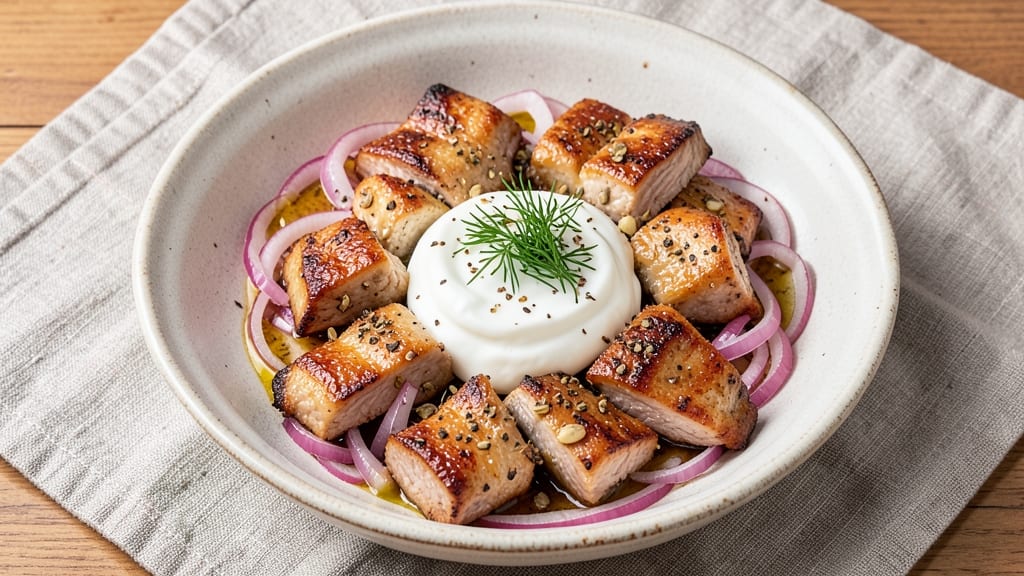
This authentic pork gyros recipe brings the vibrant flavors of Greek street food to your kitchen, where tender, marinated pork meets warm pita pockets and fresh tzatziki. I developed this version after years of perfecting rotisserie techniques—both traditional and home-adaptable—to deliver that signature smoky, spiced flavor without needing specialized equipment.
The secret lies in the marinade: a balance of lemon, garlic, and oregano that transforms tough pork into melt-in-your-mouth slices.
What sets this recipe apart is the attention to authenticity while keeping it accessible. The pork cooks slowly in a skillet (or on a rotisserie if you're ambitious), developing deep, caramelized edges and juicy centers.
Meanwhile, the tzatziki—creamy yogurt with cucumber and garlic—cuts through the richness, creating the perfect harmony. Every bite delivers that classic gyro experience: crisp pita, tender meat, and cool sauce in one perfect pocket.
Assembling these gyros is where the magic happens. Warm pita bread soaks up just enough tzatziki to stay soft, while the pork slices stack high with fresh tomatoes, red onions, and a sprinkle of sesame seeds. The result?
A dish that tastes like a trip to Athens but comes together in under an hour. This is the kind of recipe that disappears faster than you can say "kalimera" (good morning)—and leaves everyone asking for seconds.
Pair with a simple Greek salad or roasted potatoes for a complete meal. The beauty of this dish is its versatility: serve as a casual weeknight dinner or set up a build-your-own gyro station for gatherings. Trust me, once you master this technique, you'll never settle for takeout again.
Ingredients for authentic pork gyros
Nine essential ingredients transform simple pork into restaurant-quality gyros with smoky, spiced perfection.
| Ingredient | Amount | Notes |
|---|---|---|
| Boneless Pork Shoulder 🥩 | 1 ½ lb | Cut into 1-inch cubes |
| Plain Greek Yogurt 🧀 | 1 ½ cups | Full-fat for creaminess |
| Extra-Virgin Olive Oil 🫒 | ½ cup | For marinade and cooking |
| Fresh Lemon Juice 🍋 | ¼ cup | Freshly squeezed |
| Garlic Cloves 🧄 | 6 cloves | Minced for marinade |
| Dried Oregano 🌿 | 1 ½ tbsp | Mediterranean blend preferred |
| Ground Cumin 🌿 | 1 tsp | Toasted for depth |
| Salt 🧂 | 1 ½ tsp | Diamond Crystal preferred |
| Black Pepper 🌶️ | ½ tsp | Freshly ground |
| Pita Bread 🍞 | 4 whole | Warm, not toasted |
| Cucumber 🥒 | 1 medium | English cucumber preferred |
| Sesame Seeds 🌾 | 1 tbsp | Toasted for garnish |
| Red Onion 🧅 | 1 medium | Thinly sliced |
| Ripe Tomatoes 🍅 | 2 medium | Diced, vine-ripened |
| Fresh Dill 🌿 | ¼ cup | Chopped for tzatziki |
The pork shoulder is non-negotiable—look for well-marbled cuts at Whole Foods or your local butcher. I always grab mine from Costco when doing a big batch, but the regular supermarket version works fine for a weeknight. The Greek yogurt needs to be full-fat—Fage or Chobani are my go-tos, but any plain yogurt with live cultures will do. For the olive oil, Kalamata olive oil adds that authentic Mediterranean touch, but any extra-virgin will work. The lemon juice should be freshly squeezed—bottled just won't cut it here.
No English cucumber? Persian cucumbers work too—just peel them first. Running short on fresh dill? Dried dill at half the amount gets you close. The tomatoes can be any ripe variety, but heirloom or vine-ripened add the most flavor. For the pita, store-bought works fine, but if you want to impress, grab Schär brand from the international aisle—they're the closest to authentic. The sesame seeds can be toasted in a dry pan for 30 seconds if you're feeling fancy, but raw works too.
The marinade keeps for 3 days in the fridge, but the pork tastes best when marinated overnight. The tzatziki stays fresh for 3 days if you keep it submerged in yogurt. Pita bread? Warm it in a dry skillet for 30 seconds per side—no butter needed. Assemble everything just before serving so the pita stays crisp. Leftovers? The meat reheats beautifully, but the pita gets soggy—save it for sandwiches the next day.
Why You'll Love This Recipe
- I swear by this trick: slice the pork shoulder thin (about ¼-inch) while it’s still cold—no fancy knife skills needed. The yogurt marinade does all the work, so I’m not stuck dicing garlic into oblivion or wrestling with stubborn meat.
- Here’s what sold me: the pork gets shatteringly crispy on the edges from the olive oil and lemon, while the yogurt keeps it impossibly tender inside. Add a squeeze of fresh lemon at the end? Absolute perfection.
Step-by-step instructions for authentic pork gyros
Here's how to create restaurant-quality gyros with tender pork and homemade tzatziki.
Marinate the Pork for Maximum Flavor
In a large bowl, combine the 1.5 lb boneless pork shoulder cut into 1-inch cubes with the 0.5 cup extra-virgin olive oil, 0.25 cup fresh lemon juice, 6 cloves minced garlic, 1.5 tbsp dried oregano, 1 tsp ground cumin, 1.5 tsp salt, and 0.5 tsp black pepper. The lemon juice should sizzle slightly when added—that's your signal it's working. Mix thoroughly until every piece of pork is fully coated in the marinade.
Transfer the pork to a resealable plastic bag and refrigerate for at least 4 hours (overnight is best). This long marinating time ensures the flavors penetrate deeply and the meat stays tender when cooked. The acidity from the lemon juice and olive oil helps break down the muscle fibers, guaranteeing juicy, melt-in-your-mouth pork.
Cook the Pork to Perfect Tenderness
Preheat your grill or grill pan to medium-high heat. Remove the pork from the marinade (reserve the marinade) and thread the cubes onto skewers, leaving a little space between each piece. Grill the pork for 8-10 minutes per side, turning occasionally, until the internal temperature reaches 165°F and the edges are nicely charred. The pork should be fork-tender but not falling apart.
If using a stovetop grill pan, be patient—it takes slightly longer to develop those beautiful grill marks. For extra flavor, brush the pork with the reserved marinade during the last 2 minutes of cooking. Once done, transfer the skewers to a plate and let the pork rest for 5 minutes before serving. This resting period allows the juices to redistribute, preventing dry meat.
Prepare the Homemade Tzatziki
While the pork rests, make the tzatziki by grating the 1 medium cucumber (peeled if preferred) using a box grater or food processor. Transfer the grated cucumber to a clean kitchen towel and squeeze out all the excess moisture—this step is crucial for preventing a watery sauce. In a bowl, combine the cucumber with the 1.5 cups plain Greek yogurt, 0.25 cup chopped fresh dill, and an additional 0.5 tsp salt. Mix well until fully incorporated.
The tzatziki should have a thick, creamy consistency—almost like a spreadable yogurt. If it's too thick, add 1-2 tablespoons of water to reach your desired texture. Cover and refrigerate until ready to serve. The cool, tangy tzatziki balances the rich, savory pork perfectly, making each bite unforgettable.
Assemble the Gyros with Fresh Toppings
Warm the 4 whole pita breads in a dry skillet or microwave for 20-30 seconds until pliable but not crispy. Spread a generous layer of the tzatziki onto each pita, leaving a small border for the toppings. Arrange the grilled pork skewers on top of the tzatziki, then add thinly sliced red onion and diced ripe tomatoes for freshness and crunch.
Sprinkle the 1 tbsp toasted sesame seeds over the toppings for a nutty finish. Fold the pita in half or roll it up like a wrap, pressing gently to hold everything together. Serve immediately while the pork is still warm and the pita is soft. The combination of smoky, tender pork, cool tzatziki, and fresh vegetables creates an authentic gyro experience you won't find in most restaurants.
Pro Tips For Making Authentic Pork Gyros
- Trim the Fat First: Pork shoulder has stubborn fat layers that won’t render cleanly during cooking. Use a sharp knife to slice between muscle and fat before marinating—this keeps your gyros tender and prevents greasy messes. (Yes, it takes 10 minutes, but your meat will thank you.)
- Marinate Overnight, Covered: The yogurt-garlic-lemon mix needs time to work its magic. Seal the pork in a container with plastic wrap pressed directly onto the surface—this prevents drying and lets the acid penetrate evenly. I learned this the hard way when my first batch came out rubbery.
- Sear Hot, Then Slow: Start the pork in a screaming-hot skillet with olive oil until deep brown crust forms—this locks in flavor. Then drop the heat to medium-low and cook through; rushing this step turns your gyros into dried-out slices. (Your future self will notice.)
- Rest Before Slicing: After cooking, tent the pork with foil and let it sit for 5–10 minutes. This lets juices redistribute, so your first slice isn’t a sad, dry one. I skip this when I’m impatient, and the dish is noticeably worse—don’t be that cook.
Flavor customization for this recipe
Spicy Heat Boost
For those who love a kick, add 1 tbsp hot paprika or ½ tsp cayenne pepper to the marinade. I like to use Penzeys brand hot paprika for its consistent, smoky heat.
For extra intensity, add 2 tbsp finely chopped jalapeños to the tzatziki—just remove seeds and membranes first. Serve with extra hot sauce on the side for customizable heat. 🌶️
Smoky BBQ Twist
Swap the oregano for 1 tbsp smoked paprika and add 1 tbsp BBQ rub (I use Sweet Baby Ray's Original) to the marinade. Cook the pork on a wood-fired grill with hickory or applewood chips for 10 minutes before finishing on the grill pan.
This fusion version tastes like a cross between a gyro and smoked pulled pork. 🔥
Herb-Forward Variation
Boost the Mediterranean flavors by adding 1 tbsp fresh thyme and 1 tbsp fresh rosemary (finely chopped) to the marinade. For the tzatziki, stir in 1 tbsp chopped mint and 1 tbsp lemon zest.
This herbaceous version pairs beautifully with a Greek salad> with feta and olives. The bright herbs cut through the richness of the pork perfectly. 🌿
Sweet & Tangy Glaze
Create a sweet-savory glaze by mixing 2 tbsp honey with 1 tbsp apple cider vinegar and 1 tsp Dijon mustard. Brush this onto the pork during the last 3 minutes of cooking.
The caramelized glaze adds a sticky, slightly sweet contrast to the smoky meat. Serve with extra glaze drizzled over the assembled gyros. 🍯
Vegetarian Adaptation
For a meat-free version, use 1.5 lb extra-firm tofu or chickpeas> (for a heartier texture). Marinate the tofu in the same mixture (without extra lemon juice) for 8 hours> or overnight. Press and slice the tofu before grilling.
For chickpeas, roast them with the marinade at 400°F> for 30 minutes> until crispy. The texture won't be identical, but the flavors shine through. 🌱
Extra-Cheesy Option
Add ½ cup crumbled feta cheese> to the tzatziki for a briny, salty kick. For an extra-cheesy gyro, sprinkle ¼ cup shredded halloumi cheese> (salted and grilled) over the assembled meat. The halloumi adds a delicious, slightly charred contrast that melts into every bite. 🧀
Nutrition facts
Frequently asked questions
Can I use chicken instead of pork for gyros?
Yes, but the flavor and texture will differ. Chicken breast works best—marinate 1.5 lb boneless chicken thighs for 2-4 hours (chicken doesn't need as long as pork) and grill at medium heat for 6-8 minutes per side until reaching 165°F. The result will be lighter but still delicious. For authenticity, stick with pork, which has more fat for that classic juicy texture.
How do I make gyros without a grill or rotisserie?
Use a cast-iron skillet! Heat it over medium-high heat and cook the pork in batches for 6-8 minutes per side, turning occasionally to get grill marks. For extra smokiness, add wood chips to the skillet or use a chimney starter nearby. A stovetop grill pan works too—just monitor closely to avoid burning. The key is patience and consistent heat.
Why did my pita bread get soggy?
Soggy pita happens when the bread absorbs too much moisture from the tzatziki or meat juices. Warm the pita just before serving (not ahead of time) and spread a thin layer of tzatziki—just enough to moisten, not soak. Assemble the gyros quickly and press gently to seal. For extra crispiness, toast the pita for an additional 10 seconds right before serving.
Can I prepare the marinade ahead of time?
Store the marinade (without pork) in an airtight container in the fridge for up to 5 days or freeze it for 3 months. When ready to use, add the pork and marinate for at least 4 hours. For best flavor, overnight marinating is ideal. The acidity and oils in the marinade keep well, making this a great make-ahead option.
What's the best way to reheat leftover gyro meat?
Reheat gently in a skillet over low heat for 3-5 minutes with a splash of water or broth to keep it moist. Avoid the microwave—it makes the meat tough. For extra flavor, brush with a little olive oil and warm for 1-2 minutes on the grill. Leftover meat reheats beautifully for sandwiches or salads the next day.