
Main Courses
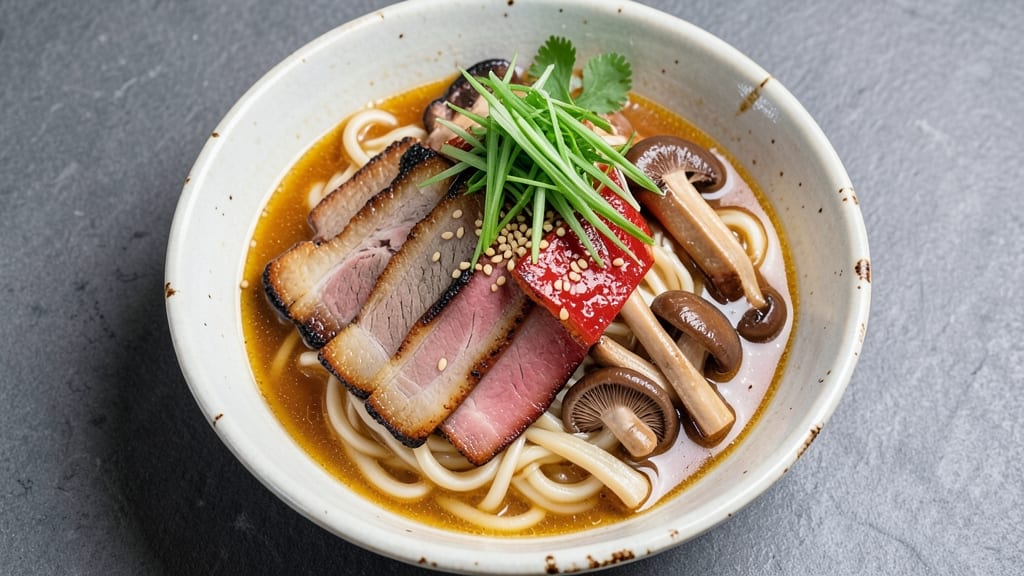
This authentic Japanese pork ramen recipe delivers the deep umami richness and silky texture that makes it a comfort food legend. 🔥 After years of perfecting the balance between tonkotsu pork broth and delicate noodles, I've developed a method that captures the soul of Japanese ramen shops—right in your home kitchen.
The foundation begins with a slow-simmered pork broth, where collagen-rich pork bones and fatty pork belly create that signature creamy, flavorful base. Freshly made ramen noodles—chewy yet tender—are the perfect vessel for this rich broth, while house-made chashu pork adds layers of sweet, savory depth.
What sets this recipe apart is the attention to traditional techniques: proper pork slicing for chashu, precise broth simmering times, and the careful balance of umami, saltiness, and texture in every bowl.
The result is a ramen experience that rivals your favorite Japanese restaurant—with the added satisfaction of making it yourself.
Top with classic garnishes like menma, ajitsuke tamago, and nori for that complete ramen experience. Whether you're serving this as a weeknight dinner or hosting a ramen night with friends, this recipe delivers authentic flavor with modern convenience.
Ingredients for authentic japanese pork ramen
Pork belly, bones, and umami-packed ingredients for ramen that rivals your favorite Japanese shop.
| Ingredient | Amount | Notes |
|---|---|---|
| Pork Belly (fatty cuts) 🥓 | 2 lb | Skin-on, marbled for richness |
| Pork Bones (leg or foot) 🦴 | 1 ½ lb | Collagen-rich for broth creaminess |
| Yellow Onions 🧅 | 3 whole | Chopped, for aromatic base |
| Garlic Cloves 🧄 | 8 cloves | Minced, for deep umami |
| Fresh Ginger 🌿 | ½ cup | Julienned, for aromatic balance |
| Dried Shiitake Mushrooms 🍄 | ¼ cup | Rehydrated, for umami depth |
| Soy Sauce (Japanese) 🥫 | ½ cup | Kikkoman preferred for authenticity |
| Miso Paste (white) 🧈 | ¼ cup | For fermented umami |
| Ramen Noodles (fresh) 🍜 | 2 packages | 4 oz per package, silky texture |
| Chashu Pork (thinly sliced) 🥩 | 1 lb | Marinated, braised pork |
| Ajitsuke Tamago (marinated egg) 🥚 | 4 whole | For classic ramen garnish |
| Menma (fermented bamboo shoots) 🌱 | ½ cup | Pickled, for crunch |
| Nori Sheets 🍣 | 4 pieces | For topping, toasted |
| Sesame Oil 🫒 | 1 tbsp | For finishing aroma |
| Chili Oil (optional) 🌶️ | 1 tbsp | For heat balance |
The pork belly and bones are non-negotiable—look for fatty cuts with good marbling at an Asian market or butcher shop. Costco often has pre-cut pork belly at a great price, but if you're buying whole, ask for the fatty belly section. For the broth, foot bones add extra richness if you can find them. The shiitake mushrooms should be dried and rehydrated—never use fresh. As for the Japanese soy sauce, Kikkoman is the gold standard, but any high-quality brand works. If you're using pre-made chashu pork, check the fat content—it should be at least 20% for that authentic flavor.
No pork belly? Pork shoulder works in a pinch, but it won't give the same creamy texture. Substituting the miso paste? White miso is essential—red miso is too strong. For the chashu pork, if you can't find pre-made, marinate pork loin in soy sauce, sugar, and sake for 24 hours before braising. The ajitsuke tamago can be tricky to find—marinate hard-boiled eggs in soy sauce and mirin for 2 weeks if you can't locate them pre-made. And if you're skipping the chili oil, a dash of gochujang adds heat without overpowering.
The broth keeps for 5 days in the fridge—taste and adjust seasoning before reheating. Freeze in ice cube trays for easy portioning later. Fresh ramen noodles should be cooked just before serving—they lose texture when reheated. Store the chashu pork in the fridge for up to 5 days, but it's even better made fresh. Garnishes like nori and menma? Keep them in airtight containers—they stay fresh for months. The sesame oil should be stored in the fridge to preserve its flavor.
Why You'll Love This Recipe
- One-Pot Magic: I swear by this—just toss pork bones and belly into a pot, simmer for hours, and boom, rich broth without extra pots. The onions and ginger caramelize right in, so you’re not stuck peeling layers of stuck-on stuff later.
- Umami Bomb: That crispy pork belly crackling on top? Pure satisfaction. The bones melt into a deep, savory broth, while the garlic and ginger layers add warmth—like a hug in a bowl. Honestly, my first sip always makes me pause mid-bite.
- Meal Prep MVP: Between us, this is my lazy Sunday secret. Cook a big batch, freeze portions, and reheat with fresh noodles—no sad, watery leftovers here. Perfect for game nights or when you’re too tired to order takeout.
- Budget Booster: Pork bones stretch this recipe into a feast without breaking the bank. The fat from the belly infuses the broth, so you’re not sacrificing flavor for savings. I’ll be real: my wallet and taste buds both win.
Step-by-step instructions for authentic Japanese pork ramen
Here's how to build that deep umami broth and silky ramen you crave.
🔥 Step 1: Render Pork Belly and Chararize Bones
Cut the 2 lb pork belly into 2-inch cubes, leaving the skin on. In a large pot, sear the pork belly over medium-high heat until the fat renders out and the skin turns deep golden brown—about 10-12 minutes. Remove and set aside, leaving the rendered fat in the pot.
Add the 1.5 lb pork bones to the same pot and increase heat to high. Char the bones for 5-7 minutes until they develop a dark crust—this caramelization builds complex flavors. Pour in 4 cups cold water to deglaze, scraping up all those flavorful browned bits from the bottom of the pot.
🍳 Step 2: Build the Aromatic Base
Add the chopped 3 whole yellow onions, minced 8 cloves garlic, and julienned 0.5 cup fresh ginger to the pot. Cook over medium heat for 8-10 minutes until the onions soften and become translucent. You'll smell that sweet, caramelized aroma—this is where the broth's depth starts.
Stir in the 0.25 cup dried shiitake mushrooms (rehydrated in hot water) and cook for another 3 minutes. The mushrooms will release their earthy umami into the broth. Add the 0.5 cup Japanese soy sauce and 0.25 cup white miso paste, stirring to dissolve completely. This is the flavor foundation—don't skip it.
🥘 Step 3: Simmer the Broth for Maximum Depth
Bring the liquid to a gentle simmer and partially cover the pot. Skim off any foam that rises to the surface during the first 15 minutes—this ensures a clear, clean broth. Reduce heat to low and simmer uncovered for 3-4 hours, adding water as needed to maintain level.
After 2 hours, return the pork belly cubes to the broth. They'll finish cooking in the simmering liquid, becoming tender and infused with all those wonderful flavors. The broth should reduce slightly, becoming rich and concentrated—this is what makes authentic ramen broth so special.
🍳 Step 4: Prepare the Toppings and Noodles
While the broth simmers, prepare your toppings. Blanch the 2 packages fresh ramen noodles in boiling water for 2 minutes less than package instructions, then drain and rinse briefly with cold water. Keep them covered with a damp towel to prevent drying.
Arrange the 1 lb thinly sliced chashu pork, 4 ajitsuke tamago, and 0.5 cup menma on a platter. Toast the 4 pieces nori sheets lightly in a dry pan until fragrant. These toppings should be ready to assemble as soon as your broth finishes—everything needs to be piping hot when served.
🍽️ Step 5: Assemble and Serve with Authentic Flavor
Ladle the hot broth into bowls, dividing it evenly among your 4 servings. Place 2 packages fresh ramen noodles in each bowl, then arrange the chashu pork, ajitsuke tamago, and menma artfully on top. Drizzle with 1 tbsp sesame oil and 1 tbsp chili oil (if using) for that final umami-punch.
Press a piece of nori sheet into the broth for extra flavor infusion. Serve immediately with chopsticks and a small bowl of extra broth for sipping. The contrast of silky noodles, tender pork, and rich broth in every bite is what makes this ramen truly authentic.
Pro Tips For Making Authentic Japanese Pork Ramen
- Char Bones Twice: Roast pork bones first at 450°F (230°C) for 20 minutes to render fat, then simmer uncovered at a rolling boil for the first 30 minutes. This cracks the collagen faster and gives you that deep, caramelized flavor without bitterness—skip this, and your broth stays cloudy and weak.
- Salt Pork Belly Like a Pro: Pat the pork belly bone-dry before seasoning with kosher salt (about 1.5 teaspoons per pound), then let it sit uncovered in the fridge for 24 hours. The salt draws out moisture, creating a crispy crust that actually seals in juices when seared—no, it’s not lazy, it’s science.
- Slice Onions Thinly, Evenly: Use a sharp knife and cut yellow onions into paper-thin rings, not chunks. They’ll caramelize evenly in the broth without turning mushy, and you’ll get that sweet, jammy texture that makes ramen sing. I used to rush this and ended up with sad, watery onion bits.
- Simmer Ginger in Stages: Toss fresh ginger slices into the broth after the pork bones have simmered for 45 minutes, not at the start. This prevents it from turning bitter and lets the flavor bloom just before serving—like a fresh, bright finish to a rich, savory base. (Yes, even if you’re impatient like me.)
Make-ahead tips for leftovers
Broth Prep Ahead
Start your broth the day before—it needs 3-4 hours of simmering, but prepping ahead saves you time. Char the pork bones and render the pork belly, then refrigerate the raw ingredients in a large stockpot overnight.
The next morning, add water and aromatics, then simmer. This method builds deeper flavor through cold soaking and slow extraction. 🥓
Noodle Prep Shortcut
Cook your ramen noodles just before serving for perfect texture, but you can prep them ahead. Blanch noodles 2 minutes less than package instructions, drain, and store in a ziplock bag with a damp paper towel.
Reheat in boiling water for 30 seconds—they'll be ready in seconds. Fresh noodles are non-negotiable for authentic ramen!
Chashu Pork Make-Ahead
Make your chashu pork 2 days ahead—it only gets better with time. Braise the pork until tender, then refrigerate in its marinade. When ready to serve, thinly slice against the grain.
Store in an airtight container with the marinade to keep it moist. Reheat gently in a skillet to maintain tenderness. 🥩
Topping Organization
Assemble toppings in separate containers for easy reheating. Store ajitsuke tamago in their marinade, menma in a small jar with liquid, and nori sheets in a cool, dry place.
Keep chili oil and sesame oil in small squeeze bottles for quick drizzling. Label everything clearly—ramen night chaos is real! 🍜
Freezer-Friendly Broth
Freeze broth in 1-cup portions for quick ramen nights. Use ice cube trays for individual servings—just pop out what you need and reheat. For best results, thaw overnight in the fridge and reheat gently on the stove. Frozen broth loses some richness, but it's still 10x better than store-bought. 🥶
Weeknight Assembly
Prep all components separately, then store in individual containers for grab-and-go ramen. Keep broth in a thermos, noodles in a sealed bag, and toppings organized. When ready, assemble in 5 minutes flat. This is my go-to for busy nights—no last-minute scrambling! ⏰
Nutrition facts
Frequently asked questions
Can I substitute pork belly with another cut of pork?
Pork belly is ideal for its fat content and flavor, but you can use pork shoulder in a pinch. For best results, choose a cut with at least 20% fat to mimic the richness. If using pork shoulder, increase simmering time to 4-5 hours to break down connective tissue. The broth will be slightly less creamy but still delicious.
How do I know when the broth is ready?
The broth should have a deep golden color and a rich, creamy texture from the rendered fat. Taste it after 3 hours—it should be intensely umami with a subtle sweetness from the onions and pork. If it's too salty, add 1 cup water and skim excess fat. The perfect broth should coat the back of a spoon and have a silky mouthfeel.
What if I don't have ajitsuke tamago (marinated eggs)?
No problem! Hard-boil eggs, peel them, and marinate in a mix of ¼ cup soy sauce, 2 tbsp mirin, and 1 tbsp sugar for at least 24 hours in the fridge. For a shortcut, use soft-boiled eggs and drizzle with soy sauce and sesame oil right before serving. The yolk should be runny for that classic ramen texture.
Can I make this recipe in an Instant Pot?
Yes, but with adjustments. Sear the pork belly and char the bones in a separate pan first, then transfer to the Instant Pot. Add 6 cups water, aromatics, and pressure cook on high for 90 minutes. Natural release for 30 minutes is key—this mimics the slow simmering process. The broth may not be as rich, but it's still flavorful. For best results, reduce it further on the stove afterward.
Why does my ramen broth look cloudy?
Cloudiness usually means the broth hasn't been skimmed enough or simmered long enough. Skim any foam during the first 15 minutes of cooking, and ensure you simmer uncovered for the full 3-4 hours. If it's still cloudy, strain it through a fine-mesh sieve or cheesecloth for a clearer result. A slightly cloudy broth is fine—it just means more collagen and flavor!