
Main Courses
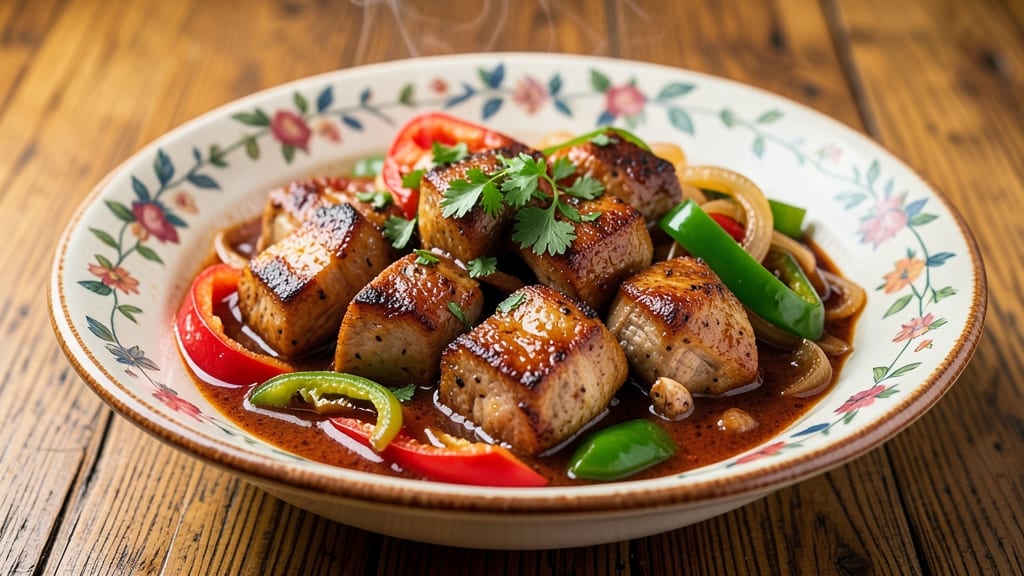
This authentic Hungarian pork goulash recipe brings the heart of Budapest to your kitchen with its deep, paprika-rich flavors that develop over hours of slow simmering.
The key to success lies in proper meat browning and layering spices—techniques I’ve perfected after years of cooking in both Hungarian restaurants and my own smoky kitchen. Unlike many modern shortcuts, this version stays true to tradition while making it accessible for home cooks.
What sets this goulash apart is the balance of sweet and smoky paprika, which creates that signature red hue and complex flavor profile. We start with a rich meat sauce from pork shoulder, then build layers of aromatics—onions, garlic, and bell peppers—that form the stew’s foundation.
The slow simmer transforms tough cuts into tender, melt-in-your-mouth pieces while developing a sauce that’s thick enough to coat every spoonful.
By the time you serve this dish, you’ll have a steaming bowl of hearty goulash with deep, caramelized flavors that taste like home. The aroma alone—smoky, slightly sweet, and rich—will fill your kitchen, while the texture delivers tender meat in a velvety sauce.
This is comfort food at its finest, perfect for cold evenings or family gatherings when you want something truly satisfying.
Pair it with crusty bread, buttered egg noodles, or simple roasted potatoes to soak up every last bit of that flavorful sauce. The recipe includes modern adaptations, like using smoked paprika for extra depth, while keeping the soul of Hungarian home cooking intact. Let’s get started on this timeless classic.
Ingredients for authentic hungarian pork goulash
Pantry staples meet smoky Hungarian tradition—just 15 ingredients for deep, paprika-kissed comfort.
| Ingredient | Amount | Notes |
|---|---|---|
| Pork Shoulder 🥩 | 3 lb | Cut into 1.5-inch cubes |
| Yellow Onions 🧅 | 2 whole | Medium size, sliced thin |
| Bell Peppers 🌶️ | 2 whole | Any color, sliced into strips |
| Garlic Cloves 🧄 | 6 cloves | Minced, not pre-minced jar |
| Sweet Paprika 🌶️ | 2 tbsp | Hungarian if available |
| Smoked Paprika 🌶️ | 1 tbsp | For extra depth |
| Tomato Paste 🍅 | ½ cup | Squeeze tube preferred |
| Beef Broth 💧 | 4 cups | Low-sodium preferred |
| Red Wine 🍷 | 1 cup | Dry, bold variety |
| All-Purpose Flour 🌾 | 2 tbsp | For thickening |
| Bay Leaves 🌿 | 2 whole | Fresh preferred |
| Black Peppercorns 🌶️ | 1 tsp | Freshly cracked |
| Salt 🧂 | 1 ½ tsp | Kosher or sea salt |
| Olive Oil 🫒 | 2 tbsp | For browning meat |
| Fresh Parsley 🌿 | ¼ cup | Chopped, for garnish |
The pork shoulder is non-negotiable here—pork butt gives you that melt-in-your-mouth texture after hours of simmering. Grab a 3-pound bone-in cut if you can find it, or ask your butcher to cube it for you. For paprika, Hungarian sweet and smoked (like Rosenbrand) make all the difference—skip the grocery store's generic red pepper. If you can't find Hungarian paprika, smoked paprika plus a pinch of cayenne works in a pinch. The bell peppers? Any color, but red adds natural sweetness that pairs perfectly with the smoky flavors. Look for firm, vibrant peppers at Trader Joe's or your local market—they usually have the freshest selection.
No red wine? Substitute extra beef broth—just add 1 cup more. Fresh bay leaves are ideal, but dried works at half the amount. The tomato paste can be that squeeze tube from Trader Joe's—it's perfect for this recipe and lasts forever. Short on time? Pre-minced garlic is fine, but fresh minced gives that extra depth. For the flour, all-purpose works, but if you've got bread flour, it'll thicken the sauce even better. The key is letting the meat brown properly in the olive oil—don't rush this step, or your goulash will taste flat. And trust me on the smoked paprika—it's what gives that authentic Hungarian flavor.
This goulash tastes even better the next day, so make a double batch if you can. Store in the fridge for 4-5 days or freeze for up to 3 months. The sauce thickens as it cools, so add a splash of broth when reheating. I like to portion it into containers with a side of egg noodles—just grab and heat for busy weeknights. The leftovers reheat beautifully, and the flavors actually deepen as everything melds together. Garnish with fresh parsley right before serving—it brightens up the rich, smoky flavors perfectly.
Why You'll Love This Recipe
- One-Pot Magic: I swear by this recipe because it’s actually one-pan—no chopping boards to clean, no extra pots to wash. Just brown the pork, toss in the onions and peppers, and let the paprika do its thing. That’s it. (Yes, even on a Tuesday night.)
- Paprika Powerhouse: Here’s what sold me—the way sweet paprika and garlic cloves caramelize into the pork. It’s not just flavor; it’s depth. The onions get sweet, the peppers add a little crunch, and the pork? Melts in your mouth with that perfect crust. Honestly, I’ve tried shortcuts, but nothing beats this.
- Leftovers That Beg: This goulash tastes better the next day. I make a double batch on Sundays, and by Wednesday, it’s the only thing anyone wants. Freeze half for lazy nights, and it reheats like a dream—no dry edges, no sad textures. My secret weapon for busy weeks.
- Budget-Friendly Feast: Pork shoulder stretches forever, and bell peppers/onions don’t break the bank. A single recipe feeds four (or two very hungry people) for under $10. Between us, this is the kind of meal that makes grocery bills feel less painful—while still tasting like you slaved over it. (Not the prettiest, but the taste makes up for it.)
Step-by-step instructions for authentic Hungarian pork goulash
This classic Hungarian stew delivers deep paprika flavor and tender pork—just like Grandma used to make.
Sear the Pork Shoulder for Maximum Flavor
Heat the 2 tablespoons olive oil in a large Dutch oven over medium-high heat. Working in batches if needed, add the 3 lb pork shoulder cut into 1.5-inch cubes and sear for 3-4 minutes per side until deep golden brown. You want that rich Maillard reaction happening—don't crowd the pan or the meat will steam instead of brown.
As each batch browns, remove the pork and set it aside. The goal here is to develop that deep, caramelized crust that forms the flavor foundation of your goulash. If the oil starts smoking before all the pork is browned, reduce the heat slightly—you're aiming for sizzling, not burning.
Build the Paprika Base
Once all the pork is browned, reduce the heat to medium and add the 2 whole yellow onions sliced thin. Cook for 5-6 minutes until softened and translucent. Add the 2 whole bell peppers sliced into strips and cook for another 4-5 minutes until they begin to soften.
Now stir in the 6 cloves minced garlic and cook for 30 seconds until fragrant—don't let it burn. Add the 2 tablespoons sweet paprika and 1 tablespoon smoked paprika, stirring constantly for 1 minute until the spices bloom and fill your kitchen with that authentic Hungarian aroma. This is where the magic happens—those spices need to toast slightly to develop their full flavor potential.
Deglaze and Simmer the Stew
Pour in the 1 cup red wine and scrape up all those delicious browned bits from the bottom of the pot with a wooden spoon. This deglazing step captures all the flavor you worked so hard to create. Let the wine simmer for 3-4 minutes until it reduces by about half.
Add the 0.5 cup tomato paste, stirring to combine completely. Sprinkle in the 2 tablespoons all-purpose flour and stir for 1 minute to cook off the raw flour taste. Pour in the 4 cups beef broth, add the 2 whole bay leaves and 1 teaspoon cracked black peppercorns, then return all the browned pork to the pot. Bring to a gentle boil, then reduce heat to low and cover partially.
Cook Until Tender and Flavorful
Simmer the goulash for 2.5-3 hours until the pork is fork-tender and easily pulls apart. The sauce should thicken naturally as it cooks—if it gets too thin, uncover and simmer longer. Stir occasionally, but not constantly—you want that crust to develop on the bottom of the pot.
About 30 minutes before serving, check the seasoning and adjust with the 1.5 teaspoons salt if needed. The goulash should be rich and flavorful without needing extra salt. Taste the sauce—it should be deep, slightly sweet from the paprika, and perfectly balanced. If it needs more acidity, add a splash of lemon juice or a pinch of sugar to cut through the richness.
Finish and Serve
Remove the 2 bay leaves and discard them. Stir in the 0.25 cup chopped fresh parsley just before serving to brighten the dish with fresh herbs. Serve the goulash hot with crusty bread or over egg noodles to soak up every last bit of that delicious sauce.
This authentic Hungarian goulash should have a thick, velvety sauce that coats each tender piece of pork perfectly. The paprika flavor should be rich and slightly sweet, with just a hint of smokiness from the smoked variety. Each bite should deliver that perfect balance of meaty richness and aromatic spices that makes this dish so special.
Pro Tips For Making Authentic Hungarian Pork Goulash
- Brown the Pork Properly: This isn’t the time to be gentle—get that pork shoulder searing hard until it’s deep golden, not just pink. I learned this the hard way: pale meat means a pale goulash. Use a heavy pot on medium-high heat, 8-10 minutes per side, and resist the urge to move it around too soon. The crust locks in flavor and keeps the meat tender during the long simmer.
- Toast the Paprika First: Skip the instant powder—use sweet paprika in its whole form and toast it dry in a separate pan for 30 seconds until fragrant. This isn’t just about aroma; it deepens the smoky complexity that defines real goulash. (Yes, even if you’re impatient like me—just set a timer and walk away.) Stir it into the onions early, and let it bloom before adding liquid.
- Don’t Rush the Onions: The onions should turn into a thick, jammy base before you even think about adding peppers or garlic. Cook them low and slow, stirring often, until they’re dark brown and almost caramelized—about 15 minutes. I used to rush this, and the goulash always tasted flat. Patience here makes all the difference in the depth of flavor.
- Use Tomato Paste, Not Sauce: Swap that jarred tomato sauce for 2 tablespoons of tomato paste stirred into the onions early. It thickens the goulash naturally and cuts through the richness of the pork. (Your future self will thank you—trust me.) Just make sure to cook it down fully before adding broth or wine, or you’ll end up with a watery stew.
Storing and reheating your leftovers
Refrigerator Storage
Let your goulash cool completely before transferring to airtight containers—I swear by glass Pyrex with snap-on lids for even heat distribution. Store at 40°F or below for up to 5 days, though the flavors actually deepen after 24 hours as the spices meld together.
I always make a double batch because reheating leftovers is pure comfort food magic. 💛
Freezer Preservation
For long-term storage, portion goulash into quart-sized freezer bags (leave 1 inch headspace for expansion) and freeze for up to 3 months. The sauce thickens when frozen, so add ¼ cup beef broth when reheating.
I label bags with the date—trust me, you’ll forget when it’s buried under other freezer gems! 🧊
Stovetop Reheating
My preferred method: Transfer goulash to a heavy-bottomed pot (I use my Lodge cast iron) and heat over medium-low for 10-15 minutes, stirring occasionally. If the sauce looks thick, add 2-3 tablespoons broth to restore creaminess.
Taste before serving—leftovers often need a pinch of smoked paprika to revive that authentic Hungarian depth. 🔥
Microwave Shortcuts
For quick meals, microwave covered portions on 50% power for 3-4 minutes, stirring halfway. Add 1-2 tablespoons broth if the sauce separates. I avoid full power to prevent rubbery pork—this stew deserves gentle treatment! 💡
Sauce Rescue Tips
If your reheated goulash tastes flat, boost flavor with:
- 1 tsp lemon juice (brightens richness)
- ½ tsp sugar (balances acidity)
- Extra smoked paprika (deepens aroma)
I keep a small jar of Rosenbrand smoked paprika on hand just for these moments—it’s my secret weapon. ✨
Serving Leftovers
Garnish reheated goulash with fresh parsley and serve with:
- Crusty rye bread (soaks up sauce perfectly)
- Buttered egg noodles (classic pairing)
- Steamed cabbage (adds freshness to rich flavors)
The leftovers taste even better the second day—proof that slow-cooked magic improves with time. 🍽️
Nutrition facts
Frequently asked questions about Hungarian pork goulash
Can I substitute chicken or beef for the pork?
While pork is traditional, you can use beef chuck or chicken thighs—but expect different textures. Beef stays tender but may need 1.5-2 hours less cooking, while chicken should cook for 45-60 minutes after browning. The sauce will also thicken faster with chicken. For best results, use bone-in pieces for extra flavor.
What makes Hungarian goulash different from other paprika stews?
The magic lies in the layered spices and slow simmering technique. Hungarian goulash uses both sweet and smoked paprika for depth, plus a proper browning of the meat. Unlike Spanish or Moroccan paprika dishes, Hungarian versions build flavor through hours of simmering—not quick cooking. The wine and tomato paste create that signature rich, slightly sweet sauce.
How do I fix goulash that's too thin or too thick?
For thin sauce, simmer uncovered for 10-15 minutes to reduce naturally, or mix 1 tbsp cornstarch with 2 tbsp cold water and stir in. For thick sauce, add ¼ cup beef broth> at a time while stirring. Never add flour directly to hot sauce—it can create lumps. The ideal consistency should coat the back of a spoon but still be spoonable.
Can I make goulash in a slow cooker?
Brown the meat first in a skillet, then transfer everything to the slow cooker. Cook on low for 8 hours or high for 4-5 hours. The slow cooker method actually enhances the paprika flavors. Just add ½ cup broth> if the sauce gets too thick during cooking. The pork will be even more tender from the gentle heat.
What's the best way to reheat goulash without drying out the meat?
Use low heat> on the stovetop with a splash of broth—never microwave on full power. For best results, reheat in a heavy pot> (like cast iron) over medium-low heat> for 10-15 minutes>, stirring occasionally. If the sauce separates, add 1 tbsp tomato paste**> and stir until smooth. The key is patience—rushing makes the meat tough.